lw gas, a and l compressed gas, lw industries, high pressure hydrogen compressors, high duty compressor lng, lw americas nitroxmaker onboard nitrox generator, lw americas high pressure gas storage for diving systems
Understanding High-Pressure Compressor Technologies
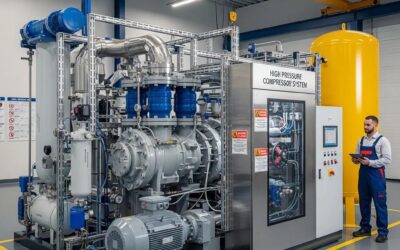
High-pressure compressors play a crucial role in various industries, providing the necessary pressure for a wide range of applications. These technologies have evolved significantly, offering enhanced efficiency, reliability, and safety features that cater to diverse operational needs.
Modern high-pressure compressors utilize advanced materials and engineering techniques to optimize performance. For instance, variable speed drives can adjust compressor output based on demand, leading to energy savings and reduced wear on components. This adaptability is essential in sectors like medical and automotive, where precise pressure control is paramount.
Innovations in Compressor Technology
Recent advancements in compressor technology have introduced features such as smart monitoring systems and eco-friendly refrigerants. These innovations not only improve operational efficiency but also contribute to sustainability efforts in industries reliant on high-pressure systems.
For example, smart monitoring systems enable real-time performance tracking, allowing operators to anticipate maintenance needs and minimize downtime. Additionally, the shift towards eco-friendly refrigerants aligns with global initiatives to reduce environmental impact, making modern compressors a more sustainable choice for businesses.
Applications of High-Pressure Compressors in the Medical Field
High-pressure compressors are vital in the medical field, where they are used for applications such as powering surgical tools and supplying breathing gases. The reliability and precision of these compressors ensure the safety and effectiveness of medical procedures.
For instance, medical air compressors must meet stringent regulations to ensure the quality of air supplied to patients. LW Americas offers compressors specifically designed for medical applications, featuring advanced filtration systems to maintain air purity and compliance with health standards.
Comparative Analysis: Portable vs. Stationary Compressors
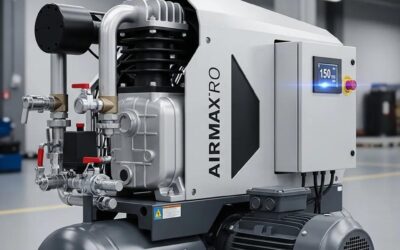
Choosing between portable and stationary high-pressure compressors depends on specific application needs and operational environments. Portable compressors offer flexibility and ease of transport, making them ideal for on-site applications, while stationary compressors provide higher output and efficiency for fixed installations.
For example, a portable compressor may be suitable for a construction site where mobility is essential, whereas a stationary compressor is preferable for a manufacturing facility that requires continuous operation. Understanding these differences helps businesses select the right compressor type to optimize performance and cost-effectiveness.
lw gas, a and l compressed gas, lw industries, high pressure hydrogen compressors, high duty compressor lng, lw americas nitroxmaker onboard nitrox generator, lw americas high pressure gas storage for diving systems
Understanding High-Pressure Compressor Technologies
High-pressure compressors play a crucial role in various industries, providing the necessary pressure for a wide range of applications. These technologies have evolved significantly, offering enhanced efficiency, reliability, and safety features that cater to diverse operational needs.
Modern high-pressure compressors utilize advanced materials and engineering techniques to optimize performance. For instance, variable speed drives can adjust compressor output based on demand, leading to energy savings and reduced wear on components. This adaptability is essential in sectors like medical and automotive, where precise pressure control is paramount.
Innovations in Compressor Technology
Recent advancements in compressor technology have introduced features such as smart monitoring systems and eco-friendly refrigerants. These innovations not only improve operational efficiency but also contribute to sustainability efforts in industries reliant on high-pressure systems.
For example, smart monitoring systems enable real-time performance tracking, allowing operators to anticipate maintenance needs and minimize downtime. Additionally, the shift towards eco-friendly refrigerants aligns with global initiatives to reduce environmental impact, making modern compressors a more sustainable choice for businesses.
Applications of High-Pressure Compressors in the Medical Field
High-pressure compressors are vital in the medical field, where they are used for applications such as powering surgical tools and supplying breathing gases. The reliability and precision of these compressors ensure the safety and effectiveness of medical procedures.
For instance, medical air compressors must meet stringent regulations to ensure the quality of air supplied to patients. LW Americas offers compressors specifically designed for medical applications, featuring advanced filtration systems to maintain air purity and compliance with health standards.
Comparative Analysis: Portable vs. Stationary Compressors
Choosing between portable and stationary high-pressure compressors depends on specific application needs and operational environments. Portable compressors offer flexibility and ease of transport, making them ideal for on-site applications, while stationary compressors provide higher output and efficiency for fixed installations.
For example, a portable compressor may be suitable for a construction site where mobility is essential, whereas a stationary compressor is preferable for a manufacturing facility that requires continuous operation. Understanding these differences helps businesses select the right compressor type to optimize performance and cost-effectiveness.