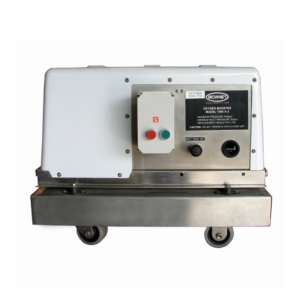
LW Americas Boost Pumps: Solutions for Diving & More

Showing the single result

Showing the single result
boost mobile 47th, boost lw, lw americas high pressure gas storage for diving systems, dune awakening industrial pumps boost, booster pump design cardiff by the sea ca, storage tank booster pumps cardiff by the sea ca, lw dive compressors, subsea boosting, subsea boosting systems, diving booster underwater, boost pumps
Booster pumps are essential devices designed to increase the pressure of fluids, making them critical in various applications, including diving, industrial processes, and recreational activities. These pumps ensure a reliable supply of air or gas at the required pressure levels, enhancing safety and efficiency in operations.
For instance, in diving applications, booster pumps are used to fill tanks with high-pressure air, allowing divers to explore deeper underwater environments. Their robust construction and reliability make them suitable for use in extreme conditions, ensuring that divers have access to the necessary resources during their underwater adventures.
Booster pumps find a wide range of applications across different industries. They are commonly utilized in diving operations, rebreather systems, and submarine support, where maintaining specific pressure levels is crucial for safety and performance.
In addition to diving, these pumps are also employed in industrial settings for processes that require consistent fluid pressure. For example, they are used in water treatment facilities to boost water pressure for effective filtration and distribution, showcasing their versatility across various sectors.
Selecting the appropriate booster pump involves considering several factors, including the required pressure, flow rate, and specific application needs. Users must evaluate their requirements to ensure optimal performance and reliability.
For example, a diving operation may require a pump with a higher pressure rating to fill tanks quickly, while an industrial application may prioritize flow rate over pressure. Understanding these specifications helps users make informed decisions, ensuring they choose a pump that meets their operational demands.
Regular maintenance of booster pumps is vital to ensure their longevity and optimal performance. Users should adhere to a maintenance schedule that includes routine inspections, cleaning, and timely replacements of worn components.
For instance, checking seals and filters regularly can prevent leaks and maintain efficiency. Additionally, lubricating moving parts and monitoring performance metrics can help identify potential issues before they escalate, ensuring that the pump operates smoothly and reliably throughout its service life.