
L&W Compressors vs Competitors: Which High-Pressure Compressor Is Best for You?
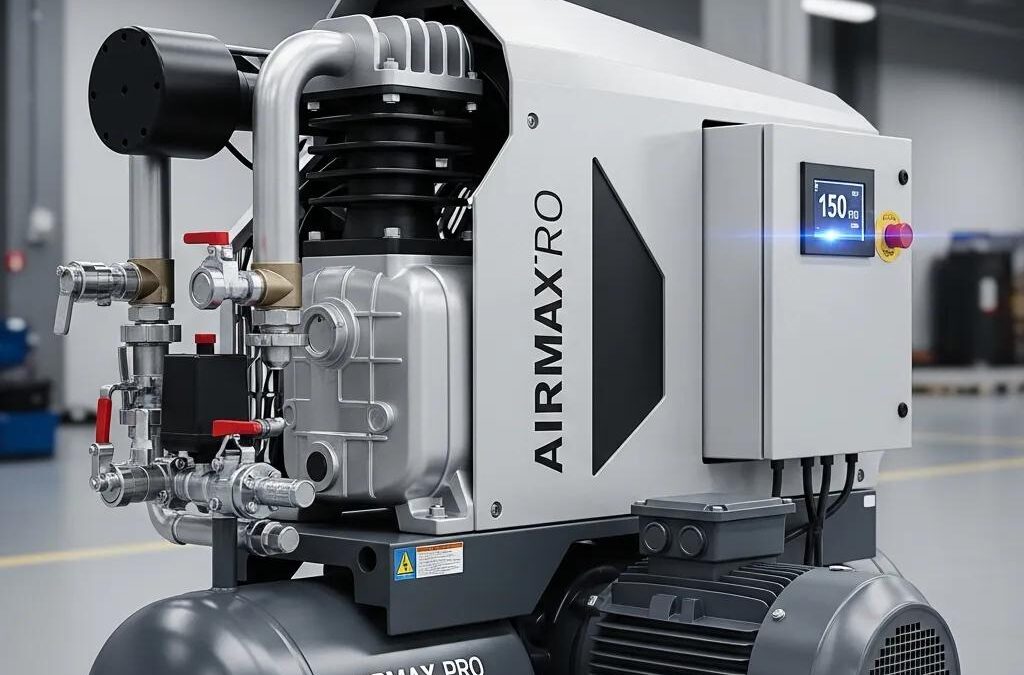
When it comes to high-pressure compressors, choosing the right one can significantly impact operational efficiency and safety. This article delves into the advantages of L&W Compressors, comparing them with leading competitors like Bauer and Coltri. Readers will learn about the unique features of select L&W Continuous-Duty Compressors, their performance in various applications, and key factors to consider when selecting a high-pressure compressor. Many users face challenges in finding reliable and efficient compressor systems that meet their specific needs. L&W Compressors offer tailored solutions that address these pain points effectively. We will explore the key advantages of L&W Compressors, how they stack up against competitors, and the factors to consider when making a selection.
What Are the Key Advantages of L&W Continuous-Duty Compressors?

Selected L&W Continuous-Duty Compressors are designed to provide exceptional performance and reliability in demanding environments. Their key advantages include:
- Telemetry Monitoring: Operators can detect issues like declining flow or abnormal vibrations before failures occur, allowing for proactive maintenance.
- Durability: The one-piece cast blocks enhance durability and reduce leak potential.
- High-Pressure Capability: Designed for sustained high-pressure fills, suitable for critical breathing-air systems.
- Project Management Support: Offers integrated continuous-operation systems with custom engineering and installation support.
- North American Support: Provides local assistance for installation and maintenance.
- Automated Operation: Features like electronic compressor control and auto shut-off enhance ease of use and efficiency.
- Custom Solutions: Tailored configurations based on specific operational profiles and requirements.
These advantages make select L&W Compressors a preferred choice for various industries, including diving, firefighting, and medical applications.
How Does Continuous-Duty Operation Enhance Compressor Performance?
Continuous-duty operation enhances compressor performance by allowing for longer run times without thermal compromise. This is achieved through robust mechanical components and optimized cooling strategies. Such designs enable compressors to maintain higher efficiency and reliability, reducing the need for complex parallel systems and lowering the total cost of ownership. Additionally, continuous-duty platforms support operational demands more effectively, ensuring that applications requiring consistent output, such as breathing-air systems, can operate reliably and efficiently.
What Robust Design Features Differentiate L&W Compressors?
L&W Compressors are differentiated by their robust design features, including:
- Continuous-Duty Capability: Certain models are engineered to run without frequent cool-down periods, utilizing lower RPM components and thermal management strategies to dissipate heat effectively.
- One-Piece Cast Blocks: This design improves durability and reduces the potential for leaks.
- Telemetry-Ready Systems: Allow for monitoring of performance metrics, enabling proactive maintenance and operational adjustments.
- Custom Engineering Support: Tailored solutions to meet specific operational and regulatory requirements, enhancing lifecycle cost and compliance.
- Enhanced Safety Features: Such as pressure monitoring and automatic shut-off systems to ensure safe operation.
These features contribute to improved uptime, reliability, and efficiency in industrial applications.
How Do L&W Compressors Compare to Leading Competitors Like Bauer and Coltri?
When comparing L&W Compressors to competitors like Bauer and Coltri, several performance differences emerge that can influence purchasing decisions. It is important to note that these differences may vary depending on specific models, configurations, and support options.
What Are the Performance Differences Between L&W and Bauer Compressors?
L&W Compressors generally offer telemetry monitoring capabilities that enable real-time performance tracking and predictive maintenance on select models. Bauer compressors also provide telemetry options, though the level of integrated monitoring can vary across their product range, which may affect maintenance planning. Additionally, some L&W continuous-duty designs allow for longer operational periods without overheating, making them well-suited for high-demand applications, though this capability depends on the specific compressor system chosen.
How Does L&W Stack Up Against Coltri in Industrial and Diving Applications?
In industrial and diving applications, L&W Compressors are frequently chosen for their high-pressure capabilities and custom engineering support, depending on user requirements and regional support availability. Coltri compressors, while effective and widely used, may not provide the same level of tailored solutions or local support in North America, which can be critical in emergency situations. User feedback suggests that L&W’s reliability and performance in demanding environments can meet or exceed those of Coltri in many cases, though outcomes may vary based on specific models and operational contexts, making them a strong option for professionals in these fields.
Which Factors Should You Consider When Choosing a High-Pressure Breathing Air Compressor?
Selecting the right high-pressure breathing air compressor involves several critical factors:
- Power Supply Compatibility: Ensure the compressor can operate with your available power sources.
- Pressure Requirements: Assess the maximum pressure needed for your specific applications.
- Air Quality Standards: Consider the filtration systems and air quality monitoring features to meet safety regulations.
How Do CFM, PSI, and Duty Cycle Impact Compressor Selection?
Understanding key metrics is essential for selecting the right compressor. CFM (Cubic Feet per Minute) measures the airflow rate, while PSI (Pounds per Square Inch) indicates the pressure output. The duty cycle refers to the compressor’s operational time versus rest time. Selecting a compressor with the appropriate CFM and PSI ratings ensures it meets your operational needs, while a suitable duty cycle guarantees reliability and efficiency.
What Role Does Air Purification and Monitoring Play in Compressor Choice?
Air quality is paramount in high-pressure applications, especially in industries like diving and medical. Effective air purification systems remove contaminants, ensuring the safety of the compressed air. Monitoring technologies, such as telemetry systems, provide real-time data on air quality, allowing for immediate action if standards are not met. Compliance with regulatory requirements, such as those from OSHA and CGA, is also crucial, making these features essential in the selection process.
The critical importance of maintaining precise air quality and monitoring for safety in such applications is further underscored by research into breathing gas production.
Ensuring Safety in High-Pressure Breathing Gas Production
Maintaining a stable carbon dioxide content below the established CTQ1 requirements in the process of obtaining breathing gas for hyperbaric oxygen conditions is essential for the safety of underwater work. This article discusses the subject of validation of a selected measuring system for on-line control of the breathing gas production process and describes the application of multidimensional sensory systems to control critical parameters of the production process in production systems intended for intensive use away from supply facilities.
Qualification of the carbon dioxide measurement system to supervise and improve the process of obtaining breathing gas for oxygen hyperbaric conditions, A Woźniak, 2019
How Does L&W Serve Industry-Specific Needs in Diving, Firefighting, and Medical Fields?
L&W Compressors are tailored to meet the specific needs of various industries, providing solutions that enhance operational efficiency and safety.
Why Are L&W Compressors Preferred for Diving and SCBA Fill Stations?
L&W Compressors are favored in diving and SCBA (Self-Contained Breathing Apparatus) fill stations due to their automated operation and safety features. The telemetry monitoring system helps ensure that air quality remains within safe limits, while the high-pressure capability allows for rapid filling of tanks. User testimonials highlight the convenience and reliability of L&W systems in critical situations, making them a top choice for many professionals.
What Solutions Does L&W Offer for Medical and Industrial Compressed Air Needs?
In the medical field, L&W offers oil-free compressors that meet stringent health standards, ensuring clean and safe air for patients. The telemetry monitoring feature allows for continuous oversight of air quality, providing peace of mind for healthcare providers. For industrial applications, L&W’s custom engineering solutions cater to specific operational requirements, enhancing compliance and efficiency.
What Are the Total Cost of Ownership and Maintenance Benefits of Choosing L&W Compressors?
Choosing L&W Compressors can lead to significant cost savings over time due to their design and operational efficiencies.
- Automated Operation: Reduces the need for manual intervention, lowering labor costs.
- Durability and Reliability: The robust design minimizes downtime and maintenance expenses.
- Preventive Maintenance Support: Telemetry systems facilitate proactive maintenance, preventing costly repairs.
How Does L&W’s Design Reduce Maintenance and Energy Costs?
L&W’s continuous-duty design and optimized components contribute to lower energy consumption and maintenance costs. By minimizing wear and tear through efficient operation, these compressors require less frequent servicing, translating to significant savings over their lifespan.
Further emphasizing the long-term value, studies highlight how robust design and proactive maintenance contribute to overall cost savings and system longevity.
High-Pressure Compressor Reliability & Maintenance Analysis
There are five high-pressure, desiccant drying systems using activated alumina desiccant. In total cost due to compressor replacement should be offset by cost savings in the long run.
Reliability and Maintainability analysis of a high air pressure compressor facility, 2013
What Support and Service Does LW Americas Provide in North America?
LW Americas offers comprehensive support services, including project management and local assistance for installation and maintenance. This ensures that customers receive timely help and tailored solutions, enhancing the overall user experience and operational efficiency.
What Are the Emerging Trends and Innovations in High-Pressure Compressor Technology?
The high-pressure compressor industry is evolving, with several trends shaping the future of compressor technology.
How Is Sustainability Influencing High-Pressure Compressor Design?
Sustainability is becoming a key focus in compressor design, with manufacturers increasingly adopting energy-efficient technologies. Innovations such as variable speed drives and advanced cooling systems help reduce energy consumption and environmental impact, aligning with global sustainability goals.
The drive for sustainability and efficiency in compressor design is further highlighted by research into developing robust compression systems for future low-emission requirements.
Designing Efficient & Robust High-Pressure Compression Systems
A highly efficient, robust compression system is a key part of any high-performance core engine that is to be developed for meeting future low emission requirements, i.e., for significant reductions in CO2, NOx, and other gaseous emissions. Not only does the compression system has to deliver the increased OPR demanded by the thermal cycle. It has to do so more efficiently to avoid excessive increases in cycle temperatures and weight to avoid reducing the benefit from the new cycle.
Compressors for ultra-high-pressure-ratio aero-engines, 2016
What Smart Technologies Are Integrated into Modern L&W Compressors?
Modern L&W Compressors incorporate smart technologies, including electronic control systems and telemetry for maintenance. These advancements enhance operational efficiency and provide users with valuable insights into performance metrics, allowing for informed decision-making and improved reliability.