
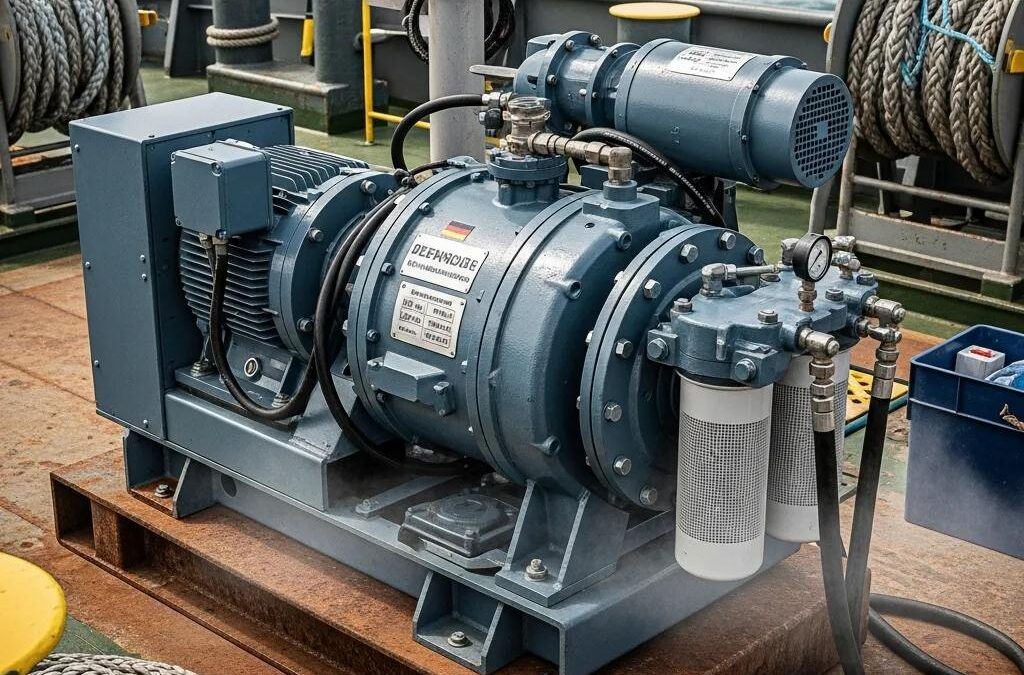
Why German-Engineered Compressors Excel in Marine Applications: Unrivaled Reliability, Performance, and Compliance
German-engineered compressors are renowned for their exceptional reliability and performance, particularly in marine applications where operational efficiency is critical. This article delves into the unique characteristics that set these compressors apart, focusing on their engineering excellence, continuous duty capabilities, corrosion resistance, and compliance with stringent air quality standards. Readers will gain insights into how these features contribute to the overall effectiveness of marine compressor systems, ensuring safety and efficiency in demanding environments.
The pursuit of reliability and efficiency in marine engineering has a long history, continuously driving advancements in critical components like compressors.
Marine Engine Design for Reliability & Efficiency
During the past 15-20 years, the market requirements and the keen competition in the marine sector have resulted in significant technical developments which have reduced the specific fuel oil consumption of large marine diesel engines to below 160 g/kWh and enabled these engines to burn heavy fuel oils of ever deteriorating quality, while still maintaining high reliability and low maintenance costs.
Design For Efficiency And Reliability, 1988
As marine operations often face challenges such as harsh conditions and the need for uninterrupted service, understanding the advantages of German-engineered compressors becomes essential for operators and decision-makers alike. We will explore the defining traits of these compressors, their operational benefits, and how companies like LW Americas support these advanced technologies.
What Defines German Engineering Excellence in Marine Compressors?
German engineering excellence in marine compressors is characterized by precision manufacturing, robust design, and a commitment to quality. These compressors are built to withstand the rigors of marine environments, ensuring reliability and longevity. The use of advanced materials and manufacturing techniques results in compressors that not only perform efficiently but also require less maintenance over time.
How Does Precision Manufacturing Enhance Marine Compressor Reliability?

Precision manufacturing enhances marine compressor reliability by utilizing robust mechanical components and optimized designs, such as one-piece cast blocks, which improve durability and reduce the potential for leaks. This manufacturing approach also supports continuous-duty platforms that can sustain long run times with predictable maintenance intervals, ultimately leading to lower total cost per delivered cubic foot and higher resilience for critical systems. Additionally, precision manufacturing allows for tailored configurations and custom engineering to meet specific operational demands, ensuring that compressors perform reliably under varying conditions.
What Are the Benefits of the L&W One-Piece Cast Block Design?
The L&W one-piece cast block design offers several advantages that enhance the performance and reliability of marine compressors. This design eliminates potential leak paths, improves heat dissipation, and enhances durability, making it ideal for continuous-duty applications. By reducing the number of components, the one-piece cast block also simplifies maintenance and minimizes the risk of mechanical failure, ensuring that compressors operate efficiently in demanding marine environments.
How Do German Marine Compressors Ensure Continuous Duty Operation?
German marine compressors ensure continuous duty operation through several design features and innovations. They incorporate energy efficiency improvements such as variable-speed drives and optimized compression staging, which reduce power consumption while maintaining or increasing delivered flow. This design minimizes thermal stress, allowing for longer run times.
Additionally, continuous-duty platforms utilize robust mechanical components and advanced cooling strategies, including improved head designs and one-piece cast blocks, which enhance durability and reduce maintenance needs. These features enable the compressors to operate reliably over extended periods, making them suitable for critical applications like breathing-air systems.
Moreover, the integration of IoT-enabled monitoring allows for real-time tracking of key performance indicators, enabling predictive maintenance and performance optimization. This proactive approach helps maintain uptime and ensures that the compressors can operate continuously without unexpected failures.
Why Is Continuous Duty Critical for Marine Applications?
Continuous duty is critical for marine applications because it ensures reliable and uninterrupted operation, particularly in safety-critical systems like breathing air for diving and firefighting. These applications require continuous availability and specific pressure ratings to meet safety and operational demands. Continuous-duty platforms are designed to handle long run times with predictable maintenance intervals, which is essential for maintaining air purity and operational efficiency in high-pressure environments. Additionally, the robust mechanical components and cooling strategies of continuous-duty systems help sustain performance under demanding conditions, making them suitable for multi-station operations often found in marine settings.
How Do L&W Compressors Compare to Competitors in Run Time and Durability?
L&W compressors are designed for superior run time and durability compared to many competitors. Their continuous-duty design allows for extended operation without the need for frequent maintenance, which is a significant advantage in marine applications where downtime can be costly. The use of high-quality materials and advanced engineering techniques ensures that L&W compressors can withstand harsh marine environments, providing reliable performance over time. Customer feedback often highlights the longevity and efficiency of L&W compressors, reinforcing their reputation as a leading choice in the industry.
What Role Does Corrosion Resistance Play in German-Engineered Marine Compressors?
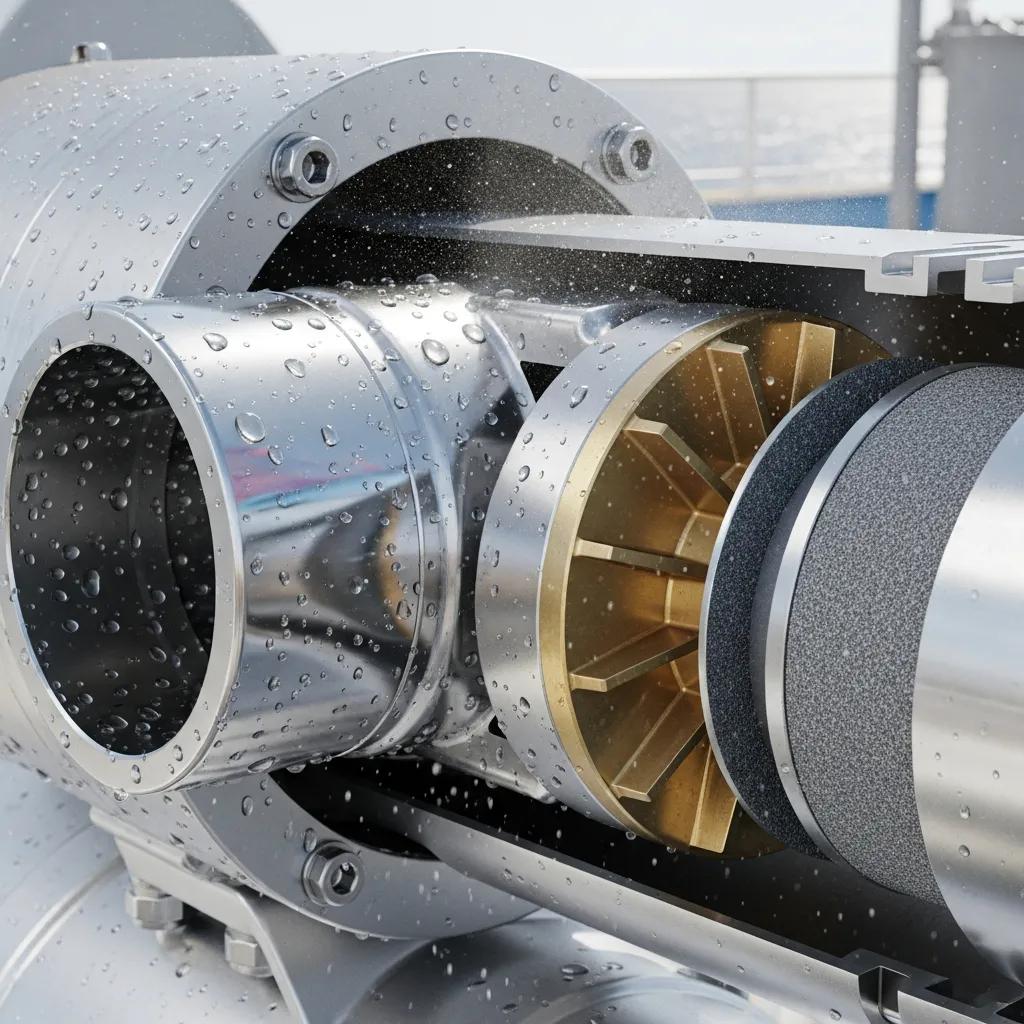
Corrosion resistance is a vital aspect of German-engineered marine compressors, as these systems often operate in harsh saltwater environments. The materials and design features used in these compressors are specifically chosen to provide superior protection against corrosion, ensuring longevity and reliability.
Which Materials and Design Features Provide Superior Saltwater Protection?
German-engineered marine compressors utilize a variety of corrosion-resistant materials, including stainless steel and specialized coatings, to protect against saltwater damage. These materials are selected for their ability to withstand the corrosive effects of marine environments, ensuring that the compressors maintain their structural integrity over time. Additionally, design features such as sealed components and protective casings further enhance the compressors’ resistance to corrosion, making them suitable for long-term use in challenging conditions.
How Does Corrosion Resistance Extend Compressor Lifespan in Harsh Environments?
Corrosion resistance significantly extends the lifespan of compressors operating in harsh marine environments. By preventing corrosion-related damage, these compressors can maintain optimal performance levels for longer periods, reducing the need for frequent replacements or repairs. This longevity translates into cost savings for operators, as they can rely on their compressors to perform effectively without the constant burden of maintenance. Furthermore, the enhanced durability of corrosion-resistant compressors contributes to overall operational efficiency, ensuring that critical systems remain functional even in the most demanding conditions.
How Do German Compressors Meet and Exceed Marine Breathing Air Quality Standards?
German compressors are designed to meet and often exceed stringent marine breathing air quality standards, ensuring the safety and health of personnel in critical applications. Compliance with these standards is essential for operations such as diving and firefighting, where air quality directly impacts safety.
What Is ISO 8573-1 and Why Is It Essential for Marine Breathing Air?
ISO 8573-1 is a standard that specifies the quality of compressed air, including limits on contaminants such as total hydrocarbons, carbon monoxide (CO), moisture, and particulates. It is essential for marine breathing air because it ensures that the air supplied for breathing meets safety and health standards, which is critical in environments where air quality can directly impact the safety of divers and personnel. Adhering to this standard helps prevent health risks associated with contaminated air, making it vital for applications like diving and firefighting.
How Do L&W Filtration and Purification Systems Ensure Air Purity?
L&W Filtration and Purification Systems ensure air purity by integrating purification modules into their compressor systems. These modules are designed to handle variable gas quality and ensure that the compressed air meets specific purity standards required for various applications. Additionally, the systems include monitoring capabilities that allow for proactive maintenance and verification of air quality, helping to maintain compliance with adopted standards. This structured approach to filtration and monitoring supports the overall integrity and safety of the compressed air systems.
What Applications Benefit Most from High-Pressure German Marine Compressors?
High-pressure German marine compressors benefit applications such as scuba diving, firefighting (specifically for SCBA fill stations), and maritime/offshore operations. These compressors are essential for generating compressed air to required pressures and flow rates, ensuring safe and efficient filling of breathing air systems.
How Are Compressors Used in Diving, Firefighting, and Yacht Air Systems?
Compressors are used in diving, firefighting, and yacht air systems primarily for compressing ambient air to high pressure, filtering contaminants, and storing the compressed air for safe filling of SCBA cylinders or diving tanks.
In diving, compressors like the YachtPro™ Essential (YP100) automate the filling process, allowing users to connect tanks and fill them to a programmed pressure without constant supervision.
In firefighting, SCBA fill stations utilize high-pressure compressors combined with multi-stage purification systems to ensure the air quality meets health and safety standards. These systems support rapid refills of SCBA cylinders, enhancing crew readiness and operational efficiency.
For yacht air systems, compressors are integrated to provide compressed air for various onboard needs, including scuba diving, ensuring that the system is designed for ease of use and reliability while sailing.
Overall, compressors play a critical role in ensuring the availability of safe, high-quality breathing air across these applications.
What Advantages Do German Compressors Offer for Industrial and Offshore Marine Uses?
The advantages of German compressors for industrial and offshore marine uses include:
- Automation: Many models, like the YachtPro™ Essential (YP100), are fully automated, allowing users to focus on other tasks while the compressor fills tanks to the programmed pressure.
- Variable Frequency Drive (VFD): This feature helps manage the inrush current when starting the electric motor, enhancing efficiency.
- Continuous-Duty Operation: Designed for sustained high-pressure fills, these compressors support continuous operation, which is crucial for industrial and marine applications.
- Monitoring Systems: Advanced monitoring capabilities, such as telemetry for detecting performance issues, ensure reliability and proactive maintenance.
- Durability: Features like one-piece cast blocks contribute to the robustness and longevity of the compressors, making them suitable for harsh marine environments.
- Custom Engineering Support: Many suppliers offer tailored solutions and project management, ensuring that the compressor system meets specific operational needs and standards.
How Does LW Americas Support and Innovate German-Engineered Marine Compressor Solutions?
LW Americas supports and innovates German-engineered marine compressor solutions by offering tailored high-pressure solutions, project management services, and responsive North American support. They provide custom designs, 2D/3D drawings, and equipment selection to meet specific customer needs. Their product portfolio includes continuous-duty high-pressure compressors and gas systems optimized for reliability and lower maintenance needs, which are essential for life-safety applications. Additionally, LW Americas emphasizes adherence to recognized standards, such as NFPA 1989, while accommodating local regulations, ensuring that their solutions align with safety and operational requirements.
What Customization and Project Management Services Are Available?
LW Americas offers customization and project management services that include:
- Requirements Capture: Understanding specific needs for compressor solutions.
- Compressor Selection: Choosing the right compressor based on site-specific constraints and performance targets.
- Engineering Design: Tailoring designs to meet unique operational and regulatory requirements.
- Packaging: Customizing the physical configuration of the compressor system.
- Site Support: Providing assistance during installation and integration with existing systems.
How Does the North American Service Network Enhance Compressor Maintenance and Parts Availability?
The North American Service Network enhances compressor maintenance and parts availability through several key strategies. They provide professional sizing support and project management services that include custom engineering and installation-ready layouts, ensuring that compressors are tailored to specific operational demands. This approach helps in maintaining optimal performance and serviceability.
Additionally, the network leverages advancements in technology, suchs as IoT and predictive maintenance tools, which allow for real-time monitoring of compressor performance metrics. This capability enables operators to transition from reactive to predictive maintenance models, improving uptime and reducing unexpected failures. By focusing on total cost of ownership and integrating smart monitoring solutions, the network ensures that parts and maintenance services are readily available, thus enhancing overall reliability and efficiency in compressor operations.