
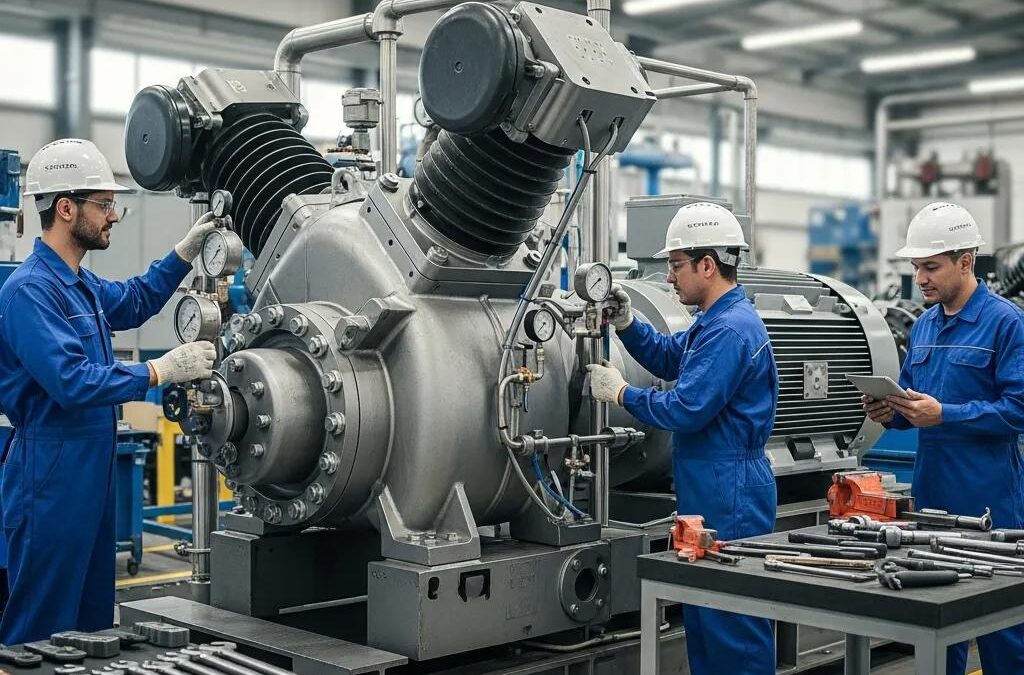
High-Pressure Compressor Maintenance Best Practices: Comprehensive Service and Preventive Care for Optimal Performance
High-pressure compressors are critical components in various industrial applications, requiring diligent maintenance to ensure optimal performance and longevity. This article delves into the best practices for high-pressure compressor maintenance, focusing on preventive care strategies that can significantly enhance reliability and efficiency. Readers will learn about essential maintenance schedules, key component upkeep, industry-specific requirements, and advanced monitoring technologies that are transforming maintenance practices. By understanding these best practices, operators can mitigate risks, reduce downtime, and extend the lifespan of their compressor systems.
The importance of regular maintenance cannot be overstated, as it directly impacts operational efficiency and safety. This guide will cover essential preventive maintenance schedules, the maintenance of key components, industry-specific requirements, troubleshooting common issues, and the role of professional services. Additionally, we will explore how advanced monitoring technologies are reshaping maintenance strategies in the industry.
Note: Maintenance intervals, continuous-duty applicability, and component service schedules vary by compressor model, configuration, and application. Operators should always follow the specific guidance provided by the compressor manufacturer to ensure optimal care and compliance.
What Are the Essential Preventive Maintenance Schedules for High-Pressure Compressors?
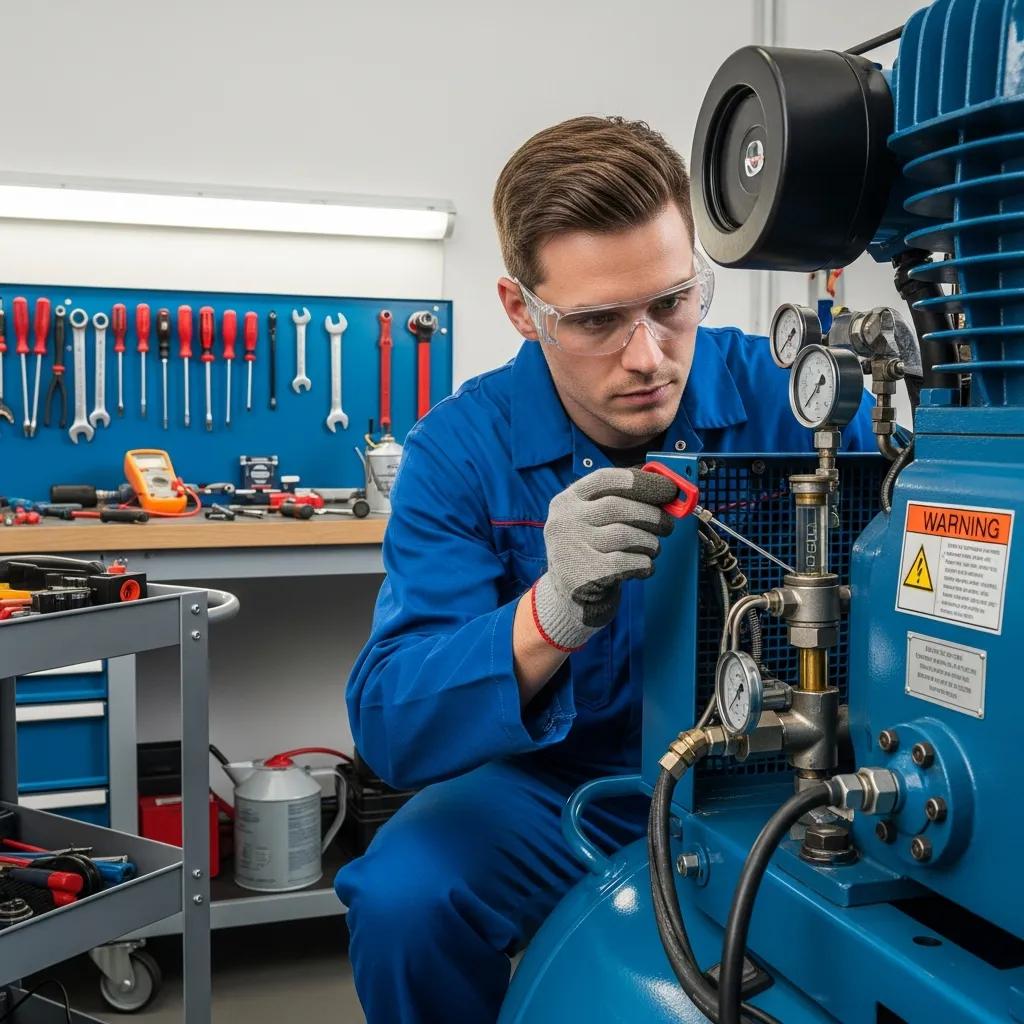
Preventive maintenance schedules are vital for ensuring the reliability and efficiency of high-pressure compressors. These schedules typically include daily, weekly, monthly, quarterly, and annual tasks designed to identify and address potential issues before they escalate into costly failures.
Which Daily and Weekly Checks Ensure Continuous-Duty Compressor Reliability?
Daily and weekly checks are crucial for maintaining continuous-duty compressor reliability. These checks typically include:
- Visual Inspections: Regularly inspect the compressor for any signs of wear, leaks, or unusual noises.
- Oil Level Checks: Ensure that the oil levels are within the recommended range to prevent overheating and mechanical failure.
- Moisture Trap Drainage: Drain moisture from traps to prevent contamination and maintain air quality.
These routine checks help identify potential issues early, ensuring that the compressor operates smoothly and efficiently.
How Do Monthly, Quarterly, and Annual Maintenance Tasks Extend Compressor Lifespan?
Monthly, quarterly, and annual maintenance tasks play a significant role in extending the lifespan of high-pressure compressors. Key activities include:
- Replacing Filters and Seals: Regular replacement of filters and seals prevents contamination and maintains optimal performance.
- Calibrating Sensors: Quarterly calibration of sensors ensures accurate readings and helps in maintaining system reliability.
- Conducting Major Inspections: Annual inspections allow for a comprehensive assessment of the compressor’s condition, identifying any necessary repairs or replacements.
By adhering to these maintenance schedules, operators can significantly reduce the risk of breakdowns and enhance the overall health of their compressor systems.
How Should Key Components Be Maintained in High-Pressure Compressor Systems?
Key components in high-pressure compressor systems require proactive maintenance to ensure optimal performance. This involves monitoring telemetry trends and conducting regular inspections to detect issues before they lead to failures.
What Are Best Practices for High-Pressure Compressor Oil Changes and Air Filter Replacements?
- Routine Checks: Implement daily visual inspections, oil level checks, and moisture trap drainage. Weekly, monitor differential pressure across filters and verify alarms and gauges.
- Scheduled Replacements: Follow manufacturer recommendations for filter replacements based on operational hours. Monthly or quarterly tasks should include calibrating sensors and recording compressor hours.
- Documentation: Maintain records of maintenance tasks, including dates, technician details, compressor hours, filter part numbers, and test results to support compliance audits.
- Preventive Maintenance: Develop a maintenance schedule that aligns with duty cycles and manufacturer guidance, ensuring timely oil changes and filter replacements to prevent failures.
- Troubleshooting Protocols: Start with basic diagnostics and escalate to manufacturer support for specialized issues, ensuring filters and seals are replaced before failure.
These practices help ensure system reliability and readiness for audits.
How Is Safety Valve Testing and Breathing Air Purification System Maintenance Performed?
Safety valve testing and maintenance of breathing air purification systems are critical for ensuring compliance with safety standards. Regular testing protocols should include:
- Functional Testing: Conduct tests to ensure that safety valves operate correctly under pressure.
- Inspection of Purification Systems: Regularly inspect and maintain air purification systems to ensure they meet air quality standards.
- Documentation of Results: Keep detailed records of testing and maintenance activities to demonstrate compliance with safety regulations.
These measures are essential for maintaining the safety and reliability of high-pressure compressor systems.
What Are Industry-Specific Maintenance Requirements for High-Pressure Compressors?
Industry-specific maintenance requirements for high-pressure compressors vary based on application and regulatory standards. Key considerations include:
- Monitoring Quality Parameters: Compressor controls must support the monitoring of quality parameters such as total hydrocarbons, CO, moisture, and particulate limits to comply with applicable breathing air guidelines.
- Routine Sampling: Regular sampling of the air quality is necessary to ensure compliance with safety standards.
- Engineering Review: A thorough engineering review is essential due to the safety-critical nature of breathing air systems.
- Telemetry and Proactive Maintenance: Utilizing telemetry to analyze trends can help detect issues like declining flow or abnormal vibrations before failures occur, allowing for proactive maintenance scheduling.
- Calibration and Safety Checks: Regular checks and maintenance of pressure sensors and calibration of gauges are critical to ensure safe operating pressures and prevent over-pressurization.
- Redundancy Strategies: In critical applications, redundancy strategies such as standby compressors or automatic switchover systems are important to prevent production halts or ensure patient safety.
- Custom Engineering and Lifecycle Planning: Custom engineering may be required for specific applications, along with lifecycle maintenance planning to ensure long-term operational reliability.
These requirements vary between industrial and medical applications, reflecting the different safety and operational priorities in each context.
How Do Diving Compressors Meet Preventive Maintenance and Air Quality Standards?
Diving compressors meet preventive maintenance and air quality standards by incorporating features such as controlled pressure, certified filtration, and adherence to recognized air quality standards. These standards specify limits for total hydrocarbons, carbon monoxide (CO), moisture, and particulates. Continuous-duty high-pressure compressors are designed for sustained operation, which enhances reliability and safety. They also utilize robust mechanical designs and thermal management strategies to ensure consistent performance and compliance with air quality requirements, particularly for applications like breathing air systems.
What Are Firefighting and Medical Compressor Maintenance Protocols for Safety Compliance?
Firefighting and medical compressor maintenance protocols emphasize safety compliance through:
- Regular Testing and Inspections: Conducting routine tests to ensure that compressors meet safety standards.
- Documentation of Maintenance Activities: Keeping detailed records of all maintenance activities to demonstrate compliance with regulatory requirements.
- Training for Personnel: Ensuring that personnel are trained in safety protocols and emergency procedures related to compressor operation.
These protocols are essential for maintaining safety in critical applications.
How Can Common High-Pressure Compressor Issues Be Diagnosed and Troubleshot Effectively?
Diagnosing and troubleshooting common high-pressure compressor issues is essential for maintaining operational efficiency. Key strategies include:
What Are Typical Faults and Their Immediate Fixes in High-Pressure Systems?
Common faults in high-pressure systems can often be addressed with immediate fixes. Typical issues include:
- Pressure Drops: Check for leaks in the system and ensure that all connections are secure.
- Unusual Noises: Investigate potential mechanical failures or misalignments in the compressor components.
- Overheating: Ensure proper lubrication and cooling systems are functioning effectively.
By addressing these faults promptly, operators can prevent more significant issues from developing.
How Is Compressor Overheating Diagnosed and Prevented?
Compressor overheating can be diagnosed and prevented through:
- Monitoring Temperature: Regularly check temperature readings to identify any abnormal increases.
- Adjusting Operational Parameters: Ensure that the compressor operates within the recommended parameters to prevent overheating.
- Routine Maintenance: Conduct regular maintenance on cooling systems and lubrication to ensure optimal performance.
These preventive measures are crucial for maintaining the longevity and efficiency of high-pressure compressors.
What Professional Services and Genuine Parts Support High-Pressure Compressor Maintenance?
Professional services and genuine parts are essential for effective high-pressure compressor maintenance. Utilizing certified technicians and high-quality components ensures that maintenance tasks are performed to the highest standards.
How Do LW Americas’ Certified Technicians Enhance Compressor Service and Repair?
- Extensive Training: Technicians undergo rigorous training to stay updated on the latest maintenance practices and technologies.
- Expertise in Troubleshooting: Their experience allows for quick identification and resolution of issues, minimizing downtime.
- Use of Genuine Parts: Utilizing genuine parts ensures compatibility and reliability, extending the lifespan of the compressor.
This level of expertise is crucial for maintaining the operational efficiency of high-pressure compressors.
Where Can Operators Find Genuine Spare Parts and Maintenance Kits for High-Pressure Compressors?
- Authorized Dealers: Purchasing from authorized dealers ensures that parts meet manufacturer specifications.
- Online Availability: Many suppliers offer online ordering for convenience and quick access to necessary components.
- Local Distributors: Local distributors can provide immediate access to parts, reducing downtime during maintenance.
These sources are vital for ensuring that operators have the necessary components for effective maintenance.
How Are Advanced Monitoring Technologies Transforming High-Pressure Compressor Maintenance?

Advanced monitoring technologies are transforming high-pressure compressor maintenance by enabling a shift from reactive to predictive service models. IoT and predictive maintenance tools provide real-time telemetry data such as vibration, temperature, and flow rates, allowing operators to monitor key performance indicators (KPIs). This data helps in identifying potential issues before they lead to failures, thereby improving uptime and optimizing maintenance schedules.
What Role Do IoT and Predictive Maintenance Play in Continuous-Duty Compressor Care?
IoT and predictive maintenance play a significant role in continuous-duty compressor care by enabling operators to transition from reactive to predictive service models. These technologies provide telemetry data such as vibration, temperature, and flow rates, which help in monitoring the compressor’s performance and identifying potential issues before they lead to failures. This proactive approach improves uptime and informs maintenance decisions, ultimately enhancing the total cost of ownership and operational efficiency.
Further emphasizing the transformative impact of these technologies, research highlights how predictive maintenance, powered by IoT and machine learning, is revolutionizing industrial compressor care.
Industry 4.0 Predictive Maintenance for Industrial Compressors
In the era of Industry 4.0, predictive maintenance has become a cornerstone for ensuring operational efficiency, minimizing downtime, and extending the lifespan of industrial equipment. This paper presents a comprehensive approach to predictive maintenance and real-time monitoring of industrial air compressors using machine learning techniques integrated with Internet of Things (IoT) infrastructure.
Predictive Maintenance and Monitoring of Industrial Compressors Using Machine Learning: A Proactive Approach, P Dwivedi, 2025
How Does Remote Monitoring Improve Compressor Performance and Prevent Downtime?
Remote monitoring improves compressor performance and prevents downtime by enabling predictive maintenance through the collection and analysis of key performance indicators (KPIs) such as flow rate, motor load, vibration, coolant temperature, and oil condition. This telemetry allows operators to detect potential issues, such as declining flow rates or abnormal vibrations, before they lead to failures. By transitioning from reactive to predictive service models, operators can schedule maintenance interventions proactively, reducing unplanned downtime and extending the life of the compressor. Additionally, smart monitoring enhances decision-making regarding specifications and maintenance, ultimately improving uptime and operational efficiency.