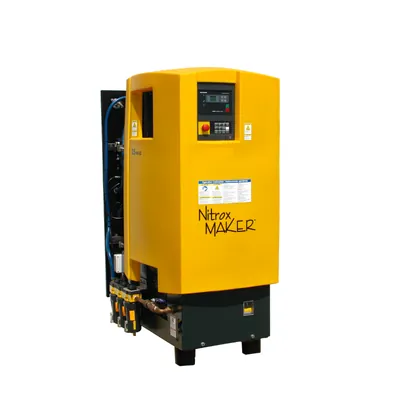
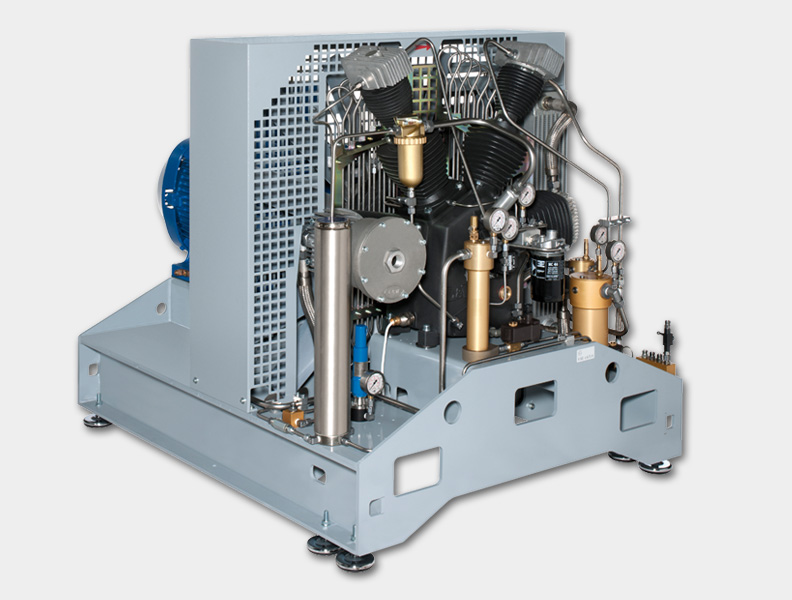
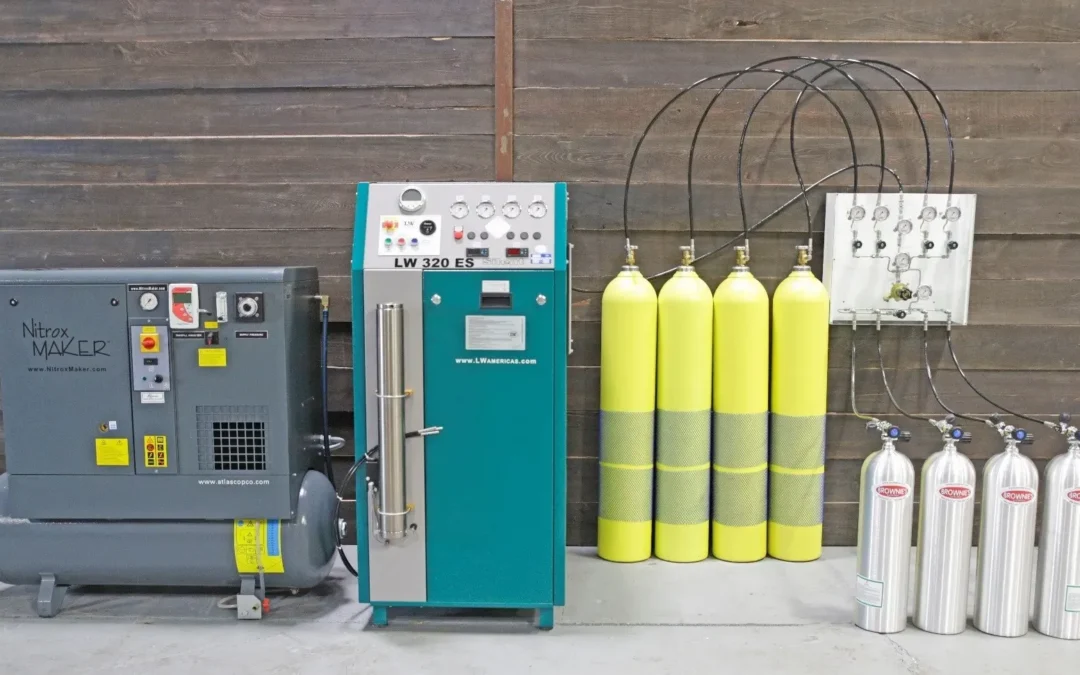
Membrane nitrox systems from LW Americas, a division of Brownie’s Marine Group, Inc., deliver continuous EANx blending sized to the complete air system: low-pressure feed, compatible membrane output, and high-pressure compressor capacity, matched to duty cycle. Correct sizing accounts for required EANx percentage, fill volume, and fill schedule, not membrane input alone. Contact info@lwamericas.com, Davie, Florida, Monday–Friday 8:30am–5:00pm, for system specifications and duty-rated configurations.
Membrane nitrox generation sizes on-demand EANx for high-duty operations by matching semi-permeable membrane output, up to EANx40, to daily fill volume and diver load. LW Americas specifies and integrates continuous blending systems paired with compatible high-pressure compressors. The pairing helps liveaboard fleets and resort dive centers maintain consistent oxygen percentages without manual batch mixing delays, provided the finished mix is analyzed and verified before use.
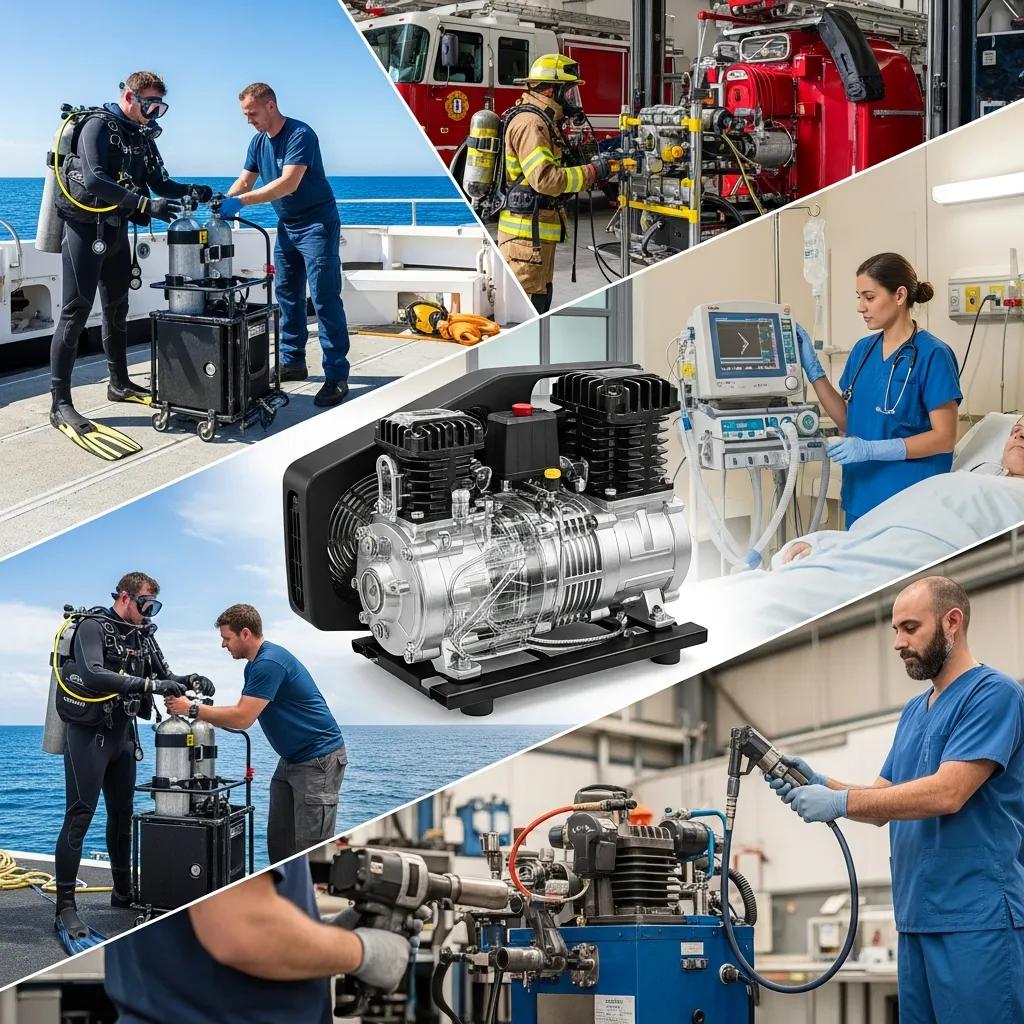
Industrial Applications for High-Pressure Compressors
Membrane nitrox systems produce enriched air mixtures up to 40% oxygen content, with the specific percentage governed by the dive program’s oxygen exposure limits and dive plans.
LW Americas sizes on-demand EANx systems around the complete air path: required EANx percentage, fill volume and schedule, compatible membrane output, low-pressure feed, and high-pressure compressor capacity.
Continuous blending technology reduces manual batch-mixing intervention, supporting more consistent fill operations for high-duty diving programs.
The final cylinder mix must always be analyzed and verified before use, regardless of how it was blended.
Our nitrox generation systems support dive shops, boats, liveaboards, resorts, and commercial diving programs.
Why Does Membrane Nitrox Matter For High-Duty Fleets?
Reliable oxygen enrichment separates a functioning fleet from a grounded one. High-duty diving programs depend on enriched air to extend bottom time and shorten surface intervals across multiple daily rotations. A nitrox compressor paired with membrane technology delivers that enrichment without relying on batch mixing or delayed cylinder turnaround.
At the core of this capability sits the membrane nitrox generator. It uses a semi-permeable membrane to separate oxygen from nitrogen, producing enriched air nitrox on demand rather than through stored premixed batches. Dive operations depend on this separation process specifically to raise the oxygen content of the breathing gas supplied to divers, which directly affects dive planning and no-decompression limits.
How Much Nitrox Can A Fleet Realistically Produce?
Membrane systems operate up to 40 percent nitrox output, giving operators flexibility across a range of recreational dive profiles. The oxygen exposure limits and dive plan for a given operation, not the membrane’s maximum output, determine which percentage within that range is appropriate for a specific dive. Whatever percentage a system produces, the finished mix in each cylinder must be analyzed and verified before it is used.
What Vessel Types Benefit Most From On-Demand Nitrox?
Configurations exist for:
Dive shops and shore-based training centers
Dive boats and day-charter operations
Liveaboards and expedition vessels
Yachts and private charter fleets
Resorts and commercial diving programs
Each configuration sizes to the operation’s existing high-pressure compressor and daily filling volume. This scalability supports continuous gas blending and reliable nitrox diving equipment performance, regardless of fleet size or duty cycle. LW Americas configures and ships these systems to high-duty operations wherever consistent enriched-air output is required.
How Do You Size A Membrane Nitrox Generator?
Correct sizing starts with the required EANx percentage, fill volume, and fill schedule for the operation, not with membrane capacity alone. The membrane’s rated output sets the total volume of nitrox a continuous-duty system delivers, but high-duty operations, including liveaboard fleets and resort filling stations, cannot size a system on membrane nameplate output by itself. The membrane vents nitrogen as waste, so it must be fed conditioned, low-pressure air at a rate considerably higher than the finished nitrox volume leaving the unit. High-pressure storage does not feed the membrane; it receives the finished mixture downstream, after blending.
That low-pressure air supply, not the compressor’s horsepower rating in isolation, is a deciding factor in sizing. It determines the size of the low-pressure compressor feeding the membrane and, together with the required EANx percentage and daily fill demand, the size of the high-pressure compressor that fills cylinders or storage from the membrane’s output. Air demand at the low-pressure feed rises as the target oxygen percentage climbs, so the complete system, low-pressure feed, membrane, and high-pressure compressor, must be sized together around the operation’s actual EANx and volume requirements.
What Determines Whether Membrane Technology Fits A Fleet’s Duty Cycle?
Membrane technology suits high-volume, high-duty nitrox production because it separates nitrogen from ambient air continuously rather than in discrete batches. A membrane nitrox generator conditions and separates compressed air into an oxygen-enriched stream feeding a compatible high-pressure compressor. For operators sizing a system, three questions matter most:
What nitrox percentage does the dive program require?
How many fill stations run simultaneously?
What air volume must the compressor supply to the membrane inlet?
Answering these accurately prevents undersized systems from bottlenecking fleet-wide fill schedules.
What Keeps Nitrox Diving Equipment Running Nonstop?
Storage capacity, not compressor speed alone, determines whether a fleet keeps pace with a full dive roster. High-duty operations sites often run multiple boats and back-to-back charters, so fill schedules separate reliable operations from bottlenecked ones. Cascade storage banks stage pre-compressed gas ahead of demand, which helps operators manage peak dive schedules without waiting on a full compressor cycle between fills.
Why does cascade storage matter for high-duty dive operations?
Cascade banks stage pre-compressed gas so operators avoid waiting on compressor cycles between dives. This supports continuous gas blending during back-to-back trips, keeping cylinders ready without downtime between groups.
Gas quality control matters as much as fill speed: every finished cylinder must be analyzed and verified for its actual oxygen content before it is released to a diver.
A membrane nitrox generator separates oxygen from conditioned, low-pressure ambient air; a high-pressure compressor then draws the enriched mixture from the membrane and compresses it into scuba cylinders or storage tanks. Together, storage capacity, blending accuracy, and generator output form the backbone of dependable nitrox diving equipment for demanding vessel schedules, provided every finished mix is verified before use.
FAQ
What oxygen range does membrane nitrox generation produce?
Membrane systems generate enriched air up to 40% oxygen content. The specific percentage suitable for a given dive is governed by the operation’s oxygen exposure limits and dive plan, not by the membrane’s maximum output, and the finished mix in each cylinder must be analyzed and verified before use.
What factor actually determines nitrox system sizing?
Sizing starts with the operation’s required EANx percentage, fill volume, and fill schedule. From there, the low-pressure air feed to the membrane, the membrane’s compatible output, and the high-pressure compressor capacity all have to be matched together, since the membrane vents nitrogen as waste and needs low-pressure air supplied well above the finished nitrox volume it delivers. Air demand at the low-pressure feed rises as the target oxygen percentage climbs, so no single component, including compressor horsepower, determines sizing on its own.
Which operations can use LW Americas’ on-demand nitrox systems?
Configurations serve dive shops, dive boats, liveaboards, yachts, resorts, and commercial diving programs. LW Americas sizes each system to the operation’s existing high-pressure compressor and daily filling volume.
Conclusion
In closing, membrane nitrox generation and continuous blending offer high-duty operations an alternative to strict batch mixing for producing enriched air. Right-sizing a system means matching the low-pressure air feed, membrane output, and high-pressure compressor capacity to the operation’s actual EANx percentage, fill volume, and schedule, not to any single component in isolation. Whatever percentage a system is configured to produce, the oxygen exposure limits and dive plan for the operation govern its use, and every finished cylinder must be analyzed and verified before it reaches a diver. For organizations evaluating their compressed gas infrastructure, sizing the complete system around these operational requirements is the starting point for a reliable installation.
Industrial hydrogen compressors are pivotal in advancing clean energy solutions. These technologies enable the efficient compression of hydrogen gas, a crucial component in various applications, including fuel cells and renewable energy systems. In this article, we will delve into the principles of operation, efficiency enhancements, environmental impacts, and the significant role hydrogen plays in clean energy. As organizations strive to transition away from fossil fuels, understanding the benefits and applications of industrial hydrogen compressor technology becomes increasingly vital.
The challenges faced by industries in reducing carbon emissions highlight the importance of effective hydrogen compression systems. Here, we will explore how these systems function, their advantages, and future innovations within this critical sector.
Principles of Operation:
Hydrogen compressors operate through a multi-stage compression process that significantly increases the pressure of hydrogen gas. This process is essential for various applications, from industrial uses to energy storage. The operation of these compressors involves the use of intercooling systems, which are crucial for maintaining efficiency and preventing overheating during compression. Additionally, precision valves play a critical role in controlling the flow of hydrogen, ensuring optimal performance and safety.
Multi-Stage Compression Process
The multi-stage compression process utilizes several stages to gradually increase the hydrogen gas pressure, optimizing energy use while minimizing heat generation. Each stage involves compressing the gas before moving it to the next stage, where additional pressure is applied, ultimately achieving the desired high pressures necessary for storage or industrial applications.
Role of Intercooling
Intercooling helps manage the temperature of the compressed hydrogen gas, reducing the overall energy consumption of the compression process. By dissipating heat generated during compression, intercooling contributes to improved efficiency and longevity of the compressor system.
Importance of Precision Valving
Precision valves are vital for regulating the flow of hydrogen. They ensure the system operates within safe and optimal parameters, preventing potential leaks and ensuring efficient compression. This specialization enhances overall system reliability and performance.
Hydrogen-Specific Engineering Challenges
Compressing hydrogen presents engineering challenges that differ substantially from those encountered with conventional industrial gases. LW Americas specifies, supplies, integrates, and supports high-pressure hydrogen compressor systems engineered to address these challenges directly, rather than adapting general-purpose compression equipment to hydrogen service.
Hydrogen Embrittlement
Hydrogen embrittlement occurs when atomic hydrogen diffuses into metal components, reducing ductility and increasing susceptibility to cracking under mechanical stress. High-pressure hydrogen compressor systems must be engineered with embrittlement-resistant alloys and design practices that account for cyclic loading, weld integrity, and long-term material degradation, particularly in components subjected to sustained high-pressure hydrogen exposure.
Hydrogen Permeation and Leakage Control
Hydrogen’s small molecular size allows it to permeate through materials and escape through seals, fittings, and joints more readily than heavier industrial gases. Leakage control therefore requires compressor designs incorporating low-permeability materials, engineered sealing systems, and rigorous joint and fitting specifications to maintain system integrity and minimize hydrogen loss over the operating life of the equipment.
Seal Design for Hydrogen Service
Seal design is a critical differentiator between hydrogen compressors and compressors intended for other gases. Dynamic seals, such as those used in reciprocating compressor piston rods, must be engineered specifically for hydrogen’s low viscosity and high permeability to limit leakage while withstanding repeated compression cycles. Compressor technologies that eliminate dynamic seals entirely, such as diaphragm and certain electrochemical designs, are often selected for applications where leak-tight operation is a primary requirement.
Material Compatibility
Material selection for hydrogen compressor components must account for compatibility with hydrogen at the pressures and temperatures involved in the application, including resistance to embrittlement, permeation, and corrosion. LW Americas works with proven, hydrogen-compatible materials and component specifications when engineering compressor systems, ensuring that material choices are matched to the specific pressure, duty cycle, and service conditions of each installation.
Effects of Hydrogen’s Low Molecular Weight
Hydrogen’s low molecular weight affects compressor design in ways not present with heavier gases, including higher required compression ratios per stage, increased potential for leakage past seals and clearances, and distinct considerations for valve and cylinder design in reciprocating systems. Compressor systems must be engineered around these characteristics rather than treated as a direct substitution for equipment designed for other process gases.
Comparing Hydrogen Compressor Technologies
No single compressor technology is optimal for every hydrogen application. LW Americas specifies and integrates the technology best matched to each installation’s required pressure, flow rate, purity standard, and duty cycle, rather than defaulting to a single design across all projects.
Reciprocating Compressors
Reciprocating compressors use pistons to compress hydrogen in discrete stages and are widely used where high pressures and moderate-to-high flow rates are required, such as hydrogen fueling stations and industrial supply. Their dynamic seals must be engineered specifically for hydrogen service, and duty cycle, maintenance planning, and seal replacement intervals are important design considerations.
Diaphragm Compressors
Diaphragm compressors use a flexing metal diaphragm to compress hydrogen without direct contact between moving parts and the gas, eliminating dynamic seals around the compressed gas path. This design is often selected for applications demanding very high purity and minimal leakage, such as high-purity industrial processes and certain fueling and laboratory applications, though throughput is generally lower than reciprocating designs.
Electrochemical Compressors
Electrochemical compressors use an electrochemical cell to move hydrogen ions across a membrane, compressing hydrogen without mechanical moving parts while simultaneously purifying it. This technology is typically applied in lower-flow, high-purity contexts where combined compression and purification in a single step offers a practical advantage over mechanical alternatives.
Selecting the Right Technology
Choosing among these technologies requires weighing required outlet pressure, flow rate, gas purity specifications, and operational duty cycle against each design’s strengths and limitations. LW Americas works with customers to specify, supply, integrate, and support the compressor technology engineered for their specific hydrogen application rather than applying a one-size-fits-all approach.
Efficiency Enhancements:
Innovations in hydrogen compressor technology have led to significant efficiency enhancements, driven by the integration of advanced materials and control systems. The utilization of variable-speed drives allows for more precise control over the compressor’s operation, adapting to varying demands and optimizing energy consumption. Moreover, smart control systems enable real-time monitoring and adjustment, further enhancing efficiency.
Use of Variable-Speed Drives
Variable-speed drives adjust motor speed according to operational requirements, leading to substantial energy savings. By matching the compressor output to the actual demand, these drives eliminate energy waste and enhance system efficiency.
Smart Control Systems
The implementation of smart control systems revolutionizes the operation of hydrogen compressors. These systems monitor performance metrics in real-time, allowing for proactive maintenance and adjustments to optimize energy usage and reduce wear on components.
Material Innovations for Performance
Innovative materials are being used to construct hydrogen compressors, enhancing their durability and efficiency. Lightweight and corrosion-resistant materials reduce the overall weight and improve the resilience of the systems in various operational conditions.
Environmental Impacts:
Hydrogen compressors are instrumental in promoting sustainability by facilitating the use of hydrogen as an energy carrier. The environmental benefits of hydrogen are not automatic, however; the actual carbon impact depends heavily on how the hydrogen is produced and how it is ultimately used. Hydrogen produced from renewable electricity via electrolysis carries a substantially different emissions profile than hydrogen produced from fossil fuel sources, and compressors themselves do not alter this upstream footprint. Where hydrogen is sourced from low-carbon production and displaces higher-emitting fuels in its end use, these systems support meaningful reductions in overall greenhouse gas emissions.
Supporting the Transition from Fossil Fuels
Industry adoption of hydrogen compression technology signifies a commitment to transitioning toward renewable energy sources. By enabling the effective use of hydrogen produced from renewable resources, these compressors are pivotal in reducing reliance on fossil fuels.
Reducing Emissions
The efficient utilization of hydrogen in various applications, such as fuel cells, leads to lower emissions compared to traditional energy sources. As hydrogen is burned or converted back into energy while water is the only by-product, it plays a vital role in minimizing environmental impacts.
Importance of Renewable Energy Integration
Integrating hydrogen compressors with renewable energy systems enhances overall energy efficiency. Hydrogen production through electrolysis powered by renewable sources results in a sustainable energy cycle, significantly reducing carbon footprints.
The Role of Hydrogen in Clean Energy
Hydrogen serves as a cornerstone in the evolution of clean energy systems. Its versatility allows it to be utilized for energy storage, transportation, and directly within fuel cells for energy generation. The ability to store energy in hydrogen form offers critical advantages, including portability and considerable energy density.
Hydrogen as a Sustainable Fuel
As a sustainable fuel option, hydrogen presents unique benefits, including the ability to be produced from various renewable sources, thereby promoting energy independence. The energy produced when hydrogen is combusted or utilized in fuel cells has lower environmental impacts than conventional fossil fuels.
Applications in Fuel Cells
Hydrogen’s role as a fuel cell input illustrates its significance in modern energy solutions. Fuel cells convert hydrogen directly into electricity through an electrochemical reaction, providing a clean source of power for various applications, including vehicles and stationary energy systems.
Electrochemical hydrogen compressors, which offer efficient compression and simultaneous purification, are emerging as a promising alternative to traditional mechanical systems in overcoming the challenges of hydrogen’s low volumetric density.
Electrochemical Hydrogen Compressors for Clean Energy Decarbonization The global challenge of reducing greenhouse gas emissions has driven the development of clean energy technologies, with hydrogen emerging as a key vector for decarbonization. However, its low volumetric density poses significant challenges for efficient compression and storage. In this context, electrochemical hydrogen compressors (EHCs) have emerged as a promising alternative to traditional mechanical systems, offering high energy efficiency, operation without movement of parts, and simultaneous purification capabilities. This review explores the operational principles of EHCs and provides a detailed analysis of their critical components, with particular emphasis on the membrane-electrode assembly (MEA), including polymer membranes and electrocatalysts. Research progress on components and design variables in electrochemical hydrogen compressor: an analytical review, LG Arriaga, 2025
Impact on Energy Storage
Hydrogen compression technology enhances energy storage capabilities by allowing for large-scale storage solutions. This characteristic is particularly valuable in balancing supply and demand in renewable energy systems, enabling surplus energy to be stored as hydrogen for later use.
Benefits of Hydrogen Compressors
Hydrogen compressors provide numerous advantages that make them integral to the development of clean energy solutions. Their capability to efficiently manage high purity hydrogen makes them essential in various industrial applications.
Energy Storage Capabilities
Hydrogen compressors facilitate efficient energy storage by compressing hydrogen at high pressures, enabling storage in tanks. This capacity for large-scale storage provides significant advantages for managing renewable energy outputs and meeting energy demands.
Ensuring High Purity of Hydrogen
Maintaining hydrogen purity is crucial for many applications, especially in fuel cells. Hydrogen compressors are designed to maintain the integrity of the gas, ensuring high purity levels necessary for effective energy conversion processes.
Advanced Safety Features
Modern hydrogen compressors come equipped with advanced safety features to prevent leaks and handle high-pressure systems. These safety mechanisms are crucial in ensuring operational integrity while managing the inherent risks associated with hydrogen gas.
Applications of Hydrogen Compressors
The applications of hydrogen compressors are diverse, ranging from fueling hydrogen-powered vehicles to serving industrial processes in chemical manufacturing. Their versatility underscores the crucial role these systems play across various sectors.
Hydrogen Fueling Technology
Hydrogen compressors enable the infrastructure needed for hydrogen fueling technologies, facilitating the transition toward zero-emission vehicles. By compressing hydrogen at higher pressures, compressors ensure sufficient supply to fueling stations.
Energy Storage Systems
Hydrogen compressors are essential for energy storage solutions, allowing excess renewable energy to power electrolysis processes that produce hydrogen. This stored energy can be redeployed when demand increases, offering a reliable energy solution.
Industrial Applications
In industrial settings, hydrogen compressors find usage in applications such as petroleum refining and chemical manufacturing. Their ability to provide high-pressure hydrogen supports various chemical processes and enhances operational efficiency.
Impact on Reducing Carbon Emissions
The implementation of hydrogen compressor technology can contribute to lowering carbon emissions, but the extent of that benefit depends on the carbon intensity of the hydrogen supply and the fuel or process it displaces. By making low-carbon hydrogen more accessible and reliable, these systems support a shift toward cleaner energy practices where the underlying hydrogen supply itself is produced with lower emissions.
Enabling Hydrogen Usage
Hydrogen compressors are critical in facilitating hydrogen utilization across multiple sectors. Their efficiency enables widespread adoption, leading to reductions in greenhouse gas emissions as industries transition to cleaner alternatives.
Lowering Greenhouse Gas Emissions
As industries integrate hydrogen into their operations, reductions in CO2 emissions are possible, but they are realized only when the hydrogen used is produced with lower carbon intensity than the fuel it replaces. The effective compression and utilization of hydrogen provide a pathway toward cleaner fuel options when paired with low-carbon hydrogen production, illustrating hydrogen’s potential role in mitigating climate change.
Advancements in Energy Efficiency
The technological advancements in hydrogen compressor systems emphasize energy efficiency. Improved compressors maximize energy output while minimizing waste, contributing to more sustainable industrial practices.
Compression Mechanics and Technical Challenges
Understanding the mechanics of hydrogen compression is essential to overcome the technical challenges faced in this field. The mechanics involve several intricate processes, and addressing common issues is critical for maintaining system efficiency.
Description of Multi-Stage Compression
Multi-stage compression involves multiple processes to gradually increase hydrogen pressure. Each stage’s efficiency is crucial in reducing the energy required for overall compression, highlighting the importance of optimizing each phase of the process.
Common Technical Problems Faced
Operators may encounter several challenges during the operation of hydrogen compressors, including pressure instability and overheating. These issues require careful monitoring and management to ensure reliable performance and safety.
Solutions to Technical Issues
Implementing advanced monitoring systems and maintaining regular service schedules can prevent operational issues. Utilizing smart controls allows for real-time adjustments, reducing the likelihood of technical problems arising.
Common Technical Issues
The operation of hydrogen compressors is not without challenges. Identifying and addressing common technical issues enables operators to maintain the efficiency and safety of their systems.
Pressure Instability
Pressure instability in hydrogen compressors can lead to inefficiencies and potential failures. Regular calibration and monitoring are essential to ensure that the system operates within designated pressure parameters.
Overheating Concerns
Overheating is a significant concern in hydrogen compressors due to heat generated during the compression process. Adequate cooling mechanisms, such as intercooling systems, must be implemented to mitigate this risk effectively.
Hydrogen Leak Management
Hydrogen leaks affect both the efficiency and the safety of hydrogen compressor systems, since hydrogen’s small molecular size allows it to escape through fittings, seals, and joints more readily than heavier industrial gases. Regular inspections, hydrogen-rated leak detection, and disciplined maintenance of fittings and seals are essential to identify potential leak points and preserve system integrity.
Potential Solutions
Addressing technical challenges in hydrogen compression requires a proactive approach alongside innovative solutions. Leveraging modern technology and best practices aids in effective management.
Use of Advanced Monitoring Systems
Integrating advanced monitoring systems enhances operational oversight and allows for rapid adjustments to operational parameters. Proactive management helps to maintain efficiency and prevent potential issues from escalating.
Implementing Smart Controls
Smart controls enable real-time data analysis and optimization of compressor operation. By utilizing data analytics, operators can enhance system efficiency and reduce energy consumption effectively.
Emphasizing Regular Maintenance
Regular maintenance schedules are crucial for ensuring the longevity and reliability of hydrogen compressors. Following established maintenance protocols helps detect early warning signs of potential issues, minimizing downtime.
High-Pressure Hydrogen Applications
High-pressure hydrogen applications highlight the critical need for robust and efficient compressor technologies. These applications reflect the growing demand for high-purity hydrogen in various sectors.
Role in Energy Production and Transportation
Compressed hydrogen plays a vital role in energy production, primarily in fuel cell systems that convert hydrogen into electricity. Transportation, particularly with hydrogen-powered vehicles, relies on efficient compressing technologies to ensure rapid fueling capabilities.
Storage Solutions for Renewable Energy
High-pressure hydrogen storage solutions provide alternatives for managing renewable energy outputs. By compressing and storing excess energy as hydrogen, systems can balance supply and demand effectively.
Industrial Applications Requiring Purity
Industries require high-purity hydrogen for numerous processes, including chemical synthesis and materials processing. Compressors that maintain purity standards are critical in ensuring the efficiency and safety of industrial operations.
Safety and Material Compatibility Standards
Safety is paramount in the operation of hydrogen compressors, given the gas’s flammable and highly diffusive nature. Understanding safety and material compatibility standards aids in preventing accidents and maintaining operational efficiency.
Importance of Safety Features
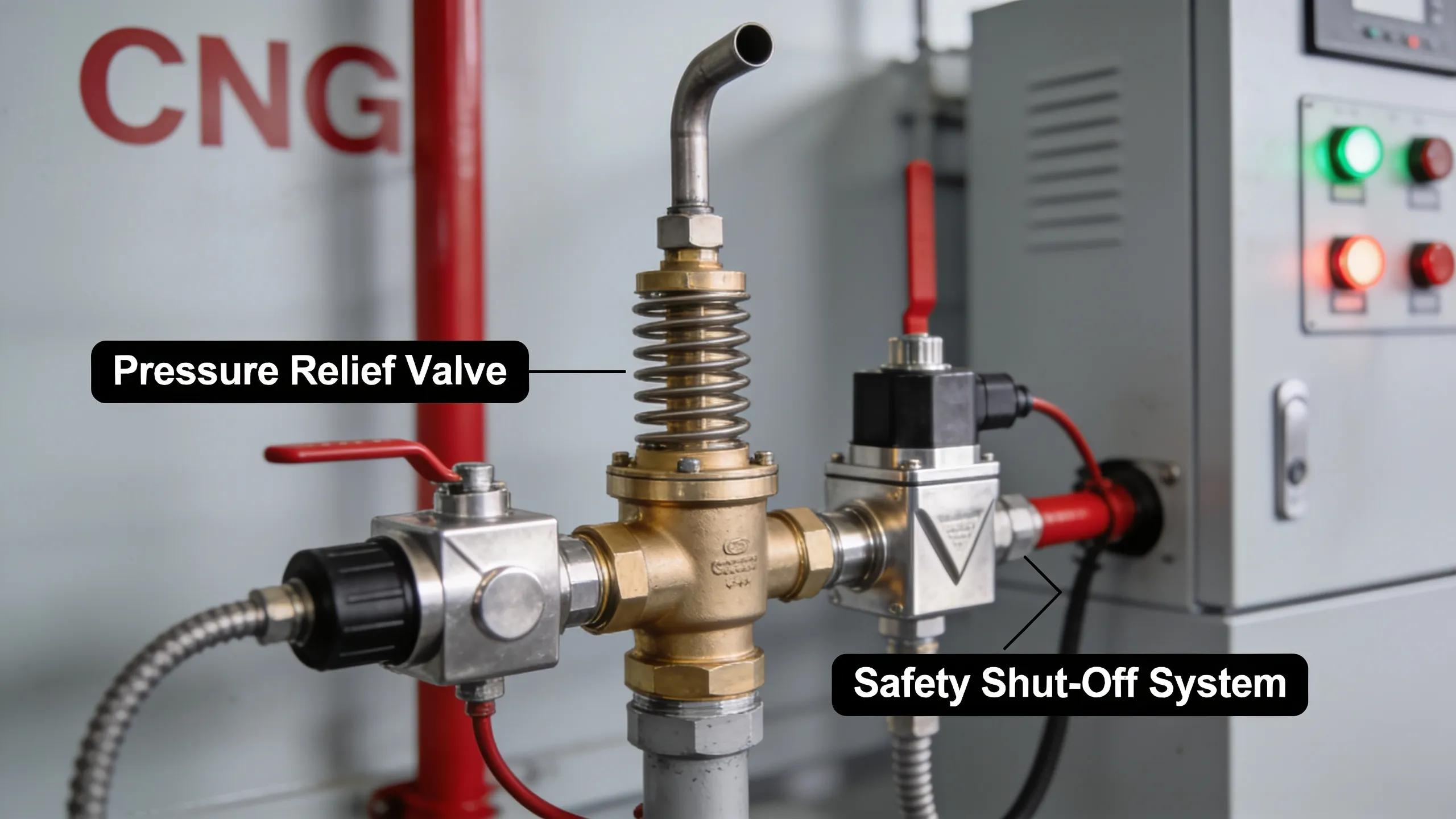
Safety features in hydrogen compressors, such as pressure relief valves and leak detection systems, are essential in preventing potential hazards. Regular testing and compliance with safety regulations ensure operational integrity.
Hydrogen Detection and Ventilation
Because hydrogen is odorless, colorless, and disperses quickly upward, dedicated hydrogen gas detection systems are placed at compressor skids and enclosures to identify leaks before concentrations approach flammable limits. Adequate ventilation, whether natural or mechanical, is engineered into compressor installations to prevent the accumulation of hydrogen in enclosed or semi-enclosed spaces.
Ignition Control and Hazardous Area Classification
Hydrogen’s wide flammability range and low ignition energy require strict control of potential ignition sources near compressor systems. Installations are engineered and classified according to hazardous area requirements, with electrical equipment, instrumentation, and grounding specified to reduce the risk of static discharge or sparking in areas where hydrogen may be present.
Pressure Relief Systems
Pressure relief devices, including relief valves and rupture discs, are specified to protect compressor systems and downstream equipment from overpressure conditions. These systems are sized and located according to the compressor’s operating pressures and discharge requirements, and are vented to safe locations away from ignition sources and occupied areas.
Material Requirements for High-Pressure Systems
The materials utilized in hydrogen compressors must withstand high pressures and resist corrosion. Material compatibility is crucial to ensuring long-term operational reliability and safety.
Industry Standards and Regulations
Adhering to industry standards and regulations is vital for the safe operation of hydrogen compressors. Compliance with these guidelines ensures that systems operate within safe parameters and minimize risks associated with hydrogen use.
Future Innovations
The field of hydrogen compression technology is poised for significant advancements as industries continue to seek innovative solutions. Emerging technologies promise to enhance efficiency and expand the applications of hydrogen compressors.
Emerging Technologies like AI and IoT
The integration of artificial intelligence (AI) and the Internet of Things (IoT) into hydrogen compression systems stands to revolutionize operations. These technologies provide enhanced analytics and data collection, enabling smarter operational decisions.
Design Improvements for Sustainability
Future innovations will likely focus on sustainability, aiming to develop compressors that operate with minimal environmental impact. Innovations could lead to systems that utilize renewable energy sources for their operations.
Potential Environmental Impacts
The anticipated advancements in hydrogen compressor technology will likely yield substantial environmental benefits, further promoting the adoption of hydrogen as a clean energy source. This transition is crucial in the global effort to combat climate change and reduce dependency on fossil fuels.
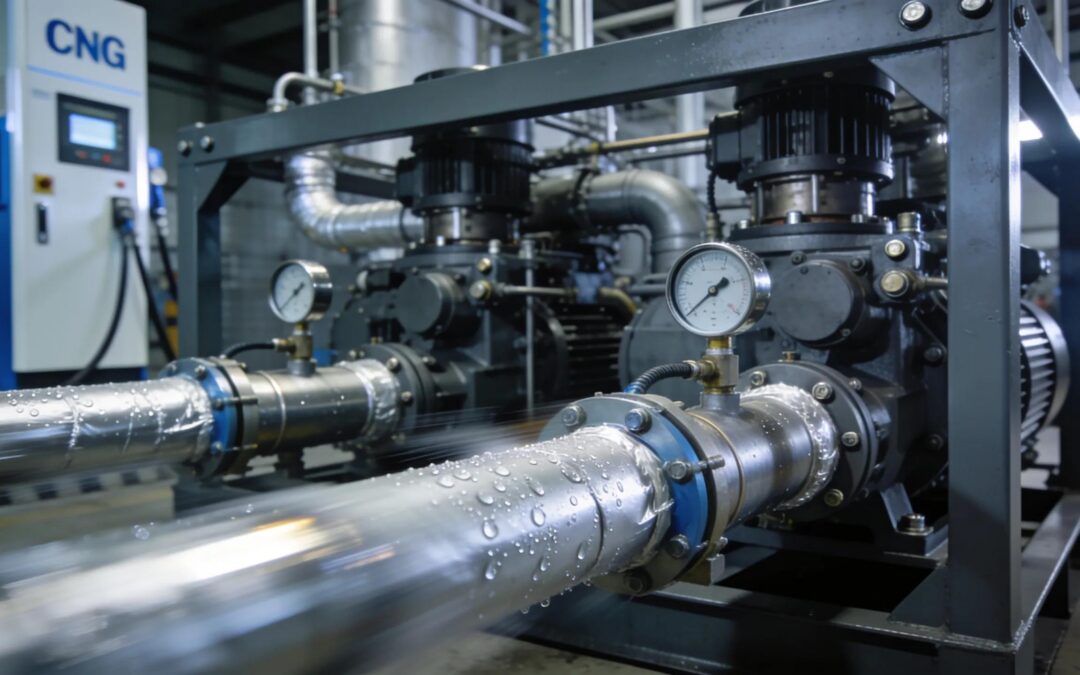
Compressed Natural Gas (CNG) fueling compressors are pivotal in modern energy distribution, particularly for industrial and fleet applications. These sophisticated systems not only compress gas for storage but also ensure its safe and efficient delivery. Throughout this article, readers will uncover the intricate engineering principles that underlie CNG compressor design, operational functionalities, and safety features. Understanding the complexities in these systems is essential for optimizing performance and adhering to safety standards. We will explore design features, operational efficiencies, safety considerations, and maintenance protocols that are crucial for effective CNG utilization.
LW Americas is the exclusive North and South American distributor of L&W high-pressure compressors and gas management systems, providing equipment selection, system design, supply, commissioning, and ongoing support for industrial gas and CNG fueling applications. Drawing on that experience, the discussion that follows reflects the technical standards and engineering considerations applied to real-world industrial compressor projects across fleet, public fueling, and process gas environments.
Design Features:
CNG fueling compressors are engineered with specific features that enhance reliability and efficiency. Understanding these design features is vital to optimizing their performance across various applications, from industrial operations to fleet fueling solutions.
Multi-Stage Compression:
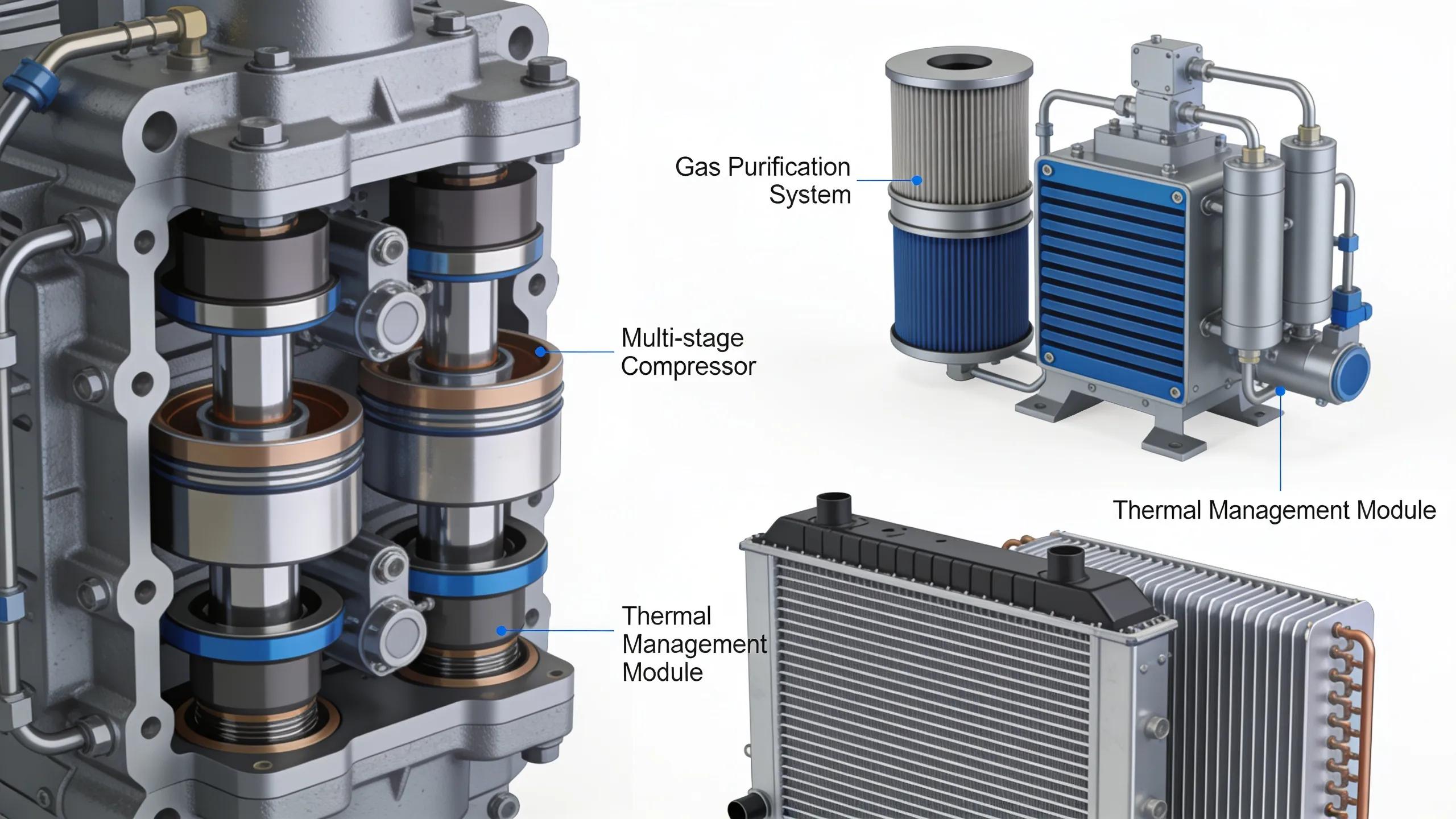
Multi-stage compression is foundational to the engineering of high-pressure CNG compressors. Rather than compressing natural gas to storage pressures in a single pass, multi-stage designs incrementally increase gas pressure across successive compression stages, typically achieving final discharge pressures of 3,600 psi (248 bar) or higher. Between each stage, intercoolers remove the heat of compression before the gas enters the next stage. This intercooling is critical: it reduces the specific work required for subsequent compression, protects downstream components from excessive thermal stress, and improves volumetric efficiency throughout the machine. Following the final compression stage, an aftercooler brings the discharge gas down to a temperature suitable for storage and dispensing, and a final moisture separator removes condensed water before the gas enters the high-pressure storage cascade. Pressure management across stages is carefully engineered through interstage pressure ratios, safety relief valves at each stage outlet, and pressure instrumentation to ensure balanced loading and protection against over-compression. This layered approach reduces mechanical strain on individual components, extends compressor service life, and delivers a more consistent, reliable output across the full operating range.
Gas Purification:
Gas purification within a CNG fueling system is a shared responsibility across the overall installation rather than a function attributed solely to the compressor package. In many installations, primary gas conditioning — including bulk moisture removal, odor management, and pressure regulation — is performed upstream of the compressor by the utility or pipeline infrastructure. The compressor package itself may incorporate coalescing filters, inlet moisture separators, and interstage separators to address residual water, lubricating oil carryover, and particulates introduced during the compression process. The extent of filtration integrated into a given compressor package depends on the inlet gas quality, the compressor technology, and the requirements of the end application. Regardless of where purification duties are allocated within the system, maintaining clean, dry gas throughout the compression train is essential: water and oil contamination can degrade valve performance, damage seals, accelerate wear on cylinder components, and reduce the efficiency of downstream storage and dispensing equipment. System designers must account for the full gas-conditioning requirement at the project level rather than relying on any single component to address all purification functions.
Material Compatibility:
Material selection in CNG compressors is governed by the demands of high-pressure natural gas service rather than by natural gas itself being inherently corrosive. Dry, pipeline-quality natural gas is relatively benign to most metals; however, trace contaminants — including hydrogen sulfide, carbon dioxide, water, and compressor lubricants — can affect certain materials over time and must be accounted for during design. Pressure-containing components such as cylinders, heads, and manifolds are typically fabricated from carbon steel or alloy steel, specified in accordance with applicable pressure vessel codes including ASME Section VIII and relevant national or regional equivalents. Seals and elastomers require particular attention: piston rings, rod packing, O-rings, and valve seat materials must be selected for compatibility with natural gas, lubricating oil, and the temperature ranges encountered across each compression stage. Improper elastomer selection can result in swelling, hardening, or extrusion failures, leading to gas leakage and premature component replacement. Valve components, check valves, and fittings used in high-pressure piping and instrumentation must similarly be rated and tested for the service pressure and gas composition in question. A rigorous material review conducted during the design phase — addressing mechanical strength, pressure rating, gas compatibility, and seal performance — is essential to ensuring long-term reliability in CNG compressor packages.
Thermal Management:
Effective thermal management is integral to the design of high-pressure CNG compressor packages, encompassing intercoolers, aftercoolers, and cooling system infrastructure that operate together across every stage of the compression train.
Intercoolers are positioned between successive compression stages to remove the heat of compression before gas enters the next stage. By reducing gas temperature at each interstage point, intercoolers decrease the specific volume of the gas, reducing the work required for subsequent compression and protecting downstream components from thermal overload. In reciprocating compressor packages, intercoolers are typically shell-and-tube or fin-and-tube heat exchangers sized to bring interstage gas temperatures within acceptable limits for the following stage’s valves, piston rings, and cylinder components.
Following the final compression stage, an aftercooler reduces discharge gas temperature to a level suitable for high-pressure storage and dispensing. The aftercooler also promotes condensation of residual moisture, which is subsequently removed by a final moisture separator before gas enters the storage cascade. Discharge temperature leaving the aftercooler is a critical operating parameter: elevated temperatures accelerate elastomer degradation in downstream components and can affect the accuracy of custody transfer measurement.
Cooling medium selection — whether air cooling, facility cooling water, or a dedicated closed-loop cooling circuit — depends on site infrastructure, ambient conditions, and the thermal load of the specific compressor package. Air-cooled packages are common in outdoor installations where facility cooling water is unavailable, while water-cooled configurations offer more consistent thermal performance in high-ambient-temperature environments or where space constraints limit air-cooled heat exchanger sizing.
Temperature monitoring throughout the compression train is a standard feature of the compressor control system. Discharge temperature sensors at each stage outlet, cooling medium outlet temperature instrumentation, and aftercooler discharge temperature monitoring provide continuous data to the control system. High-temperature shutdown setpoints are configured at each stage to initiate a controlled compressor shutdown in the event of cooling system failure, inadequate cooling medium flow, or process upset conditions that would otherwise drive discharge temperatures beyond safe operating limits. Integrating thermal monitoring with the compressor’s safety shutdown logic ensures that thermal events are detected and mitigated before they result in equipment damage or loss of containment.
Operational Efficiency:
Operational efficiency in CNG fueling compressors is influenced by various design and operational strategies. Enhancements in this area not only contribute to improved performance but also result in economic benefits for users.
Continuous-Duty Design:
Continuous-duty capability in a CNG compressor package is the result of deliberate engineering decisions made across the compressor’s design, cooling system, component sizing, and operational envelope — not an inherent consequence of simply operating the machine continuously. A compressor rated for continuous duty has been designed and tested to sustain full-load operation over extended periods without exceeding the thermal, mechanical, or fatigue limits of its components.
Key contributors to continuous-duty capability include adequate cooling capacity at the intercoolers and aftercooler to maintain acceptable discharge temperatures under sustained load; component sizing — including cylinder bore, rod diameter, bearing surfaces, and crosshead design — sufficient to handle the cumulative mechanical stresses of uninterrupted operation; lubrication system design that maintains adequate oil film thickness and cleanliness at all operating temperatures; and valve construction and seating materials selected for the cyclic stress of high-cycle continuous service.
Operating within the equipment’s rated design envelope is equally important. Running a compressor at or near its maximum rated pressure and flow continuously, without adequate cooling or lubricant condition monitoring, will compromise component life regardless of the machine’s nominal continuous-duty rating. For high-demand applications such as fleet fueling depots or industrial process gas supply, continuous-duty compressor packages are selected precisely because their design margins, cooling systems, and component specifications have been validated for the intended operating regime — but sustained performance depends on adherence to the manufacturer’s operating limits and maintenance requirements throughout the service life of the installation.
Storage Sizing:
Proper storage sizing is vital to accommodate the demands placed on CNG fueling systems. Balancing storage tanks appropriately between intermittent and continuous fueling needs helps optimize system performance. From large industrial sites to fleet applications, appropriate storage sizing minimizes disruptions caused by fluctuations in demand, leading to smoother operation and increased efficiency.
Heat Recovery:
Implementing heat recovery systems within CNG fueling stations offers significant efficiency gains. By capturing waste heat generated during the compression process, facilities can repurpose this energy for other operational needs, such as preheating incoming gas or other heating applications. This not only improves overall efficiency but also enhances sustainability practices in CNG operations.
Safety Considerations:
Safety in CNG fueling installations is governed by a layered framework that combines engineered protective systems, hazardous area design, operational procedures, and compliance with applicable codes and standards. Each layer addresses a distinct failure mode, and no single measure is considered sufficient in isolation.
Over-Pressure Protection:
CNG compressors operate at high discharge pressures, typically up to 3,600 psi (248 bar) or higher, and over-pressure protection is a fundamental design requirement at every stage of the compression train. Pressure relief valves (PRVs) are installed at each interstage outlet and at the final discharge to provide automatic pressure relief in the event of a process upset, blocked outlet, or control system failure. High-pressure shutdown switches provide an independent layer of protection, initiating a controlled compressor shutdown before pressures reach the relief valve set points. Pressure instrumentation is continuously monitored by the compressor control system, and operating pressure limits are enforced through both software logic and hardwired safety circuits.
Emergency Shutdown Systems:
Emergency shutdown (ESD) systems are integral to CNG compressor packages and station designs. An ESD system is capable of initiating a rapid, controlled shutdown of all compression and gas-handling equipment in response to detected hazardous conditions, including gas detection alarms, fire signals, operator activation, or loss of critical utilities. ESD logic is typically implemented in a dedicated safety relay system or safety-rated programmable logic controller (PLC) that operates independently of the main process control system. ESD activation sequences include closing of automated block valves, de-energizing the compressor drive, and isolating the station from the gas supply. ESD systems are designed, tested, and documented in accordance with functional safety principles, and periodic proof testing is required to verify that safety functions perform as intended.
Gas Detection:
Continuous gas detection is a standard requirement in enclosed or semi-enclosed CNG fueling facilities. Fixed catalytic bead or infrared gas detectors are positioned at low points, within compressor enclosures, and near potential leak sources such as valve manifolds, high-pressure fittings, and dispenser connections. Detection of combustible gas concentrations at or above defined alarm thresholds — typically expressed as a percentage of the Lower Explosive Limit (LEL) — triggers a graduated response: a first-stage alarm may activate ventilation and issue an operator alert, while a second-stage alarm initiates ESD and facility lockout. Gas detection systems are integrated with the ESD logic and are regularly tested and calibrated in accordance with the detector manufacturer’s requirements and applicable standards.
Hazardous Area Classification:
Areas within and surrounding a CNG fueling station are classified as hazardous locations in accordance with applicable electrical area classification standards. In North American installations, classification is typically performed in accordance with the National Electrical Code (NEC), NFPA 30A, and NFPA 52, designating zones where flammable gas-air mixtures may be present. All electrical equipment installed within classified areas — including motors, lighting, instrumentation, and control panels — must be rated and certified for the applicable hazardous location classification. In international installations, IEC 60079 series standards define equivalent zone classifications and equipment requirements. Proper area classification documentation and equipment selection are prerequisites for facility commissioning and regulatory approval.
Applicable Codes and Standards:
CNG fueling installations are subject to a defined body of codes and standards that govern system design, equipment selection, installation, and operation. Key references applicable to North American installations include NFPA 52 (Vehicular Natural Gas Fuel Systems Code), which covers the design and installation of CNG fueling facilities; ASME B31.3 (Process Piping) and ASME B31.8 (Gas Transmission and Distribution Piping Systems) for high-pressure piping design; ASME Section VIII for pressure vessel fabrication; and CSA B108 (Natural Gas Fuelling Stations Installation Code) for Canadian installations. Equipment manufacturers typically certify compressor packages to applicable standards such as those published by the American Petroleum Institute (API) or relevant national bodies. Compliance with these standards is a legal obligation in most jurisdictions and provides the baseline assurance necessary for insurance, permitting, and safe facility operation.
Specialized Components and Safety Features:
Beyond system-level protections, individual compressor components contribute to the overall safety architecture. Automatic block valves isolate the compressor from the gas supply upon shutdown. Pressure-rated check valves prevent backflow of high-pressure gas into the compression stages or inlet piping. Rupture discs may be incorporated as secondary over-pressure devices in certain high-pressure applications. Continuous monitoring of parameters including discharge temperature, interstage pressures, lube oil pressure, and vibration allows the control system to detect developing faults and initiate protective shutdowns before failures propagate. The integration of these component-level protections with the station-wide ESD and gas detection systems constitutes the complete safety layer for a CNG fueling installation.
Training and Procedures:
Engineered safety systems must be supported by structured operational and maintenance procedures and by trained personnel who understand the hazards associated with high-pressure natural gas. Operators should be familiar with ESD activation and reset procedures, gas detection response protocols, emergency isolation procedures, and the requirements for safe entry into classified areas. Maintenance personnel performing work on pressure-containing components must follow documented procedures for depressurization, purging, and isolation. Regular training, competency assessment, and procedure review form the human element of the safety framework and are essential to maintaining operational integrity over the life of the installation.
Core Engineering Principles
Fundamental engineering principles guide the design and functionality of CNG fueling compressors. These principles ensure that compressors not only meet performance standards but also operate safely and efficiently.
The core principles involve balancing high-pressure requirements with stringent safety measures. Ensuring that engineering practices prioritize both efficiency and safety enables the development of robust CNG fueling solutions that can withstand demanding operational environments.
LW Americas applies these engineering principles across its work in specifying, supplying, and commissioning high-pressure compressor packages — selecting and integrating equipment that incorporates multi-stage compression, thermal management, materials engineering, and safety system architecture into complete, code-compliant installations for fleet fueling, public CNG infrastructure, and industrial process gas applications. Each project is configured to the specific inlet conditions, discharge pressures, flow requirements, and site constraints of the application — reflecting the recognition that rigorous equipment selection and system integration at the project development stage is the most reliable foundation for long-term system performance.
Fleet vs. Industrial Applications
CNG compressors serve materially different operational requirements depending on the application, and system design — including compressor sizing, storage configuration, redundancy philosophy, and duty cycle — must reflect those differences. Four principal application categories merit distinct consideration.
Fleet Fueling at Private Depots:
Private fleet fueling depots serve a defined number of vehicles — buses, refuse trucks, delivery vehicles, or utility fleets — that return to a central facility on a predictable schedule, typically overnight or at shift changes. Compressor sizing for a private depot is driven by the fleet’s total daily gas consumption, the available fueling window, and whether the operation employs time-fill (slow-fill overnight) or fast-fill (dispensing at full flow rate). Time-fill systems can utilize smaller, continuously running compressors that charge vehicles slowly over several hours, whereas fast-fill depots require larger compressors and high-pressure storage cascades capable of sustaining multiple simultaneous dispenses. Redundancy requirements at private depots vary: some operators accept a single compressor with a scheduled maintenance plan, while critical fleets — particularly transit agencies or emergency services — specify parallel compressor trains to ensure continuous availability. Duty cycles at these sites tend to be consistent and predictable, simplifying compressor selection and sizing calculations.
Public CNG Fueling Stations:
Public fueling stations serve a variable and less predictable mix of light-duty, medium-duty, and heavy-duty vehicles, including long-haul trucking where dispensing speed is critical to driver productivity. These stations require fast-fill capability across multiple dispensers simultaneously, necessitating larger compressor capacities, high-pressure cascade storage with priority fill control, and robust dispenser infrastructure. Compressor redundancy is a stronger commercial and operational imperative at public stations, where downtime directly impacts revenue and customer retention. Control systems at public stations must manage cascade bank sequencing, dispenser communication, and payment systems, adding integration complexity relative to private depot applications. Design standards and codes applicable to public CNG stations, particularly NFPA 52 in North America, impose specific requirements around dispenser setbacks, ventilation, emergency shutdown access, and signage.
Industrial Process Gas Applications:
Industrial applications of natural gas compression extend beyond vehicle fueling to include gas injection, pipeline booster service, gas gathering, and process gas supply for manufacturing or power generation facilities. In these contexts, compressors are selected and configured to different specifications than fueling applications: flow rates may be expressed in standard cubic feet per minute (SCFM) or million standard cubic feet per day (MMSCFD), inlet pressures may vary significantly from the relatively stable utility supply pressure seen in fueling stations, and outlet pressure requirements depend on the receiving process or pipeline. Duty cycles in industrial process applications are often continuous, with high availability and low mean time to repair (MTTR) as primary design drivers. Compressor selection in these applications is governed primarily by project-specific requirements and applicable process industry codes, including ASME B31.3 for piping design and, where relevant, API standards for packaged reciprocating or screw compressors. It should be noted that API 11P — which covers packaged reciprocating compressors for oil and gas production service — may be referenced in certain industrial gas compression projects, but many CNG fueling and process gas installations are specified principally to NFPA, ASME, CSA, and project-specific requirements rather than API standards, and the applicable reference documents should be confirmed for each project. Redundancy, remote monitoring, and integration with distributed control systems (DCS) or SCADA platforms are common requirements.
Implications for Compressor Selection:
The distinctions between these application categories underscore that there is no universal CNG compressor specification. Sizing a compressor package requires a thorough analysis of daily gas demand, peak flow rate, inlet gas conditions, available fueling window, storage volume, target dispense pressure, redundancy philosophy, and applicable codes. Engaging qualified engineering resources early in the project development process — before equipment is specified or purchased — is essential to ensuring that the selected system will meet operational requirements reliably and safely throughout its service life.
LW Americas supports clients through this process, providing application analysis, equipment selection, system design, and commissioning services for CNG fueling and industrial gas compression projects. As the exclusive distributor of L&W high-pressure compressor systems in the Americas, LW Americas brings direct access to a proven equipment platform alongside the project engineering and integration capabilities needed to configure complete, site-specific installations. Early engagement with LW Americas enables project developers to define the correct compressor capacity, storage configuration, and redundancy strategy before procurement — avoiding the costly redesign and schedule impacts that result from equipment selections made without a complete site and application assessment.
Safety and Compliance Standards
Compliance with safety standards is not only a legal requirement but also essential for ensuring safe operations in CNG facilities. Familiarity with relevant regulations empowers operators to achieve optimal safety and operational performance.
Adhering to safety and compliance standards minimizes risks associated with CNG operations, protecting personnel and equipment. Awareness of these standards is critical for maintaining operational integrity and achieving industry best practices.
Maintenance Protocols for Long-Term Efficiency
Sustaining the reliability and efficiency of industrial CNG compressor packages over their service life requires a structured maintenance program that extends well beyond routine visual inspections. Best-practice maintenance programs for high-pressure compressors combine scheduled preventive maintenance with ongoing condition monitoring and, where appropriate, predictive maintenance technologies.
Scheduled Preventive Maintenance:
Preventive maintenance tasks are performed at manufacturer-specified intervals and include valve inspection and replacement, piston ring and rod packing assessment, filter element replacement, lubricant and coolant service, belt or coupling inspection, and torque verification of pressure-containing fasteners. Valve condition is among the most maintenance-sensitive aspects of reciprocating CNG compressors: worn or damaged valves reduce volumetric efficiency, increase discharge temperatures, and — if not addressed — can result in valve failure and unplanned shutdown. Maintenance intervals should be derived from the manufacturer’s documentation and adjusted based on observed component condition and operating history rather than applied generically.
Condition Monitoring:
Continuous and periodic condition monitoring provides the data necessary to detect developing faults before they result in equipment damage or unplanned downtime. Standard condition monitoring practices for industrial CNG compressor packages include:
Vibration analysis: Accelerometers mounted on compressor frames, bearing housings, and piping monitor vibration signatures across the operating frequency range. Deviations from established baseline vibration profiles can indicate bearing wear, imbalance, looseness, or developing valve issues, often well in advance of a detectable performance change.
Oil analysis: Periodic laboratory analysis of compressor lubricating oil — including viscosity measurement, particle count, elemental analysis for wear metals, and oxidation assessment — provides an indirect view of internal component condition. Elevated iron, copper, or aluminum concentrations in an oil sample can signal early bearing, cylinder, or crosshead wear.
Temperature trending: Continuous logging of discharge temperatures at each stage outlet, interstage temperatures, and cooling medium temperatures establishes a baseline from which deviations can be identified. A gradual rise in stage discharge temperature under constant load conditions may indicate valve inefficiency, reduced cooling performance, or changes in inlet gas composition.
Filter differential pressure monitoring: Monitoring the pressure drop across inlet filters, coalescing filters, and interstage separators provides a direct indication of filter loading. Rising differential pressure signals that a filter element is approaching its service limit; operating beyond this point reduces flow, increases compressor work, and risks upstream contamination from element bypass.
Valve inspection and performance assessment: In reciprocating compressors, individual valve performance can be evaluated through cylinder pressure-volume (P-V) analysis, where available, or through comparative monitoring of interstage pressures and temperatures. Anomalies in interstage conditions relative to expected thermodynamic performance are often the earliest indicator of valve inefficiency.
Predictive Maintenance Technologies:
Industrial CNG compressor installations increasingly incorporate predictive maintenance platforms that aggregate condition monitoring data — vibration, temperature, oil analysis results, and operational parameters — into a continuous equipment health picture. Remote monitoring systems transmit real-time compressor data to centralized platforms where trend analysis, anomaly detection algorithms, and maintenance scheduling tools assist operations and reliability teams in optimizing maintenance timing and avoiding both premature component replacement and unplanned failures. Integration of compressor control system data with a plant SCADA or distributed control system (DCS) allows maintenance events to be correlated with process conditions, improving the diagnostic value of the collected data.
A well-structured maintenance program — combining manufacturer-specified preventive tasks with systematic condition monitoring and predictive tools — is the most reliable means of sustaining compressor availability, protecting capital equipment investment, and ensuring that CNG fueling or process gas supply capacity remains continuously available to the operations it supports.
Key Design and Application Considerations by CNG System Type
Industrial CNG compressors are not meaningfully compared by simple labels such as “multi-stage” or “single-stage,” as virtually all high-pressure CNG compressors employ multiple compression stages. Rather, engineers and procurement teams evaluate compressor packages against the specific parameters of the application. The table below identifies the principal design and application factors that govern compressor selection across the primary CNG use cases:
Consideration
Fleet Fueling (Time-Fill)
Fleet Fueling (Fast-Fill)
Public Fueling Station
Industrial / Process Gas
Typical discharge pressure
Up to 3,600 psi (248 bar)
Up to 3,600 psi (248 bar)
Up to 3,600 psi (248 bar)
Application-specific
Compressor sizing basis
Daily fleet demand over fill window
Peak simultaneous dispense rate
Peak multi-dispenser demand
Required flow rate (SCFM / MMSCFD)
Storage requirement
Moderate; buffer for overnight fill
High; cascade storage for fast fill
High; cascade with priority control
Application-specific
Duty cycle
Continuous or scheduled
Demand-driven with peak periods
Demand-driven; high peak variability
Typically continuous
Redundancy philosophy
Single train often acceptable
Parallel trains common for critical fleets
Parallel trains typical
High availability; low MTTR required
Key applicable standards
NFPA 52, ASME B31.3, ASME VIII
NFPA 52, ASME B31.3, ASME VIII
NFPA 52, ASME B31.3, ASME VIII
ASME B31.3, project-specific (API standards where applicable)
Maintenance intervals and efficiency ratings for CNG compressor packages are established by the equipment manufacturer based on actual operating conditions, compressor type (reciprocating designs predominate in high-pressure CNG fueling applications, with rotary screw configurations used in certain lower-pressure or high-flow applications), lubrication system, gas quality, and duty cycle — and should be obtained from the manufacturer’s documentation and verified through operational experience rather than assigned generically by application category.
Dive Blending Panels Explained: How to Set Up a Nitrox and Trimix Fill Station for Accurate Scuba Gas Mixing
Setting up a Nitrox and Trimix fill station is essential for divers who require specific gas mixtures for their underwater adventures. Understanding dive blending panels is crucial for achieving accurate gas mixing, ensuring safety, and optimizing performance. This article will guide you through the components, safety procedures, and best practices for establishing a reliable fill station. By the end, you will have a comprehensive understanding of how to set up a Nitrox fill station and the necessary steps for Trimix gas mixing. We will also explore the role of dive blending panels and the integration of oxygen analyzers in this process.
Accurate Scuba Gas Mixing
Accurate scuba gas mixing is vital for ensuring divers receive the correct gas mixtures for their specific needs. The partial pressure method is commonly used, which involves calculating the individual gas components based on their desired percentages. Utilizing certified gas blending panels is essential for achieving precise mixtures, as they are designed to handle the complexities of gas blending. Pressure gauges play a critical role in monitoring the gas pressures, ensuring that the mixtures remain within safe limits.
Further research emphasizes the importance of precise equipment and calibration in achieving the desired gas mixtures for both Nitrox and Trimix.
Nitrox & Trimix Blending Facility Setup
present in facilities for NITROX and TRIMIX manufacturing, is added inside during the filling process. Thus, accurate scales are crucial. This curves correlate the valve settings with the final mixture.
Continuous flow type gas blending facility used for autonomous and system diving, NI Alboiu, 2017
Essential Components
To set up a Nitrox and Trimix fill station, several essential components are required. These include:
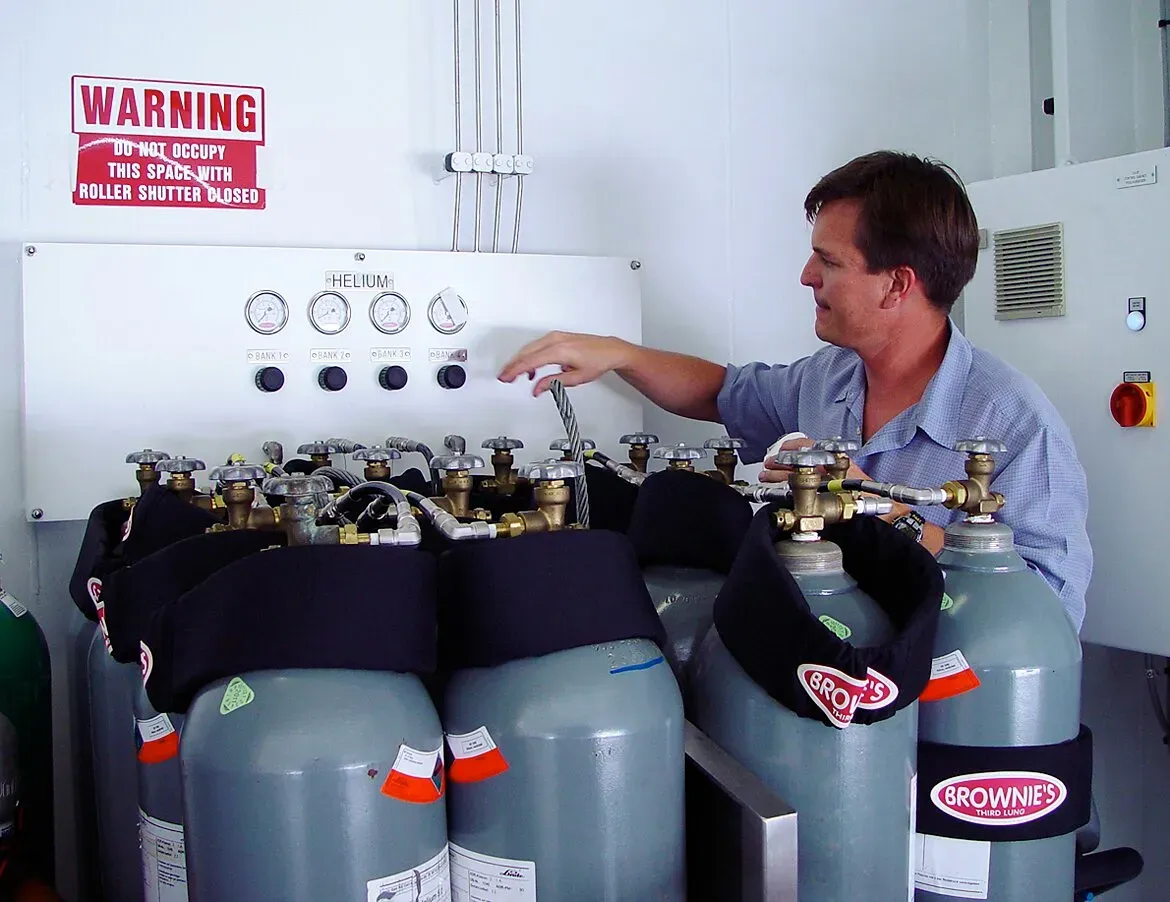
Gas Blending Panels: The core of the system, responsible for mixing gases accurately.
Oxygen Analyzers: Used to verify the gas mixtures and ensure they meet the required specifications.
Compressor Selection: A high-quality compressor is necessary to fill tanks efficiently and safely.
Each component plays a significant role in the overall functionality of the fill station, contributing to the safety and effectiveness of the gas blending process.
Safety Procedures
Implementing safety procedures is paramount when operating a Nitrox and Trimix fill station. Here are key protocols to follow:
Training Requirements: All personnel must be trained in gas blending operations and emergency procedures.
Monitoring Gas Mixtures: Regular checks of gas mixtures are essential to ensure accuracy and safety.
Emergency Procedures: Establish clear emergency protocols for handling gas leaks or equipment failures.
Following these safety procedures helps mitigate risks associated with gas blending and ensures a safe working environment.
Effective training is a cornerstone of these safety measures, ensuring that all personnel are proficient in gas blending techniques and safety protocols.
Dive Center Gas Blending Safety & Training
gas blending techniques to continually improve safety protocols that diving centres adopt to ensure the purity and quality of breathing gas. Training in gas blending is necessary for those blending the gases.
Breathing Gas Quality and Monitoring in Dive Centres of the Maltese Islands, 2024
LW Americas is a specialized provider of high-quality dive blending panels and related equipment designed for setting up Nitrox and Trimix fill stations. Their products are engineered to meet safety standards, ensuring reliable performance in gas blending operations.
Best Practices
Adhering to best practices in gas blending can enhance the efficiency and safety of your operations. Consider the following:
Gas Selection: Choose the appropriate gas mixtures based on dive profiles and requirements.
Quality Control: Regularly inspect and maintain equipment to ensure optimal performance.
User-Friendly Design: Opt for blending panels that are intuitive and easy to operate, reducing the likelihood of errors.
Implementing these best practices will contribute to a more effective and safer gas blending process.
What Are Dive Blending Panels and Their Role in Scuba Gas Blending?
Dive blending panels are specialized systems designed to mix gases accurately for scuba diving applications. They function by controlling the flow of different gases, allowing for precise adjustments to achieve the desired gas mixture. The importance of these panels lies in their ability to ensure that divers receive the correct gas mixtures, which is crucial for safety and performance underwater. Additionally, many modern blending panels come equipped with safety monitoring features that alert operators to any discrepancies in gas mixtures.
How Do Oxygen Analyzers Integrate with Dive Blending Panels?
Oxygen analyzers play a critical role in the gas blending process by verifying the accuracy of the gas mixtures produced by dive blending panels. These devices measure the percentage of oxygen in the gas mixture, ensuring it meets the required specifications for safe diving. The integration of oxygen analyzers with blending panels enhances the overall safety and reliability of the gas blending process, providing divers with confidence in their gas supplies.
Which Components Constitute a Nitrox and Trimix Blending System?
A Nitrox and Trimix blending system consists of several key components that work together to produce accurate gas mixtures. These components include:
Gas Inlets: Where the individual gases enter the blending system.
Pressure Gauges: Essential for monitoring the pressure of each gas component.
Control Valves: Used to regulate the flow of gases into the blending panel.
Understanding these components is crucial for anyone looking to set up a reliable gas blending system. LW Americas can help you with a setup for a yacht, which you can learn about more on the NitroxMaker Yacht Series information page.
How to Set Up a Nitrox Fill Station Using Dive Blending Panels?
Setting up a Nitrox fill station involves several steps to ensure proper functionality and safety. Here’s a step-by-step guide:
Install the Blending Panel: Position the dive blending panel in a well-ventilated area, ensuring easy access to gas inlets.
Connect the Oxygen Analyzer: Integrate the oxygen analyzer with the blending panel to monitor gas mixtures.
Calibrate the System: Follow the manufacturer’s instructions to calibrate the blending panel and oxygen analyzer for accurate readings.
Conduct Safety Checks: Before operation, perform thorough safety checks to ensure all components are functioning correctly.
By following these steps, you can establish a Nitrox fill station that meets safety and performance standards.
What Are the Step-by-Step Procedures for Nitrox Fill Station Setup?
The setup process for a Nitrox fill station can be broken down into detailed steps:
Gather Necessary Equipment: Ensure you have all required components, including the blending panel, oxygen analyzer, and compressor.
Assemble the System: Connect the blending panel to the gas inlets and ensure all connections are secure.
Test the System: Run a test cycle to verify that the blending panel and oxygen analyzer are functioning correctly.
Document Procedures: Keep a record of the setup process and any adjustments made for future reference.
These procedures will help ensure a smooth and efficient setup for your Nitrox fill station.
What Are the Procedures for Trimix Gas Mixing and Blending Setup?
Trimix gas mixing requires careful attention to detail to ensure safety and accuracy. The procedures include:
Determine Gas Ratios: Calculate the appropriate ratios of oxygen, helium, and nitrogen based on dive profiles.
Set Up the Blending Panel: Follow the same setup procedures as for Nitrox, ensuring all components are in place.
Monitor Gas Mixtures: Use the oxygen analyzer to verify that the gas mixtures meet the required specifications.
Conduct Final Checks: Before filling tanks, perform final checks to ensure all systems are functioning correctly.
By adhering to these procedures, you can achieve accurate Trimix gas blending for your diving needs.
What Safety Standards and Certification Requirements Govern Dive Blending Panels?
Safety standards and certification requirements are critical for ensuring the safe operation of dive blending panels. Key standards include:
CGA Compliance: Adherence to Compressed Gas Association standards for gas handling and safety.
TÜV Certification: Ensures that equipment meets international safety and quality standards.
ISO Standards: Compliance with ISO standards for quality management and safety in gas blending operations.
These certifications provide assurance that dive blending panels are designed and manufactured to meet stringent safety requirements.
Adhering to established industry guidelines, such as those from the Compressed Gas Association, is fundamental for ensuring the safety of Nitrox mixtures.
Nitrox Blending Safety Guidelines
society guidelines from ASTM, Compressed Gas Association, and The CGA pamphlet G-4.4 [1] states that any gas mixture that contains any mixture between 21 and 40 percent oxygen is safe to use.
Use of Oxygen-Enriched Mixtures in Recreational SCUBA Diving–Is the Public Being, 1997
Which Industry Certifications Ensure Compliance for Gas Blending Equipment?
Several industry certifications are essential for ensuring compliance in gas blending equipment:
CGA Grade E: Specifies the requirements for oxygen service equipment.
NFPA 1989: Covers the standards for respiratory protection equipment.
ISO 8573: Addresses the purity of compressed air and gases.
These certifications help maintain high safety and quality standards in gas blending operations.
How to Implement Safety Procedures for Gas Blending Operations?
Implementing safety procedures for gas blending operations involves several key steps:
Regular Maintenance: Schedule routine maintenance for all equipment to ensure optimal performance.
Monitoring Systems: Utilize monitoring systems to track gas mixtures and detect any anomalies.
Documentation: Keep detailed records of all safety checks and maintenance performed on the equipment.
By following these procedures, you can enhance the safety and reliability of your gas blending operations. If you need additional help, contact LW Americas support team.
High-Pressure Industrial Air Compressors for Reliable and Customizable Industrial Applications
Industrial high-pressure air compressors are mechanical systems designed to raise the pressure of air or gas for specialty applications, often ranging from tens to several hundred bar (up to about 7000 psi). They provide benefits such as sustained uptime, precise pressure control, and enhanced safety and purity when paired with proper filtration. While some models are engineered for continuous-duty operation to support nonstop industrial use, not all high-pressure compressors or applications require continuous operation. Selection depends on the specific use case, operational demands, and compressor design features.
What Are High-Pressure Industrial Air Compressors and How Do They Work?
High-pressure industrial air compressors increase the pressure of air or gas to levels typically required for specialized applications, often ranging from 3000 to 5000 psi (approximately 200 to 350 bar). They operate through staged compression, intercooling, and robust mechanical design, enabling stable, high-pressure delivery. These compressors support applications such as pressure testing, filling operations, and providing breathing air. Models designed for continuous-duty operation can run for extended periods without frequent cool-downs, but continuous operation is application- and model-dependent rather than universal.
What Defines Continuous Duty and High PSI Compressors?
Continuous-duty compressors are designed to operate for extended periods without interruption, suitable for applications requiring ongoing high-pressure fills, such as breathing air systems. High PSI compressors are rated for specific maximum pressures, often in the range of 3000–4500 PSI for uses like scuba fills and firefighting SCBA. However, not all compressors are continuous-duty; some are intended for intermittent or batch operation depending on the industrial process and compressor design.
How Does Multi-Stage Compression Enhance Industrial Air Systems?
Multi-stage compression allows for higher pressures with improved efficiency and reduced heat generation by compressing air in successive stages with intercooling between them. This approach enhances performance, reliability, and duty cycle management compared to single-stage compressors, supporting better uptime and operational efficiency, especially in applications requiring rapid fills or continuous multi-station throughput.
Which Industries Benefit Most from High-Pressure Air Compressors?
The industries that benefit most from high-pressure air compressors include:
Diving – for filling SCUBA cylinders and providing breathing air.
Fire Fighting – for supplying air to firefighters’ breathing apparatus.
Industry – for various manufacturing processes requiring high-pressure air.
Maritime/Offshore – for applications on boats and ships, such as scuba diving.
CNG & Biogas – for compressing low-pressure gas into high-pressure forms for vehicle fueling and storage.
Medical – for applications requiring high-purity air.
Motor Sports – for pneumatic tools and equipment.
Sporting Guns & Paintball – for filling air tanks.
How Are Compressors Used in Breathing Air Systems for Diving and Firefighting?
In breathing air systems for diving and firefighting, compressors compress ambient air to high pressures, filter contaminants, and store the compressed air for safe filling of SCBA (Self-Contained Breathing Apparatus) cylinders. These systems typically include a high-pressure air compressor, multi-stage purification trains, cascade storage tanks for rapid fills, and distribution panels for controlled filling. Compressors designed for continuous-duty operation are available on select models to help ensure reliable air delivery and maintain air quality standards as defined by regulations such as NFPA 1989. However, continuous operation depends on the specific compressor model and application requirements.
What Are the Roles of Compressors in Maritime, Medical, and Industrial Processes?
Compressors serve critical roles across sectors:
Maritime: Used for scuba fills, requiring high-pressure capabilities, compact and vibration-resistant designs, and in some cases continuous operation to support multiple divers.
Medical: Supply medical gases with emphasis on air purity and reliability, meeting specific pressure ratings and availability requirements to ensure patient safety.
Industrial: Focus on throughput, cost efficiency, and reliability for continuous flow applications, often requiring high CFM and moderate max PSI to power machinery or tools.
Compressor selection in these fields is driven by flow, pressure, air quality, duty cycle, and operational profiles, with performance and reliability varying by configuration and model.
How Do Custom High-Pressure Compressor Solutions Meet Unique Industrial Needs?
Custom high-pressure compressor solutions are tailored to specific operational profiles, considering required pressure, flow rate, and duty cycle. This ensures the compressor meets the demands of continuous operation or specialized applications like breathing air or industrial production.
Optimizing parameters such as pressure ratio, flow rate, efficiency, and power consumption enables designs that align precisely with application needs.
By leveraging telemetry and monitoring technologies, operators can manage performance proactively, validate specifications, and adjust duty cycles as needed. The availability and extent of telemetry features may vary by manufacturer and model. Custom solutions often feature robust designs, including one-piece cast blocks for durability, and comprehensive project management and installation support to enhance reliability and reduce downtime.
Suppliers like LW Americas provide detailed engineering support, including 2D/3D installation drawings and tailored filtration systems, helping ensure compressors meet operational and maintenance expectations. This system-level approach aims to optimize compressed air systems for efficiency, safety, and compliance with industry standards.
What Is the Process for Designing Tailored Compressor Systems?
Define Demand: Specify required pressure, simultaneous flow, and air quality standards.
Calculate Required FAD: Determine Free Air Delivery (FAD) at working pressure, including safety margins.
Select Duty Cycle and Architecture: Choose a duty cycle supporting peak and continuous loads based on operational profiles.
Verify Environmental Factors: Assess installation conditions such as altitude and inlet temperature affecting performance.
Conduct Engineering Review: For safety-critical applications, ensure compliance with standards and operational safety through thorough review.
How Does LW Americas Ensure Responsive Support and Project Completion?
LW Americas delivers responsive support and project completion through a structured workflow encompassing needs assessment, equipment selection, system design, installation oversight, commissioning, and post-installation support. Their project management coordinates site requirements with equipment delivery and commissioning, providing comprehensive handover including operating and maintenance guidance. Local support presence in North America facilitates timely response for parts and technical queries, while thorough project management aims to reduce installation complexity and downtime.
What Components and Technologies Ensure Air Purity and System Efficiency?
Purification Modules: Remove contaminants to maintain air quality.
Filtration Stages: Filter particulates and moisture to meet quality standards.
Variable Speed Drives (VSDs): Enhance energy efficiency in variable-load scenarios.
Heat Recovery Systems: Capture waste heat to reduce overall energy consumption.
IoT Condition Monitoring: Provide real-time alerts and improve maintenance planning to reduce unplanned downtime, with capabilities varying by system and provider.
Routine maintenance such as filter changes, vibration analysis, and oil inspections is essential to sustain performance and prevent failures. Advanced technologies like AI-powered predictive maintenance can further improve reliability by proactively identifying potential issues, potentially reducing lifecycle costs and unplanned outages.
Predictive Maintenance and Monitoring of Industrial Compressors Using Machine Learning: A Proactive Approach, P Dwivedi, 2025
How Do Breathing Air Purification and Monitoring Systems Maintain Safety Standards?
Breathing air purification and monitoring systems maintain safety by controlling pressure, using certified filtration, and adhering to recognized air quality standards. These systems set limits for total hydrocarbons, carbon monoxide, moisture, and particulates, critical for diving and firefighting applications. Integration of purification modules and monitoring technologies helps ensure consistent air quality and system integrity, enhancing operational safety.
What Storage and Filling Devices Complement High-Pressure Compressors?
Inlet buffer tank (typically ~150 liters) with safety valve, manual condensate drain valve, pressure gauge, and electrical cut-off solenoid for inlet gas.
Storage receivers.
Controlled distribution piping with safety valves and monitoring.
Why Is Energy Efficiency and Reliability Critical in High-Pressure Compressor Selection?
Energy efficiency and reliability directly impact operating costs, uptime, and system performance. Modern compressors emphasize energy-efficient designs and, where appropriate, continuous-duty architectures to reduce operating costs per delivered cubic foot and enable longer operation without thermal issues. Selecting compressors that prioritize these factors helps optimize total cost of ownership and operational integrity.
Industrial Compressed Air Systems: Uptime & Efficiency
Compressed air (CA) is a vital power source for tools and industrial processes, often considered a fourth utility after electricity, gas, and water. Efficient management of CA systems can save 25 to 40 percent on power costs without additional capital expenditures by reducing downtime, maintenance, and improving productivity and quality.
Applications Guide for Compressed Air Systems, 2001
How Do Continuous Duty Compressors Reduce Lifecycle Costs?
Continuous-duty compressors designed for extended operation can reduce lifecycle costs by minimizing downtime and maintenance needs. Features like variable-speed drives and optimized designs may improve energy efficiency and lower operating costs per delivered cubic foot. IoT-enabled predictive maintenance tools can support proactive servicing, reducing unexpected failures and associated expenses. However, continuous-duty operation is available on select models and should be matched to application requirements and compressor capabilities.
What Safety Standards and Certifications Should Industrial Compressors Meet?
Industrial compressors, especially those used in breathing air and safety-critical applications, should comply with relevant standards such as EN 12021 for breathing air quality, NFPA 1989 for SCBA systems, and ISO 8573-1 for compressed air purity where applicable. Compliance depends on the entire system configuration—including filtration, monitoring, and storage—not the compressor alone. LW Americas supports customers in meeting these standards through system-level engineering and project management.
How to Choose the Right High-Pressure Air Compressor for Your Industrial Application?
Define Requirements: Specify total hydrocarbons, CO, moisture, and particulate limits; expected fills per hour; simultaneous fill points; recovery times; and air quality test intervals.
Pressure and Flow Needs: Identify target cylinder pressures (typically 3000–4500 PSI) and ensure compressor Free Air Delivery (FAD) meets operational demands.
Duty Cycle: Select continuous-duty designs available on certain models for busy operations to reduce queue times and maintain safety margins; otherwise, consider intermittent-duty models as appropriate.
Filtration and Drying: Tailor filtration and drying stages to meet applicable breathing air guidelines and application-specific purity requirements.
Monitoring and Controls: Ensure controls support quality parameter monitoring and routine sampling.
Redundancy and Safety: Consider redundancy strategies such as standby compressors or automatic switchover for critical applications.
Custom Engineering: Prepare for custom engineering needs including installation drawings and integrated monitoring systems.
Consultation with Suppliers: Engage equipment providers like LW Americas to share operational profiles and request tailored solutions combining appropriate pressure, flow, duty cycle, and monitoring capabilities.
What Factors Influence Compressor Type and Configuration Selection?
Demand Specifications: Required pressure, simultaneous flow, and air quality standards.
Flow Rate and Duty Cycle: Peak and average CFM needs, matching duty cycle ratings to operational profiles.
Environmental Conditions: Altitude, inlet temperature, and gas type affecting FAD and cooling requirements.
Application Context: Differences between industrial and medical applications, including gas composition control and redundancy needs.
Safety Considerations: Comprehensive engineering review for safety-critical applications.
Operational Profiles: Frequency of peaks versus steady continuous demand.
Technical Factors: Inlet filtration, cooler capacity, motor drive sizing, and mechanical design.
Redundancy Strategies: Standby compressors or automatic switchover for critical systems.
How Can Industry-Specific Requirements Shape Compressor Choices?
Industry-specific requirements influence compressor selection by dictating gas composition control, purity and sterility standards, redundancy needs, and environmental considerations. Medical applications demand stringent filtration and monitoring for consistent air purity, while industrial settings balance peak and average demand, integrate with plant controls, and ensure safety interlocks. These factors determine sizing, duty cycle, and control architecture, often requiring custom engineering to meet operational and safety standards.
Benefits of NitroxMaker for Professional Diving Operations: Enhancing Safety, Efficiency, and Performance
The NitroxMaker system offers enriched air solutions that can enhance professional diving operations by contributing to improved safety, efficiency, and performance. This article explores the potential benefits of using NitroxMaker, including its ability to support extended bottom time, contribute to a reduced risk of decompression sickness, and improve operational efficiency for dive centers. As diving professionals navigate challenges such as managing dive times and ensuring safety, NitroxMaker aims to offer a reliable solution that addresses these concerns effectively, when integrated and operated according to established protocols. We will delve into the key advantages of NitroxMaker, the technology behind its production, and how it can be seamlessly integrated into dive operations. Additionally, we will discuss maintenance considerations and safety standards associated with NitroxMaker systems.
What Are the Key Advantages of Using NitroxMaker in Professional Diving?
NitroxMaker provides several key advantages that can significantly enhance professional diving operations. These benefits include the potential for extended bottom time, a contribution to reduced risk of decompression sickness, and increased operational efficiency. By utilizing enriched air, divers may experience longer dive durations while maintaining safety, making NitroxMaker a valuable tool for commercial diving when used with proper planning and training.
How Does NitroxMaker Support Extended Bottom Time for Commercial Divers?
NitroxMaker supports extended bottom time for commercial divers by producing enriched air with a higher oxygen content than standard air. This composition allows divers to potentially stay underwater longer without exceeding safe nitrogen absorption limits. For instance, divers using Nitrox can often enjoy longer dives at shallower depths, which can be particularly beneficial for underwater tasks that require extended periods of focus and activity. Studies indicate that divers using Nitrox can often achieve extended bottom times, potentially enhancing productivity and efficiency during dives, when used in accordance with proper dive planning and training.
The concept of maximizing underwater work time with Nitrox has been a long-standing focus in the industry.
Maximizing Dive Bottom Time with Nitrox
We go to the bottom for the longest we can and spend the maximum time,
Nitrox diving within NOAA: history, applications, and future, 1989
In What Ways Does NitroxMaker Contribute to Reducing Decompression Sickness Risk?
The use of NitroxMaker can significantly contribute to reducing the risk of decompression sickness (DCS) by lowering nitrogen absorption during dives. Nitrox, with its higher oxygen content, decreases the amount of nitrogen that divers take in, which is a primary contributor to DCS. Research suggests that divers using Nitrox may experience a reduced incidence of DCS compared to those using regular air, particularly in repetitive or multiple dives, provided proper dive planning and adherence to safety protocols. This potential safety enhancement is crucial for professional divers who often operate at greater depths and for longer durations, where the risk of DCS is heightened.
Further emphasizing potential safety benefits, research suggests that under specific conditions and with appropriate dive planning, Nitrox can help reduce the need for certain decompression stops.
Nitrox Eliminates Decompression Stops
nitrox breathing gas, the equivalent air depth is ~23 FFW. Thus, breathing nitrox eliminates the need for decompression
Evidence Report: Risk of Reduced Crew Health and Performance Due to Decompression Sickness and Hypoxia, J Norcross, 2023
How Does NitroxMaker’s Technology Improve Nitrox Production for Dive Operations?
NitroxMaker employs advanced technology to optimize the production of enriched air for diving operations. This includes innovative features such as Cool-Temp Membrane Technology and dual gas analyzers, which aim to ensure accurate blending and high-quality output. It’s important to note that NitroxMaker systems typically produce low-pressure nitrox, which then requires a separate high-pressure compressor for cylinder filling. The specific features and capabilities, such as Cool-Temp Membrane Technology and dual gas analyzers, can vary by model and configuration.
What Is Cool-Temp Membrane Technology and Its Benefits?
Cool-Temp Membrane Technology, available in certain NitroxMaker models, is a method used to separate oxygen from ambient air efficiently. This technology operates at controlled temperatures, which can enhance the longevity and reliability of the system. Benefits may include reduced energy consumption and increased output efficiency, allowing dive centers to produce high-quality Nitrox quickly and reliably, when properly integrated and maintained.
How Do Dual Gas Analyzers Ensure Accurate Nitrox Blending?
Dual gas analyzers, featured in many NitroxMaker configurations, play a critical role in ensuring the accuracy of Nitrox blending. These analyzers continuously monitor the oxygen and nitrogen levels in the gas mixture, providing real-time feedback to operators. This precision helps ensure that the Nitrox produced meets required specifications for safe diving, provided the system is calibrated and operated correctly. The use of dual gas analyzers can enhance safety and improve the overall quality of the diving experience when integrated into a comprehensive safety protocol.
Studies have consistently demonstrated the high precision achievable with modern Nitrox blending systems, contributing to safe and accurate gas mixtures for divers.
Nitrox Unit Accuracy for Safe Breathing Gas Mixtures
The results obtained from 30 experiments confirmed that it was possible to prepare nitrogen-oxygen mixtures of composition range 32.5-60% O2by means of the tested panel with the relative error less than 2% at 95% confidence level.
Experimental verification of preparation accuracy of breathing gas mixtures by means of Nitrox Unit/
Panel, A OLEJNIK, 2002
Why Is NitroxMaker Ideal for Commercial and Professional Diving Applications?
NitroxMaker systems, particularly those configured for continuous duty operation, can be well-suited for commercial and professional diving applications due to their potential for efficiency in dive centers. These features, where applicable, can make it a valuable asset for businesses in the diving industry.
How Does Continuous Duty Operation Enhance Dive Center Efficiency?
For NitroxMaker models designed for continuous duty operation, this feature can enhance dive center efficiency by allowing the system to maintain consistent output for breathing-air fills. This capability can be beneficial for dive shops that require reliable and consistent production for multiple cylinders. By selecting systems optimized for duty cycle, dive centers may be able to optimize their operations, potentially reduce downtime, and improve service delivery to customers. Continuous-duty platforms, when properly maintained, are generally designed for durability and can handle the demands of frequent use, further contributing to operational efficiency.
What Are the Return on Investment Benefits for Commercial Diving?
Investing in NitroxMaker systems can offer potential return on investment (ROI) benefits for commercial diving operations. The ability to potentially extend bottom time and contribute to reducing the risk of DCS, when used in accordance with established safety protocols, may lead to increased productivity and contribute to a safer diving environment. Moreover, the efficiency of Nitrox production can allow dive centers to serve more clients, potentially leading to higher revenue. The long-term considerations associated with enhanced operational efficiency and adherence to safety standards can make NitroxMaker a valuable choice for diving businesses, provided proper planning and integration.
How Can Dive Centers Integrate NitroxMaker Systems Effectively?
Integrating NitroxMaker systems into dive centers can be achieved through careful planning and consideration of space-saving designs and customer demand.
What Are the Space-Saving and Installation Advantages of NitroxMaker?
Many NitroxMaker systems are designed with compactness in mind, allowing for integration into various dive center environments. The space-saving design can minimize the footprint required for operation, making it suitable for facilities with limited space. Additionally, the installation process is often designed to be straightforward, enabling dive centers to set up and begin using the system efficiently, provided proper site preparation and professional installation.
How Does NitroxMaker Support Customer Demand for Enriched Air?
As the demand for enriched air solutions grows among divers, NitroxMaker positions dive centers to meet this need effectively. By offering Nitrox fills, dive centers can attract a broader clientele, including recreational divers seeking enhanced experiences and commercial divers requiring specific gas mixtures for their operations. This adaptability not only satisfies customer preferences but also enhances the competitive edge of dive centers in the market.
The growing demand for enriched air is reflected in the increasing activity and consumption of Nitrox among divers.
Nitrox Diving Activity and Consumption
of nitrox divers and nitrox dives, as a sub-set of the overall level of recreational diving activity. Many other discussions of nitrox-
The state of oxygen-enriched air (nitrox), 2006
What Are the Maintenance and Safety Considerations for NitroxMaker Systems?
Maintaining NitroxMaker systems is essential for ensuring long-term reliability and safety in diving operations. Regular maintenance routines and adherence to safety standards are critical components of effective system management.
How Is Routine Maintenance Simplified for Long-Term Reliability?
Routine maintenance for NitroxMaker systems is designed for long-term reliability, often through structured maintenance programs that may include daily checks, weekly operational verifications, and scheduled filter/service intervals. These routines, when diligently followed, help ensure system reliability and can provide documentation for compliance. Additionally, certain advanced models may incorporate technologies like IoT-enabled condition monitoring and predictive maintenance, which can allow for early detection of wear patterns, potentially reducing the risk of unexpected failures and minimizing downtime. This proactive approach, combined with regular maintenance tasks such as filter changes and inspections, contributes to extending system life and optimizing performance.
What Safety Standards and Compliance Are Met by NitroxMaker?
NitroxMaker systems are designed with adherence to relevant safety standards and compliance requirements in mind, aiming to operate within necessary guidelines for commercial diving. It is crucial to understand that specific certifications and compliance levels can vary by region, model, and configuration. Therefore, it is essential for dive centers to always adhere to all applicable industry regulations, local laws, and best practices to maintain safety and operational integrity. Regular audits, proper training, and strict adherence to safety protocols are vital for ensuring that NitroxMaker systems function safely and effectively in professional diving environments, as part of a comprehensive safety management system.
Feature
Potential Benefit
Impact Level
Potential for Extended Bottom Time
Allows for longer dives without exceeding nitrogen limits, with proper planning
High
Contribution to Reduced DCS Risk
Lowers the likelihood of decompression sickness incidents when protocols are followed
High
Continuous Duty Operation (model-dependent)
Ensures reliable and efficient gas production for consistent operations
Medium
NitroxMaker can be a valuable solution for professional diving operations, offering potential advantages that can enhance safety, efficiency, and performance when properly integrated and managed. By incorporating advanced technology and supporting adherence to rigorous safety standards, NitroxMaker aims to empower dive centers to meet the evolving demands of the diving industry while contributing to the well-being of divers, contingent on proper dive planning, training, and compliance. For further inquiries or to learn more about integrating NitroxMaker into your operations, you can contact us directly.
lw compressor, low duty compressor, what is argon used for, what are hydrogen fuel cells, pressurizing and circulating plant manufacturing
APPLICATIONS IN MEDICAL AND DENTAL FIELDS
High-pressure compressors play a crucial role in medical and dental applications, providing the necessary compressed air for a variety of procedures. These compressors are essential for powering dental tools, delivering anesthetic gases, and supplying air for respiratory therapies.
For instance, LW Americas offers specialized compressors that meet stringent health and safety standards, ensuring reliable and clean air supply for hospitals and dental clinics. Their robust design and high efficiency make them ideal for environments where precision and reliability are paramount.
INDUSTRIAL USE CASES FOR HIGH-PRESSURE COMPRESSORS
High-pressure compressors are utilized across multiple industrial sectors, including manufacturing, automotive, and energy production. These compressors are designed to handle demanding tasks, such as powering pneumatic tools, operating machinery, and facilitating chemical processes.
Examples of industrial applications include using LW compressors in automotive assembly lines for spray painting and powering air-driven tools, as well as in manufacturing facilities for air compression in production processes. Their versatility and efficiency make them indispensable in modern industrial operations.
ENVIRONMENTAL IMPACT AND ENERGY EFFICIENCY
As industries strive for sustainability, the environmental impact of high-pressure compressors is a critical consideration. LW Americas focuses on developing energy-efficient compressors that minimize energy consumption while maximizing performance.
By integrating advanced technologies, such as variable speed drives and optimized cooling systems, LW compressors reduce greenhouse gas emissions and operational costs. This commitment to sustainability not only benefits the environment but also provides customers with cost-effective solutions.
COMPARATIVE ANALYSIS OF COMPRESSOR TYPES
Understanding the differences between various types of high-pressure compressors is essential for selecting the right equipment for specific applications. LW Americas offers a range of compressors, including reciprocating, rotary screw, and diaphragm compressors, each with unique advantages.
For example, reciprocating compressors are ideal for applications requiring high pressure and low flow rates, while rotary screw compressors are suited for continuous operation and higher flow rates. A comparative analysis helps users make informed decisions based on their operational needs and budget constraints.