Preventive Maintenance for Marine High-Pressure Air Compressors
By Robert Carmichael, LW Americas
In high-pressure breathing air systems, air quality is not a general wellness concern — it is a life-safety requirement. Firefighters donning self-contained breathing apparatus (SCBA), divers breathing from high-pressure cylinders, and industrial personnel working in confined spaces all depend on breathing air that has been purified to precise standards. A contaminant that would be merely unpleasant at ambient pressure can become acutely dangerous when concentrated in a compressed air supply.
This article examines the engineering and operation of high-pressure breathing air purification systems, the international standards that govern air quality in these applications, and the best practices for maintaining system performance. LW Americas, as the authorized distributor of L&W breathing air purification systems for the Americas, draws on direct field experience supporting diving, fire service, commercial, and industrial breathing air operations to inform these discussions.
Importance of Clean Air
The demands placed on breathing air in high-pressure applications differ fundamentally from ambient indoor air quality. When air is compressed — whether to 232 bar (3,365 psi) for European diving cylinders or 306 bar (4,440 psi) for SCBA applications — any contaminants present in the ambient intake are concentrated proportionally. Oil carry-over from compressor lubrication, carbon monoxide generated by combustion or compressor heat, water vapor that promotes bacterial growth, and particulate matter drawn in from the operating environment all represent genuine hazards in the final breathing air product.
The consequences of delivering substandard air are direct and severe. Carbon monoxide poisoning, lipoid pneumonia from oil aerosol inhalation, and acute respiratory irritation from elevated carbon dioxide are well-documented outcomes of purification failures in compressed breathing air systems. Effective purification is therefore not an optional enhancement — it is the engineering foundation on which safe high-pressure breathing air supply depends.
LW Americas supports operators across the Americas in configuring, commissioning, and maintaining L&W purification systems to meet these demands across a wide range of high-pressure applications.
Health Implications
The health risks associated with contaminated compressed breathing air are distinct from those of poor ambient air quality and must be understood in the context of the pressures and delivery conditions involved.
Carbon monoxide (CO) is among the most critical contaminants in breathing air compressor systems. CO can be introduced through intake air contaminated by vehicle exhaust, or it can be generated internally when compressor oil oxidizes at elevated temperatures. At the concentrations permitted by breathing air standards — typically no more than 5–10 ppm — CO presents no immediate hazard. Above those limits, however, CO binds to hemoglobin far more effectively than oxygen, with potentially fatal consequences in closed breathing systems.
Oil aerosols and vapors result from lubricant carry-over in oil-lubricated compressors. Even sub-micron oil mist, if not removed, accumulates in breathing air cylinders and delivery systems. Repeated inhalation causes lipoid pneumonia, a serious and potentially irreversible condition.
Moisture supports microbial growth within cylinders and distribution lines and can degrade valve seats and regulator components. High dew points in delivered breathing air are a compliance failure as well as a long-term operational hazard.
Particulate matter from intake filtration failures or compressor wear can cause airway irritation and damage precision breathing apparatus components.
Addressing these hazards requires purpose-designed purification systems, not general-purpose compressed air filtration. The standards framework that defines acceptable limits for each contaminant class is examined in the following sections.
Regulatory Requirements
High-pressure breathing air is governed by a set of international and regional standards that define permissible contaminant levels, testing methods, and — in some standards — the performance criteria for the purification equipment itself. These standards are not interchangeable; each addresses a specific application context, and compliance obligations depend on the geography, the application, and the type of breathing apparatus in use.
Organizations must identify which standards apply to their specific operations, maintain documentation of compliance testing, and ensure that purification systems are specified and maintained to deliver air that meets those requirements. Non-compliance exposes organizations to legal liability, equipment certification issues, and — most critically — direct risk to personnel.
LW Americas works with customers to identify applicable standards for their jurisdiction and application, and to specify L&W purification systems that deliver documented compliance.
Best Practices for Air Quality Management
Effective air quality management in high-pressure breathing air operations requires a systems-level approach rather than reliance on any single component. The following practices form the operational foundation for consistent compliance:
Intake Siting and Monitoring: Position compressor intakes away from vehicle exhaust, generator emissions, and other combustion sources. Monitor ambient CO at the intake where practical, particularly for mobile or field-deployed systems.
Purification System Sizing: Ensure that the purification system is correctly rated for the compressor’s output capacity. Undersized purification towers experience reduced contact time between the air stream and the purification media, degrading performance before cartridge capacity is exhausted.
Cartridge Management: Replace purification cartridges according to compressor operating hours, ambient conditions, and manufacturer guidance rather than calendar intervals alone. Maintain accurate logbooks.
Breathing Air Quality Testing: Conduct periodic breathing air quality tests using accredited laboratories or field analysis equipment. Testing should verify CO, CO₂, oil content, moisture (dew point), and oxygen concentration at minimum.
System Integrity Checks: Inspect all connections, bypass valves, and fill panel components regularly to prevent unfiltered air from bypassing the purification system.
Intake Siting and Monitoring: Position compressor intakes away from vehicle exhaust, generator emissions, and other combustion sources. Monitor ambient CO at the intake where practical, particularly for mobile or field-deployed systems.
Purification System Sizing: Ensure that the purification system is correctly rated for the compressor’s output capacity. Undersized purification towers experience reduced contact time between the air stream and the purification media, degrading performance before cartridge capacity is exhausted.
Cartridge Management: Replace purification cartridges according to compressor operating hours, ambient conditions, and manufacturer guidance rather than calendar intervals alone. Maintain accurate logbooks.
Breathing Air Quality Testing: Conduct periodic breathing air quality tests using accredited laboratories or field analysis equipment. Testing should verify CO, CO₂, oil content, moisture (dew point), and oxygen concentration at minimum.
System Integrity Checks: Inspect all connections, bypass valves, and fill panel components regularly to prevent unfiltered air from bypassing the purification system.
These practices, applied consistently, provide the operational discipline that underpins reliable breathing air quality.
The integrity of a breathing air supply depends on the consistent application of engineering controls, regulatory compliance, and operational discipline. Organizations that invest in properly specified and maintained L&W purification systems from LW Americas reduce their exposure to both health incidents and regulatory non-compliance across the full lifecycle of their breathing air operation.
Importance of Clean Breathing Air
In high-pressure breathing air applications, the quality of delivered air directly determines the safety and effectiveness of personnel operating in life-critical environments. Whether supplying SCBA cylinders for fire service use, filling diving tanks for commercial or recreational divers, or delivering breathing air to industrial workers in confined spaces, the purification system is the last line of defense between the compressor intake environment and the user’s lungs.
L&W breathing air purification systems, supplied and supported across the Americas by LW Americas, are engineered specifically for these demanding applications — delivering consistent, verifiable breathing air quality across extended operating cycles.
Health Effects
The health effects of contaminated compressed breathing air manifest differently from ambient air quality issues because of the delivery mechanism. When a user breathes from a demand regulator or SCBA facepiece, they are inhaling air that has been stored under high pressure, potentially for extended periods. Any contamination present at the time of filling is present — and potentially concentrated further by partial cylinder depletion — at the time of use.
Chronic low-level exposure to oil aerosols, elevated CO₂, or trace chemical contaminants in breathing air has been associated with respiratory sensitization and reduced lung function in occupational studies of fire service and diving personnel. Acute incidents involving CO-contaminated fills have resulted in fatalities. These outcomes underscore why breathing air purification is treated as a safety-critical function rather than a quality-of-life consideration.
Safety Regulations
The regulatory framework for breathing air quality spans national and international standards, occupational health legislation, and equipment certification requirements. In the United States, OSHA regulations under 29 CFR 1910.134 establish requirements for supplied-air respirators and SCBA, referencing Grade D or better air quality under CGA Commodity Specification G-7.1. Fire service operations in the U.S. fall under NFPA 1989, which sets specific air quality requirements for fire department breathing air systems, including fill station operations. Diving operations are subject to additional jurisdiction-specific requirements, including those of the Association of Diving Contractors International (ADCI) for commercial diving.
In the European Union and many international markets, EN 12021 governs breathing air quality for respiratory protective equipment. Organizations operating across jurisdictions must ensure their purification systems and testing protocols satisfy the requirements of all applicable standards.
System Performance
High-pressure purification system performance is not a static characteristic — it degrades progressively as purification media becomes saturated or exhausted. A purification tower that meets EN 12021 limits at cartridge installation may no longer meet those limits after 100 compressor hours under high-humidity ambient conditions. Monitoring compressor operating hours, tracking ambient conditions, and adhering to manufacturer-defined cartridge replacement criteria are therefore engineering controls, not administrative housekeeping.
L&W purification systems are designed with this operational reality in mind, with clearly defined cartridge capacities and replacement criteria that allow operators to manage purification performance proactively.
Key International Standards
Understanding the key international standards that govern breathing air purification provides valuable insight into regulatory compliance and safety measures.
Standard
Region
Key Focus
CGA Grade E
U.S.
Sets cleanliness standards for breathing air in SCBA and diving
EN 12021
European Union
Defines quality requirements for breathing air in respiratory protective equipment
ISO 8573-1
Global
Specifies contamination purity classes for compressed air generally
NFPA 1989
U.S.
Addresses air quality standards for fire department breathing air systems
These standards guide organizations to ensure compliance and enhance their overall operational efficacy.
CGA Grade E (U.S.)
CGA Commodity Specification G-7.1 defines Grade E as the quality standard for breathing air used in SCBA and diving applications in the United States. Grade E specifies maximum allowable concentrations for carbon monoxide (10 ppm), carbon dioxide (1,000 ppm), oil mist (5 mg/m³), and other contaminants, along with a minimum oxygen content of 19.5% and a maximum dew point of −65°F (−54°C) at cylinder pressure.
CGA Grade E is the baseline compliance requirement for U.S. fire service and commercial diving fill operations. It is a product specification — meaning it defines what the breathing air must contain, not how the purification system must be designed. Organizations must verify through testing that their purification systems reliably deliver air meeting Grade E limits under their specific operating conditions.
Compliance with CGA Grade E supports health and promotes safety across operational settings relying on compressed air systems.
EN 12021 (EU)
EN 12021 is the European standard for breathing air used in respiratory protective equipment, including open-circuit SCBA and compressed air diving systems. It is not equivalent to CGA Grade E, and the two standards should not be treated as interchangeable even where their numerical limits appear similar.
EN 12021 specifies limits for oxygen (21% ± 1% for SCBA; adjusted ranges for diving), CO (15 ppm maximum for SCBA; 10 ppm for diving), CO₂ (500 ppm for SCBA; 500 ppm for diving), oil content (0.5 mg/m³), water vapor (dew point at least 5°C below the lowest anticipated operating temperature), and the absence of significant odor or taste.
A key distinction is that EN 12021 explicitly addresses both SCBA and diving breathing air within the same document but with application-specific limits, and it requires that breathing air quality be verified by analysis. Organizations operating L&W systems in EU-regulated markets work with LW Americas to ensure that system specifications and cartridge management practices are aligned with EN 12021’s requirements and health risks associated with contaminated air supplies are effectively mitigated.
ISO 8573-1
ISO 8573-1 defines a purity classification system for compressed air, specifying maximum allowable concentrations of particulates, water, and oil across a range of purity classes (Class 0 through Class 6 for most parameters). It is a general industrial compressed air standard and is not, by itself, a breathing air standard.
ISO 8573-1 is relevant to breathing air system operators primarily in two contexts: first, where system designers use it as a reference framework for specifying component performance in compressed air treatment trains; and second, in jurisdictions or applications where a specific breathing air standard does not exist and ISO 8573-1 Class 1 or better is applied as a proxy for high-purity compressed air.
It is important for operators to understand that ISO 8573-1 does not specify limits for carbon monoxide — a critical breathing air contaminant — and does not address oxygen concentration. Reliance on ISO 8573-1 alone, without reference to CGA Grade E or EN 12021 (as applicable), does not constitute adequate breathing air compliance for SCBA or diving applications.
NFPA 1989
NFPA 1989 is the Standard on Breathing Air Quality for Emergency Services Respiratory Protection, published by the National Fire Protection Association. It is specifically applicable to fire department breathing air fill operations and SCBA air quality in the United States, and it represents the governing standard for fire service breathing air quality in that jurisdiction.
NFPA 1989 sets air quality requirements that are generally consistent with CGA Grade E but includes additional operational requirements specific to fire service, including provisions for fill station design, cylinder testing, and air quality verification. Fire departments operating breathing air compressor systems and fill stations are required to comply with NFPA 1989 as part of their overall SCBA program.
It is worth noting that NFPA 1989 applies specifically to emergency services operations. For commercial diving, industrial SCBA, and other non-fire-service applications in the U.S., CGA Grade E and OSHA 29 CFR 1910.134 are the primary applicable standards. Complying with NFPA 1989 enhances the safety of first responders working in hazardous environments, but organizations should ensure they are referencing the correct standard for their specific application.
Purification Systems
High-pressure breathing air purification systems are purpose-engineered to address the specific contaminant profile introduced by the compression process. Understanding how these systems are designed and how each component contributes to the final air quality is essential for operators responsible for breathing air compliance.
How High-Pressure Purification Systems Work
A high-pressure breathing air system does not begin purification at the filtration tower — the process starts at the compressor intake and continues through a series of engineered stages, each targeting a specific contaminant class.
1. Intake Filtration The compressor intake filter removes coarse particulate matter from ambient air before compression. While this filter does not address dissolved gases or oil, it protects compressor internals and reduces the particulate load entering the compression train.
2. Compression and Aftercooling During multi-stage compression, the air temperature rises significantly. An aftercooler reduces the compressed air temperature before it enters the downstream purification components. This temperature reduction is critical: it causes water vapor to condense, making bulk moisture removal possible in the next stage, and it protects temperature-sensitive purification media from thermal degradation.
3. Moisture Separator and Automatic Condensate Drain Following the aftercooler, a moisture separator removes bulk liquid water that has condensed from the compressed air stream. An automatic condensate drain expels this liquid continuously without manual intervention. This stage removes the majority of free water from the system before the air enters the filtration tower, significantly extending the service life of the desiccant media downstream.
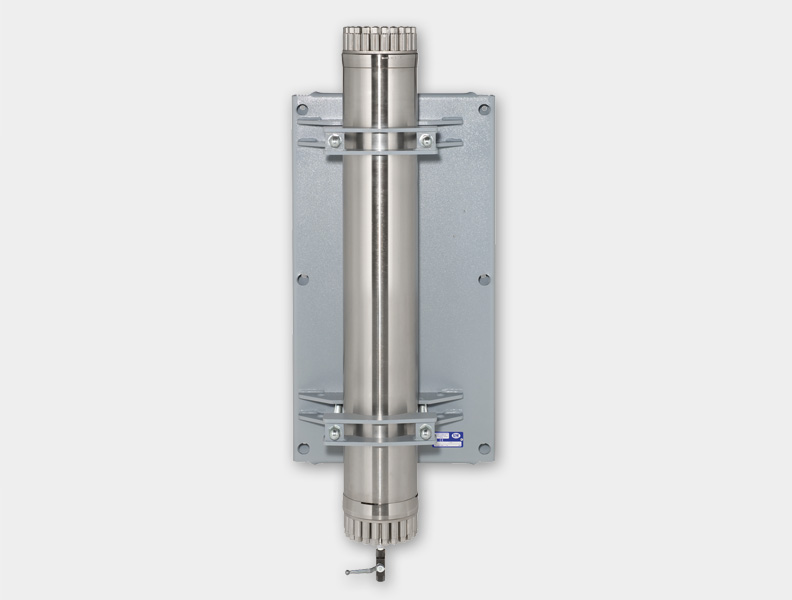
4. Multi-Stage Purification Tower The purification tower is the heart of the breathing air system. In L&W systems, it contains a sequence of purpose-formulated cartridge media that together address the full contaminant spectrum:
Coalescing / Particulate Filtration: Removes sub-micron oil aerosols and fine particulates that pass through mechanical separators. This stage captures oil mist to the levels required by EN 12021 and CGA Grade E.
Activated Carbon: Adsorbs oil vapors, hydrocarbons, taste- and odor-causing compounds, and other volatile organic contaminants. Activated carbon does not remove CO and must not be relied upon for CO control.
Molecular Sieve / Desiccant Media: Removes residual water vapor through adsorption, achieving the low dew points required by breathing air standards. Molecular sieve media also provides some selectivity for other polar molecules.
Hopcalite or Catalytic CO Oxidation Media: Where the risk of CO contamination exists — including all fire service and any application with combustion sources near the intake — a catalytic oxidizer converts CO to CO₂ at concentrations below harmful levels. Hopcalite-type catalysts are sensitive to moisture; they must be protected by upstream desiccant stages and replaced according to manufacturer specifications. Some L&W configurations integrate CO catalyst media within the purification cartridge sequence for this purpose.
Final Particulate Filter: A downstream particulate filter captures any media fines that may be released from upstream cartridges, ensuring the final air stream is free of solid contamination before delivery to cylinders.
Coalescing / Particulate Filtration: Removes sub-micron oil aerosols and fine particulates that pass through mechanical separators. This stage captures oil mist to the levels required by EN 12021 and CGA Grade E.
Activated Carbon: Adsorbs oil vapors, hydrocarbons, taste- and odor-causing compounds, and other volatile organic contaminants. Activated carbon does not remove CO and must not be relied upon for CO control.
Molecular Sieve / Desiccant Media: Removes residual water vapor through adsorption, achieving the low dew points required by breathing air standards. Molecular sieve media also provides some selectivity for other polar molecules.
Hopcalite or Catalytic CO Oxidation Media: Where the risk of CO contamination exists — including all fire service and any application with combustion sources near the intake — a catalytic oxidizer converts CO to CO₂ at concentrations below harmful levels. Hopcalite-type catalysts are sensitive to moisture; they must be protected by upstream desiccant stages and replaced according to manufacturer specifications. Some L&W configurations integrate CO catalyst media within the purification cartridge sequence for this purpose.
Final Particulate Filter: A downstream particulate filter captures any media fines that may be released from upstream cartridges, ensuring the final air stream is free of solid contamination before delivery to cylinders.
5. Breathing Air Quality Verification No purification system eliminates the need for periodic breathing air quality testing. L&W systems are designed with sampling ports that allow representative breathing air samples to be taken for laboratory analysis or field testing. Operators should verify CO, CO₂, oxygen concentration, dew point, and oil content at intervals consistent with their applicable standard and risk profile. Online CO monitoring at the fill panel provides continuous protection against CO breakthrough and is considered best practice for fire service and commercial diving operations.
Mechanisms and Components
The performance of each stage in the purification train depends on the physical and chemical properties of the media involved. Activated carbon operates by physical adsorption — contaminant molecules adhere to the high-surface-area carbon structure — and its capacity is finite and non-regenerable in field conditions. Molecular sieve operates by selective adsorption based on molecular size and polarity. Catalytic CO oxidation requires a minimum moisture level to function in some formulations, while Hopcalite requires moisture to be absent. Correct sequencing of these media within the purification tower is therefore not arbitrary; it reflects the interdependencies between stages.
L&W purification cartridges are formulated and sequenced to account for these interdependencies, providing predictable performance across the full rated cartridge life when operated within specified conditions.
Effectiveness in Purifying Air
The effectiveness of a high-pressure purification system is a function of correct specification, correct installation, and correct maintenance. An oversized purification tower on a low-output compressor will provide extended cartridge life and robust performance margins. An undersized or improperly maintained system may deliver air that meets standards at the beginning of a cartridge cycle but fails before the replacement interval is reached.
LW Americas works with customers to perform system sizing analysis for L&W purification systems, ensuring that the purification capacity is appropriately matched to the compressor output, ambient conditions, and duty cycle of the application.
Best Practices for Filter Cartridge Replacement
Purification cartridge replacement is one of the most operationally critical maintenance activities in a breathing air system. Unlike general compressed air filtration, where cartridge failure results in downstream equipment contamination, a purification cartridge failure in a breathing air system results directly in non-compliant — and potentially hazardous — air being delivered to users.
Determining Replacement Intervals
Replacement intervals for breathing air purification cartridges are not defined by fixed calendar schedules alone. The capacity of a purification cartridge is consumed by the actual contaminant load it processes, which is a function of several interdependent variables:
Compressor Operating Hours: The primary measure of cartridge utilization. All manufacturers specify a maximum operating hour rating for their cartridges, which represents the expected capacity under defined reference conditions.
Ambient Humidity and Temperature: High ambient humidity dramatically accelerates moisture loading of desiccant media and reduces the effective life of CO catalyst media. Cartridges used in tropical, coastal, or high-humidity environments will require replacement significantly sooner than the nominal operating hour rating suggests.
Ambient Contaminant Levels: Elevated ambient CO, hydrocarbon vapors, or particulate loads — common in urban, industrial, or fire-ground environments — increase the rate at which activated carbon and particulate media are consumed.
Air Consumption and Duty Cycle: A compressor operating continuously at full capacity processes more air — and therefore more contaminants — per hour than one operating on an intermittent duty cycle, even if the clock-hours are the same. Volumetric air throughput is a more accurate basis for cartridge life assessment in high-duty-cycle applications.
Manufacturer Guidance and Cartridge Specifications: L&W cartridge data sheets specify rated capacity under reference conditions and provide guidance on applying correction factors for humidity and contaminant load. These specifications must be used as the basis for replacement planning, not estimated or approximated from general industry averages.
Compressor Operating Hours: The primary measure of cartridge utilization. All manufacturers specify a maximum operating hour rating for their cartridges, which represents the expected capacity under defined reference conditions.
Ambient Humidity and Temperature: High ambient humidity dramatically accelerates moisture loading of desiccant media and reduces the effective life of CO catalyst media. Cartridges used in tropical, coastal, or high-humidity environments will require replacement significantly sooner than the nominal operating hour rating suggests.
Ambient Contaminant Levels: Elevated ambient CO, hydrocarbon vapors, or particulate loads — common in urban, industrial, or fire-ground environments — increase the rate at which activated carbon and particulate media are consumed.
Air Consumption and Duty Cycle: A compressor operating continuously at full capacity processes more air — and therefore more contaminants — per hour than one operating on an intermittent duty cycle, even if the clock-hours are the same. Volumetric air throughput is a more accurate basis for cartridge life assessment in high-duty-cycle applications.
Manufacturer Guidance and Cartridge Specifications: L&W cartridge data sheets specify rated capacity under reference conditions and provide guidance on applying correction factors for humidity and contaminant load. These specifications must be used as the basis for replacement planning, not estimated or approximated from general industry averages.
Operators should maintain a compressor logbook recording operating hours per session, ambient conditions, and cartridge installation dates. This record provides the data needed to schedule replacements accurately and to demonstrate compliance due diligence to regulatory authorities.
Types of Purification Media Used
In high-pressure breathing air systems, the relevant purification media are those formulated for the specific contaminant classes present in compressed breathing air:
Multi-stage combination cartridges integrating coalescing filtration, activated carbon, molecular sieve, and (where specified) CO catalyst media in a single, sequenced assembly — as used in L&W purification systems.
Activated carbon for oil vapor and hydrocarbon adsorption.
Molecular sieve / desiccant media for water vapor removal and dew point control.
Hopcalite or equivalent catalytic oxidizer for CO control where intake contamination is a risk.
Final particulate filters to protect downstream components and ensure clean delivery.
Multi-stage combination cartridges integrating coalescing filtration, activated carbon, molecular sieve, and (where specified) CO catalyst media in a single, sequenced assembly — as used in L&W purification systems.
Activated carbon for oil vapor and hydrocarbon adsorption.
Molecular sieve / desiccant media for water vapor removal and dew point control.
Hopcalite or equivalent catalytic oxidizer for CO control where intake contamination is a risk.
Final particulate filters to protect downstream components and ensure clean delivery.
General-purpose HEPA filters and broad-spectrum chemical filtration media designed for ambient air quality applications are not appropriate substitutes for purpose-formulated breathing air purification cartridges. They do not address the contaminant profile of compressed breathing air and do not carry the product certifications required for breathing air use.
Proper Procedures for Replacing Cartridges
Cartridge replacement should be performed by trained personnel following the compressor manufacturer’s documented procedures. Key procedural requirements include:
Depressurizing the purification system completely before opening any cartridge housing.
Recording the cartridge replacement in the system logbook, including the date, compressor hours at replacement, and the cartridge batch/lot number.
Inspecting O-rings, seals, and housing threads during each replacement.
Verifying system integrity — including all connections and bypass valve positions — before returning the system to service.
Conducting a breathing air quality test after cartridge replacement to confirm performance before filling cylinders for use.
Depressurizing the purification system completely before opening any cartridge housing.
Recording the cartridge replacement in the system logbook, including the date, compressor hours at replacement, and the cartridge batch/lot number.
Inspecting O-rings, seals, and housing threads during each replacement.
Verifying system integrity — including all connections and bypass valve positions — before returning the system to service.
Conducting a breathing air quality test after cartridge replacement to confirm performance before filling cylinders for use.
LW Americas provides technical support for L&W system maintenance, including cartridge supply, replacement procedure guidance, and troubleshooting for operators across diving, fire service, commercial, and industrial breathing air applications.
Importance of Compliance
Compliance with breathing air purification standards is a non-negotiable operational requirement for organizations supplying compressed breathing air in life-safety applications. The standards framework — CGA Grade E, EN 12021, NFPA 1989, and applicable occupational health regulations — exists because the consequences of non-compliance are measured in human health and, in the most serious cases, in lives.
Organizations that operate high-pressure breathing air systems bear a direct responsibility for the quality of the air they supply. This responsibility is discharged through correct system specification, rigorous cartridge management, periodic air quality testing, and the selection of purification equipment that is purpose-designed and field-proven for the application.
LW Americas supports this responsibility across the Americas as the authorized distributor of L&W breathing air purification systems, providing equipment supply, technical consultation, and ongoing operational support for fire service, diving, commercial, and industrial breathing air operations. Operators seeking to review their current purification system configuration, cartridge management program, or compliance documentation are encouraged to contact LW Americas directly.
High-Pressure Compressor Maintenance Best Practices: Comprehensive Service and Preventive Care for Optimal Performance
High-pressure compressors are critical components in various industrial applications, requiring diligent maintenance to ensure optimal performance and longevity. This article delves into the best practices for high-pressure compressor maintenance, focusing on preventive care strategies that can significantly enhance reliability and efficiency. Readers will learn about essential maintenance schedules, key component upkeep, industry-specific requirements, and advanced monitoring technologies that are transforming maintenance practices. By understanding these best practices, operators can mitigate risks, reduce downtime, and extend the lifespan of their compressor systems.
The importance of regular maintenance cannot be overstated, as it directly impacts operational efficiency and safety. This guide will cover essential preventive maintenance schedules, the maintenance of key components, industry-specific requirements, troubleshooting common issues, and the role of professional services. Additionally, we will explore how advanced monitoring technologies are reshaping maintenance strategies in the industry.
Note: Maintenance intervals, continuous-duty applicability, and component service schedules vary by compressor model, configuration, and application. Operators should always follow the specific guidance provided by the compressor manufacturer to ensure optimal care and compliance.
What Are the Essential Preventive Maintenance Schedules for High-Pressure Compressors?
Preventive maintenance schedules are vital for ensuring the reliability and efficiency of high-pressure compressors. These schedules typically include daily, weekly, monthly, quarterly, and annual tasks designed to identify and address potential issues before they escalate into costly failures.
Which Daily and Weekly Checks Ensure Continuous-Duty Compressor Reliability?
Daily and weekly checks are crucial for maintaining continuous-duty compressor reliability. These checks typically include:
Visual Inspections: Regularly inspect the compressor for any signs of wear, leaks, or unusual noises.
Oil Level Checks: Ensure that the oil levels are within the recommended range to prevent overheating and mechanical failure.
Moisture Trap Drainage: Drain moisture from traps to prevent contamination and maintain air quality.
These routine checks help identify potential issues early, ensuring that the compressor operates smoothly and efficiently.
How Do Monthly, Quarterly, and Annual Maintenance Tasks Extend Compressor Lifespan?
Monthly, quarterly, and annual maintenance tasks play a significant role in extending the lifespan of high-pressure compressors. Key activities include:
Replacing Filters and Seals: Regular replacement of filters and seals prevents contamination and maintains optimal performance.
Calibrating Sensors: Quarterly calibration of sensors ensures accurate readings and helps in maintaining system reliability.
Conducting Major Inspections: Annual inspections allow for a comprehensive assessment of the compressor’s condition, identifying any necessary repairs or replacements.
By adhering to these maintenance schedules, operators can significantly reduce the risk of breakdowns and enhance the overall health of their compressor systems.
How Should Key Components Be Maintained in High-Pressure Compressor Systems?
Key components in high-pressure compressor systems require proactive maintenance to ensure optimal performance. This involves monitoring telemetry trends and conducting regular inspections to detect issues before they lead to failures.
What Are Best Practices for High-Pressure Compressor Oil Changes and Air Filter Replacements?
Routine Checks: Implement daily visual inspections, oil level checks, and moisture trap drainage. Weekly, monitor differential pressure across filters and verify alarms and gauges.
Scheduled Replacements: Follow manufacturer recommendations for filter replacements based on operational hours. Monthly or quarterly tasks should include calibrating sensors and recording compressor hours.
Documentation: Maintain records of maintenance tasks, including dates, technician details, compressor hours, filter part numbers, and test results to support compliance audits.
Preventive Maintenance: Develop a maintenance schedule that aligns with duty cycles and manufacturer guidance, ensuring timely oil changes and filter replacements to prevent failures.
Troubleshooting Protocols: Start with basic diagnostics and escalate to manufacturer support for specialized issues, ensuring filters and seals are replaced before failure.
These practices help ensure system reliability and readiness for audits.
How Is Safety Valve Testing and Breathing Air Purification System Maintenance Performed?
Safety valve testing and maintenance of breathing air purification systems are critical for ensuring compliance with safety standards. Regular testing protocols should include:
Functional Testing: Conduct tests to ensure that safety valves operate correctly under pressure.
Inspection of Purification Systems: Regularly inspect and maintain air purification systems to ensure they meet air quality standards.
Documentation of Results: Keep detailed records of testing and maintenance activities to demonstrate compliance with safety regulations.
These measures are essential for maintaining the safety and reliability of high-pressure compressor systems.
What Are Industry-Specific Maintenance Requirements for High-Pressure Compressors?
Industry-specific maintenance requirements for high-pressure compressors vary based on application and regulatory standards. Key considerations include:
Monitoring Quality Parameters: Compressor controls must support the monitoring of quality parameters such as total hydrocarbons, CO, moisture, and particulate limits to comply with applicable breathing air guidelines.
Routine Sampling: Regular sampling of the air quality is necessary to ensure compliance with safety standards.
Engineering Review: A thorough engineering review is essential due to the safety-critical nature of breathing air systems.
Telemetry and Proactive Maintenance: Utilizing telemetry to analyze trends can help detect issues like declining flow or abnormal vibrations before failures occur, allowing for proactive maintenance scheduling.
Calibration and Safety Checks: Regular checks and maintenance of pressure sensors and calibration of gauges are critical to ensure safe operating pressures and prevent over-pressurization.
Redundancy Strategies: In critical applications, redundancy strategies such as standby compressors or automatic switchover systems are important to prevent production halts or ensure patient safety.
Custom Engineering and Lifecycle Planning: Custom engineering may be required for specific applications, along with lifecycle maintenance planning to ensure long-term operational reliability.
These requirements vary between industrial and medical applications, reflecting the different safety and operational priorities in each context.
How Do Diving Compressors Meet Preventive Maintenance and Air Quality Standards?
Diving compressors meet preventive maintenance and air quality standards by incorporating features such as controlled pressure, certified filtration, and adherence to recognized air quality standards. These standards specify limits for total hydrocarbons, carbon monoxide (CO), moisture, and particulates. Continuous-duty high-pressure compressors are designed for sustained operation, which enhances reliability and safety. They also utilize robust mechanical designs and thermal management strategies to ensure consistent performance and compliance with air quality requirements, particularly for applications like breathing air systems.
What Are Firefighting and Medical Compressor Maintenance Protocols for Safety Compliance?
Firefighting and medical compressor maintenance protocols emphasize safety compliance through:
Regular Testing and Inspections: Conducting routine tests to ensure that compressors meet safety standards.
Documentation of Maintenance Activities: Keeping detailed records of all maintenance activities to demonstrate compliance with regulatory requirements.
Training for Personnel: Ensuring that personnel are trained in safety protocols and emergency procedures related to compressor operation.
These protocols are essential for maintaining safety in critical applications.
How Can Common High-Pressure Compressor Issues Be Diagnosed and Troubleshot Effectively?
Diagnosing and troubleshooting common high-pressure compressor issues is essential for maintaining operational efficiency. Key strategies include:
What Are Typical Faults and Their Immediate Fixes in High-Pressure Systems?
Common faults in high-pressure systems can often be addressed with immediate fixes. Typical issues include:
Pressure Drops: Check for leaks in the system and ensure that all connections are secure.
Unusual Noises: Investigate potential mechanical failures or misalignments in the compressor components.
Overheating: Ensure proper lubrication and cooling systems are functioning effectively.
By addressing these faults promptly, operators can prevent more significant issues from developing.
How Is Compressor Overheating Diagnosed and Prevented?
Compressor overheating can be diagnosed and prevented through:
Monitoring Temperature: Regularly check temperature readings to identify any abnormal increases.
Adjusting Operational Parameters: Ensure that the compressor operates within the recommended parameters to prevent overheating.
Routine Maintenance: Conduct regular maintenance on cooling systems and lubrication to ensure optimal performance.
These preventive measures are crucial for maintaining the longevity and efficiency of high-pressure compressors.
What Professional Services and Genuine Parts Support High-Pressure Compressor Maintenance?
Professional services and genuine parts are essential for effective high-pressure compressor maintenance. Utilizing certified technicians and high-quality components ensures that maintenance tasks are performed to the highest standards.
How Do LW Americas’ Certified Technicians Enhance Compressor Service and Repair?
Extensive Training: Technicians undergo rigorous training to stay updated on the latest maintenance practices and technologies.
Expertise in Troubleshooting: Their experience allows for quick identification and resolution of issues, minimizing downtime.
Use of Genuine Parts: Utilizing genuine parts ensures compatibility and reliability, extending the lifespan of the compressor.
This level of expertise is crucial for maintaining the operational efficiency of high-pressure compressors.
Where Can Operators Find Genuine Spare Parts and Maintenance Kits for High-Pressure Compressors?
Authorized Dealers: Purchasing from authorized dealers ensures that parts meet manufacturer specifications.
Online Availability: Many suppliers offer online ordering for convenience and quick access to necessary components.
Local Distributors: Local distributors can provide immediate access to parts, reducing downtime during maintenance.
These sources are vital for ensuring that operators have the necessary components for effective maintenance.
How Are Advanced Monitoring Technologies Transforming High-Pressure Compressor Maintenance?
Advanced monitoring technologies are transforming high-pressure compressor maintenance by enabling a shift from reactive to predictive service models. IoT and predictive maintenance tools provide real-time telemetry data such as vibration, temperature, and flow rates, allowing operators to monitor key performance indicators (KPIs). This data helps in identifying potential issues before they lead to failures, thereby improving uptime and optimizing maintenance schedules.
What Role Do IoT and Predictive Maintenance Play in Continuous-Duty Compressor Care?
IoT and predictive maintenance play a significant role in continuous-duty compressor care by enabling operators to transition from reactive to predictive service models. These technologies provide telemetry data such as vibration, temperature, and flow rates, which help in monitoring the compressor’s performance and identifying potential issues before they lead to failures. This proactive approach improves uptime and informs maintenance decisions, ultimately enhancing the total cost of ownership and operational efficiency.
Further emphasizing the transformative impact of these technologies, research highlights how predictive maintenance, powered by IoT and machine learning, is revolutionizing industrial compressor care.
Industry 4.0 Predictive Maintenance for Industrial Compressors
In the era of Industry 4.0, predictive maintenance has become a cornerstone for ensuring operational efficiency, minimizing downtime, and extending the lifespan of industrial equipment. This paper presents a comprehensive approach to predictive maintenance and real-time monitoring of industrial air compressors using machine learning techniques integrated with Internet of Things (IoT) infrastructure.
Predictive Maintenance and Monitoring of Industrial Compressors Using Machine Learning: A Proactive Approach, P Dwivedi, 2025
How Does Remote Monitoring Improve Compressor Performance and Prevent Downtime?
Remote monitoring improves compressor performance and prevents downtime by enabling predictive maintenance through the collection and analysis of key performance indicators (KPIs) such as flow rate, motor load, vibration, coolant temperature, and oil condition. This telemetry allows operators to detect potential issues, such as declining flow rates or abnormal vibrations, before they lead to failures. By transitioning from reactive to predictive service models, operators can schedule maintenance interventions proactively, reducing unplanned downtime and extending the life of the compressor. Additionally, smart monitoring enhances decision-making regarding specifications and maintenance, ultimately improving uptime and operational efficiency.
Why Regular Compressor Maintenance Is Critical for Reliability, Efficiency, and Safety
Regular compressor maintenance is critical for reliability, efficiency, and safety because it ensures that the system operates within its designed parameters, preventing failures that could lead to downtime or hazardous situations.
Proper maintenance helps maintain optimal performance, reduces operating costs, and extends the lifespan of the equipment.
Additionally, in safety-critical applications, adherence to maintenance protocols is essential to meet purity and operational standards, thereby safeguarding users and ensuring compliance with regulations.
This article will explore the key benefits of regular compressor maintenance, how preventive maintenance reduces downtime, the recommended service schedule, and the importance of factory-certified parts and expert support.
What Are the Key Benefits of Regular Compressor Maintenance?
Regular compressor maintenance offers several key benefits that enhance the overall performance and longevity of the equipment. These benefits include improved reliability, cost savings, and extended equipment lifespan.
By implementing a structured maintenance program, operators can ensure that compressors function efficiently and safely, ultimately leading to better operational outcomes.
How Does Maintenance Improve Compressor Reliability and Lifespan?
Maintenance improves compressor reliability and lifespan by ensuring that components such as filters and seals are replaced before they fail, which prevents unexpected breakdowns. Routine checks and preventive maintenance activities, including daily visual inspections, weekly monitoring of differential pressure, and monthly or quarterly replacements and calibrations, help maintain system reliability. These practices not only reduce downtime but also support compliance with standards and enable rapid diagnosis of faults when they occur. Additionally, structured maintenance schedules and thorough record-keeping create a history that aids in audits and supports predictive maintenance, ultimately enhancing the compressor’s operational longevity.
In What Ways Does Maintenance Enhance Energy Efficiency?
Maintenance enhances energy efficiency by implementing structured programs that reduce operating costs, extend equipment life, and minimize performance degradation.
Key practices include:
Predictive Maintenance: Monitoring conditions like temperature and vibration helps schedule interventions before failures occur, reducing unplanned downtime and maintaining efficiency.
Routine Maintenance: Regular tasks such as filter changes and inspections prevent performance degradation and catastrophic failures, ensuring the system operates at optimal efficiency.
Efficiency Technologies: Innovations like variable speed drives and heat recovery systems lower energy consumption and improve operational efficiency, although they may introduce complexity in control.
Documentation and Record-Keeping: Keeping detailed maintenance records supports compliance and helps identify trends that can inform future maintenance and operational decisions.
These practices collectively contribute to a more energy-efficient operation by ensuring that equipment runs smoothly and effectively.
The integration of advanced technologies like machine learning and IoT further solidifies the role of predictive maintenance in achieving these goals.
Industrial Compressor Predictive Maintenance for Efficiency & Lifespan
In the era of Industry 4.0, predictive maintenance has become a cornerstone for ensuring operational efficiency, minimizing downtime, and extending the lifespan of industrial equipment. This paper presents a comprehensive approach to predictive maintenance and real-time monitoring of industrial air compressors using machine learning techniques integrated with Internet of Things (IoT) infrastructure. The proposed framework leverages a multi-sensor setup to continuously collect critical parameters such as temperature, pressure, and flow rate from compressor units.
Predictive Maintenance and Monitoring of Industrial Compressors Using Machine Learning: A Proactive Approach, P Dwivedi, 2025
How Does Preventive Maintenance Reduce Compressor Downtime?
Preventive maintenance reduces compressor downtime by ensuring that components such as filters and seals are replaced before they fail, which helps maintain system reliability. Regular operational checklists and maintenance routines, including daily visual inspections and weekly monitoring of differential pressure, allow for rapid diagnosis of faults. This structured approach to maintenance, aligned with manufacturer guidance, helps prevent unexpected breakdowns and supports compliance with operational standards, ultimately leading to increased uptime and reduced downtime.
What Are Common Causes of Compressor Downtime Prevented by Maintenance?
Common causes of compressor downtime that can be prevented through regular maintenance include:
Component Failures: Regular inspections and timely replacements of worn-out parts can prevent sudden failures.
Lack of Inspections: Routine checks help identify potential issues before they escalate into major problems.
Improper Lubrication: Ensuring that oil levels are maintained can prevent overheating and mechanical failures.
How Can Scheduled Service Minimize Unexpected Failures?
Scheduled service minimizes unexpected failures by implementing routine maintenance practices that include visual checks, filter changes, and thermal analysis. This proactive approach allows for the early detection of wear patterns and potential issues, enabling operators to address problems before they lead to catastrophic failures and long downtimes. Additionally, technologies like IoT condition monitoring provide alerts for maintenance needs, further reducing unplanned downtime and optimizing performance.
Further emphasizing the role of advanced technology in maintenance, a study highlights the importance of IoT for compressor health monitoring.
IoT Compressor Health Monitoring for Reliability & Downtime Reduction
Any device or machine that needs regular monitoring and inspection for its better life and maintenance. Condition monitoring of machines in time and frequency domain is definitely necessary to maintain the reliability. Condition monitoring is the way toward observing a parameter of condition in machinery (vibration, temperature and etc.), with a specific end goal to recognize a significant change which is indicative of a developing fault. It is a major component of predictive maintenance and for reducing downtime of a compressor.
Compressor Health monitoring using IOT, 2019
What Is the Recommended Air Compressor Service Schedule?
Establishing a recommended service schedule is essential for maintaining compressor performance and reliability. Regular service intervals help ensure that all components are functioning optimally and that any potential issues are addressed promptly.
How Often Should Oil Changes and Filter Replacements Occur?
While specific recommendations may vary based on the compressor model and usage, oil changes and filter replacements should generally occur every 500 to 1,000 operating hours or at least once every three to six months. Regularly changing oil and filters helps maintain optimal performance and prevents contamination that can lead to equipment failure.
What Are the Signs That Indicate Immediate Maintenance Is Needed?
Signs that indicate immediate maintenance is needed include:
Performance Issues: Decreased efficiency or unusual noises can signal underlying problems.
Visual Indicators: Oil leaks or excessive vibration should prompt immediate inspection.
Temperature Fluctuations: Abnormal temperature readings can indicate potential overheating or mechanical failure.
Which Maintenance Practices Ensure Compressor Safety and Compliance?
Ensuring compressor safety and compliance involves implementing specific maintenance practices that adhere to industry standards. Regular maintenance not only protects the equipment but also safeguards the operators and the environment.
What Safety Checks Are Essential During Regular Maintenance?
Essential safety checks during regular maintenance include:
Filter Changes: Regularly replacing filters to ensure clean operation.
Vibration Analysis: Monitoring vibrations to detect early signs of wear or malfunction.
Oil and Seal Inspections: Checking oil levels and seal integrity to prevent leaks and ensure proper lubrication.
Scheduled Overhauls: Performing comprehensive inspections and maintenance at set intervals to prevent catastrophic failures.
Temperature Monitoring: Keeping track of discharge temperatures to avoid overheating and ensure safe operation.
These checks help prevent performance degradation and avoid long downtimes.
How Does Maintenance Prevent Hazardous Failures in High-Pressure Compressors?
Maintenance prevents hazardous failures in high-pressure compressors by ensuring that all components are functioning correctly and that safety protocols are followed. Regular inspections and adherence to maintenance schedules help identify potential risks, allowing for timely interventions that mitigate the chances of catastrophic failures.
How Do Factory-Certified Parts and Expert Support Enhance Maintenance Outcomes?
Factory-certified parts and expert support enhance maintenance outcomes by ensuring that components are designed for maintainability and aligned with adopted standards. This structured approach reduces installation risk and provides reliable fill-station uptime, predictable maintenance costs, and facilitates compliance verification during audits. Additionally, local support presence allows for faster response times for parts and technical queries, which further improves maintenance efficiency and effectiveness.
Why Use Factory-Certified Oil, Filters, and Spare Parts?
Using factory-certified oil, filters, and spare parts ensures that the components meet the manufacturer’s specifications, which is crucial for maintaining the integrity and performance of the compressor. These certified parts are designed to work seamlessly with the equipment, reducing the risk of failures and enhancing overall reliability.
How Does Responsive North American Support Improve Maintenance Efficiency?
Responsive North American support improves maintenance efficiency by providing faster responses for parts and technical queries, which helps reduce downtime. Additionally, the local support presence allows for custom solutions and comprehensive project management that minimize installation complexity. This results in reliable fill-station uptime and predictable maintenance costs, facilitating compliance verification during audits against adopted standards. Overall, these attributes contribute to a more efficient maintenance process for departments managing life-safety infrastructure.
Maintenance Practice
Benefit
Frequency
Routine Inspections
Early fault detection
Daily/Weekly
Filter Changes
Prevents contamination
Every 500-1,000 hours or 3-6 months
Oil Changes
Maintains lubrication
Every 500-1-000 hours or 3-6 months
Vibration Analysis
Identifies wear patterns
Monthly/Quarterly
This table summarizes essential maintenance practices, their benefits, and recommended frequencies to ensure optimal compressor performance and safety.
Regular compressor maintenance is not just a best practice; it is a critical component of operational efficiency and safety. By understanding the importance of maintenance, operators can significantly reduce downtime, enhance energy efficiency, and ensure compliance with safety standards.
Why German-Engineered Compressors Excel in Marine Applications: Unrivaled Reliability, Performance, and Compliance
German-engineered compressors are renowned for their exceptional reliability and performance, particularly in marine applications where operational efficiency is critical. This article delves into the unique characteristics that set these compressors apart, focusing on their engineering excellence, continuous duty capabilities, corrosion resistance, and compliance with stringent air quality standards. Readers will gain insights into how these features contribute to the overall effectiveness of marine compressor systems, ensuring safety and efficiency in demanding environments.
The pursuit of reliability and efficiency in marine engineering has a long history, continuously driving advancements in critical components like compressors.
Marine Engine Design for Reliability & Efficiency
During the past 15-20 years, the market requirements and the keen competition in the marine sector have resulted in significant technical developments which have reduced the specific fuel oil consumption of large marine diesel engines to below 160 g/kWh and enabled these engines to burn heavy fuel oils of ever deteriorating quality, while still maintaining high reliability and low maintenance costs.
Design For Efficiency And Reliability, 1988
As marine operations often face challenges such as harsh conditions and the need for uninterrupted service, understanding the advantages of German-engineered compressors becomes essential for operators and decision-makers alike. We will explore the defining traits of these compressors, their operational benefits, and how companies like LW Americas support these advanced technologies.
What Defines German Engineering Excellence in Marine Compressors?
German engineering excellence in marine compressors is characterized by precision manufacturing, robust design, and a commitment to quality. These compressors are built to withstand the rigors of marine environments, ensuring reliability and longevity. The use of advanced materials and manufacturing techniques results in compressors that not only perform efficiently but also require less maintenance over time.
How Does Precision Manufacturing Enhance Marine Compressor Reliability?
Precision manufacturing enhances marine compressor reliability by utilizing robust mechanical components and optimized designs, such as one-piece cast blocks, which improve durability and reduce the potential for leaks. This manufacturing approach also supports continuous-duty platforms that can sustain long run times with predictable maintenance intervals, ultimately leading to lower total cost per delivered cubic foot and higher resilience for critical systems. Additionally, precision manufacturing allows for tailored configurations and custom engineering to meet specific operational demands, ensuring that compressors perform reliably under varying conditions.
What Are the Benefits of the L&W One-Piece Cast Block Design?
The L&W one-piece cast block design offers several advantages that enhance the performance and reliability of marine compressors. This design eliminates potential leak paths, improves heat dissipation, and enhances durability, making it ideal for continuous-duty applications. By reducing the number of components, the one-piece cast block also simplifies maintenance and minimizes the risk of mechanical failure, ensuring that compressors operate efficiently in demanding marine environments.
How Do German Marine Compressors Ensure Continuous Duty Operation?
German marine compressors ensure continuous duty operation through several design features and innovations. They incorporate energy efficiency improvements such as variable-speed drives and optimized compression staging, which reduce power consumption while maintaining or increasing delivered flow. This design minimizes thermal stress, allowing for longer run times.
Additionally, continuous-duty platforms utilize robust mechanical components and advanced cooling strategies, including improved head designs and one-piece cast blocks, which enhance durability and reduce maintenance needs. These features enable the compressors to operate reliably over extended periods, making them suitable for critical applications like breathing-air systems.
Moreover, the integration of IoT-enabled monitoring allows for real-time tracking of key performance indicators, enabling predictive maintenance and performance optimization. This proactive approach helps maintain uptime and ensures that the compressors can operate continuously without unexpected failures.
Why Is Continuous Duty Critical for Marine Applications?
Continuous duty is critical for marine applications because it ensures reliable and uninterrupted operation, particularly in safety-critical systems like breathing air for diving and firefighting. These applications require continuous availability and specific pressure ratings to meet safety and operational demands. Continuous-duty platforms are designed to handle long run times with predictable maintenance intervals, which is essential for maintaining air purity and operational efficiency in high-pressure environments. Additionally, the robust mechanical components and cooling strategies of continuous-duty systems help sustain performance under demanding conditions, making them suitable for multi-station operations often found in marine settings.
How Do L&W Compressors Compare to Competitors in Run Time and Durability?
L&W compressors are designed for superior run time and durability compared to many competitors. Their continuous-duty design allows for extended operation without the need for frequent maintenance, which is a significant advantage in marine applications where downtime can be costly. The use of high-quality materials and advanced engineering techniques ensures that L&W compressors can withstand harsh marine environments, providing reliable performance over time. Customer feedback often highlights the longevity and efficiency of L&W compressors, reinforcing their reputation as a leading choice in the industry.
What Role Does Corrosion Resistance Play in German-Engineered Marine Compressors?
Corrosion resistance is a vital aspect of German-engineered marine compressors, as these systems often operate in harsh saltwater environments. The materials and design features used in these compressors are specifically chosen to provide superior protection against corrosion, ensuring longevity and reliability.
Which Materials and Design Features Provide Superior Saltwater Protection?
German-engineered marine compressors utilize a variety of corrosion-resistant materials, including stainless steel and specialized coatings, to protect against saltwater damage. These materials are selected for their ability to withstand the corrosive effects of marine environments, ensuring that the compressors maintain their structural integrity over time. Additionally, design features such as sealed components and protective casings further enhance the compressors’ resistance to corrosion, making them suitable for long-term use in challenging conditions.
How Does Corrosion Resistance Extend Compressor Lifespan in Harsh Environments?
Corrosion resistance significantly extends the lifespan of compressors operating in harsh marine environments. By preventing corrosion-related damage, these compressors can maintain optimal performance levels for longer periods, reducing the need for frequent replacements or repairs. This longevity translates into cost savings for operators, as they can rely on their compressors to perform effectively without the constant burden of maintenance. Furthermore, the enhanced durability of corrosion-resistant compressors contributes to overall operational efficiency, ensuring that critical systems remain functional even in the most demanding conditions.
How Do German Compressors Meet and Exceed Marine Breathing Air Quality Standards?
German compressors are designed to meet and often exceed stringent marine breathing air quality standards, ensuring the safety and health of personnel in critical applications. Compliance with these standards is essential for operations such as diving and firefighting, where air quality directly impacts safety.
What Is ISO 8573-1 and Why Is It Essential for Marine Breathing Air?
ISO 8573-1 is a standard that specifies the quality of compressed air, including limits on contaminants such as total hydrocarbons, carbon monoxide (CO), moisture, and particulates. It is essential for marine breathing air because it ensures that the air supplied for breathing meets safety and health standards, which is critical in environments where air quality can directly impact the safety of divers and personnel. Adhering to this standard helps prevent health risks associated with contaminated air, making it vital for applications like diving and firefighting.
How Do L&W Filtration and Purification Systems Ensure Air Purity?
L&W Filtration and Purification Systems ensure air purity by integrating purification modules into their compressor systems. These modules are designed to handle variable gas quality and ensure that the compressed air meets specific purity standards required for various applications. Additionally, the systems include monitoring capabilities that allow for proactive maintenance and verification of air quality, helping to maintain compliance with adopted standards. This structured approach to filtration and monitoring supports the overall integrity and safety of the compressed air systems.
What Applications Benefit Most from High-Pressure German Marine Compressors?
High-pressure German marine compressors benefit applications such as scuba diving, firefighting (specifically for SCBA fill stations), and maritime/offshore operations. These compressors are essential for generating compressed air to required pressures and flow rates, ensuring safe and efficient filling of breathing air systems.
How Are Compressors Used in Diving, Firefighting, and Yacht Air Systems?
Compressors are used in diving, firefighting, and yacht air systems primarily for compressing ambient air to high pressure, filtering contaminants, and storing the compressed air for safe filling of SCBA cylinders or diving tanks.
In diving, compressors like the YachtPro™ Essential (YP100) automate the filling process, allowing users to connect tanks and fill them to a programmed pressure without constant supervision.
In firefighting, SCBA fill stations utilize high-pressure compressors combined with multi-stage purification systems to ensure the air quality meets health and safety standards. These systems support rapid refills of SCBA cylinders, enhancing crew readiness and operational efficiency.
For yacht air systems, compressors are integrated to provide compressed air for various onboard needs, including scuba diving, ensuring that the system is designed for ease of use and reliability while sailing.
Overall, compressors play a critical role in ensuring the availability of safe, high-quality breathing air across these applications.
What Advantages Do German Compressors Offer for Industrial and Offshore Marine Uses?
The advantages of German compressors for industrial and offshore marine uses include:
Automation: Many models, like the YachtPro™ Essential (YP100), are fully automated, allowing users to focus on other tasks while the compressor fills tanks to the programmed pressure.
Variable Frequency Drive (VFD): This feature helps manage the inrush current when starting the electric motor, enhancing efficiency.
Continuous-Duty Operation: Designed for sustained high-pressure fills, these compressors support continuous operation, which is crucial for industrial and marine applications.
Monitoring Systems: Advanced monitoring capabilities, such as telemetry for detecting performance issues, ensure reliability and proactive maintenance.
Durability: Features like one-piece cast blocks contribute to the robustness and longevity of the compressors, making them suitable for harsh marine environments.
Custom Engineering Support: Many suppliers offer tailored solutions and project management, ensuring that the compressor system meets specific operational needs and standards.
How Does LW Americas Support and Innovate German-Engineered Marine Compressor Solutions?
LW Americas supports and innovates German-engineered marine compressor solutions by offering tailored high-pressure solutions, project management services, and responsive North American support. They provide custom designs, 2D/3D drawings, and equipment selection to meet specific customer needs. Their product portfolio includes continuous-duty high-pressure compressors and gas systems optimized for reliability and lower maintenance needs, which are essential for life-safety applications. Additionally, LW Americas emphasizes adherence to recognized standards, such as NFPA 1989, while accommodating local regulations, ensuring that their solutions align with safety and operational requirements.
What Customization and Project Management Services Are Available?
LW Americas offers customization and project management services that include:
Requirements Capture: Understanding specific needs for compressor solutions.
Compressor Selection: Choosing the right compressor based on site-specific constraints and performance targets.
Engineering Design: Tailoring designs to meet unique operational and regulatory requirements.
Packaging: Customizing the physical configuration of the compressor system.
Site Support: Providing assistance during installation and integration with existing systems.
How Does the North American Service Network Enhance Compressor Maintenance and Parts Availability?
The North American Service Network enhances compressor maintenance and parts availability through several key strategies. They provide professional sizing support and project management services that include custom engineering and installation-ready layouts, ensuring that compressors are tailored to specific operational demands. This approach helps in maintaining optimal performance and serviceability.
Additionally, the network leverages advancements in technology, suchs as IoT and predictive maintenance tools, which allow for real-time monitoring of compressor performance metrics. This capability enables operators to transition from reactive to predictive maintenance models, improving uptime and reducing unexpected failures. By focusing on total cost of ownership and integrating smart monitoring solutions, the network ensures that parts and maintenance services are readily available, thus enhancing overall reliability and efficiency in compressor operations.
Essential Steps for Effective Compressor System Maintenance: Comprehensive Guide and Checklist
Effective maintenance of high-pressure compressor systems is crucial for ensuring operational efficiency, safety, and longevity. This comprehensive guide outlines essential steps for maintaining these systems, focusing on key components, preventive maintenance scheduling, and troubleshooting techniques. Readers will learn how to develop a robust maintenance strategy that minimizes downtime and enhances performance. Many organizations face challenges in maintaining compressor systems, leading to increased operational costs and safety risks. By implementing effective maintenance practices, these issues can be mitigated, ensuring reliable performance. This article will cover the key components of compressor maintenance, how to develop a preventive maintenance schedule, industry-specific practices, troubleshooting methods, and the role of predictive maintenance and IoT in compressor upkeep.
What Are the Key Components in High-Pressure Compressor Maintenance?
The key components in high-pressure compressor maintenance include:
Telemetry Monitoring: Analyzing telemetry trends to detect issues like declining flow, increasing motor current, or abnormal vibrations before failures occur.
Specification Validation: Ensuring the compressor matches design assumptions through measured flow and pressure under real conditions.
Proactive Service Scheduling: Adjusting duty cycles and scheduling maintenance based on telemetry data.
Durability Features: Utilizing designs such as one-piece cast blocks and lower RPM operation for enhanced durability.
Installation Support: Providing 2D/3D installation drawings and project management to simplify integration.
Quality Monitoring: Implementing controls to monitor air quality parameters and routine sampling, especially for breathing air applications.
Redundancy Strategies: Incorporating standby compressors or automatic switchover systems to ensure reliability in critical applications.
These components help maintain efficiency, safety, and operational readiness in high-pressure compressor systems.
Which Parts Require Regular Inspection and Servicing?
Regular inspection and servicing of specific parts are essential for maintaining high-pressure compressors. Key components that require attention include:
Oil Filters: Should be replaced regularly to ensure proper lubrication and prevent contamination.
Air Filters: Must be checked and cleaned or replaced to maintain airflow and efficiency.
Safety Valves: Require periodic testing to ensure they function correctly in emergency situations.
Establishing a routine inspection schedule for these parts can significantly enhance the reliability and performance of compressor systems.
How Do Component Quality and Design Affect Maintenance Frequency?
Component quality and design significantly affect maintenance frequency by influencing the durability and reliability of compressors. High-quality components and robust designs, such as one-piece cast blocks and optimized cooling strategies, enable continuous-duty operation with predictable maintenance intervals. This reduces the likelihood of failures and the need for frequent repairs. Additionally, innovations like IoT-enabled monitoring allow for predictive maintenance, enabling operators to identify potential issues before they lead to failures, further decreasing maintenance frequency. Overall, better component quality and design lead to lower maintenance needs and extended operational life.
How to Develop a Preventive Compressor Maintenance Schedule?
To develop a preventive compressor maintenance schedule, consider the following steps based on the provided context:
Monitor Key Performance Indicators (KPIs): Utilize IoT-enabled monitoring to track metrics such as flow rate (FAD), motor load, vibration, coolant temperature, and oil condition. This data helps identify trends that may indicate potential failures.
Analyze Telemetry Trends: Regularly review telemetry data to detect declining performance or abnormal conditions before they lead to failures. This proactive approach allows for timely adjustments to duty cycles or scheduling of maintenance.
Define Maintenance Intervals: Establish routine maintenance intervals based on the operational profile and the specific requirements of the compressor. This includes considering factors like expected fills per hour and recovery times.
Incorporate Engineering Reviews: Conduct thorough engineering reviews to ensure compliance with applicable standards and to tailor the maintenance schedule to the specific operational context, whether industrial or medical.
Adjust for Environmental Factors: Take into account environmental influences such as altitude and ambient temperature, which can affect compressor performance and may necessitate more frequent maintenance.
Plan for Redundancy: In critical applications, consider redundancy strategies (e.g., standby compressors) to ensure continuous operation and safety, which may influence maintenance scheduling.
Utilize Continuous-Duty Platforms: If applicable, leverage continuous-duty designs that are built for long run times and predictable maintenance intervals, which can simplify scheduling.
By following these steps, you can create a comprehensive preventive maintenance schedule that enhances reliability and performance.
What Are the Daily, Weekly, and Monthly Maintenance Tasks?
Establishing a routine for daily, weekly, and monthly maintenance tasks is essential for optimal compressor performance. Key tasks include:
Daily Tasks: Check oil levels, inspect for leaks, and monitor pressure gauges.
Weekly Tasks: Clean or replace air filters, inspect safety valves, and check for unusual vibrations.
Monthly Tasks: Conduct a thorough inspection of all components, including electrical connections and mechanical parts.
Implementing these tasks ensures that the compressor operates efficiently and reduces the risk of unexpected failures.
How Should Quarterly and Annual Overhauls Be Conducted?
Quarterly and annual overhauls are critical for maintaining the integrity of high-pressure compressors. Key steps include:
Quarterly Overhauls: Focus on detailed inspections of major components, including the motor and drive system. Replace worn parts and perform necessary adjustments.
Annual Overhauls: Conduct comprehensive evaluations of the entire system, including pressure testing and performance validation. This is also the time to replace any components that show signs of wear.
These overhauls help ensure that compressors remain in peak condition and can operate reliably under demanding conditions.
What Industry-Specific Maintenance Practices Ensure Optimal Compressor Performance?
Industry-specific maintenance practices that ensure optimal compressor performance include:
Regular Monitoring: Implementing compressor controls to monitor quality parameters and routine sampling.
Filtration and Drying: Tailoring filtration and drying stages to remove contaminants to comply with applicable air quality guidelines.
Environmental Considerations: Adjusting for environmental factors like altitude and ambient temperature that can affect performance.
Duty Cycle Management: Matching the duty cycle rating to the operational profile and determining redundancy needs to prevent downtime.
Mechanical Design: Utilizing robust mechanical designs, such as one-piece cast blocks, to improve durability and reduce leak potential.
Custom Engineering: Engaging in custom engineering for installation drawings and lifecycle maintenance planning to ensure compatibility and efficiency.
These practices help maintain efficiency, safety, and compliance with industry standards.
How to Maintain Diving Compressors for Breathing Air Quality Compliance?
To maintain diving compressors for breathing air quality compliance, it is essential to implement multi-stage purification systems combined with continuous monitoring. This approach ensures that any degradation in purification performance is detected before user exposure. Regular inspection of seal integrity and flow paths is also recommended to maintain system integrity. Additionally, integrating filling devices and boost pumps can enhance operational flexibility and help manage pressure during peak demand, contributing to overall compliance and safety.
What Are the Maintenance Requirements for Firefighting and Medical Compressors?
Firefighting and medical compressors have specific maintenance requirements to ensure safety and compliance. Regular checks of air quality, pressure relief valves, and system integrity are crucial. Additionally, adherence to industry standards for air quality and operational readiness is essential. Implementing a rigorous maintenance schedule that includes both routine inspections and comprehensive overhauls will help ensure these compressors operate effectively in critical situations.
How Can Troubleshooting Improve High-Pressure Compressor Reliability?
Troubleshooting can improve high-pressure compressor reliability by allowing operators to detect issues such as declining flow rate, increasing motor current, or abnormal vibrations before they lead to failure. This proactive approach enables adjustments to duty cycles or scheduling of maintenance, thereby enhancing uptime and ensuring the compressor operates within its design specifications. Additionally, monitoring systems can validate compressor performance against design assumptions, further supporting reliability in critical applications.
What Are Common Compressor Issues and Their Solutions?
Common issues faced by compressors include:
Air Leaks: Regularly inspect seals and connections to prevent air loss, which can reduce efficiency.
Overheating: Monitor temperature levels and ensure adequate cooling to prevent overheating, which can damage components.
Oil Carryover: Implement oil condition monitoring to detect contamination and ensure proper lubrication.
Addressing these issues promptly can significantly enhance the reliability and performance of compressor systems.
How to Detect and Address Air Leaks, Overheating, and Oil Carryover?
To detect and address air leaks, overheating, and oil carryover in compressor systems, the following practices can be implemented:
Routine Maintenance: Conduct regular checks including filter changes, oil and seal inspections, and vibration analysis to prevent performance degradation.
Monitoring Technologies: Utilize IoT-enabled condition monitoring to receive alerts on temperature and vibration, which can indicate overheating or other issues.
Visual and Operational Checks: Perform monthly visual inspections and operational checks to identify any visible signs of leaks or overheating.
Thermal Analysis: Conduct annual thermal analysis to monitor temperature levels and identify potential overheating issues.
Oil Condition Monitoring: Regularly check the condition of oil to detect any carryover issues, ensuring that oil levels are appropriate and that the oil is not contaminated.
Escalation Procedures: If basic diagnostics do not resolve issues, escalate to qualified technical support for more complex problems like compressor block failures.
These practices help in early detection and intervention, minimizing downtime and maintaining operational efficiency.
What Role Does Predictive Maintenance and IoT Play in Compressor Upkeep?
Predictive maintenance and IoT play a significant role in compressor upkeep by enabling operators to transition from reactive to predictive service models. IoT-enabled monitoring collects key performance indicators (KPIs) such as flow rate, motor load, vibration, coolant temperature, and oil condition. This telemetry allows for early detection of issues, such as declining flow or abnormal vibrations, before failures occur. Consequently, this approach improves uptime, reduces unplanned downtime, and informs maintenance decisions, ultimately extending the life of the compressor and optimizing its performance.
A recent study further emphasizes the transformative impact of integrating IoT and machine learning for proactive compressor maintenance.
Industrial Compressor Predictive Maintenance with IoT & ML
In the era of Industry 4.0, predictive maintenance has become a cornerstone for ensuring operational efficiency, minimizing downtime, and extending the lifespan of industrial equipment. This paper presents a comprehensive approach to predictive maintenance and real-time monitoring of industrial air compressors using machine learning techniques integrated with Internet of Things (IoT) infrastructure.
Predictive Maintenance and Monitoring of Industrial Compressors Using Machine Learning: A Proactive Approach, P Dwivedi, 2025
How Do IoT Sensors Enable Real-Time Compressor Monitoring?
IoT sensors enable real-time compressor monitoring by collecting key performance indicators (KPIs) such as flow rate, motor load, vibration, coolant temperature, and oil condition. This telemetry is transmitted for predictive maintenance and performance optimization, allowing operators to detect issues like declining flow rate or abnormal vibrations before failures occur. This shift from reactive to predictive service models improves uptime and informs better specification choices for compressors.
What Are the Benefits of Proactive Maintenance Using Data Analytics?
The benefits of proactive maintenance using data analytics include:
Reduced Operating Costs: Structured maintenance programs minimize stress and optimize control, leading to lower costs.
Extended Equipment Life: Early detection of wear patterns through monitoring helps extend the life of compressors.
Minimized Downtime: Predictive maintenance insights from data analytics lower unplanned downtime by allowing for timely interventions before failures occur.
Performance Optimization: Continuous monitoring of key performance indicators (KPIs) allows for performance optimization and informed decision-making regarding maintenance and specifications.
These advantages highlight the importance of integrating data analytics into maintenance strategies for high-pressure compressors.
Why Choose LW Americas for High-Pressure Compressor Maintenance Services?
You should choose LW Americas for high-pressure compressor maintenance services because they offer continuous-duty high-pressure compressors designed for reliability and long-term performance. Their products feature robust construction, optimized designs for lower operating speeds, and a focus on minimizing wear, which can lead to lower maintenance needs. Additionally, LW Americas provides responsive North American support and project management services, ensuring a comprehensive approach from equipment selection to installation oversight. This makes them a practical partner for organizations seeking reliable and efficient compressor solutions.
What Are LW Americas’ Unique Value Propositions in Maintenance Support?
LW Americas’ unique value propositions in maintenance support include:
Structured Project Workflow: They provide a comprehensive approach that starts with needs assessment and continues through equipment selection, design, installation oversight, commissioning, and post-installation support.
Documentation and Compliance: Deliverables such as design drawings, bills of material, and commissioning reports help reduce installation risk and ensure components are laid out for maintainability, aligning with adopted standards.
Project Management: Their project management approach coordinates site requirements, ventilation, and safety interlocks with equipment delivery and commissioning, facilitating a coherent handover that includes operating and maintenance guidance.
Local Support Presence: Their presence in North America allows for faster response times for parts and technical queries.
Custom Solutions: They offer tailored solutions that reduce installation complexity and support reliable fill-station uptime, predictable maintenance costs, and compliance verification during audits.
Continuous-Duty Compressors: These are designed for long run times and lower operating speeds, contributing to reduced wear and maintenance frequency.
These attributes collectively enhance the reliability and maintainability of life-safety infrastructure for fire departments.
How Does Responsive North American Service Enhance Compressor Longevity?
Responsive North American service enhances compressor longevity by providing tailored sizing and project management services that ensure compressors are matched to site-specific duty cycles and flow requirements. This includes custom engineering, installation-ready layouts, and the use of durable designs like one-piece cast blocks, which improve reliability and reduce maintenance needs. Additionally, the integration of IoT and predictive maintenance tools allows for proactive monitoring of compressor performance, enabling operators to address issues before they lead to failures, thus extending the lifespan of the equipment.
What Are NitroxMaker Systems for Dive Operations: Comprehensive Guide to Nitrox Production Systems and Enriched Air Compressors
NitroxMaker systems represent a significant advancement in the field of diving operations, providing a reliable method for producing enriched air nitrox. This comprehensive guide will explore the mechanisms, benefits, and applications of NitroxMaker systems, which are essential for both commercial and recreational diving. As divers seek to enhance their underwater experiences, understanding how these systems work and their advantages becomes crucial. This article will delve into the production processes, operational efficiencies, customization options, and best practices for installation and maintenance of NitroxMaker systems.
How Do NitroxMaker Systems Produce Enriched Air Nitrox for Dive Operations?
NitroxMaker systems produce enriched air nitrox through advanced membrane technology, which separates oxygen from nitrogen in the air. This process allows for the creation of gas mixtures with higher oxygen content, which divers can use to extend their bottom time and reduce nitrogen absorption. The systems are designed to operate efficiently, ensuring a continuous supply of nitrox for various diving applications.
What Is Membrane Nitrox Technology and How Does It Work?
Membrane nitrox technology utilizes selectively permeable membranes to separate gases based on their molecular size and diffusivity. Air is passed through these membranes, allowing oxygen and other smaller molecules to pass through more readily while retaining nitrogen and other gases. This separation process results in a gas mixture that contains a higher percentage of oxygen, typically between 32% to 40%, which is ideal for diving. The efficiency of this technology ensures that divers can access enriched air nitrox quickly and reliably, enhancing their diving experience.
Which Components Make Up a NitroxMaker System?
A NitroxMaker system is primarily a low-pressure membrane nitrox generator and consists of several key components that work together to produce enriched air nitrox. These components include:
Low-Pressure Feed Air Compressor: Supplies ambient air to the membrane system.
Membrane Modules: The heart of the system, where gas separation occurs to produce low-pressure nitrox.
Oxygen Analyzer: Continuously monitors the oxygen percentage in the produced nitrox.
Control Systems: Monitor and regulate the membrane separation process, ensuring the desired nitrox blend.
It is crucial to note that a NitroxMaker system, as a low-pressure membrane generator, produces enriched air nitrox at low pressure. This low-pressure nitrox must then be fed into a separate, dedicated high-pressure breathing-air compressor for final compression and filling into dive cylinders. Storage tanks are typically used for the high-pressure nitrox after compression.
Understanding these components and their integration is crucial for operators to maintain and optimize the performance of NitroxMaker systems.
What Are the Benefits of Using NitroxMaker Systems in Commercial and Recreational Diving?
The use of NitroxMaker systems offers numerous benefits for both commercial and recreational divers. These advantages include extended bottom time, enhanced safety, and operational efficiencies that improve the overall diving experience.
How Does Enriched Air Nitrox Extend Bottom Time and Enhance Dive Safety?
Enriched air nitrox can allow divers to extend their bottom time by reducing nitrogen absorption during dives, particularly beneficial for shallow to moderate depth dives where the reduced nitrogen fraction lowers decompression stress. When used with proper training and dive planning, nitrox can contribute to a more comfortable and potentially safer diving experience by reducing nitrogen loading. Divers must always adhere to established oxygen exposure limits and be cautious of oxygen toxicity risks at greater depths due to the higher oxygen content.
What Operational Efficiencies Do Continuous-Duty Enriched Air Compressors Provide?
Continuous-duty enriched air compressors, essential for filling cylinders with high-pressure nitrox, provide several operational efficiencies, including:
Sustained Uptime: Designed for continuous operation, these compressors minimize downtime and ensure a consistent air supply for diving operations.
Durability: Features like one-piece cast blocks and lower RPM components enhance the longevity and reliability of the compressors.
Energy Efficiency: Engineering improvements, such as variable-speed drives and optimized cooling, can reduce operating costs per delivered cubic foot of air.
Predictive Maintenance: Integration with IoT and monitoring tools allows for proactive service scheduling, reducing the risk of unexpected failures.
Precision Control: They offer precise pressure control, contributing to process consistency and regulatory compliance, especially in critical applications like breathing air.
These efficiencies collectively enhance operational performance and can reduce the total cost of ownership for diving operations.
How Are NitroxMaker Systems Customized for Maritime and Industrial Dive Applications?
NitroxMaker systems can be tailored to meet the specific needs of maritime and industrial dive applications. Customization ensures that the systems operate efficiently in various environments and conditions.
What Are the Features of YachtPro™ NitroxMaker Integration for Yachts?
YachtPro™ NitroxMaker integration offers unique features designed specifically for yacht applications. These features include compact designs for limited spaces, user-friendly interfaces for easy operation, and high-quality components that ensure reliability during recreational diving. This integration allows yacht owners to provide enriched air nitrox conveniently, enhancing the overall diving experience for guests.
How Does LW Americas Manage Custom High-Pressure Nitrox Solutions?
LW Americas manages custom high-pressure nitrox solutions by offering tailored high-pressure compressor systems and complementary modules for purification, storage, and filling. They provide individual calculations for compressor and drive power based on specific application requirements, ensuring maximum efficiency and economic feasibility. Additionally, they support clients with project management, custom designs, and responsive support to meet unique needs in high-pressure applications. For specific quotes and designs, clients are encouraged to connect with LW Americas directly.
What Are the Best Practices for Installation, Maintenance, and Support of NitroxMaker Systems?
Implementing best practices for installation, maintenance, and support of NitroxMaker systems is essential for ensuring reliability and performance. These practices include:
Compliance with Applicable Standards: Ensure alignment with local regulations and industry standards, such as those potentially referenced in NFPA 1989 or other relevant guidelines, which may require documented testing and records depending on the application and jurisdiction.
Design Considerations: Incorporate test points, sample ports, and accessible monitoring for routine verification. This facilitates ongoing alignment with guidelines and simplifies the validation process during commissioning.
Regular Testing and Maintenance: Establish a schedule for routine re-testing and maintenance based on usage and jurisdiction. This includes monitoring air quality limits, filter selection, and alarm setpoints.
Documentation: Maintain meticulous records of monitoring data, filter changes, and corrective actions to support audits and trace system performance history.
Preventive Maintenance: Schedule preventive maintenance aligned with duty cycles, ensuring critical tasks occur at appropriate intervals, and replace parts like filters and seals before failure.
Training: Train personnel on standard operating procedures (SOPs) for operation, emergency shutdown, and first-line troubleshooting steps.
Troubleshooting Protocols: Implement basic diagnostics as the first step in troubleshooting, including checks on power, controls, filter differential pressure, and sensor calibration.
These practices help ensure the reliability and safety of NitroxMaker systems in compliance with applicable standards.
How Do NitroxMaker Systems Compare to Competitor Nitrox Production Solutions?
When comparing NitroxMaker systems to competitor nitrox production solutions, several advantages become apparent. These systems are designed with advanced technology that enhances performance and reliability.
What Advantages Do NitroxMaker Membrane Generators Offer When Paired with Continuous-Duty Compressors?
When integrated into a complete nitrox production setup, NitroxMaker membrane generators, especially when paired with continuous-duty compressors, can offer several advantages over other systems, including:
Consistent Supply: The membrane technology provides a continuous flow of low-pressure nitrox, which, when fed into a robust high-pressure compressor, ensures a steady supply for cylinder filling.
Potential Cost-Effectiveness: The energy-efficient design of membrane separation, combined with the durability and efficiency of continuous-duty compressors, can lead to lower operational costs over time compared to some alternative methods.
User-Friendly Operation: Advanced control systems in NitroxMaker generators simplify the blending process, allowing for easier management of nitrox production when properly integrated with a compressor system.
These advantages position NitroxMaker systems as a strong choice for both commercial and recreational diving applications.
How Do Safety Certifications and Compliance Differ Among Nitrox Generators?
Safety certifications and compliance standards vary among nitrox generators, impacting their reliability and acceptance in the market. NitroxMaker systems are designed with consideration for stringent safety standards, such as those potentially outlined by the Compressed Gas Association (CGA) and relevant diving industry guidelines, to help ensure they provide safe and reliable enriched air for divers *when installed and operated according to applicable regulations and best practices*. Understanding these differences and ensuring compliance with local and application-specific requirements is crucial for operators when selecting a nitrox production system.
What Are Common Questions About Nitrox Production Systems and Enriched Air Compressors?
As interest in nitrox diving grows, several common questions arise regarding nitrox production systems and their benefits.
What Is Nitrox Diving and Why Is It Potentially Safer Than Air Diving?
Nitrox diving involves using a gas mixture that contains a higher percentage of oxygen than regular air. This method is often considered to *potentially* reduce the risk of decompression sickness *when used within established limits and with proper training*, as it reduces nitrogen absorption compared to air diving. Divers using nitrox, under appropriate dive planning and training, can often enjoy longer bottom times and may experience less fatigue, making it a preferred choice for many. However, nitrox diving *always* requires proper training to manage oxygen exposure limits safely and understand its specific risks and benefits.
How Is On-Site Nitrox Generation More Cost-Effective Than External Supply?
On-site nitrox generation is often more cost-effective than relying on external supply sources. By producing nitrox directly at the dive site, operators can eliminate transportation costs and reduce the risk of supply shortages. Additionally, the ability to generate nitrox as needed allows for greater flexibility in dive planning and operations.
Comprehensive Guide to Scuba Compressors for Marine Applications
This guide provides essential information for yacht owners looking to select the best scuba compressor for their marine needs. With a focus on the Lagoon 42 Catamaran, we aim to address common questions and concerns regarding compressor installation and performance.
Understanding the unique requirements of marine compressors is crucial for ensuring safe and efficient diving experiences. This guide covers various aspects, from compressor specifications to installation tips, helping users navigate their purchasing decisions with confidence.
Understanding the YachtPro™ Essential Compressor System
The YachtPro™ Essential (YP100) compressor system is designed specifically for marine applications, ensuring reliable performance for yacht owners. Its user-friendly design allows for easy setup and operation, making it an ideal choice for those new to scuba diving equipment.
This compressor system features compatibility with various power sources, including 200-240v, 50/60Hz single-phase or three-phase electric service. Additionally, it comes equipped with essential safety features to ensure a secure filling process for scuba tanks.
Installation Tips for Your Scuba Compressor
Proper installation is key to maximizing the performance of your scuba compressor. When installing the YachtPro™ Essential on your Lagoon 42 Catamaran, consider the layout of your boat and the best location for your compressor to ensure efficient air intake and minimal noise disruption.
It's recommended to position the compressor in a well-ventilated area, away from other equipment that might generate heat or vibrations. Following the manufacturer's guidelines will help you achieve optimal performance and longevity for your compressor system.
Maintenance Best Practices for Marine Compressors
Regular maintenance of your scuba compressor is essential to ensure its longevity and reliability. This includes routine checks on filters, oil levels, and overall functionality to prevent any potential issues while at sea.
Scheduled maintenance not only prolongs the life of your compressor but also ensures safety during diving operations. Keeping a maintenance log can help you track service intervals and identify any recurring issues that may need professional attention.
Frequently Asked Questions about Scuba Compressors
Many users have common questions regarding scuba compressors, such as their power requirements, noise levels, and maintenance needs. Addressing these FAQs can help potential buyers make informed decisions about their purchases.
For instance, understanding the differences between portable and stationary compressors can guide users in selecting the right equipment for their specific diving needs. Additionally, knowing the typical lifespan of a compressor and when to seek professional servicing can enhance user satisfaction and safety.