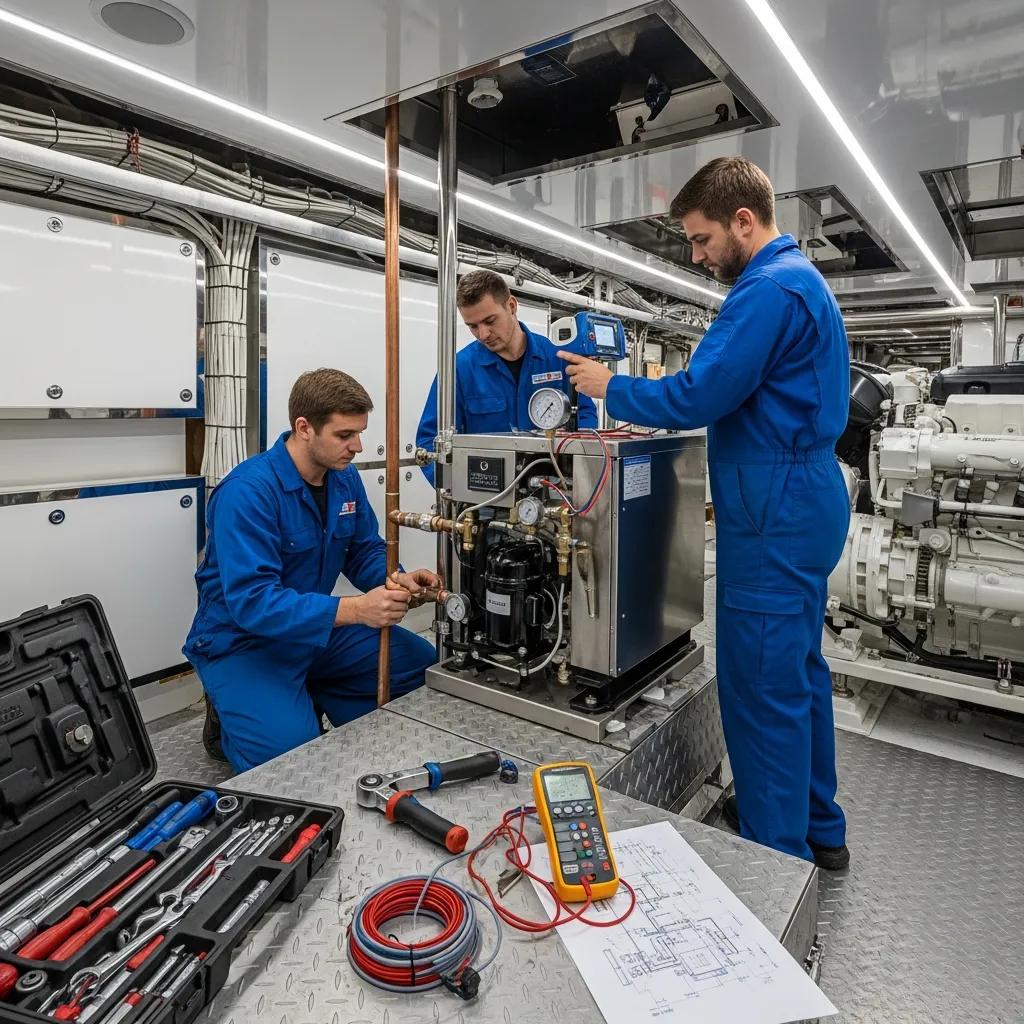
High Pressure Compressor Types Explained for Divers: Comprehensive Guide to Diving Air Compressors and Portable Scuba Systems
High pressure compressors are essential tools for divers, providing the necessary air supply to support safe and enjoyable underwater experiences. Understanding the various types of compressors available can significantly enhance a diver’s efficiency and safety. This comprehensive guide will delve into the different types of high pressure compressors, their key features, applications, and maintenance tips. By the end of this article, readers will have a clear understanding of how to choose the right compressor for their diving needs and the benefits each type offers.
Diving enthusiasts often face challenges in ensuring they have a reliable air supply while exploring underwater environments. High pressure compressors address this need by delivering compressed air efficiently and in a manner designed to support compliance with recognized air quality standards. This article will cover the types of diving air compressors, their applications, advantages, and maintenance tips, providing a thorough overview for both novice and experienced divers. For a complete overview of systems, standards, and maintenance, see our high pressure diving compressors guide.
Comprehensive Guide on High Pressure Compressors for Divers
High pressure compressors play a crucial role in the diving industry, ensuring that divers have access to breathable air at the depths they explore. These compressors are designed to handle the specific requirements of diving, including the need for high pressure and air purity. Understanding the different types of compressors available can help divers make informed decisions about their equipment.
The importance of high pressure compressors cannot be overstated, as they not only provide the necessary air supply but also support safety through proper filtration and pressure management. This guide will explore the various types of compressors, their features, and how they cater to the unique needs of divers.
Types of Diving Air Compressors
Diving air compressors come in several types, each designed for specific applications and environments. Understanding these types can help divers select the most suitable compressor for their needs.
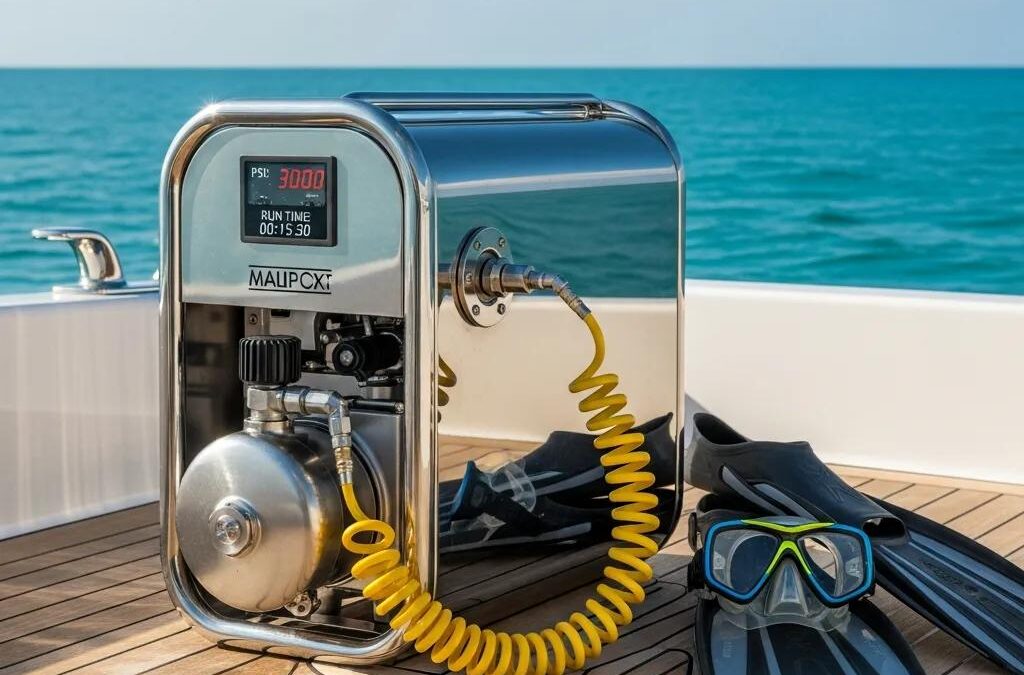
Portable Scuba Air Compressors
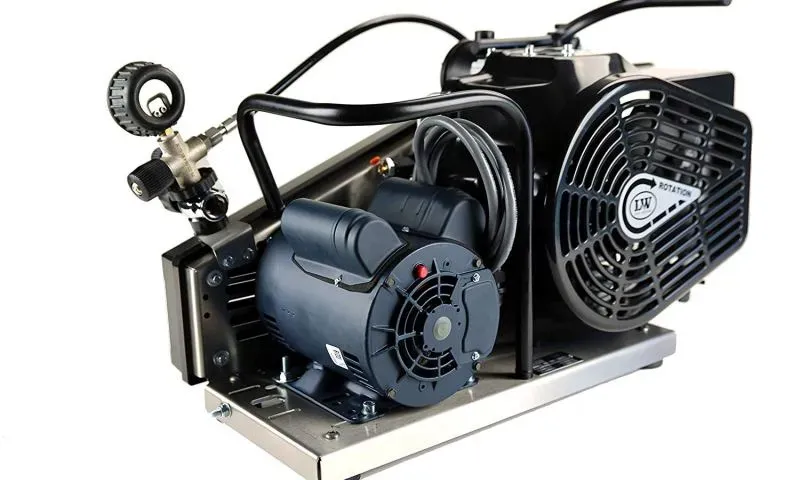
Portable scuba air compressors are lightweight and designed for mobility, making them ideal for divers who venture into remote locations. These compressors are typically compact and easy to transport, allowing divers to fill their tanks on-site without relying on external fill stations. The advantages of portable compressors include:
Lightweight and Mobility: Easy to carry and set up in various locations.
Ideal for Remote Locations: Perfect for diving trips where access to traditional fill stations is limited.
Advantages for Divers: Provides convenience and flexibility for spontaneous diving adventures.
Industrial Fill-Station Compressors
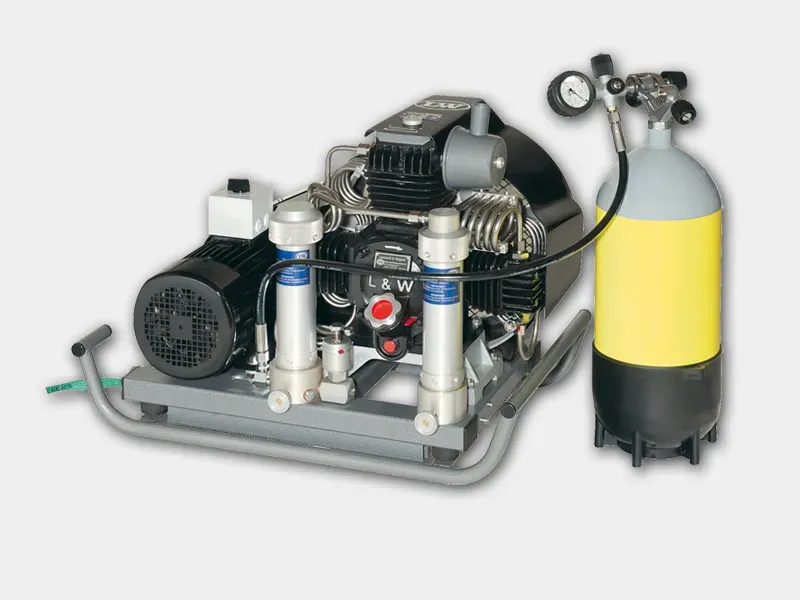
Industrial fill-station compressors are designed for high-volume air supply, making them suitable for commercial diving operations. These compressors can operate continuously and are built to handle the demands of multiple divers filling their tanks simultaneously. Key features include:
High-Volume Capacity: Capable of filling multiple tanks quickly.
Continuous Operation: Designed for long-term use without overheating.
Used in Commercial Diving: Essential for dive shops and industrial applications.
Mobile Fill Station Compressors
Mobile fill station compressors offer flexibility and rapid fill capabilities, often mounted on trailers for easy transport. These systems are particularly useful for emergency operations or events where quick air supply is needed. Their features include:
Trailer-Mounted Systems: Easily transportable to various locations.
Emergency Operations: Ideal for situations requiring immediate air supply.
Quick Air Supply: Efficiently fills tanks in a short amount of time.
Custom-Engineered Systems
Custom-engineered compressor systems are tailored to meet specific operational needs, providing enhanced efficiency and performance. These systems can be designed for unique applications, ensuring that divers have the right equipment for their specific requirements. Features include:
Tailored Designs: Customized to fit specific diving operations.
Specific Operational Needs: Addresses unique challenges faced by divers.
Enhanced Efficiency: Optimized for performance and reliability.
Key Features of High Pressure Compressors
When selecting a high pressure compressor, several key features should be considered to ensure optimal performance and safety. These features include:
Pressure Rating: The maximum pressure the compressor can achieve, which is crucial for filling scuba tanks.
Air Flow: The volume of air the compressor can deliver, impacting how quickly tanks can be filled.
Filtration Systems: Essential for supporting compliance with air quality standards such as CGA Grade E or EN 12021, ensuring the air is free from contaminants.
Cooling Systems: Important for maintaining optimal operating temperatures during extended use.
Applications of High Pressure Compressors
High pressure compressors have a wide range of applications beyond recreational diving. Some of the key areas where these compressors are utilized include:
Diving: Providing breathable air for recreational and professional divers.
Firefighting: Supplying air for firefighters using breathing apparatus.
Medical: Used in medical facilities for various applications requiring compressed air.
Industrial: Supporting various industrial processes that require high pressure air.
For divers, understanding these applications can help in selecting the right compressor for their specific needs.
Advantages of High Pressure Compressors
High pressure compressors offer several advantages that enhance the diving experience. These benefits include:
Safety Support: Designed to support compliance with air quality standards, helping divers access breathable air when properly maintained and operated.
Efficiency: Allows for quick tank fills, reducing downtime between dives.
Durability: Built to withstand the rigors of diving environments.
Versatility: Suitable for various applications beyond recreational diving.
Maintenance Tips
Proper maintenance of high pressure compressors is essential for ensuring their longevity and reliability. Here are some key maintenance tips:
Regular Inspections: Conduct routine checks to identify any potential issues early.
Follow Manufacturer Guidelines: Adhere to the recommended maintenance schedule provided by the manufacturer.
Proper Storage: Store compressors in a dry, cool place to prevent damage.
By following these maintenance tips, divers can ensure their compressors remain in optimal condition.
What Are the Primary Types of High Pressure Diving Compressors?
The primary types of high pressure diving compressors include portable scuba air compressors, industrial fill-station compressors, mobile fill station compressors, and custom-engineered systems. Each type serves a specific purpose and is designed to meet the unique needs of divers.
For instance, the rigorous evaluation of specific models like the Bauer Mariner D highlights the importance of robust design and performance in meeting demanding operational standards.
In July 1982, the BAUER MARINER D high pressure air compressor was tested by the Navy Experimental Diving Unit in response to reference 1. The purpose of this test was to determine if the equipment was suitable for use by the United States Navy USN diving community. The BAUER MARINER D met manufacturers specifications for quantity of air produced with a quality which met or exceeded purity standards. The design and engineering was determined to be adequate as no material failures were encountered during testing. The BAUER MARINER D is considered to be suitable for USN requirements for compressors of this size and type.
Evaluation of BAUER MARINER’D’High Pressure Breathing Air Compressor.
How Do Piston Compressors Operate in Scuba Tank Filling?
Piston compressors operate by using a series of pistons to compress air, which is then stored in scuba tanks. This process involves staged compression, where air is gradually compressed to the desired pressure. Effective thermal management is crucial to prevent overheating during operation, ensuring the compressor functions efficiently.
Beyond the compressor’s operation, proper handling and maintenance of the scuba tanks themselves are equally vital for diver safety and equipment longevity.
Scuba Tank Filling, Safety, and Maintenance for Divers
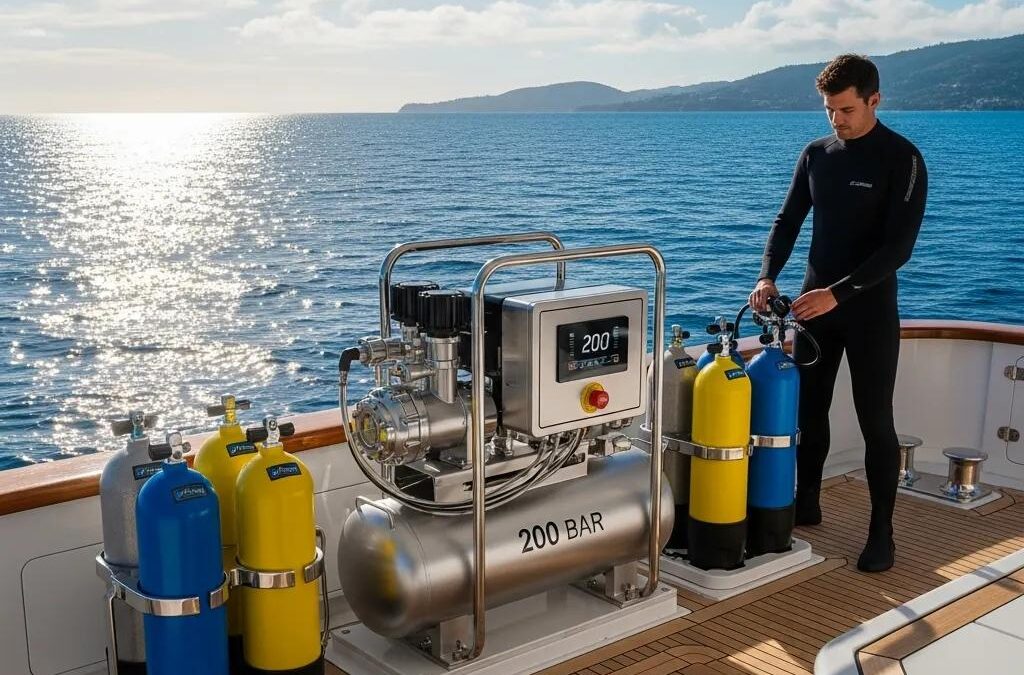
In scuba diving, air is obtained from tanks for breathing. For recreational diving, scuba tanks are usually filled with normal compressed air up to 200 bar. Scuba tanks shouldn’t be emptied completely for safety and maintenance reasons. They always should have more than 50 bar left at the end of each dive. If tanks are completely emptied, moist air might enter and cause the inside to rust. Rust particles in return might block of the sinter filter and block off air supply. Scuba tanks have to be serviced in regular intervals. Tanks made of steel have to undergo a visual test usually every 2.5 years and a hydrostatic test every 5 years.
Note: This guidance reflects general diving best practices and is provided for informational purposes only. It is not specific operational advice related to compressor use.
What Are the Features of Diaphragm Compressors for Breathing Air?
Diaphragm compressors are specialized systems designed to provide ultra-high purity gas by utilizing a diaphragm mechanism to compress air. While they are not commonly used for standard scuba tank filling, they find niche applications in environments requiring exceptionally pure breathing air, such as laboratories and certain medical settings. Key features include:
Ultra-High Air Purity: Ensures air is free from contaminants beyond typical diving requirements.
Efficiency: Operates quietly and with minimal energy consumption.
Specialized Applications: Suitable for industries demanding stringent air quality standards.
What Are the Advantages of Portable Scuba Compressors for Divers?
Portable scuba compressors offer several advantages for divers, including:
Portability Benefits: Easy to transport, allowing divers to fill tanks on-site.
Ease of Use: Simple operation makes them accessible for divers of all experience levels.
How Do Portable Compressors Enhance Outdoor Diving Activities?
Portable compressors significantly enhance outdoor diving activities by providing logistical independence. Divers can fill their tanks in remote locations, allowing for greater flexibility in planning dives. This capability supports advanced diving techniques and exploration of less accessible sites. You can read our portable scuba compressors guide to deepen your understanding of these essential systems.
What Are the Key Specifications of Portable High Pressure Air Systems?
Key specifications of portable high pressure air systems include:
Pressure Levels: Typically range from 3000 to 4500 psi, depending on the model.
Air Quality Standards: Must meet specific purity standards for safe breathing.
Portability Features: Lightweight designs and compact sizes for easy transport.
How Should Divers Maintain and Ensure Safety of High Pressure Air Compressors?
To maintain and ensure the safety of high pressure air compressors, divers should:
Conduct Regular Maintenance: Follow a strict maintenance schedule to keep compressors in good working order.
Check Safety Features: Ensure that all safety features, such as pressure relief valves, are functioning correctly.
Implement Emergency Procedures: Be prepared with emergency protocols in case of compressor failure.
What Are the Essential Maintenance Procedures for Diving Compressors?
Essential maintenance procedures for diving compressors include:
Inspection Schedules: Regularly inspect components for wear and tear.
Filter Replacements: Change filters as recommended to maintain air quality.
Oil Changes: Follow the manufacturer’s guidelines for oil changes to ensure smooth operation.
Which Safety Features Are Mandatory in Breathing Air Compressors?
Mandatory safety features in breathing air compressors include:
Pressure Relief Valves: Prevent over-pressurization and potential accidents.
Advanced Safety Features in Specialized Systems: Some higher-end or industrial compressors may include redundant sensors and additional monitoring for enhanced safety, though these are not universally required across all compressor types.
Operator Training: Proper training for operators to handle compressors safely.
What Accessories Complement High Pressure Compressors for Outdoor Sports Enthusiasts?
Several accessories complement high pressure compressors, enhancing their functionality for outdoor sports enthusiasts:
Fill Manifolds: Allow multiple tanks to be filled simultaneously.
Purification Systems: Ensure the air is free from contaminants.
Breathing Air Monitors: Provide real-time monitoring of air quality.
Which Compressor Accessories Support Efficient Scuba Tank Filling?
Accessories that support efficient scuba tank filling include:
Lightweight Fill Systems: Designed for easy transport and setup.
Storage Solutions: Keep tanks organized and secure during transport.
Cooling Systems: Help maintain optimal operating temperatures during use.
How to Choose the Right Diving Compressor: Buying Guide and Considerations
When choosing a diving compressor, consider the following factors:
Pressure Levels: Ensure the compressor can meet the required pressure for your tanks.
Air Quality Standards: Look for compressors that support compliance with industry standards for breathing air.
Maintenance Requirements: Consider the ease of maintenance and availability of replacement parts.
What Factors Determine the Best Compressor Type for Your Diving Needs?
Several factors influence the selection of the best compressor type for diving needs, including:
Pressure Requirements: Different diving depths require different pressure levels.
Intended Use: Recreational vs. commercial diving may dictate compressor choice.
Flow Rate: The speed at which tanks can be filled is crucial for efficiency.
How Do Noise Levels and Filtration Systems Impact Compressor Selection?
Noise levels and filtration systems are critical considerations when selecting a compressor. High noise levels can be disruptive, especially in residential areas, while effective filtration systems ensure the air quality is safe for breathing. Choosing a compressor with low noise output and high-quality filtration can enhance the overall diving experience.
High Pressure Compressors for Diving Systems: Complete Guide to Portable Scuba Compressors and Maintenance
High pressure compressors are essential components in diving systems, designed to support the supply of breathable air for underwater activities. These compressors are engineered to help meet the necessary air quality and pressure requirements, which are critical for diver safety and performance. In this comprehensive guide, we will explore the various types of high pressure compressors, their features, maintenance practices, and the latest innovations in compressor technology. Understanding these aspects will help divers and diving professionals make informed decisions about their equipment and maintenance routines. We will also discuss how LW Americas, a specialized provider of high pressure compressors, addresses the operational demands of underwater breathing air supply with industry-relevant solutions.
Overview of High Pressure Compressors
High pressure compressors are designed to compress air to high pressures, making them vital for scuba diving and other underwater activities. These compressors work by drawing in ambient air and compressing it through a series of stages, resulting in high-pressure air suitable for breathing when combined with proper filtration and maintenance. The role of these compressors in diving is to support compliance with recognized air quality standards, ensuring that divers have access to air that meets safety requirements while submerged. Key functionalities include multi-stage compression, filtration systems, and control panels that monitor pressure levels and air quality.
Portable Scuba Compressors
Portable scuba compressors are compact and lightweight versions of traditional high pressure compressors, designed for easy transport and use in various diving environments. These compressors are particularly useful for recreational divers who need to refill their tanks on-site or in remote locations. Key features of portable scuba compressors include:
Compact Design: Easy to transport and store, making them ideal for travel.
User-Friendly Operation: Simple controls that allow divers to operate the compressor with minimal training.
Versatile Power Options: Many models can be powered by electricity or gas, providing flexibility in different settings.
When selecting a portable scuba compressor, several features should be considered to ensure optimal performance and reliability. These features include:
Pressure Output: The ability to reach the required pressure levels for scuba tanks, typically around 3000 psi or higher.
Power Source Options: Availability of electric, gas, or battery-powered models to suit various diving conditions.
Transportability: Lightweight construction and compact size for easy transport to dive sites.
Maintenance Practices for High Pressure Compressors
Proper maintenance of high pressure compressors is essential to support their longevity and reliable operation. Regular maintenance practices include:
Routine Inspections: Regular checks for wear and tear, ensuring all components are functioning correctly.
Oil Changes: Frequent oil changes to maintain optimal lubrication and prevent overheating.
Filter Replacements: Regularly replacing air filters to help maintain air quality and prevent contamination.
How to Choose the Right High Pressure Air System for Your Diving Needs?
Choosing the right high pressure air system involves considering several factors, including:
Pressure Levels: Ensure the compressor can meet the pressure requirements of your diving tanks.
Air Quality Standards: Verify that the compressor is designed to support compliance with breathing air quality standards, such as CGA Grade E.
Operational Environment: Consider the conditions in which the compressor will be used, including portability and power source.
Recent advancements in compressor technology have significantly improved the efficiency and safety of high pressure compressors. Innovations include:
Smart Technology Integration: Modern compressors often feature digital controls and monitoring systems that enhance user experience and support adherence to safety protocols.
Energy Efficiency Improvements: New designs focus on reducing energy consumption while maintaining high performance levels.
Indeed, the evolution of diving technology, including compressors, is deeply intertwined with the overall progress in recreational scuba diving.
Technological Advancements in Recreational Scuba Diving
This chapter primarily focuses on examining the intricate relationship between technology and recreational scuba diving. The analysis centers on significant technological advancements that have facilitated underwater respiration and improved the ease of diving. The gradual development of recreational scuba diving is heavily dependent on technological progress, which in turn supports safer and more efficient diving practices.
Diving technology at the recreational world, M Tzanakis, 2024
What Are the Types and Features of High Pressure Diving Compressors?
High pressure diving compressors can be categorized into several types, each with unique features:
Portable Compressors: Designed for easy transport, ideal for recreational divers.
Stationary Compressors: Typically used in commercial settings, offering higher output and durability.
Industrial Fill-Station Compressors: Used for large-scale operations, capable of filling multiple tanks simultaneously.
For a more detailed breakdown of each system type and its applications, see our guide on types of diving compressors.
How Do Stationary and Portable Dive Compressors Compare?
When comparing stationary and portable dive compressors, several factors come into play:
Advantages of Each Type: Portable compressors offer flexibility and ease of transport, while stationary compressors provide higher output and durability.
Use Cases for Each Type: Portable compressors are ideal for recreational diving, while stationary compressors are better suited for commercial operations.
What Are the Key Performance Specifications of Diving Compressors?
Key performance specifications for diving compressors include:
Pressure Ratings: The maximum pressure the compressor can achieve, typically around 3000 psi or higher.
Flow Rates: The volume of air the compressor can deliver per minute, affecting how quickly tanks can be filled.
Efficiency Metrics: Energy consumption relative to output, indicating the compressor’s operational cost-effectiveness.
Which Breathing Air Quality and Safety Standards Apply to Diving Compressors?
Diving compressors must be designed to support compliance with strict breathing air quality and safety standards to help ensure diver safety. Key standards include:
CGA Grade E Standards: Specifies the acceptable levels of contaminants in breathing air, including oil, carbon dioxide, and others.
EN 12021 Compliance: European standard for breathing air quality, ensuring safety for divers.
What Are the Regulatory Requirements for Breathing Air Compressors?
Regulatory requirements for breathing air compressors focus on ensuring air quality and safety. These include:
Air Quality Standards: Compliance with established standards to help provide safe breathing air for divers.
Safety Standards: Regulations governing the design and operation of compressors to prevent accidents and ensure reliability.
How Do Compressors Support Compliance with Air Purity and Diver Safety?
Compressors contribute to maintaining air purity and diver safety through various mechanisms:
Testing Methods: Regular testing of air quality to verify compliance with safety standards.
Safety Protocols: Implementation of safety measures to prevent contamination and ensure reliable operation.
Ensuring the highest air quality is paramount for diver safety, leading to continuous efforts in monitoring and verification.
Real-Time Air Quality Monitoring for Safe Diving Compressors
The U.S. Navy is interested in having a real-time online air quality monitor to help ensure that compressors deliver safe diving air. With the help of the manufacturer, Navy Experimental Diving Unit has developed and extensively tested an online air quality monitor Anagas Diveair2, model DV 2.0, Geotechnical Instruments, Inc. Leamington Spa, UK for compressors supplying diving air for U.S. Navy operations. This development reflects the importance of integrating advanced monitoring technologies to uphold air quality standards in critical diving applications.
Development and Evaluation of an Online Air Quality Monitor (Diveair2) for Diving Compressors, 2009
What Are the Best Practices for Diving Air Compressor Maintenance and Troubleshooting?
To maintain diving air compressors effectively, consider the following best practices:
Common Issues: Be aware of potential problems such as leaks or pressure loss.
Troubleshooting Steps: Follow systematic troubleshooting procedures to identify and resolve issues promptly.
Effective maintenance practices are crucial for supporting the longevity and optimal performance of high-pressure air compressors. Research in this area validates the importance of condition monitoring and maintenance engineering to maximize availability and quality.
High Pressure Air Compressor Maintenance & Performance
The study carried on two high pressure air compressor manufacturing units addressed three aspects namely availability, performance, and quality which quantify overall equipment effectiveness (OEE). This research underscores the value of applied modern condition monitoring and best maintenance engineering practices in reciprocating gas compression plants.
A review of applied modern condition monitoring and best maintenance engineering practices in reciprocating gas compression plants, MHM Faris, 2019
How Should Portable Scuba Compressors Be Maintained for Reliability?
Maintaining portable scuba compressors involves:
Regular Inspections: Conducting routine checks to identify wear and tear.
Oil Changes: Ensuring proper lubrication to prevent overheating and mechanical failure.
What Are Common Issues and How Are They Resolved?
Common issues with compressors include:
Leak Detection: Identifying and repairing leaks to maintain pressure.
Pressure Loss: Troubleshooting pressure loss through systematic checks of components.
How Do LW Americas’ Portable Dive Compressors Meet Operational Requirements?
LW Americas offers portable dive compressors designed to meet the operational requirements of divers by focusing on key industry-relevant features. Their compressors emphasize portability, robust filtration performance to support air quality standards, and reliable power options suitable for both recreational and professional use. This alignment with recognized air quality and safety standards helps ensure that their equipment supports safe diving operations in diverse environments.
What Are the Latest Innovations in Portable Dive Compressor Technology?
Recent innovations in portable dive compressor technology focus on enhancing performance and user experience. These include:
Filtration Advancements: Improved filtration systems that help ensure cleaner air supply.
Noise Reduction Technologies: Designs that minimize operational noise, enhancing user comfort.
How Are Advances in Filtration and Noise Reduction Improving Diving Compressors?
Advancements in filtration and noise reduction are crucial for improving the performance of diving compressors. Enhanced filtration systems help ensure that the air supplied is free from contaminants, while noise reduction technologies make compressors more user-friendly and suitable for a wider range of diving environments.
What Are the Emerging Regulatory and Certification Developments?
Emerging regulatory and certification developments focus on improving safety and air quality standards for diving compressors. Staying informed about these changes is essential for manufacturers and users alike to ensure compliance and safety in diving operations.
L&W Compressors vs Competitors: Which High-Pressure Compressor Is Best for You?
When it comes to high-pressure compressors, choosing the right one can significantly impact operational efficiency and safety. This article delves into the advantages of L&W Compressors, comparing them with leading competitors like Bauer and Coltri. Readers will learn about the unique features of select L&W Continuous-Duty Compressors, their performance in various applications, and key factors to consider when selecting a high-pressure compressor. Many users face challenges in finding reliable and efficient compressor systems that meet their specific needs. L&W Compressors offer tailored solutions that address these pain points effectively. We will explore the key advantages of L&W Compressors, how they stack up against competitors, and the factors to consider when making a selection.
What Are the Key Advantages of L&W Continuous-Duty Compressors?
Selected L&W Continuous-Duty Compressors are designed to provide exceptional performance and reliability in demanding environments. Their key advantages include:
Telemetry Monitoring: Operators can detect issues like declining flow or abnormal vibrations before failures occur, allowing for proactive maintenance.
Durability: The one-piece cast blocks enhance durability and reduce leak potential.
High-Pressure Capability: Designed for sustained high-pressure fills, suitable for critical breathing-air systems.
Project Management Support: Offers integrated continuous-operation systems with custom engineering and installation support.
North American Support: Provides local assistance for installation and maintenance.
Automated Operation: Features like electronic compressor control and auto shut-off enhance ease of use and efficiency.
Custom Solutions: Tailored configurations based on specific operational profiles and requirements.
These advantages make select L&W Compressors a preferred choice for various industries, including diving, firefighting, and medical applications.
How Does Continuous-Duty Operation Enhance Compressor Performance?
Continuous-duty operation enhances compressor performance by allowing for longer run times without thermal compromise. This is achieved through robust mechanical components and optimized cooling strategies. Such designs enable compressors to maintain higher efficiency and reliability, reducing the need for complex parallel systems and lowering the total cost of ownership. Additionally, continuous-duty platforms support operational demands more effectively, ensuring that applications requiring consistent output, such as breathing-air systems, can operate reliably and efficiently.
What Robust Design Features Differentiate L&W Compressors?
L&W Compressors are differentiated by their robust design features, including:
Continuous-Duty Capability: Certain models are engineered to run without frequent cool-down periods, utilizing lower RPM components and thermal management strategies to dissipate heat effectively.
One-Piece Cast Blocks: This design improves durability and reduces the potential for leaks.
Telemetry-Ready Systems: Allow for monitoring of performance metrics, enabling proactive maintenance and operational adjustments.
Custom Engineering Support: Tailored solutions to meet specific operational and regulatory requirements, enhancing lifecycle cost and compliance.
Enhanced Safety Features: Such as pressure monitoring and automatic shut-off systems to ensure safe operation.
These features contribute to improved uptime, reliability, and efficiency in industrial applications.
How Do L&W Compressors Compare to Leading Competitors Like Bauer and Coltri?
When comparing L&W Compressors to competitors like Bauer and Coltri, several performance differences emerge that can influence purchasing decisions. It is important to note that these differences may vary depending on specific models, configurations, and support options.
What Are the Performance Differences Between L&W and Bauer Compressors?
L&W Compressors generally offer telemetry monitoring capabilities that enable real-time performance tracking and predictive maintenance on select models. Bauer compressors also provide telemetry options, though the level of integrated monitoring can vary across their product range, which may affect maintenance planning. Additionally, some L&W continuous-duty designs allow for longer operational periods without overheating, making them well-suited for high-demand applications, though this capability depends on the specific compressor system chosen.
How Does L&W Stack Up Against Coltri in Industrial and Diving Applications?
In industrial and diving applications, L&W Compressors are frequently chosen for their high-pressure capabilities and custom engineering support, depending on user requirements and regional support availability. Coltri compressors, while effective and widely used, may not provide the same level of tailored solutions or local support in North America, which can be critical in emergency situations. User feedback suggests that L&W’s reliability and performance in demanding environments can meet or exceed those of Coltri in many cases, though outcomes may vary based on specific models and operational contexts, making them a strong option for professionals in these fields.
Which Factors Should You Consider When Choosing a High-Pressure Breathing Air Compressor?
Selecting the right high-pressure breathing air compressor involves several critical factors:
Power Supply Compatibility: Ensure the compressor can operate with your available power sources.
Pressure Requirements: Assess the maximum pressure needed for your specific applications.
Air Quality Standards: Consider the filtration systems and air quality monitoring features to meet safety regulations.
How Do CFM, PSI, and Duty Cycle Impact Compressor Selection?
Understanding key metrics is essential for selecting the right compressor. CFM (Cubic Feet per Minute) measures the airflow rate, while PSI (Pounds per Square Inch) indicates the pressure output. The duty cycle refers to the compressor’s operational time versus rest time. Selecting a compressor with the appropriate CFM and PSI ratings ensures it meets your operational needs, while a suitable duty cycle guarantees reliability and efficiency.
What Role Does Air Purification and Monitoring Play in Compressor Choice?
Air quality is paramount in high-pressure applications, especially in industries like diving and medical. Effective air purification systems remove contaminants, ensuring the safety of the compressed air. Monitoring technologies, such as telemetry systems, provide real-time data on air quality, allowing for immediate action if standards are not met. Compliance with regulatory requirements, such as those from OSHA and CGA, is also crucial, making these features essential in the selection process.
The critical importance of maintaining precise air quality and monitoring for safety in such applications is further underscored by research into breathing gas production.
Ensuring Safety in High-Pressure Breathing Gas Production
Maintaining a stable carbon dioxide content below the established CTQ1 requirements in the process of obtaining breathing gas for hyperbaric oxygen conditions is essential for the safety of underwater work. This article discusses the subject of validation of a selected measuring system for on-line control of the breathing gas production process and describes the application of multidimensional sensory systems to control critical parameters of the production process in production systems intended for intensive use away from supply facilities.
Qualification of the carbon dioxide measurement system to supervise and improve the process of obtaining breathing gas for oxygen hyperbaric conditions, A Woźniak, 2019
How Does L&W Serve Industry-Specific Needs in Diving, Firefighting, and Medical Fields?
L&W Compressors are tailored to meet the specific needs of various industries, providing solutions that enhance operational efficiency and safety.
Why Are L&W Compressors Preferred for Diving and SCBA Fill Stations?
L&W Compressors are favored in diving and SCBA (Self-Contained Breathing Apparatus) fill stations due to their automated operation and safety features. The telemetry monitoring system helps ensure that air quality remains within safe limits, while the high-pressure capability allows for rapid filling of tanks. User testimonials highlight the convenience and reliability of L&W systems in critical situations, making them a top choice for many professionals.
What Solutions Does L&W Offer for Medical and Industrial Compressed Air Needs?
In the medical field, L&W offers oil-free compressors that meet stringent health standards, ensuring clean and safe air for patients. The telemetry monitoring feature allows for continuous oversight of air quality, providing peace of mind for healthcare providers. For industrial applications, L&W’s custom engineering solutions cater to specific operational requirements, enhancing compliance and efficiency.
What Are the Total Cost of Ownership and Maintenance Benefits of Choosing L&W Compressors?
Choosing L&W Compressors can lead to significant cost savings over time due to their design and operational efficiencies.
Automated Operation: Reduces the need for manual intervention, lowering labor costs.
Durability and Reliability: The robust design minimizes downtime and maintenance expenses.
How Does L&W’s Design Reduce Maintenance and Energy Costs?
L&W’s continuous-duty design and optimized components contribute to lower energy consumption and maintenance costs. By minimizing wear and tear through efficient operation, these compressors require less frequent servicing, translating to significant savings over their lifespan.
Further emphasizing the long-term value, studies highlight how robust design and proactive maintenance contribute to overall cost savings and system longevity.
There are five high-pressure, desiccant drying systems using activated alumina desiccant. In total cost due to compressor replacement should be offset by cost savings in the long run.
Reliability and Maintainability analysis of a high air pressure compressor facility, 2013
What Support and Service Does LW Americas Provide in North America?
LW Americas offers comprehensive support services, including project management and local assistance for installation and maintenance. This ensures that customers receive timely help and tailored solutions, enhancing the overall user experience and operational efficiency.
What Are the Emerging Trends and Innovations in High-Pressure Compressor Technology?
The high-pressure compressor industry is evolving, with several trends shaping the future of compressor technology.
How Is Sustainability Influencing High-Pressure Compressor Design?
Sustainability is becoming a key focus in compressor design, with manufacturers increasingly adopting energy-efficient technologies. Innovations such as variable speed drives and advanced cooling systems help reduce energy consumption and environmental impact, aligning with global sustainability goals.
The drive for sustainability and efficiency in compressor design is further highlighted by research into developing robust compression systems for future low-emission requirements.
Designing Efficient & Robust High-Pressure Compression Systems
A highly efficient, robust compression system is a key part of any high-performance core engine that is to be developed for meeting future low emission requirements, i.e., for significant reductions in CO2, NOx, and other gaseous emissions. Not only does the compression system has to deliver the increased OPR demanded by the thermal cycle. It has to do so more efficiently to avoid excessive increases in cycle temperatures and weight to avoid reducing the benefit from the new cycle.
Compressors for ultra-high-pressure-ratio aero-engines, 2016
What Smart Technologies Are Integrated into Modern L&W Compressors?
Modern L&W Compressors incorporate smart technologies, including electronic control systems and telemetry for maintenance. These advancements enhance operational efficiency and provide users with valuable insights into performance metrics, allowing for informed decision-making and improved reliability.
How to Choose a High-Pressure Air Compressor for Yachts: The Ultimate Yacht Dive Compressor Guide
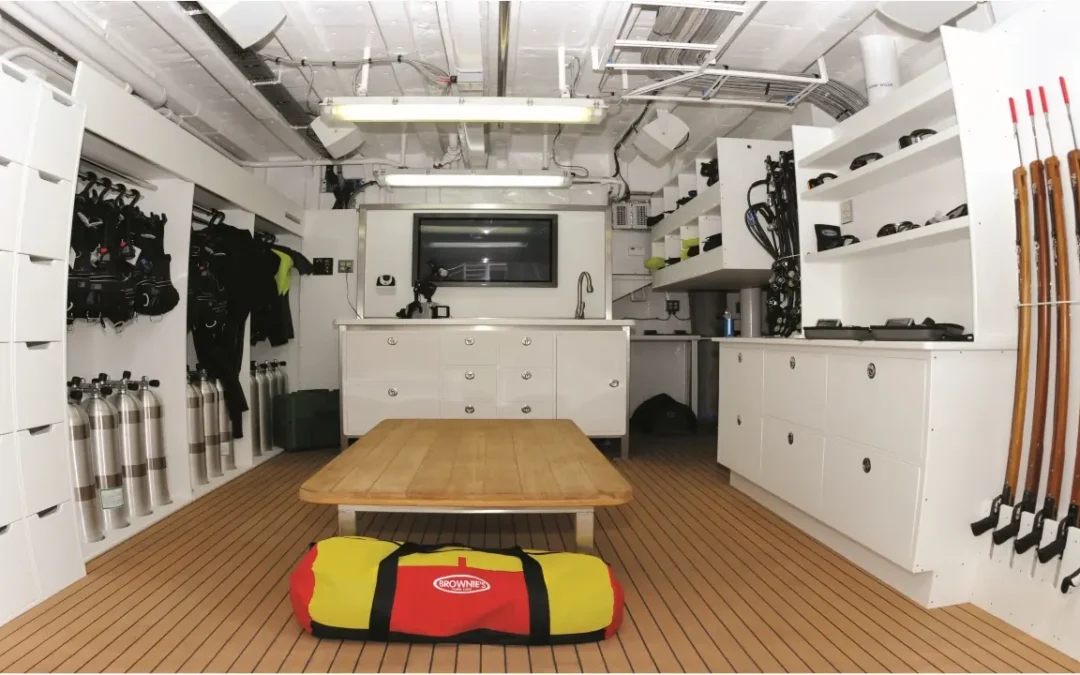
Selecting the right high-pressure air compressor for your yacht is crucial for ensuring safety and efficiency during diving operations. This comprehensive guide will help you understand the various types of compressors available, their technical specifications, and maintenance practices to ensure longevity including proper maintenance and service schedules.Understanding the differences between compressor systems is critical, especially when comparing high-pressure systems to traditional options. Many yacht owners face challenges in choosing the right equipment that meets their specific needs, especially when it comes to filling SCBA tanks and maintaining air quality standards. By the end of this article, you will have a clear understanding of how to choose the best high-pressure air compressor for your yacht, including installation considerations and maintenance practices. We will explore key types of compressors, essential technical specifications, installation planning, and how to choose the right yacht compressor system.
Disclaimer: The performance, safety, and compliance of any high-pressure air compressor system are highly dependent on proper specification, professional installation, and diligent ongoing maintenance. Always consult with qualified experts for your specific yachting needs.
The complexity of this selection process has been a subject of academic inquiry, emphasizing the need for clear criteria.
What Are the Key Types of High-Pressure Air Compressors for Yachts?
High-pressure air compressors for yachts primarily utilize reciprocating piston technology, often configured in multiple stages to achieve the extreme pressures required for diving and SCBA tanks. While the core mechanism is similar, they can be categorized by their operational design and features:
Reciprocating Piston Compressors (Multi-stage): These are the most common type for high-pressure applications on yachts. They use pistons to compress air in successive stages, increasing pressure incrementally to reach the required 3000–4500 psi. Multi-stage designs are crucial for efficiency and managing heat at high pressures, offering robust reliability and continuous-duty capability.
Automated Compressor Systems: Many modern yacht compressors, such as the LW Americas YachtPro™ Series, integrate advanced automation. While still employing multi-stage reciprocating technology, these systems feature automatic shut-off, integrated filtration, and user-friendly controls, simplifying operation and enhancing safety for yacht owners.
These compressor designs are essential for filling SCBA tanks and ensuring air quality meets necessary standards.
High-Pressure Yacht Compressor Comparison
Feature
Electric Compressors
Gasoline/Diesel Compressors
Pressure Range
3000-4500 PSI (typical)
3000-4500 PSI (typical)
Duty Cycle
Often continuous-duty, suitable for multiple fills
Often continuous-duty, suitable for multiple fills
Power Source
Shore power (AC), yacht generator, or DC (smaller units)
Self-contained fuel (gasoline/diesel)
Typical Yacht Use Case
Integrated systems, quiet operation, primary power from generator/shore
Remote locations, backup, independent operation without generator load
Noise/Emissions
Low noise, zero direct emissions
Higher noise, exhaust emissions
Maintenance
Generally lower (fewer moving parts, no fuel system)
Higher (engine maintenance, fuel system)
Note: Specific features and performance may vary significantly by model and manufacturer.
What Are the Advantages of Electric Yacht Compressors?
Electric yacht compressors offer several advantages, including energy efficiency and lower noise levels compared to gasoline or diesel models. They are ideal for use in confined spaces, as they produce minimal emissions and operate quietly, making them suitable for residential areas or during nighttime operations. Additionally, electric compressors often require less maintenance, as they have fewer moving parts and do not require fuel storage. For a side-by-side comparison of modern high-pressure systems and older options, see Discover High-Pressure Yacht Systems vs Traditional Options.
When Should You Choose Gasoline or Diesel Marine Compressors?
Gasoline or diesel marine compressors are often chosen for situations where direct electric power is not consistently available or when minimizing the load on the yacht’s generator is a priority. They are ideal for remote locations, extended offshore trips, or as a robust backup system. Their self-contained power source offers independence from shore power or the yacht’s main electrical system, making them suitable for operations where flexibility and autonomy are key. However, considerations for fuel availability, exhaust management, and increased maintenance requirements compared to electric models should be carefully evaluated.
Which Technical Specifications Matter Most for Marine Breathing Air Compressors?
The most important technical specifications for marine breathing air compressors include:
Pressure Ratings: Typically, breathing air cylinders require fill pressures in the range of 3000–4500 PSI. It’s crucial to identify the working pressure and ensure the compressor can meet these requirements.
Flow Rate (CFM/FAD): The rated flow must be sufficient to meet turnaround times for multiple cylinders or SCBA packs, especially in busy operations.
Duty Cycle: Continuous-duty designs are necessary for operations that require ongoing air supply without interruptions.
Air Quality Filtration: Compliance with air purity standards is critical, necessitating effective filtration systems to remove contaminants such as hydrocarbons, moisture, and particulates.
Monitoring Systems: Continuous monitoring of air quality parameters (e.g., CO, CO₂, moisture) is essential to ensure safety and compliance with standards.
Safety Margins: A recommended safety margin of 10–25% above the working pressure should be considered for relief valve and component ratings.
Compact Design and Vibration Resistance: Particularly important for maritime applications where space and stability may be limited.
These specifications ensure the compressor is suitable for safety-critical applications like diving and firefighting.
Real-world evaluations of specific compressor models, such as those conducted by naval diving units, further demonstrate the critical importance of meeting stringent specifications for diving applications.
How Do Airflow and Pressure Affect Yacht Compressor Performance?
Airflow and pressure significantly affect yacht compressor performance by determining the required flow rate and operational efficiency. When selecting a compressor, it is essential to define the required working pressure and air quality standards, calculate peak and average CFM needs, and match the duty cycle to the operational profile. Factors such as altitude, inlet temperature, and gas type can alter the Free Air Delivery (FAD) and cooling requirements, impacting overall performance. Proper sizing and specification ensure that the compressor meets the demands without overspending on unnecessary capacity.
Why Is Breathing Air Filtration and Quality Standards Critical for Onboard Scuba Compressors?
Breathing air filtration and quality standards are critical for onboard scuba compressors because they ensure the air being supplied is safe for human consumption. These standards specify limits for total hydrocarbons, carbon monoxide (CO), moisture, and particulates, which are essential to prevent health risks associated with breathing contaminated air. Compliance with standards such as CGA Grade E or equivalent is necessary for operational safety, particularly in high-pressure environments like diving, where the quality of the air can directly impact the diver’s health and safety.
The profound impact of air quality on diver health and safety underscores the necessity of robust filtration systems.
How to Plan Yacht Compressor Installation for Optimal Space and Power Integration?
Planning the installation of a yacht compressor requires careful consideration of space and power requirements to ensure optimal performance and safety.
What Are Space and Mounting Considerations for Onboard Compressors?
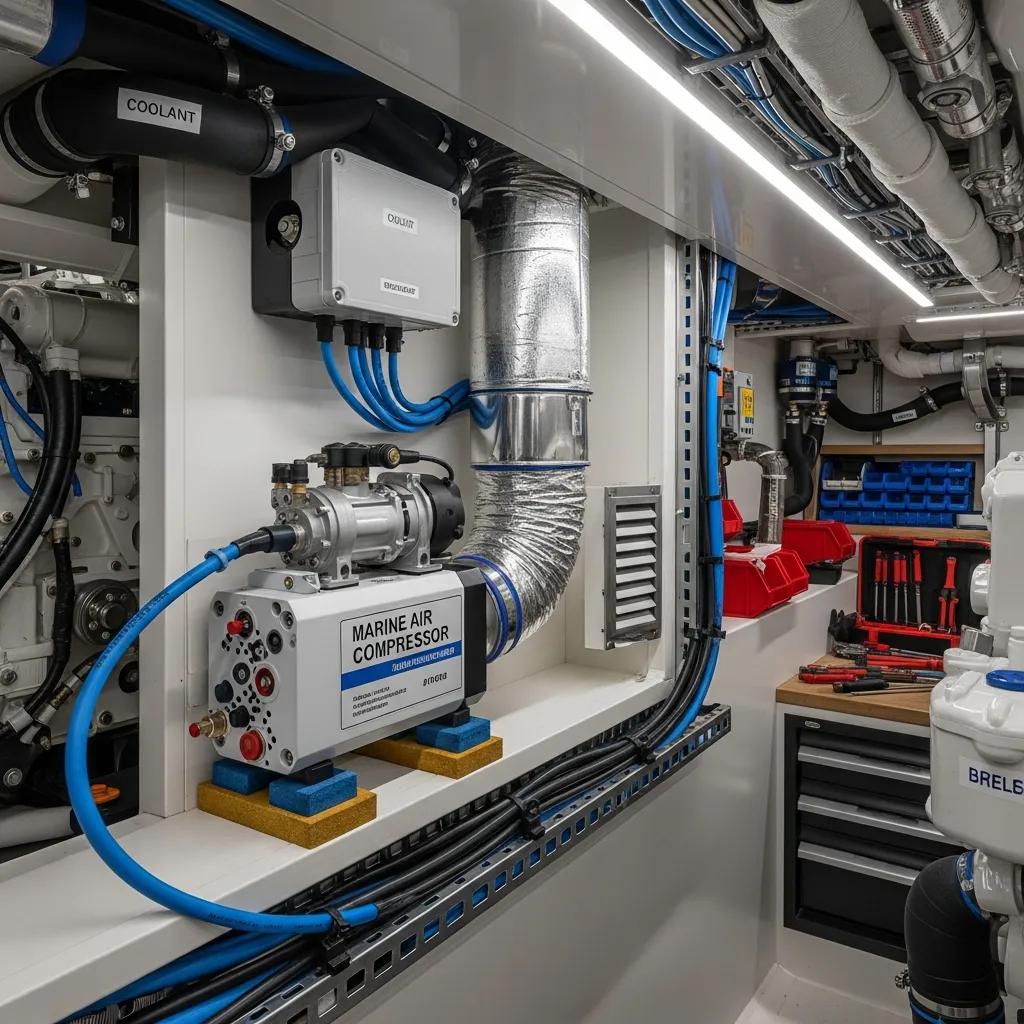
When installing a compressor on a yacht, it is essential to consider the available space and mounting options. Compressors should be installed in a well-ventilated area to prevent overheating and ensure efficient operation. Additionally, the mounting surface must be stable and capable of absorbing vibrations to minimize wear and tear on the equipment.
How to Ensure Power System Compatibility: AC, DC, and Generator Options?
Ensuring power system compatibility is crucial for the successful operation of yacht compressors. Depending on the compressor type, you may need to consider AC or DC power sources, as well as generator options for remote locations. Understanding the power requirements of your compressor will help you select the appropriate power system and avoid potential operational issues.
What Maintenance Practices Ensure Longevity of High-Pressure Marine Air Compressors?
To ensure the longevity of high-pressure marine air compressors, the following maintenance practices are recommended:
Basic Diagnostics: Regularly verify power and control status, and reset alarms as needed.
Intermediate Checks: Inspect filters, drain traps, and manifold valves, and measure pressures to ensure proper operation.
Filter Changes: Perform simple filter changes to address contamination issues.
Escalation for Complex Issues: Contact qualified technical support for compressor block, pump failures, or persistent contamination that cannot be resolved through basic maintenance.
Monitoring Systems: Utilize electronic compressor control systems for monitoring oil pressure and inter-stage pressures, which can trigger automatic shutdowns if issues arise.
Temperature Management: Implement compressor block heating for ambient temperatures below +5°C to prevent operational issues.
Water Cooling: Use water cooling systems with stainless steel heat exchangers to manage temperature effectively.
What Is the Recommended Routine Maintenance Schedule for Yacht Compressors?
A recommended routine maintenance schedule for yacht compressors includes:
Daily Checks: Inspect power and control systems, and check for leaks.
Weekly Maintenance: Clean or replace filters and inspect hoses and connections.
Monthly Inspections: Conduct thorough checks of all components, including pressure gauges and safety valves.
Annual Servicing: Schedule a comprehensive service with a qualified technician to ensure all systems are functioning optimally.
How Does LW Americas Support Spare Parts and Service for Marine Compressors?
LW Americas supports spare parts and service for marine compressors by providing tailored high-pressure solutions, including project-managed compressor selection and custom designs. They offer responsive support in North America, ensuring that customers can connect for specific quotes and assistance with their compressor needs. Additionally, their systems are designed for reliability and efficiency, which helps reduce downtime and extend component life through predictive repairs.
Why Choose LW Americas YachtPro™ Series for Your Yacht’s High-Pressure Air Needs?
The LW Americas YachtPro™ Series is recommended for your yacht’s high-pressure air needs because it offers a fully automated system that allows users to simply connect their tanks, open the valves, and turn the system on. The compressor automatically stops when the tanks are full, freeing users to attend to other duties. Additionally, it features a Variable Frequency Drive (VFD) to manage inrush current during motor start-up, ensuring efficient operation. The series is designed to meet the specific needs of yacht owners, providing reliable and convenient air filling solutions.
What Are the Essential Features of the YachtPro™ Compressor Line?
Automation: Fully automated operation simplifies the filling process.
VFD Technology: Variable Frequency Drive optimizes energy consumption and reduces wear.
Compact Design: Space-saving design fits easily into tight yacht spaces.
Robust Filtration: Advanced filtration systems ensure air quality meets safety standards.
These features make the YachtPro™ series an excellent choice for yacht owners seeking efficiency and reliability.
How Does LW Americas Provide Custom Solutions and Project Management?
LW Americas provides custom solutions and project management through a structured workflow that includes needs assessment, equipment selection, system design (2D/3D), installation oversight, commissioning, and post-installation support. Their approach ensures that the final system aligns with operational and regulatory environments, reducing installation risk and facilitating compliance. Deliverables such as design drawings, bills of material, and commissioning reports help document performance and maintainability. Their project management also coordinates site requirements with equipment delivery and commissioning, ensuring a coherent handover that includes operating and maintenance guidance for local staff.
Further Reading
Marine Air Compressor Selection Criteria: “Selection of marine type air compressor by using fuzzy VIKOR methodology,” A Kaya, 2022. This study evaluates important criteria in compressor selection, addressing a gap in the literature.
BAUER MARINER D Compressor Evaluation for Diving: “Evaluation of BAUER MARINER’D’High Pressure Breathing Air Compressor.” This report details the testing of the BAUER MARINER D by the Navy Experimental Diving Unit for suitability in USN diving operations, confirming it met or exceeded purity standards.
Breathing Air Filtration for Diver Safety: “Effectiveness evaluation of sources of supply and systems filter in production process of breathing air,” A Woźniak, 2016. This research emphasizes the critical importance of efficient filtration systems for breathing air quality in hyperbaric environments to ensure diver safety.
How to Choose the Right Yacht Compressor System: Expert Guide for Yacht Diving Compressor Selection and Marine Air Solutions
Choosing the right system depends on several factors, especially when selecting a high-pressure air compressor for your yacht. A well-selected compressor not only enhances the diving experience but also guarantees the quality of breathing air, which is vital for diver safety. This comprehensive guide will explore the various types of yacht compressor systems, key factors to consider during selection, and best practices for installation and maintenance, all with a sharp focus on the unique demands of a marine environment. By understanding these elements, yacht owners can make informed decisions that align with their specific needs and operational requirements, considering factors like space constraints, noise levels, power availability, and crew workflow.
In this article, we will cover the different types of yacht compressor systems, the essential factors for selecting a marine high-pressure compressor, the impact of cooling methods and power sources on performance, and best practices for installation and maintenance. Additionally, we will highlight how LW Americas’ YachtPro™ and NitroxMaker™ systems provide advanced solutions for yacht owners, ensuring optimal performance and reliability.
What Are the Different Types of Yacht Compressor Systems and Their Technologies for Marine Use?
Yacht compressor systems come in various types, each designed to meet specific operational needs. Understanding these types is essential for selecting the right system for your yacht, particularly considering the unique constraints of marine environments. The primary categories include reciprocating compressors and rotary screw compressors, each with distinct technologies and applications.
How Do Reciprocating and Rotary Screw Compressors Compare for Yacht Diving?
Reciprocating compressors utilize pistons to compress air, making them highly suitable for high-pressure applications like filling diving tanks on a yacht. They are known for their efficiency in producing high output pressures (typically 3000-4500 PSI), which is essential for diver safety. However, their mechanical complexity can lead to higher noise levels and more frequent maintenance, which are important considerations for onboard comfort and crew workload.
In contrast, rotary screw compressors use two interlocking helical rotors to compress air, providing a continuous flow with generally lower noise levels. While often preferred for continuous, high-volume air supply in commercial diving or industrial settings, their larger footprint and higher initial cost might make them less common for recreational yacht diving unless a constant, quiet air supply for other onboard systems is also a priority. When properly specified and maintained, both types can offer reliable performance, but the choice often comes down to specific pressure needs, space availability, and noise tolerance on a yacht.
Which Key Factors Should You Consider When Selecting a Marine High-Pressure Compressor for Your Yacht?
When selecting a marine high-pressure compressor, several key factors must be considered to ensure optimal performance, compliance with safety standards, and seamless integration into your yacht’s operations.
Working Pressure and Air Quality Standards: Define the required working pressure, typically between 3000–4500 PSI for breathing air, and ensure compliance with stringent air quality standards such as CGA Grade E or equivalent. This includes certified filtration to capture total hydrocarbons, CO, moisture, and particulates, often requiring multi-stage filtration (particulate/coalescing, activated carbon, molecular sieves) and continuous monitoring with CO/CO2 sensors.
Flow Rate and Duty Cycle: Calculate the required Free Air Delivery (FAD) at the working pressure, including safety margins, based on the number of divers and expected fills per hour. Match the compressor’s duty cycle rating to your operational profile; systems designed for continuous operation are ideal for demanding yacht diving schedules, ensuring consistent air supply without overheating when properly specified.
Simultaneous Use and Recovery Times: Assess how many divers or devices the system needs to support concurrently and the expected tank fills per hour, including recovery times. This directly impacts crew workflow and dive readiness.
Environmental Factors & Installation Constraints: Consider the limited space, ventilation, and ambient temperatures within a yacht’s engine room or dedicated compartment. These factors significantly influence the choice of cooling method and overall compressor size.
Noise Levels: For onboard comfort, evaluate the compressor’s noise output. Quieter models or those with sound-dampening enclosures are often preferred for yacht installations.
Redundancy Needs: Determine if redundancy strategies are necessary for safety-critical applications, especially for remote cruising.
Power Availability & Compatibility: Ensure the compressor is compatible with your yacht’s electrical supply (e.g., generator capacity, shore power) or if a gasoline-powered unit is more suitable for mobility or off-grid use.
Engineering Review: Conduct a thorough engineering review to ensure all safety and performance needs are met, considering the unique marine environment.
These factors will help ensure the selected compressor meets operational demands and safety standards, providing reliable breathing air for your yacht’s diving activities.
How Do You Determine the Right Compressor Size and Capacity for Your Yacht?
Determining the right compressor size and capacity involves calculating the required Free Air Delivery (FAD) based on the number of divers, the frequency of use, and the available space on your yacht. A common approach is to consider the total volume of air needed for all divers and the time available for filling tanks, factoring in the compressor’s rated output at the required pressure. Crucially, the physical footprint and weight of the unit must fit within the designated installation area, allowing for adequate ventilation and maintenance access.
How Do Cooling Methods, Noise Levels, and Power Sources Affect Yacht Compressor Performance?
Cooling methods, noise levels, and power sources significantly impact the performance and suitability of yacht compressors, directly influencing onboard comfort, operational efficiency, and installation complexity. Understanding these factors is key to selecting the right system for your specific yachting needs.
What Are the Differences Between Air-Cooled and Water-Cooled Marine Compressors?
Air-cooled compressors rely on ambient air to dissipate heat, making them simpler in design and often more portable. However, within the confined and often hot spaces of a yacht’s engine room, they may struggle to dissipate heat effectively, potentially leading to reduced efficiency or overheating if not properly ventilated. This can also contribute to higher ambient temperatures in the installation area.
Water-cooled compressors, on the other hand, use seawater or freshwater to regulate temperature, allowing for more consistent performance in varying conditions, especially in hot climates or enclosed spaces. They are typically quieter and more efficient in heat removal, which is a significant advantage for onboard comfort. However, they require more complex installation, integrating with the yacht’s raw water system, and may involve additional maintenance for cooling system components.
How Do Electric and Gasoline Power Sources Impact Compressor Efficiency and Suitability for Yachts?
Electric compressors are generally more efficient and significantly quieter than gasoline-powered models, making them highly suitable for yacht applications where noise is a major concern. They also require less maintenance and have lower operational costs. However, their suitability depends on a stable and sufficient onboard power supply, typically from a generator or shore power, which must be adequately sized to handle the compressor’s starting and running loads.
Gasoline-powered compressors offer greater mobility and independence from the yacht’s electrical system, making them useful for remote operations or as a backup. However, they tend to be noisier, produce exhaust emissions that require careful venting, and demand more frequent maintenance due to engine wear. Their use on a yacht requires careful consideration of fuel storage, ventilation, and noise mitigation.
What Are the Best Practices for Installation, Maintenance, and Troubleshooting of Yacht Compressor Systems?
Proper installation, diligent maintenance, and effective troubleshooting are essential for ensuring the longevity, reliability, and safety of yacht compressor systems, directly impacting crew workflow and dive readiness.
What Should You Know About Yacht Compressor Installation and Integration?
For yacht compressor installation and integration, careful planning is paramount due to the unique marine environment and space constraints:
Compressor Type & Footprint: Choose between stationary and mobile compressors based on your needs, always considering the available space. Stationary units require careful evaluation of their footprint, electrical connections, and ventilation requirements.
Ventilation & Cooling: Ensure adequate airflow for air-cooled units or proper integration with the yacht’s raw water system for water-cooled models. Effective heat dissipation is critical for performance and longevity.
Power Integration: Ensure the compressor is compatible with your yacht’s power supply (e.g., generator, shore power). Consider features like Variable Frequency Drives (VFD) for electric models to manage inrush current, making them suitable for smaller generator sets.
Filtration and Monitoring: The system must include essential multi-stage filtration components and continuous monitoring systems (e.g., CO/CO2 sensors with alarms) to maintain breathing air quality standards (e.g., NFPA 1989 and CGA G-7.1).
Automation & Crew Workflow: Consider automated systems, such as the YachtPro™ Essential (YP100), which allow for easy operation and automatic shut-off when tanks are full. This significantly reduces crew workload and ensures consistent, safe fills.
Maintenance Access: Design the installation for easy access to all maintenance points, simplifying routine checks and servicing for the crew.
Maintaining Optimal Performance and Troubleshooting Common Issues
Regular, proactive maintenance is crucial for continuous-duty high-pressure compressors, especially in the demanding marine environment. A robust framework includes:
Monthly Checks: Visual inspections and operational checks to identify any immediate concerns.
Quarterly Servicing: Verification of filter conditions and oil levels, replacing as needed to maintain air quality and lubrication.
Annual Analysis: More in-depth vibration and thermal analysis to detect potential issues before they lead to failures, ensuring the system operates at its designed performance levels.
Common troubleshooting tips often involve monitoring key parameters. Pay attention to temperature, vibration spectra, and oil condition. Addressing these indicators promptly can help schedule interventions before minor issues escalate into significant failures, ensuring the compressor remains reliable and safe for yacht diving operations.
How Do LW Americas’ YachtPro™ and NitroxMaker™ Systems Provide Advanced Solutions for Yacht Owners?
LW Americas offers innovative solutions for yacht owners through their YachtPro™ and NitroxMaker™ systems, specifically designed to enhance diving capabilities and ensure optimal air quality with a focus on marine operational demands.
What Are the Features and Advantages of LW Americas’ YachtPro™ Continuous-Duty Compressors?
The YachtPro™ continuous-duty compressors are engineered for high performance and reliability, specifically tailored for yacht environments. Key features and advantages include:
Optimized for Extended Use: Designed for continuous operation without overheating, ensuring consistent air supply for demanding dive schedules when properly specified and maintained.
High Output Pressure: Capable of filling tanks to required pressures efficiently and reliably.
User-Friendly Automation: Simplifies operation and monitoring, reducing crew workload. Systems like the YachtPro™ Essential (YP100) are fully automated, filling tanks to programmed pressure and stopping automatically.
Durability & Marine-Grade Construction: Built with robust materials to withstand harsh marine environments, ensuring long-term reliability.
Variable Frequency Drive (VFD) Option: Helps manage the inrush current when starting the electric motor, making it highly compatible with smaller yacht generator sets.
How Do NitroxMaker™ Systems Enhance Diving Capabilities on Yachts?
NitroxMaker™ systems allow yacht owners to produce enriched air nitrox directly onboard, significantly enhancing diving safety and extending bottom time. These systems are designed for easy integration with existing compressor setups, providing divers with the flexibility to customize their air mixtures based on specific dive profiles. This capability offers a distinct advantage for yacht-based diving, allowing for more tailored and safer dive planning without reliance on shore-based nitrox supplies.
For further inquiries about specific system configurations, custom solutions, or to discuss your yacht’s unique requirements, you can easily reach out to LW Americas.
What Is the Total Cost of Ownership and Long-Term Value of Yacht Compressor Systems?
Understanding the total cost of ownership is essential for making informed purchasing decisions regarding yacht compressor systems, considering not just the initial outlay but also ongoing operational expenses and long-term value.
How Do Initial Investment, Maintenance, and Energy Efficiency Affect Overall Costs?
Initial investment, maintenance, and energy efficiency significantly affect the overall costs of a yacht compressor system:
Initial Investment: The upfront cost of purchasing a compressor can vary based on its specifications, capabilities, and marine-specific features. Choosing the right compressor that meets operational demands without overspending, while also considering the value of automation and marine-grade construction, is crucial.
Maintenance: Regular, proactive maintenance, including daily checks and scheduled servicing, is essential for reliability, safety, and compliance. A well-maintained system operates at its designed performance, reduces unexpected downtime (which can be critical at sea), and extends the lifespan of the equipment, ultimately lowering long-term costs and ensuring consistent air quality.
Energy Efficiency: Innovations such as variable-speed drives and optimized designs enhance energy efficiency, reducing operating costs per delivered cubic foot. This shift towards energy-efficient technologies can lead to significant savings over time, especially for systems with high duty cycles, and reduces the load on a yacht’s power generation system.
Overall, a comprehensive approach that considers these factors, alongside the benefits of automation and reliability for crew workflow, can lead to a more favorable total cost of ownership and enhanced long-term value for your yacht.
What Are the Benefits of Choosing Custom High-Pressure Compressor Solutions for Marine Applications?
The benefits of choosing custom high-pressure compressor solutions for marine applications are substantial, directly addressing the unique challenges and requirements of yacht ownership:
Enhanced Automation for Crew Workflow: Custom compressors like the YachtPro™ Essential (YP100) are fully automated, allowing users to focus on other tasks while the system fills tanks to the programmed pressure and stops automatically when full. This significantly reduces crew workload and ensures consistent, safe fills.
Optimized Power Management: Features like Variable Frequency Drive (VFD) help manage the inrush current when starting the electric motor, making custom solutions highly suitable for integration with smaller yacht generator sets and optimizing onboard power usage.
Simplified Installation & Space Efficiency: Custom systems are often pre-mounted on a compact base, simplifying the installation process and making them easier to integrate into the confined spaces typical of a yacht. Options can be modified to fit specific boat plans and spatial requirements.
Tailored Compatibility: The system can be configured to work seamlessly with various electrical services and cooling methods, enhancing flexibility for different marine setups worldwide.
Support for Diverse Diving Needs: Custom solutions can be precisely tailored to support the specific number of divers, the frequency of dives, and the desired air quality (e.g., standard air or nitrox), ensuring optimal performance for your yacht’s unique diving profile.
These features collectively enhance operational efficiency, safety, convenience, and overall value for marine applications, making custom solutions a strategic investment for yacht owners.
How to Choose the Best NitroxMaker System: Comprehensive Guide for Optimal Nitrox Generator Selection
Selecting the right NitroxMaker system is crucial for commercial diving operations and dive shops, as it directly impacts safety, efficiency, and cost-effectiveness. This comprehensive guide will help you understand the potential benefits of NitroxMaker systems, the factors to consider when selecting one, and best practices for installation and maintenance. By the end of this article, you will be equipped with the knowledge to make an informed decision that can enhance your diving operations.
In this guide, we will explore the potential benefits of using a NitroxMaker system, the essential factors to consider during selection, the distinct features of LW Americas’ NitroxMaker systems, the innovative Cool-Temp membrane technology, and best practices for installation and maintenance. Additionally, we will evaluate the investment and ROI associated with these systems, ensuring you have a complete understanding of their value.
What Are the Key Benefits of Using a NitroxMaker System for Commercial and Dive Shop Applications?
NitroxMaker systems can offer several advantages for commercial and dive shop applications, potentially enhancing diving safety and operational efficiency, depending on specific configurations and operational protocols.
The pioneering use of Nitrox in commercial diving has a rich history, demonstrating its long-standing benefits.
Nitrox Use in Commercial Diving
As an innovative commercial diving company IUC has pioneered, among other things, the use of enriched air nitrox as a breathing gas for commercial divers.
The use of nitrox in the diving industry, 1950
Enhanced Diving Safety Potential: When used appropriately with proper dive planning and training, Nitrox can reduce nitrogen absorption during dives, which may lower the risk of decompression sickness. This is particularly beneficial for dives within recreational limits, potentially allowing divers to enjoy longer bottom times with reduced safety risks compared to air at the same depth and duration.
Increased Bottom Time Potential: By using Nitrox, divers can, under specific dive profiles and within no-decompression limits, extend their dive durations, maximizing the time spent underwater. This can be advantageous for dive shops aiming to provide customers with extended dive experiences.
Cost-Effectiveness of On-Site Production: On-site Nitrox production can eliminate or significantly reduce the need for external cylinder supply, potentially reducing logistical challenges and long-term costs associated with transporting and storing gas cylinders.
Integrating a NitroxMaker system into your operations can lead to significant improvements in both safety and efficiency, contingent on proper system selection and operational management.
How Can Nitrox Enhance Diving Safety and Bottom Time?
Nitrox can enhance diving safety by reducing nitrogen absorption, which is a primary cause of decompression sickness. Studies suggest that divers using Nitrox may experience longer bottom times within no-decompression limits due to the lower partial pressure of nitrogen in the gas mixture. This allows for potentially safer and more enjoyable dives, particularly in recreational diving depths where the risks are heightened, provided proper dive planning and training are followed.
Research further supports the safety benefits of Nitrox, specifically its role in mitigating decompression stress and bubble formation.
Nitrox Reduces Decompression Stress & Bubbles
AbstractObjectiveTo test the hypothesis whether enriched air nitrox (EAN) breathing during simulated diving reduces decompression stress when compared to compressed air breathing as assessed by intravascular bubble formation after decompression.
Enriched air nitrox breathing reduces venous gas bubbles after simulated SCUBA diving: A double-blind cross-over randomized trial, A Mercat, 2016
What Advantages Does On-Site Nitrox Production Offer Over Cylinder Supply?
On-site Nitrox production offers several operational efficiencies compared to traditional cylinder supply. It can provide immediate availability of Nitrox, potentially reducing downtime between dives. Additionally, it minimizes logistical challenges associated with transporting and storing gas cylinders, which can lead to lower long-term costs and improved operational flexibility.
Which Factors Should You Consider When Selecting a NitroxMaker System?
When selecting a NitroxMaker system, several critical factors must be considered to ensure it meets your operational needs effectively.
Capacity and Oxygen Concentration Levels: Determine the required capacity and oxygen concentration levels based on your specific applications. This involves defining demand, calculating CFM requirements, and selecting an appropriate duty cycle.
Continuous Duty Capability and Noise Levels: Assess the importance of continuous duty capability and noise levels in system selection. Continuous duty capability ensures that compressors can be specified to operate for extended periods without overheating, while noise levels can impact workplace conditions and regulatory compliance.
Environmental Factors: Consider environmental factors such as altitude, temperature, and gas type, as these can affect flow and cooling requirements.
Understanding these factors will help you choose a NitroxMaker system that aligns with your operational profile and safety standards.
How to Determine Required Capacity and Oxygen Concentration Levels?
To determine required capacity and oxygen concentration levels, follow these steps:
Define Demand: Identify the required working pressure and air quality standards for your application.
Calculate CFM Requirements: Convert each demand into cubic feet per minute (CFM) at operating pressure, sum concurrent needs, and apply a safety margin (10-25%).
Select Duty Cycle: Choose a duty cycle that aligns with your operational profile, considering peak and continuous loads.
Consider Environmental Factors: Account for altitude, temperature, and gas type, as these can affect flow and cooling requirements.
Conduct Engineering Review: For safety-critical applications, a comprehensive engineering review is essential to ensure compliance with standards and safety protocols.
For oxygen concentration levels, ensure that the filtration and drying stages of the compressor, as configured, meet the required purity standards, particularly for breathing air applications.
What Are the Importance of Continuous Duty Capability and Noise Levels in System Selection?
The importance of continuous duty capability and noise levels in system selection lies in their impact on operational efficiency and safety. The capability for continuous duty ensures that compressors can be specified to operate for extended periods without overheating, which is crucial for applications requiring high uptime, such as breathing-air systems and industrial processes. This capability can contribute to predictable maintenance intervals and may reduce the need for complex setups, ultimately lowering the total cost of ownership.
Noise levels are also significant, particularly in environments where sound levels must be controlled for safety or comfort. Selecting systems with appropriate noise levels can enhance workplace conditions and comply with regulatory standards. Therefore, understanding these factors helps in translating operational needs into effective specifications, ensuring that the chosen system meets performance requirements without overspending on unnecessary capacity.
What Are the Distinct Features and Models of LW Americas’ NitroxMaker Systems?
LW Americas offers a range of NitroxMaker systems designed to meet various operational needs. Understanding the distinct features and models available can help you make an informed choice.
NMCS Series Models: These models are designed for high-performance applications, providing reliable Nitrox production with advanced features tailored for commercial use.
YachtPro NitroxMaker: Specifically designed for marine applications, this model integrates seamlessly with yacht systems, offering unique benefits for marine environments.
Exploring these models will help you identify the best fit for your specific requirements.
How Do NMCS Series Models Compare in Specifications and Applications?
The NMCS Series models are designed for high-performance applications, providing reliable Nitrox production with advanced features tailored for commercial use. These models typically offer robust construction, high efficiency, and the ability to handle varying operational demands, making them suitable for both dive shops and industrial applications.
What Are the Benefits of YachtPro NitroxMaker Integration for Marine Use?
The YachtPro NitroxMaker is specifically designed for marine applications, offering several advantages. Its integration with yacht systems ensures efficient Nitrox production while maintaining the integrity of onboard systems. This model enhances operational efficiencies and safety, making it an ideal choice for marine environments.
How Does NitroxMaker’s Cool-Temp Membrane Technology Improve Nitrox Production?
NitroxMaker’s Cool-Temp membrane technology represents a significant advancement in Nitrox production, enhancing both safety and efficiency through an integrated system design.
Science Behind Cool-Temp Membrane Technology: This technology utilizes advanced membrane filtration to separate oxygen from nitrogen, ensuring high purity levels in the produced Nitrox. The cool temperature operation minimizes energy consumption and enhances system longevity.
Integrated System Design for Safety and Compressor Longevity: The NitroxMaker system integrates several key features that complement the Cool-Temp membrane technology to enhance safety and compressor longevity. These include Variable Frequency Drives (VFDs) to manage inrush current during motor startup, continuous-duty platforms, and one-piece cast block designs for improved durability and reduced leak potential. Enhanced monitoring tools, such as telemetry for vibration and temperature, allow for predictive maintenance, enabling operators to address issues proactively.
Understanding the benefits of this integrated technology can help you appreciate the value of investing in a NitroxMaker system.
What Is the Science Behind Cool-Temp Membrane Technology?
Cool-Temp membrane technology utilizes advanced filtration methods to efficiently separate oxygen from nitrogen. This process operates at lower temperatures, which not only enhances energy efficiency but also prolongs the lifespan of the membrane and compressor components. This core technology is complemented by an integrated system design that includes Variable Frequency Drives (VFDs) to optimize motor performance and reduce stress, continuous-duty platforms for sustained operation, and robust one-piece cast block designs to minimize potential leak points. Advanced monitoring tools, such as telemetry for vibration and temperature, further support the system’s reliability by enabling early detection of operational anomalies.
How Does This Integrated Technology Enhance Safety and Compressor Longevity?
The integrated design of NitroxMaker systems, featuring Cool-Temp membrane technology, VFDs, continuous-duty platforms, and advanced monitoring, collectively enhances both safety and compressor longevity. The Cool-Temp operation reduces thermal stress on components, while VFDs minimize electrical and mechanical strain during startup. Continuous-duty platforms and robust construction improve overall durability and reduce the likelihood of failures. Furthermore, sophisticated monitoring tools provide real-time data on system health, facilitating predictive maintenance. This proactive approach allows for timely interventions, preventing minor issues from escalating into major failures, thereby ensuring safer operation and significantly extending the lifespan of the compressor systems.
What Are the Best Practices for Installing and Maintaining a NitroxMaker System?
Proper installation and maintenance of a NitroxMaker system are crucial for ensuring optimal performance and longevity. These practices are often guided by manufacturer specifications and operational requirements.
Seamless Installation: To ensure seamless installation and integration with existing compressors, consider following these best practices:Define Operational Requirements: Clearly specify expected fills per hour, simultaneous fill points, turnaround requirements, ambient conditions, and air quality standards.Select Appropriate Model: Choose a compressor model that meets the defined operational profile, considering factors like pressure, flow, and duty cycle.Request Installation Drawings: Ask for 2D/3D installation drawings from the vendor to visualize the integration process.Monitor Quality Parameters: Ensure that compressor controls support monitoring of quality parameters and routine sampling to comply with safety standards.Engage in Project Management: Work with a vendor that emphasizes project management to facilitate a smooth installation process.Consider Custom Engineering: If necessary, request custom engineering solutions to address specific integration challenges.Plan for Maintenance: Incorporate lifecycle maintenance planning to ensure ongoing performance and reliability.
Example Recommended Maintenance Schedule: An example recommended maintenance schedule for continuous-duty high-pressure compressors, often guided by manufacturer specifications, includes:Monthly visual and operational checksQuarterly filter and oil-level verification (if applicable)Annual vibration and thermal analysis to identify early signs of wearPredictive maintenance strategies often focus on monitoring temperature, vibration spectra, and oil condition to schedule interventions before failures occur. Additionally, maintaining a critical-spares list for valves and seals can help shorten repair times. Routine maintenance tasks such as filter changes, vibration analysis, oil and seal inspections, and scheduled overhauls are typically essential to prevent performance degradation and avoid catastrophic failures.Further studies delve into advanced strategies for predictive maintenance, aiming to enhance the accuracy and efficiency of detecting compressor failures. Predictive Maintenance for Nitrox Compressors This study introduces a predictive maintenance strategy for high-pressure industrial compressors. The goal is to enhance model accuracy and efficiency in detecting compressor failures. Predictive Maintenance Study for High-Pressure Industrial Compressors: Hybrid Clustering Models, E Mastriani, 2024
How to Ensure Seamless Installation and Integration with Existing Compressors?
Define Operational Requirements: Clearly specify expected fills per hour, simultaneous fill points, turnaround requirements, ambient conditions, and air quality standards.
Select Appropriate Model: Choose a compressor model that meets the defined operational profile, considering factors like pressure, flow, and duty cycle.
Request Installation Drawings: Ask for 2D/3D installation drawings from the vendor to visualize the integration process.
Monitor Quality Parameters: Ensure that compressor controls support monitoring of quality parameters and routine sampling to comply with safety standards.
Engage in Project Management: Work with a vendor that emphasizes project management to facilitate a smooth installation process.
Consider Custom Engineering: If necessary, request custom engineering solutions to address specific integration challenges.
Plan for Maintenance: Incorporate lifecycle maintenance planning to ensure ongoing performance and reliability.
By following these steps, you can effectively integrate new compressors with existing systems while maintaining safety and operational efficiency.
What Is an Example Recommended Maintenance Schedule and Service Procedures?
An example recommended maintenance schedule for continuous-duty high-pressure compressors, often guided by manufacturer specifications, includes:
Monthly visual and operational checks
Quarterly filter and oil-level verification (if applicable)
Annual vibration and thermal analysis to identify early signs of wear
Predictive maintenance strategies often focus on monitoring temperature, vibration spectra, and oil condition to schedule interventions before failures occur. Additionally, maintaining a critical-spares list for valves and seals can help shorten repair times. Routine maintenance tasks such as filter changes, vibration analysis, oil and seal inspections, and scheduled overhauls are typically essential to prevent performance degradation and avoid catastrophic failures.
How to Evaluate the Investment and ROI When Choosing a NitroxMaker System?
Evaluating the investment and ROI of a NitroxMaker system involves analyzing both the long-term cost savings and the operational efficiencies gained through its use, particularly when compared to alternative nitrox generation methods.
Long-Term Cost Savings: On-site membrane nitrox production can lead to significant cost savings compared to alternative methods like partial-pressure blending or purchasing banked oxygen. By reducing or eliminating the need for high-purity oxygen cylinder rentals, transportation, and specialized blending equipment/training, dive shops can reduce their operational expenses over time.
Energy Efficiency and Reduced Maintenance: Energy efficiency and reduced maintenance significantly impact the total cost of ownership (TCO) by lowering operating costs and minimizing downtime. Innovations such as variable-speed drives and enhanced designs improve energy efficiency, which can reduce the cost per delivered cubic foot of air. Additionally, predictive maintenance tools allow for proactive service, reducing unexpected failures and maintenance costs.
Understanding these financial aspects will help you make a more informed decision regarding the investment in a NitroxMaker system.
What Are the Long-Term Cost Savings Compared to Alternative Nitrox Generation Methods?
Long-term cost savings associated with on-site membrane nitrox production, such as with a NitroxMaker system, can be substantial when compared to alternative methods like partial-pressure blending or purchasing banked oxygen. Membrane systems typically eliminate the need for high-purity oxygen cylinders, which are required for partial-pressure blending and incur rental, transportation, and handling costs. They also reduce the reliance on pre-mixed banked oxygen, which can be subject to fluctuating bulk gas pricing and logistical complexities. By producing Nitrox on-demand, dive shops can significantly reduce their operational costs, minimize specialized training requirements for blending, and enhance operational efficiency by reducing downtime associated with external gas supply.
How Do Energy Efficiency and Reduced Maintenance Impact Total Cost of Ownership?
Energy efficiency and reduced maintenance significantly impact the total cost of ownership (TCO) by lowering operating costs and minimizing downtime. Innovations such as variable-speed drives and enhanced designs improve energy efficiency, which can reduce the cost per delivered cubic foot of air. Additionally, predictive maintenance tools allow for proactive service, reducing unexpected failures and maintenance costs. Together, these factors lead to a more favorable TCO by ensuring longer operational life and reliability of equipment.