
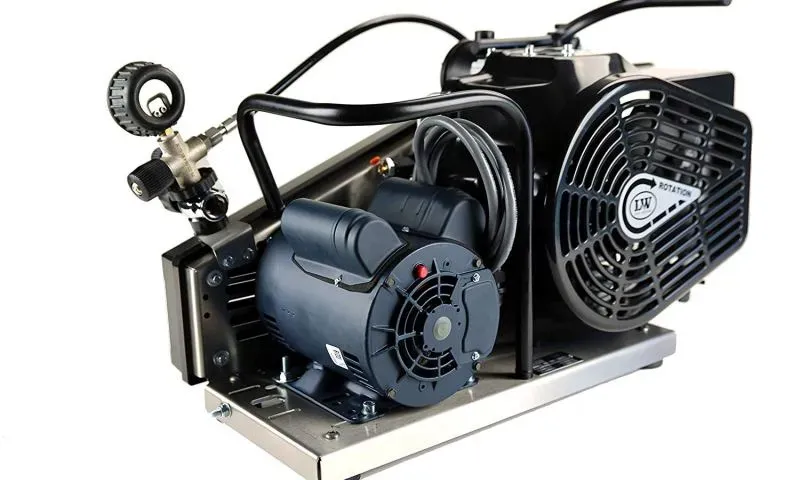
High Pressure Compressor Types for Scuba and Portable Systems
High pressure compressors are essential tools for divers, providing the necessary air supply to support safe and enjoyable underwater experiences. Understanding the various types of compressors available can significantly enhance a diver’s efficiency and safety. This comprehensive guide will delve into the different types of high pressure compressors, their key features, applications, and maintenance tips. By the end of this article, readers will have a clear understanding of how to choose the right compressor for their diving needs and the benefits each type offers.
Diving enthusiasts often face challenges in ensuring they have a reliable air supply while exploring underwater environments. High pressure compressors address this need by delivering compressed air efficiently and in a manner designed to support compliance with recognized air quality standards. This article will cover the types of diving air compressors, their applications, advantages, and maintenance tips, providing a thorough overview for both novice and experienced divers. For a complete overview of systems, standards, and maintenance, see our high pressure diving compressors guide.
Comprehensive Guide on High Pressure Compressors for Divers
High pressure compressors play a crucial role in the diving industry, ensuring that divers have access to breathable air at the depths they explore. These compressors are designed to handle the specific requirements of diving, including the need for high pressure and air purity. Understanding the different types of compressors available can help divers make informed decisions about their equipment.
The importance of high pressure compressors cannot be overstated, as they not only provide the necessary air supply but also support safety through proper filtration and pressure management. This guide will explore the various types of compressors, their features, and how they cater to the unique needs of divers.
Types of Diving Air Compressors
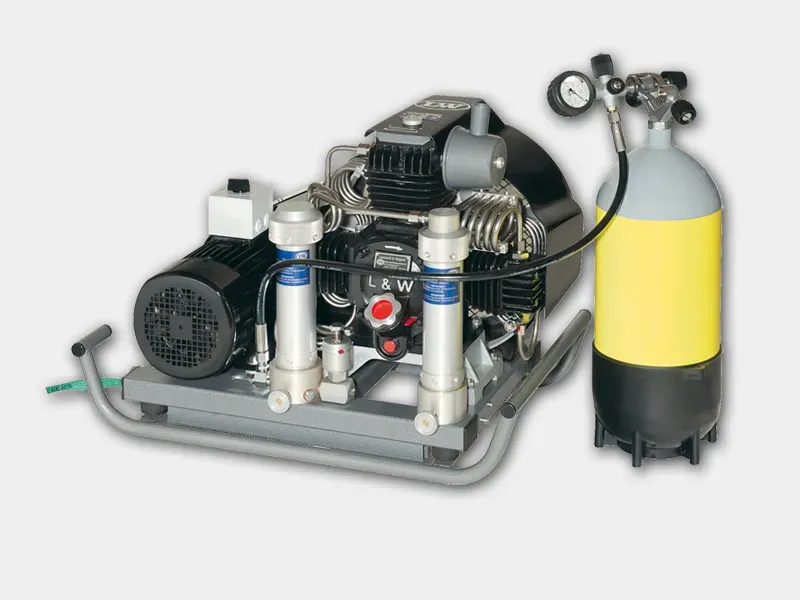
Diving air compressors come in several types, each designed for specific applications and environments. Understanding these types can help divers select the most suitable compressor for their needs.
Portable Scuba Air Compressors
Portable scuba air compressors are lightweight and designed for mobility, making them ideal for divers who venture into remote locations. These compressors are typically compact and easy to transport, allowing divers to fill their tanks on-site without relying on external fill stations. The advantages of portable compressors include:
- Lightweight and Mobility: Easy to carry and set up in various locations.
- Ideal for Remote Locations: Perfect for diving trips where access to traditional fill stations is limited.
- Advantages for Divers: Provides convenience and flexibility for spontaneous diving adventures.
Industrial Fill-Station Compressors
Industrial fill-station compressors are designed for high-volume air supply, making them suitable for commercial diving operations. These compressors can operate continuously and are built to handle the demands of multiple divers filling their tanks simultaneously. Key features include:
- High-Volume Capacity: Capable of filling multiple tanks quickly.
- Continuous Operation: Designed for long-term use without overheating.
- Used in Commercial Diving: Essential for dive shops and industrial applications.
Mobile Fill Station Compressors
Mobile fill station compressors offer flexibility and rapid fill capabilities, often mounted on trailers for easy transport. These systems are particularly useful for emergency operations or events where quick air supply is needed. Their features include:
- Trailer-Mounted Systems: Easily transportable to various locations.
- Emergency Operations: Ideal for situations requiring immediate air supply.
- Quick Air Supply: Efficiently fills tanks in a short amount of time.
Custom-Engineered Systems
Custom-engineered compressor systems are tailored to meet specific operational needs, providing enhanced efficiency and performance. These systems can be designed for unique applications, ensuring that divers have the right equipment for their specific requirements. Features include:
- Tailored Designs: Customized to fit specific diving operations.
- Specific Operational Needs: Addresses unique challenges faced by divers.
- Enhanced Efficiency: Optimized for performance and reliability.
Key Features of High Pressure Compressors
When selecting a high pressure compressor, several key features should be considered to ensure optimal performance and safety. These features include:
- Pressure Rating: The maximum pressure the compressor can achieve, which is crucial for filling scuba tanks.
- Air Flow: The volume of air the compressor can deliver, impacting how quickly tanks can be filled.
- Filtration Systems: Essential for supporting compliance with air quality standards such as CGA Grade E or EN 12021, ensuring the air is free from contaminants.
- Cooling Systems: Important for maintaining optimal operating temperatures during extended use.
Applications of High Pressure Compressors
High pressure compressors have a wide range of applications beyond recreational diving. Some of the key areas where these compressors are utilized include:
- Diving: Providing breathable air for recreational and professional divers.
- Firefighting: Supplying air for firefighters using breathing apparatus.
- Medical: Used in medical facilities for various applications requiring compressed air.
- Industrial: Supporting various industrial processes that require high pressure air.
For divers, understanding these applications can help in selecting the right compressor for their specific needs.
Advantages of High Pressure Compressors
High pressure compressors offer several advantages that enhance the diving experience. These benefits include:
- Safety Support: Designed to support compliance with air quality standards, helping divers access breathable air when properly maintained and operated.
- Efficiency: Allows for quick tank fills, reducing downtime between dives.
- Durability: Built to withstand the rigors of diving environments.
- Versatility: Suitable for various applications beyond recreational diving.
Maintenance Tips
Proper maintenance of high pressure compressors is essential for ensuring their longevity and reliability. Here are some key maintenance tips:
- Regular Inspections: Conduct routine checks to identify any potential issues early.
- Follow Manufacturer Guidelines: Adhere to the recommended maintenance schedule provided by the manufacturer.
- Proper Storage: Store compressors in a dry, cool place to prevent damage.
By following these maintenance tips, divers can ensure their compressors remain in optimal condition.
What Are the Primary Types of High Pressure Diving Compressors?

The primary types of high pressure diving compressors include portable scuba air compressors, industrial fill-station compressors, mobile fill station compressors, and custom-engineered systems. Each type serves a specific purpose and is designed to meet the unique needs of divers.
For instance, the rigorous evaluation of specific models like the Bauer Mariner D highlights the importance of robust design and performance in meeting demanding operational standards.
Bauer Mariner D: High-Pressure Diving Compressor Evaluation
In July 1982, the BAUER MARINER D high pressure air compressor was tested by the Navy Experimental Diving Unit in response to reference 1. The purpose of this test was to determine if the equipment was suitable for use by the United States Navy USN diving community. The BAUER MARINER D met manufacturers specifications for quantity of air produced with a quality which met or exceeded purity standards. The design and engineering was determined to be adequate as no material failures were encountered during testing. The BAUER MARINER D is considered to be suitable for USN requirements for compressors of this size and type.
Evaluation of BAUER MARINER’D’High Pressure Breathing Air Compressor.
How Do Piston Compressors Operate in Scuba Tank Filling?
Piston compressors operate by using a series of pistons to compress air, which is then stored in scuba tanks. This process involves staged compression, where air is gradually compressed to the desired pressure. Effective thermal management is crucial to prevent overheating during operation, ensuring the compressor functions efficiently.
Beyond the compressor’s operation, proper handling and maintenance of the scuba tanks themselves are equally vital for diver safety and equipment longevity.
Scuba Tank Filling, Safety, and Maintenance for Divers
In scuba diving, air is obtained from tanks for breathing. For recreational diving, scuba tanks are usually filled with normal compressed air up to 200 bar. Scuba tanks shouldn’t be emptied completely for safety and maintenance reasons. They always should have more than 50 bar left at the end of each dive. If tanks are completely emptied, moist air might enter and cause the inside to rust. Rust particles in return might block of the sinter filter and block off air supply. Scuba tanks have to be serviced in regular intervals. Tanks made of steel have to undergo a visual test usually every 2.5 years and a hydrostatic test every 5 years.
Note: This guidance reflects general diving best practices and is provided for informational purposes only. It is not specific operational advice related to compressor use.
What Are the Features of Diaphragm Compressors for Breathing Air?
Diaphragm compressors are specialized systems designed to provide ultra-high purity gas by utilizing a diaphragm mechanism to compress air. While they are not commonly used for standard scuba tank filling, they find niche applications in environments requiring exceptionally pure breathing air, such as laboratories and certain medical settings. Key features include:
- Ultra-High Air Purity: Ensures air is free from contaminants beyond typical diving requirements.
- Efficiency: Operates quietly and with minimal energy consumption.
- Specialized Applications: Suitable for industries demanding stringent air quality standards.
What Are the Advantages of Portable Scuba Compressors for Divers?
Portable scuba compressors offer several advantages for divers, including:
- Portability Benefits: Easy to transport, allowing divers to fill tanks on-site.
- Efficiency: Provides quick fills, reducing wait times.
- Ease of Use: Simple operation makes them accessible for divers of all experience levels.
How Do Portable Compressors Enhance Outdoor Diving Activities?
Portable compressors significantly enhance outdoor diving activities by providing logistical independence. Divers can fill their tanks in remote locations, allowing for greater flexibility in planning dives. This capability supports advanced diving techniques and exploration of less accessible sites. You can read our portable scuba compressors guide to deepen your understanding of these essential systems.
What Are the Key Specifications of Portable High Pressure Air Systems?
Key specifications of portable high pressure air systems include:
- Pressure Levels: Typically range from 3000 to 4500 psi, depending on the model.
- Air Quality Standards: Must meet specific purity standards for safe breathing.
- Portability Features: Lightweight designs and compact sizes for easy transport.
How Should Divers Maintain and Ensure Safety of High Pressure Air Compressors?
To maintain and ensure the safety of high pressure air compressors, divers should:
- Conduct Regular Maintenance: Follow a strict maintenance schedule to keep compressors in good working order.
- Check Safety Features: Ensure that all safety features, such as pressure relief valves, are functioning correctly.
- Implement Emergency Procedures: Be prepared with emergency protocols in case of compressor failure.
What Are the Essential Maintenance Procedures for Diving Compressors?
Essential maintenance procedures for diving compressors include:
- Inspection Schedules: Regularly inspect components for wear and tear.
- Filter Replacements: Change filters as recommended to maintain air quality.
- Oil Changes: Follow the manufacturer’s guidelines for oil changes to ensure smooth operation.
Which Safety Features Are Mandatory in Breathing Air Compressors?
Mandatory safety features in breathing air compressors include:
- Pressure Relief Valves: Prevent over-pressurization and potential accidents.
- Advanced Safety Features in Specialized Systems: Some higher-end or industrial compressors may include redundant sensors and additional monitoring for enhanced safety, though these are not universally required across all compressor types.
- Operator Training: Proper training for operators to handle compressors safely.
What Accessories Complement High Pressure Compressors for Outdoor Sports Enthusiasts?
Several accessories complement high pressure compressors, enhancing their functionality for outdoor sports enthusiasts:
- Fill Manifolds: Allow multiple tanks to be filled simultaneously.
- Purification Systems: Ensure the air is free from contaminants.
- Breathing Air Monitors: Provide real-time monitoring of air quality.
Which Compressor Accessories Support Efficient Scuba Tank Filling?
Accessories that support efficient scuba tank filling include:
- Lightweight Fill Systems: Designed for easy transport and setup.
- Storage Solutions: Keep tanks organized and secure during transport.
- Cooling Systems: Help maintain optimal operating temperatures during use.
How to Choose the Right Diving Compressor: Buying Guide and Considerations
When choosing a diving compressor, consider the following factors:
- Pressure Levels: Ensure the compressor can meet the required pressure for your tanks.
- Air Quality Standards: Look for compressors that support compliance with industry standards for breathing air.
- Maintenance Requirements: Consider the ease of maintenance and availability of replacement parts.
For help with finding a diving compressor, consider exploring our article on how to choose the right compressor for dive tanks.
What Factors Determine the Best Compressor Type for Your Diving Needs?
Several factors influence the selection of the best compressor type for diving needs, including:
- Pressure Requirements: Different diving depths require different pressure levels.
- Intended Use: Recreational vs. commercial diving may dictate compressor choice.
- Flow Rate: The speed at which tanks can be filled is crucial for efficiency.
How Do Noise Levels and Filtration Systems Impact Compressor Selection?
Noise levels and filtration systems are critical considerations when selecting a compressor. High noise levels can be disruptive, especially in residential areas, while effective filtration systems ensure the air quality is safe for breathing. Choosing a compressor with low noise output and high-quality filtration can enhance the overall diving experience.