
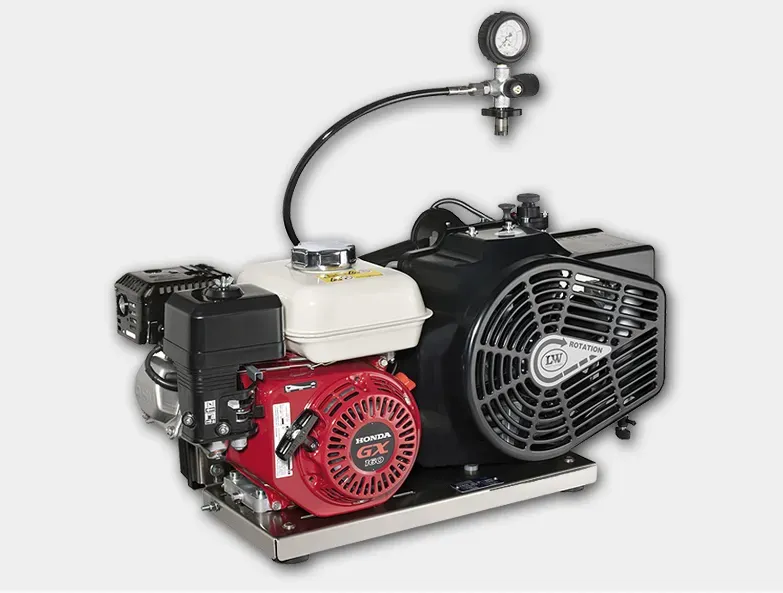
Advantages of Portable High Pressure Dive Compressors: Comprehensive Insights for Diving Professionals and Enthusiasts
Portable high pressure dive compressors are essential tools for divers, providing a reliable source of compressed air for underwater exploration. These compressors are designed to be compact and efficient, making them ideal for both recreational and professional diving applications. In this article, we will explore the numerous advantages of using portable high pressure dive compressors, including their efficiency, portability, and advanced filtration systems. Additionally, we will discuss how these compressors serve outdoor sports enthusiasts and professional divers, highlighting their practical applications in various scenarios. By understanding the benefits and features of these compressors, divers can make informed decisions that enhance their diving experiences. For a more detailed review of compressor options, check out our complete guide on high pressure compressors for diving systems.
The specialized design of these compressors, often featuring multiple cylinders, allows them to achieve the high pressures necessary for critical applications like scuba tank filling and breathing air systems.
Portable High-Pressure Compressors for Breathing Air Systems
These compressors use two cylinders to further increase the pressure of the air, making them useful for applications that require high-pressure breathing air, such as scuba tank filling and commercial diving breathing air systems.
FABRICATION AND TESTING OF A PORTABLE BREATHING EQUIPMENT FOR LOW PRESSURE CONDITIONS, 2023
What Are the Core Benefits of Using Portable High Pressure Dive Compressors?
Portable high pressure dive compressors offer several key benefits that make them indispensable for divers. These advantages include efficiency in filling tanks, portability for remote locations, and cost-effectiveness in operations. By utilizing these compressors, divers can ensure they have a reliable air supply, which is crucial for safety and performance underwater.
How Does Portability Enhance Dive Compressor Utility?
The portability of dive compressors significantly enhances their utility, especially in remote diving operations and emergency response situations. Divers can easily transport these compressors to various locations, allowing them to fill tanks on-site without the need for a stationary air supply. This flexibility is particularly beneficial for expeditions to remote areas where access to traditional filling stations may be limited.
In What Ways Do Compact Designs Improve Operational Efficiency?
Compact designs of portable dive compressors contribute to operational efficiency by allowing for high performance despite their size. These compressors are engineered to deliver powerful output while consuming less energy, making them an environmentally friendly choice. Their small footprint also means they can be easily stored and transported, further enhancing their practicality for divers. For additional information, you can review the different high compressor types for divers here.
How Do Portable High Pressure Dive Compressors Serve Outdoor Sports Enthusiasts and Professional Divers?
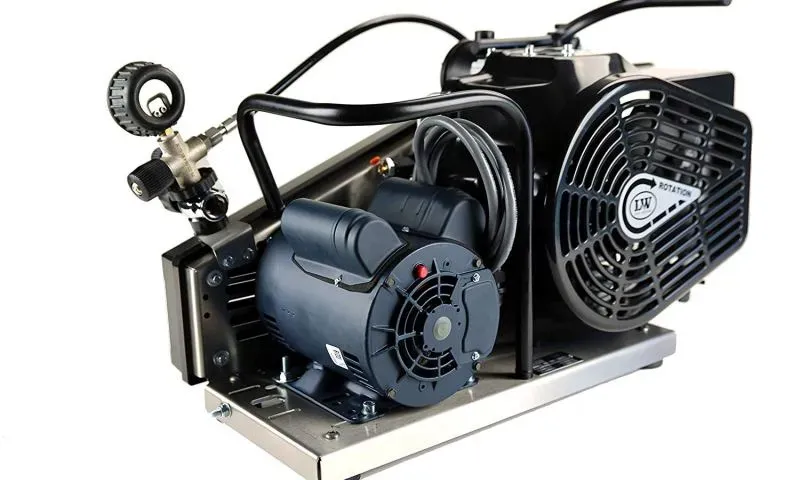
Portable high pressure dive compressors are not only beneficial for recreational divers but also serve outdoor sports enthusiasts and professional divers effectively. Their mobility allows for logistical independence, enabling divers to engage in various activities without being tethered to a fixed air supply.
What Use Cases Highlight the Advantages for Recreational Diving?
Recreational diving often takes place in remote locations, where access to air filling stations can be challenging. Portable dive compressors allow divers to fill their tanks on-site, ensuring they have the necessary air supply for their adventures. This capability is particularly advantageous for training and instruction scenarios, where multiple divers may require air fills in a short period.
What Are the Comparative Advantages of LW Americas’ Portable Dive Compressors?
LW Americas specializes in providing portable high pressure dive compressors that stand out in the market due to their unique features. These compressors are designed with advanced filtration systems that support compliance with recognized air quality standards such as CGA Grade E and EN 12021, which are critical for diving safety.
Ensuring the purity of breathing air is paramount for diver safety, a concern that has driven the development of rigorous testing protocols and the demand for advanced monitoring solutions.
Real-time Air Quality Monitoring for Diving Compressors
The U.S. Navy Divers Air Sampling Program coordinates the mandatory semiannual air purity testing of compressors used to supply divers air in the Fleet. Gas sampling kits are sent to the field, where gas samples are taken. These samples are then returned to a contract laboratory for analysis, with the results subsequently reported back to the field. This approach is expensive, cumbersome, and potentially unreliable. Consequently, the U.S. Navy is interested in having a real-time online air quality monitor to ensure that compressors deliver safe diving air.
Development and Evaluation of an Online Air Quality Monitor (Diveair2) for Diving Compressors, 2009
How Do LW Americas Compressors Differ in Portability and Filtration?
LW Americas’ portable dive compressors are engineered for superior portability and filtration compared to traditional models. Their lightweight design allows for easy transport, while the advanced filtration systems help remove contaminants from the air, supporting compliance with industry air quality standards to help ensure divers breathe clean air during their dives.
What Industry Standards and Certifications Validate LW Americas’ Product Quality?
LW Americas’ products are built to meet stringent industry standards and certifications, which validate their quality and reliability. These certifications ensure that divers can trust the performance of their compressors, providing peace of mind during underwater excursions.
Efficiency and Cost-Effectiveness
The efficiency and cost-effectiveness of portable high pressure dive compressors are significant factors that contribute to their popularity among divers. These compressors are designed to maximize performance while minimizing operational costs, making them an attractive option for both recreational and professional use.
Real-world evaluations of portable compressors demonstrate their efficiency in action, showcasing impressive tank filling times and economical operation.
Bauer Varius G-3: Portable High-Pressure Dive Compressor Evaluation
A gasoline engine driven high-pressure breathing air compressor, BAUER Varius G-3, was evaluated by the Navy Experimental Diving Unit to determine its suitability for Navy use. Results of the 50-hour test showed that the portable compressor delivers breathing air at an average charge rate of 2.07 CFM, charging twin 72 cu. ft., twin 50 cu. ft., and single 80 cu. ft. scuba tanks in 71, 44, and 39 minutes respectively. The unit is easily maintained, sturdily constructed, and economical in gasoline fuel consumption.
Test and Evaluation of Bauer Portable High-Pressure Breathing Air Compressor, Model Varius G-3., 1980
This table illustrates how the features of portable dive compressors translate into tangible benefits for users, highlighting their efficiency and cost-effectiveness. To help make a decision, you can review our article on how to choose the right compressor for dive tanks.
Maintenance Practices to Ensure Optimal Performance of Portable High Pressure Dive Compressors

Proper maintenance is crucial for ensuring the optimal performance of portable high pressure dive compressors. Regular maintenance practices can extend the lifespan of these compressors and enhance their reliability during use.
What Are the Recommended Maintenance Intervals and Procedures?
It is recommended that divers perform routine checks on their compressors, including inspecting filters, checking for leaks, and ensuring that all components are functioning correctly. Regular maintenance intervals should be established based on usage frequency, with more frequent checks for compressors used in demanding environments.
How Does Proper Maintenance Extend Compressor Lifespan and Reliability?
By adhering to recommended maintenance practices, divers can significantly extend the lifespan and reliability of their portable dive compressors. Regular upkeep not only prevents potential issues but also ensures that the compressors operate at peak efficiency, providing divers with the air supply they need for safe and enjoyable diving experiences.
For a broader understanding of high-pressure diving compressors and their applications, readers are encouraged to explore our comprehensive guide on high-pressure diving compressors, which covers a wide range of topics to support informed decision-making.