
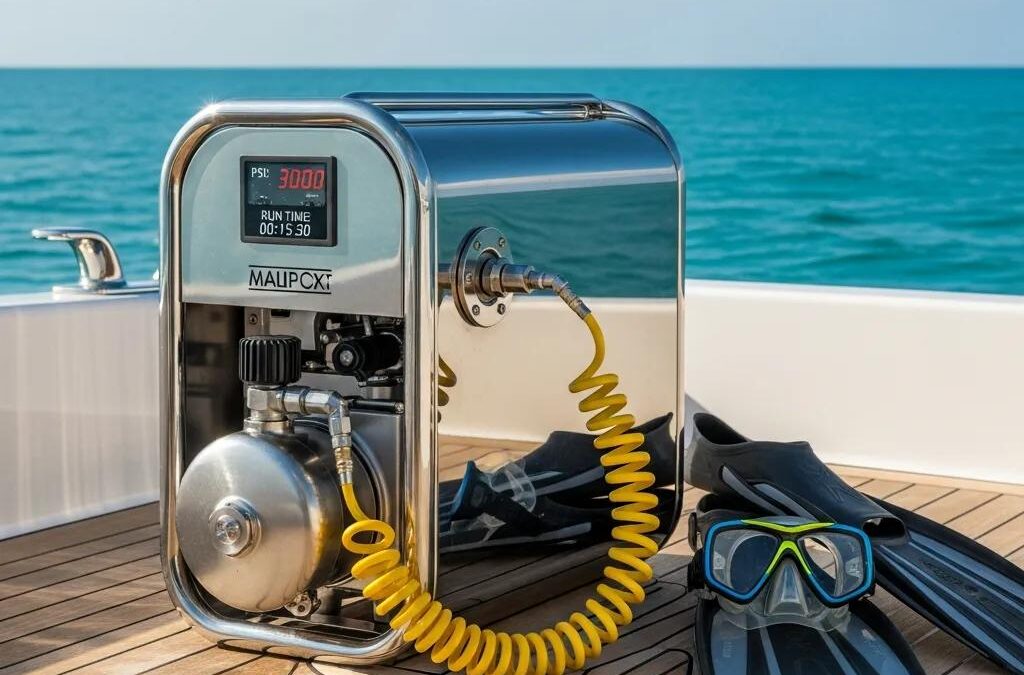
How to Choose the Ideal High-Pressure Air Compressor for Yachts
Selecting the right high-pressure air compressor for your yacht is crucial for ensuring safety and efficiency during diving operations. This comprehensive guide will help you understand the various types of compressors available, their technical specifications, and maintenance practices to ensure longevity including proper maintenance and service schedules. Understanding the differences between compressor systems is critical, especially when comparing high-pressure systems to traditional options. Many yacht owners face challenges in choosing the right equipment that meets their specific needs, especially when it comes to filling SCBA tanks and maintaining air quality standards. By the end of this article, you will have a clear understanding of how to choose the best high-pressure air compressor for your yacht, including installation considerations and maintenance practices. We will explore key types of compressors, essential technical specifications, installation planning, and how to choose the right yacht compressor system.
Disclaimer: The performance, safety, and compliance of any high-pressure air compressor system are highly dependent on proper specification, professional installation, and diligent ongoing maintenance. Always consult with qualified experts for your specific yachting needs.
The complexity of this selection process has been a subject of academic inquiry, emphasizing the need for clear criteria.
What Are the Key Types of High-Pressure Air Compressors for Yachts?
High-pressure air compressors for yachts primarily utilize reciprocating piston technology, often configured in multiple stages to achieve the extreme pressures required for diving and SCBA tanks. While the core mechanism is similar, they can be categorized by their operational design and features:
- Reciprocating Piston Compressors (Multi-stage): These are the most common type for high-pressure applications on yachts. They use pistons to compress air in successive stages, increasing pressure incrementally to reach the required 3000–4500 psi. Multi-stage designs are crucial for efficiency and managing heat at high pressures, offering robust reliability and continuous-duty capability.
- Automated Compressor Systems: Many modern yacht compressors, such as the LW Americas YachtPro™ Series, integrate advanced automation. While still employing multi-stage reciprocating technology, these systems feature automatic shut-off, integrated filtration, and user-friendly controls, simplifying operation and enhancing safety for yacht owners.
These compressor designs are essential for filling SCBA tanks and ensuring air quality meets necessary standards.
High-Pressure Yacht Compressor Comparison
Note: Specific features and performance may vary significantly by model and manufacturer.
What Are the Advantages of Electric Yacht Compressors?
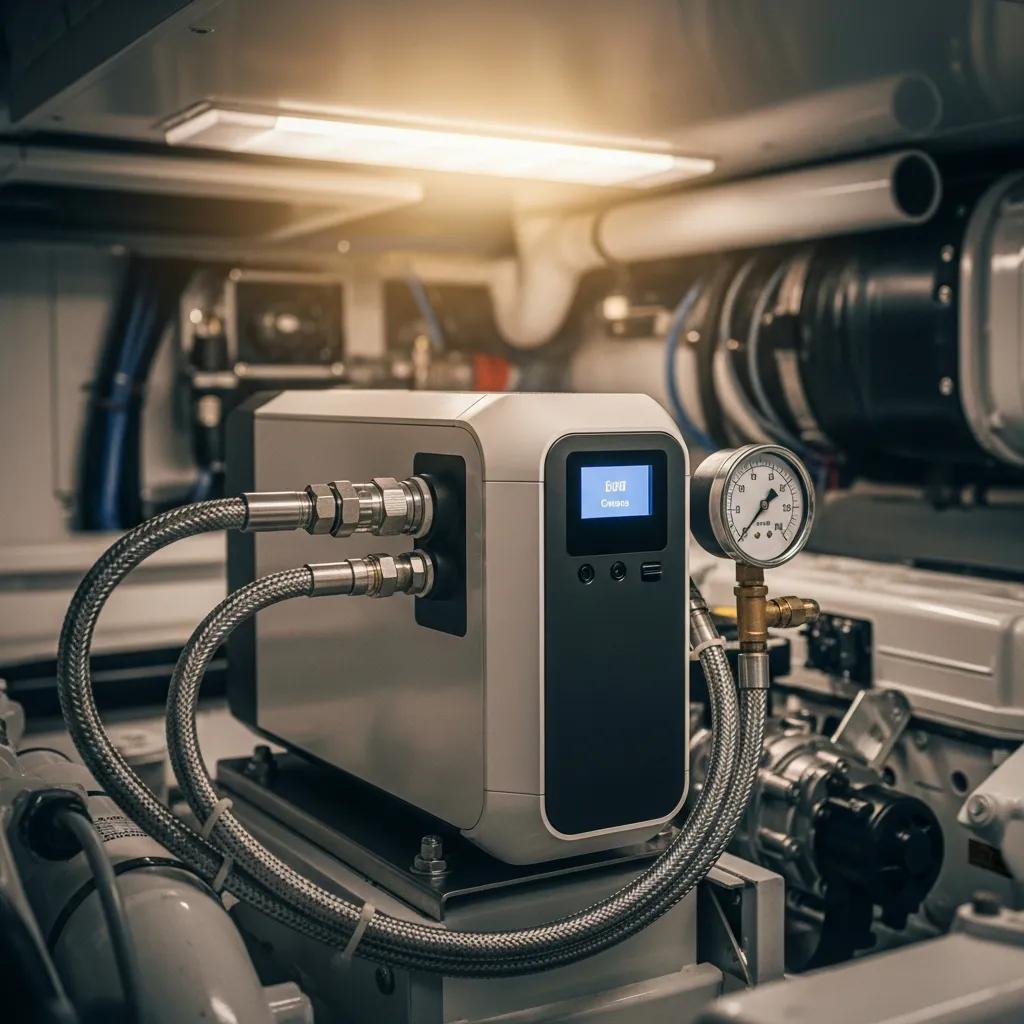
Electric yacht compressors offer several advantages, including energy efficiency and lower noise levels compared to gasoline or diesel models. They are ideal for use in confined spaces, as they produce minimal emissions and operate quietly, making them suitable for residential areas or during nighttime operations. Additionally, electric compressors often require less maintenance, as they have fewer moving parts and do not require fuel storage. For a side-by-side comparison of modern high-pressure systems and older options, see Discover High-Pressure Yacht Systems vs Traditional Options.
When Should You Choose Gasoline or Diesel Marine Compressors?
Gasoline or diesel marine compressors are often chosen for situations where direct electric power is not consistently available or when minimizing the load on the yacht’s generator is a priority. They are ideal for remote locations, extended offshore trips, or as a robust backup system. Their self-contained power source offers independence from shore power or the yacht’s main electrical system, making them suitable for operations where flexibility and autonomy are key. However, considerations for fuel availability, exhaust management, and increased maintenance requirements compared to electric models should be carefully evaluated.
Which Technical Specifications Matter Most for Marine Breathing Air Compressors?
The most important technical specifications for marine breathing air compressors include:
- Pressure Ratings: Typically, breathing air cylinders require fill pressures in the range of 3000–4500 PSI. It’s crucial to identify the working pressure and ensure the compressor can meet these requirements.
- Flow Rate (CFM/FAD): The rated flow must be sufficient to meet turnaround times for multiple cylinders or SCBA packs, especially in busy operations.
- Duty Cycle: Continuous-duty designs are necessary for operations that require ongoing air supply without interruptions.
- Air Quality Filtration: Compliance with air purity standards is critical, necessitating effective filtration systems to remove contaminants such as hydrocarbons, moisture, and particulates.
- Monitoring Systems: Continuous monitoring of air quality parameters (e.g., CO, CO₂, moisture) is essential to ensure safety and compliance with standards.
- Safety Margins: A recommended safety margin of 10–25% above the working pressure should be considered for relief valve and component ratings.
- Compact Design and Vibration Resistance: Particularly important for maritime applications where space and stability may be limited.
These specifications ensure the compressor is suitable for safety-critical applications like diving and firefighting.
Real-world evaluations of specific compressor models, such as those conducted by naval diving units, further demonstrate the critical importance of meeting stringent specifications for diving applications.
How Do Airflow and Pressure Affect Yacht Compressor Performance?
Airflow and pressure significantly affect yacht compressor performance by determining the required flow rate and operational efficiency. When selecting a compressor, it is essential to define the required working pressure and air quality standards, calculate peak and average CFM needs, and match the duty cycle to the operational profile. Factors such as altitude, inlet temperature, and gas type can alter the Free Air Delivery (FAD) and cooling requirements, impacting overall performance. Proper sizing and specification ensure that the compressor meets the demands without overspending on unnecessary capacity.
Why Is Breathing Air Filtration and Quality Standards Critical for Onboard Scuba Compressors?
Breathing air filtration and quality standards are critical for onboard scuba compressors because they ensure the air being supplied is safe for human consumption. These standards specify limits for total hydrocarbons, carbon monoxide (CO), moisture, and particulates, which are essential to prevent health risks associated with breathing contaminated air. Compliance with standards such as CGA Grade E or equivalent is necessary for operational safety, particularly in high-pressure environments like diving, where the quality of the air can directly impact the diver’s health and safety.
The profound impact of air quality on diver health and safety underscores the necessity of robust filtration systems.
How to Plan Yacht Compressor Installation for Optimal Space and Power Integration?
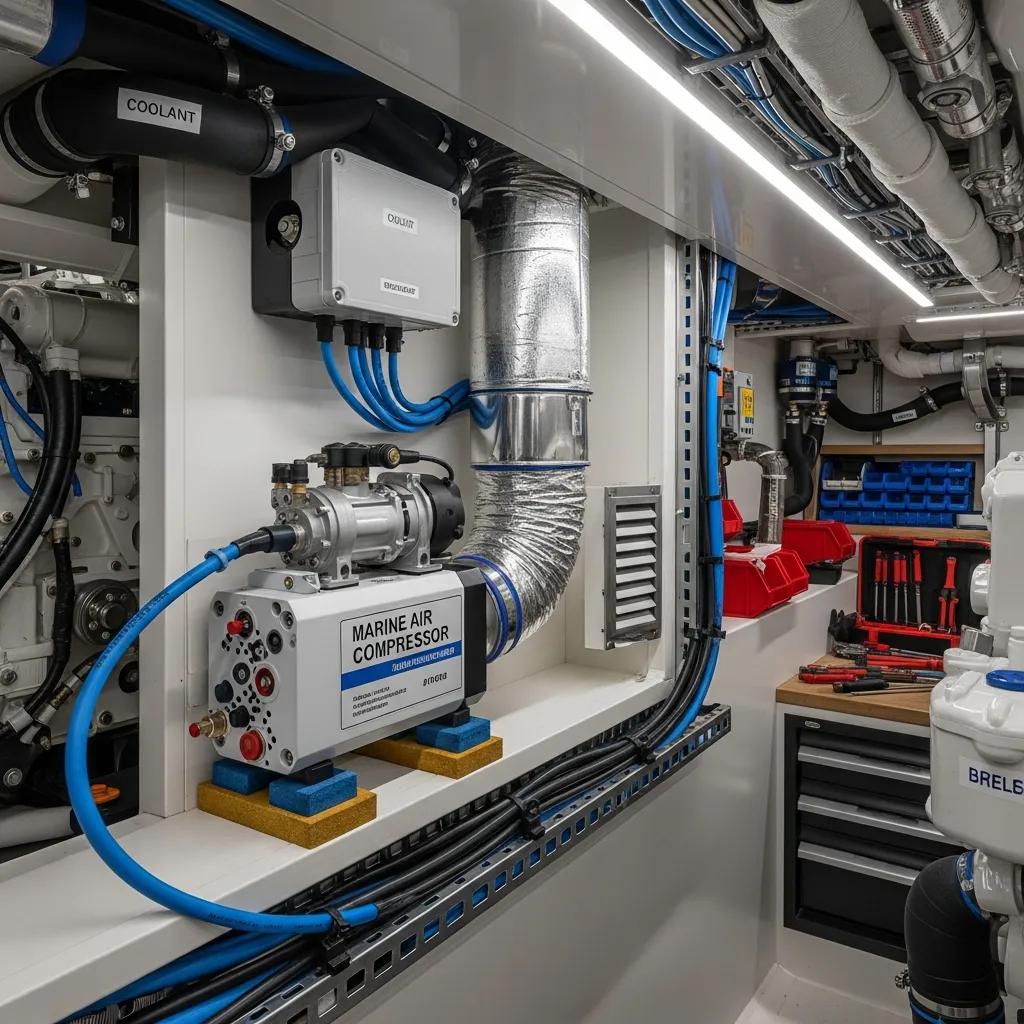
Planning the installation of a yacht compressor requires careful consideration of space and power requirements to ensure optimal performance and safety.
What Are Space and Mounting Considerations for Onboard Compressors?
When installing a compressor on a yacht, it is essential to consider the available space and mounting options. Compressors should be installed in a well-ventilated area to prevent overheating and ensure efficient operation. Additionally, the mounting surface must be stable and capable of absorbing vibrations to minimize wear and tear on the equipment.
How to Ensure Power System Compatibility: AC, DC, and Generator Options?
Ensuring power system compatibility is crucial for the successful operation of yacht compressors. Depending on the compressor type, you may need to consider AC or DC power sources, as well as generator options for remote locations. Understanding the power requirements of your compressor will help you select the appropriate power system and avoid potential operational issues.
What Maintenance Practices Ensure Longevity of High-Pressure Marine Air Compressors?
To ensure the longevity of high-pressure marine air compressors, the following maintenance practices are recommended:
- Basic Diagnostics: Regularly verify power and control status, and reset alarms as needed.
- Intermediate Checks: Inspect filters, drain traps, and manifold valves, and measure pressures to ensure proper operation.
- Filter Changes: Perform simple filter changes to address contamination issues.
- Escalation for Complex Issues: Contact qualified technical support for compressor block, pump failures, or persistent contamination that cannot be resolved through basic maintenance.
- Monitoring Systems: Utilize electronic compressor control systems for monitoring oil pressure and inter-stage pressures, which can trigger automatic shutdowns if issues arise.
- Temperature Management: Implement compressor block heating for ambient temperatures below +5°C to prevent operational issues.
- Regular Calibration: Conduct primary pressure calibration to maintain desired inlet pressure.
- Water Cooling: Use water cooling systems with stainless steel heat exchangers to manage temperature effectively.
What Is the Recommended Routine Maintenance Schedule for Yacht Compressors?
A recommended routine maintenance schedule for yacht compressors includes:
- Daily Checks: Inspect power and control systems, and check for leaks.
- Weekly Maintenance: Clean or replace filters and inspect hoses and connections.
- Monthly Inspections: Conduct thorough checks of all components, including pressure gauges and safety valves.
- Annual Servicing: Schedule a comprehensive service with a qualified technician to ensure all systems are functioning optimally.
How Does LW Americas Support Spare Parts and Service for Marine Compressors?
LW Americas supports spare parts and service for marine compressors by providing tailored high-pressure solutions, including project-managed compressor selection and custom designs. They offer responsive support in North America, ensuring that customers can connect for specific quotes and assistance with their compressor needs. Additionally, their systems are designed for reliability and efficiency, which helps reduce downtime and extend component life through predictive repairs.
Why Choose LW Americas YachtPro™ Series for Your Yacht’s High-Pressure Air Needs?
The LW Americas YachtPro™ Series is recommended for your yacht’s high-pressure air needs because it offers a fully automated system that allows users to simply connect their tanks, open the valves, and turn the system on. The compressor automatically stops when the tanks are full, freeing users to attend to other duties. Additionally, it features a Variable Frequency Drive (VFD) to manage inrush current during motor start-up, ensuring efficient operation. The series is designed to meet the specific needs of yacht owners, providing reliable and convenient air filling solutions.
What Are the Essential Features of the YachtPro™ Compressor Line?
- Automation: Fully automated operation simplifies the filling process.
- VFD Technology: Variable Frequency Drive optimizes energy consumption and reduces wear.
- Compact Design: Space-saving design fits easily into tight yacht spaces.
- Robust Filtration: Advanced filtration systems ensure air quality meets safety standards.
These features make the YachtPro™ series an excellent choice for yacht owners seeking efficiency and reliability.
How Does LW Americas Provide Custom Solutions and Project Management?
LW Americas provides custom solutions and project management through a structured workflow that includes needs assessment, equipment selection, system design (2D/3D), installation oversight, commissioning, and post-installation support. Their approach ensures that the final system aligns with operational and regulatory environments, reducing installation risk and facilitating compliance. Deliverables such as design drawings, bills of material, and commissioning reports help document performance and maintainability. Their project management also coordinates site requirements with equipment delivery and commissioning, ensuring a coherent handover that includes operating and maintenance guidance for local staff.
Further Reading
- Marine Air Compressor Selection Criteria: “Selection of marine type air compressor by using fuzzy VIKOR methodology,” A Kaya, 2022. This study evaluates important criteria in compressor selection, addressing a gap in the literature.
- BAUER MARINER D Compressor Evaluation for Diving: “Evaluation of BAUER MARINER’D’High Pressure Breathing Air Compressor.” This report details the testing of the BAUER MARINER D by the Navy Experimental Diving Unit for suitability in USN diving operations, confirming it met or exceeded purity standards.
- Breathing Air Filtration for Diver Safety: “Effectiveness evaluation of sources of supply and systems filter in production process of breathing air,” A Woźniak, 2016. This research emphasizes the critical importance of efficient filtration systems for breathing air quality in hyperbaric environments to ensure diver safety.