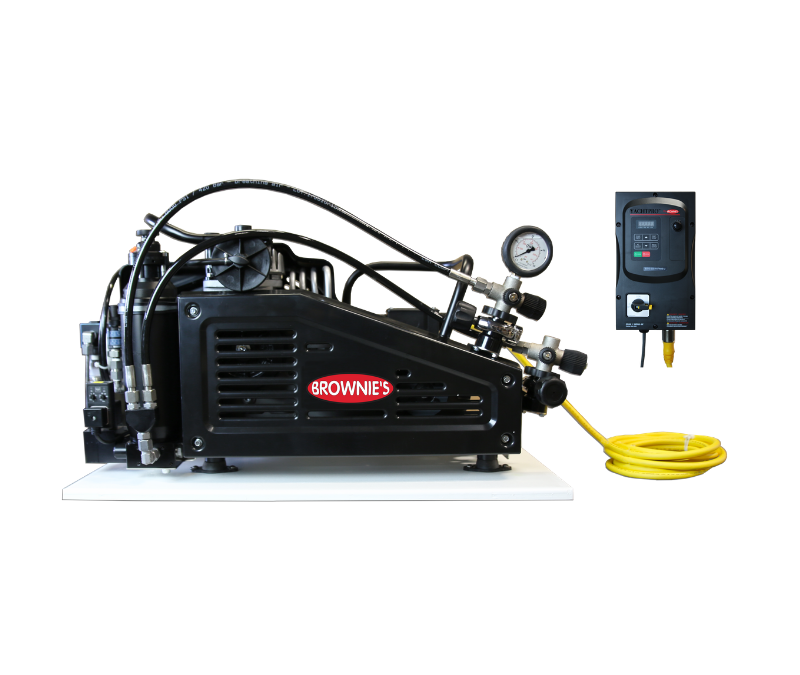
High-performance portable dive compressors offer a robust solution for divers and dive operations requiring sustained air supply without sacrificing mobility. As diving professionals face increasingly demanding operational requirements — from multi-diver fill stations to remote expedition deployments — selecting the right compressor class is a critical engineering and logistics decision. This article examines the specifications, operational advantages, and appropriate applications of heavy-duty portable dive compressors, and explains where they deliver meaningful performance advantages over entry-level compact models. Key distinctions include continuous-duty capability, higher charging rates, superior breathing air filtration, and the ability to support multiple divers or extended operations without interruption.
Performance Specifications
Understanding the performance specifications of heavy-duty dive compressors is essential for matching equipment to operational demands. Key metrics include flow rate, maximum working pressure, duty cycle rating, and multi-stage filtration design — each of which directly determines how well a compressor performs in real-world field conditions. Heavy-duty portable compressors are engineered for sustained output, delivering higher charging rates and consistent air quality across extended fill sessions.
Flow Rate and Maximum Pressure
Heavy-duty models are designed to deliver higher flow rates — typically exceeding 12 liters per minute — enabling faster cylinder fills and the ability to service multiple divers in succession. Maximum working pressures of 300 bar (approximately 4,350 psi) are standard across L&W’s heavy-duty portable range, accommodating a wide variety of scuba and surface-supply cylinder configurations. It is important to note that capable compact compressors can also reach 200–300 bar; the meaningful distinction lies not in maximum pressure alone, but in the sustained flow rate and duty cycle at which that pressure is delivered.
Efficiency Metrics of Multi-Cylinder Designs
Multi-cylinder compression blocks distribute mechanical load across stages, improving thermal management and enabling the unit to run at lower RPMs without compromising output pressure. This design approach — used in L&W’s continuous-duty compressor blocks — reduces vibration, extends seal life, and supports longer service intervals compared with higher-RPM intermittent designs. The operational benefit is consistent cylinder turnaround throughput rather than performance that degrades as the unit heats up during a busy fill session.
Duty Cycle and Continuous Operation
Duty cycle — the percentage of time a compressor can operate within a given period — is one of the most consequential specifications for professional dive operations. Entry-level compact models are commonly rated for intermittent duty (typically 50–75% cycles), requiring mandatory cool-down periods between fills. Heavy-duty units engineered for continuous duty are designed with robust intercoolers, aftercoolers, and larger cooling fans to dissipate heat effectively, enabling sustained operation without forced stops. For dive centers, maritime operations, or emergency response deployments, this difference in duty cycle translates directly into fill capacity and operational reliability.
Usage Scenarios
Heavy-duty portable dive compressors are particularly well suited to high-demand operational contexts where intermittent-duty compact models would face throughput or reliability constraints.
Ideal for Remote Locations
In remote field deployments — offshore platforms, island expedition staging areas, or inland sites without cylinder resupply — continuous-duty portable compressors provide logistical independence. L&W’s YachtPro™ series, for example, is purpose-built for vessel and liveaboard installations where space is limited and reliable on-demand fills are operationally essential. Their robust construction and higher fill rates allow teams to manage air supply without relying on pre-filled cylinder delivery, and their ability to run without mandatory cool-down periods ensures operational continuity across multi-dive days.
Applications in Emergency Response
Emergency response operations — including search and rescue and public safety diving — demand immediate, uninterrupted air supply. Heavy-duty continuous-duty compressors are specifically engineered to meet this requirement, maintaining consistent output pressure and airflow even during extended activation periods, where an intermittent-duty unit would require a rest cycle.
Effectiveness in Training Environments
Dive training environments place high sequential fill demands on compressors, as multiple students require tank refills within compressed timeframes. Heavy-duty models designed for continuous operation sustain fill rates across an entire training session without thermal-induced slowdowns, ensuring instruction is not interrupted by equipment cool-down requirements.
Comparative Advantages
Comparing heavy-duty compressors to compact models requires precision. The meaningful advantages of heavy-duty units are operational rather than categorical — they arise from duty cycle, fill throughput, and filtration depth, not from blanket superiority across all specifications.
Mobility vs. Capacity Trade-Offs
Compact compressors offer genuine advantages in portability and ease of deployment for single-diver or low-frequency fill operations. Heavy-duty portable models represent a deliberate trade-off: somewhat greater size and weight in exchange for significantly higher fill throughput, continuous-duty capability, and the capacity to service multiple divers without downtime. Operators planning group dives, commercial operations, or multi-day field deployments will generally find the throughput advantages of heavy-duty models operationally decisive.
Duty Cycle and Thermal Management
The primary reliability distinction between heavy-duty and compact models is thermal management under sustained load. Continuous-duty designs incorporate intercoolers between compression stages, oil management systems engineered for extended run times, and cooling architectures sized for uninterrupted operation. Compact models operating beyond their intermittent duty rating experience accelerated seal wear, increased maintenance frequency, and reduced service life — a direct consequence of thermal stress rather than any inherent quality difference in materials.
Advanced Filtration System Benefits
Heavy-duty compressors in the L&W range incorporate multi-stage breathing air filtration designed to comply with CGA G-7.1 and EN 12021 standards. A properly specified filtration chain — particulate pre-filters, coalescing filters to capture oil aerosols and water droplets, activated carbon beds for hydrocarbon and vapor removal, and molecular sieve units for moisture control — ensures that delivered air meets the purity requirements for scuba and surface-supply applications. This level of filtration depth is a meaningful differentiator from compact models that prioritize size reduction over comprehensive purification.
Heavy-Duty Performance Advantages
The performance advantages of heavy-duty portable compressors are best understood in terms of sustained operational capability rather than theoretical peak specifications.
Continuous-Duty Throughput
The core advantage of heavy-duty compressor designs is the ability to maintain rated fill throughput across extended operating periods. Where an intermittent-duty compact unit requires rest cycles that reduce effective daily fill capacity, a continuous-duty unit delivers predictable cylinder turnaround throughout the operating day. This capability is directly relevant for dive centers, commercial operations, and field deployments where fill scheduling must be reliable.
Durability for Sustained Operations
Heavy-duty compressors are engineered for sustained use, incorporating one-piece cast compressor blocks, lower operating RPMs, and robust cooling systems. These design choices reduce wear on seals, pistons, and bearings relative to high-RPM intermittent designs, and support extended service intervals under continuous operation. The result is not that performance improves over time, but that it remains consistent — a critical distinction for operations that depend on predictable equipment availability.
Operational Capacity for Multiple Divers
Heavy-duty compressors are rated to support the sequential fill demands of multiple divers operating from a common fill point. L&W systems designed for this role can also be paired with NitroxMaker® technology to support enriched-air fills alongside standard breathing air, extending the operational range of a single installation. This makes them the appropriate choice for group dive operations, commercial dive vessels, and training facilities where a single compact unit would either be unable to meet the throughput demand or would be operated beyond its duty cycle rating.
High-Pressure Compressor Blocks
The compression block is the mechanical core of any high-pressure dive compressor, and its design directly determines pressure output, service interval, and suitability for continuous operation.
Compressor Block Configurations
High-pressure compressor blocks vary by the number of compression stages, cylinder arrangement, and RPM profile. Multi-stage designs with intercoolers between stages manage discharge temperatures effectively, reducing oil carryover and thermal stress on seals. L&W’s compressor blocks are engineered for continuous duty at rated pressure, with design and manufacturing standards that support consistent output without requiring derating for thermal protection.
Specifications of High-Pressure Output
L&W’s portable compressor range — including the MC Series, designed for dive centers, vessels, and space-constrained installations — delivers working pressures up to 300 bar for scuba and breathing air applications, with higher-pressure models available for specialized industrial and defense use. Consistent high-pressure output depends not only on the compression block specification but on the integrity of the filtration system and the regularity of OEM-standard maintenance intervals. L&W compressors intended for defense and public safety applications have undergone independent third-party evaluation confirming that air quantity and quality meet or exceed applicable purity standards — a verification standard that reflects the baseline expectation for any life-support deployment.
Applications in Various Industries
Beyond recreational diving, high-pressure portable dive compressors serve commercial diving, offshore operations, underwater inspection, search and rescue, and defense applications — all of which require continuous-duty capability and verified breathing air purity as baseline requirements rather than optional features.
Continuous-Duty Capabilities
Continuous-duty capability defines the practical ceiling of a compressor’s operational usefulness in professional and commercial diving contexts.
Performance Characteristics During Extended Operation
Continuous-duty compressors maintain stable interstage temperatures, consistent oil management, and rated output pressure throughout extended operating periods. This is achieved through robust cooling architecture — intercoolers, aftercoolers, and thermally managed compression blocks — rather than through periodic rest cycles. The result is predictable fill throughput and fewer forced operational pauses.
Operational Limits and Application Matching
Understanding a compressor’s duty cycle rating is essential for matching equipment to mission requirements. Operating a compressor beyond its rated duty cycle leads to accelerated component fatigue, increased heat buildup, and premature failure. Heavy-duty continuous-duty units are designed so that their rated operating conditions correspond to the actual demands of sustained professional use, eliminating the mismatch that can occur when intermittent-duty compact units are deployed in high-frequency fill environments.
Energy Efficiency and Operational Cost
Continuous-duty compressors engineered to run at lower RPMs consume energy more efficiently per unit of compressed air delivered during sustained operation compared with high-RPM intermittent designs that cycle on and off under load. Reduced stop-start cycling also decreases wear on motors and starters, contributing to lower long-term maintenance costs — an important consideration for commercial operators evaluating total cost of ownership.
Comparing Portable vs. Compact Models
A well-informed comparison of portable heavy-duty and compact dive compressors requires evaluating specifications in the context of intended operational use rather than applying categorical rankings.
Performance Characteristics of Each Type
Compact dive compressors are well-suited to low-frequency, single-diver, or recreational fill applications where their portability and ease of setup provide genuine value. Heavy-duty portable models are the appropriate selection when fill throughput, continuous-duty operation, and multi-stage breathing air filtration are operational requirements. The performance gap between the two classes is most pronounced during sustained or high-frequency fill sessions, where duty cycle limitations become the binding constraint on compact unit output.
Suitability for Different Diving Scenarios
Compact models are appropriate for casual recreational use, single-diver expeditions, and infrequent fills where portability is the primary requirement. Heavy-duty portable compressors are required for commercial operations, dive centers, training facilities, emergency response deployments, and any scenario where multiple divers must be supported reliably over an extended operating period.
Maintenance Requirements Comparison
Maintenance requirements differ between the two classes in ways that reflect their design intent rather than quality. Compact models operated within their rated duty cycle have straightforward maintenance requirements appropriate to their use case. Heavy-duty continuous-duty units carry longer service intervals under their rated operating conditions, but require adherence to OEM-specified maintenance schedules — including filtration cartridge replacement, oil analysis, and pressure-drop tracking — to sustain breathing air compliance and equipment reliability.
This table summarizes the principal specification differences between heavy-duty portable and compact dive compressors. The most operationally significant distinctions are duty cycle and filtration depth rather than maximum pressure alone.
Summary of Comparative Advantages
Heavy-duty portable dive compressors deliver their strongest advantages in continuous-duty operation, higher sustained fill throughput, multi-stage breathing air purification, and the ability to support multiple divers across extended operating periods. For professional divers, commercial operators, and field deployments where reliability and air quality are non-negotiable, these distinctions make heavy-duty models the technically appropriate choice. Compact compressors remain valid and capable equipment for the recreational and low-frequency use cases they are designed to serve.
Select the Right Compressor for Your Operation
Selecting the appropriate compressor requires careful alignment of duty cycle, fill throughput, filtration depth, and deployment context. LW Americas is the exclusive North and South American distributor of L&W high-pressure compressors and gas management systems, and its team is available to assist diving professionals, commercial operators, and field planners in identifying the right solution for their specific application.
Whether the requirement is a space-efficient MC Series unit for a dive center or vessel installation, a maritime-ready YachtPro™ compressor for liveaboard or offshore operations, or a NitroxMaker® system to support enriched-air fills, LW Americas can provide technical guidance and configuration support.
Contact LW Americas directly to discuss application requirements:
Compact onboard dive compressors have transformed the way recreational divers access breathing air while at sea. These essential tools provide the convenience of filling tanks directly aboard the vessel, eliminating dependence on shore-based filling stations. For private boaters and yachting enthusiasts, a purpose-built marine compressor means greater operational freedom, reduced logistical overhead, and — critically — reliable access to clean, safe breathing air regardless of location. LW Americas, the exclusive distributor of L&W high-pressure compressors in North and South America, supplies German-engineered systems specifically designed to meet the demands of demanding marine environments. This article explores the functionality, key features, and benefits of compact onboard dive compressors, examines space-saving design, marine-grade durability, breathing air quality standards, and safety requirements, and provides practical guidance for selecting the right model.
Functionality
Onboard dive compressors operate through a multi-stage compression mechanism that efficiently converts ambient air into high-pressure breathing air for diving tanks. Each compression stage progressively increases air pressure while integrated filtration removes moisture, hydrocarbons, and particulates — critical steps for delivering air that meets recognized breathing air quality standards such as CGA Grade E and EN 12021. Select L&W models are engineered for continuous-duty operation, sustaining extended fill sessions without mandatory cool-down periods — a meaningful advantage during multi-diver expeditions or back-to-back dive days. This on-site fill capability is particularly valuable on long passages, remote dive sites, and destinations where commercial air supplies are unavailable.
Key Features
Compact onboard dive compressors offer several key features that make them well-suited to boating and yachting applications:
Portability and Weight: Designed for easy installation aboard vessels of varying size, these compressors are compact and lightweight, fitting into dedicated engine-room compartments or storage spaces without compromising deck operations.
Automation and User-Friendly Operation: L&W models such as the YachtPro™ Essential (YP100) are fully automated, filling tanks to a programmed pressure and shutting off without manual intervention — a practical advantage when crew attention is divided between diving and vessel management.
Variable Frequency Drive (VFD) Technology: Select L&W compressors incorporate VFD, which manages motor inrush current at startup, reduces energy consumption, and extends component service life.
Advanced Monitoring and Telemetry: Onboard monitoring systems enable proactive detection of performance issues, supporting preventative maintenance and reducing unplanned downtime.
These features reflect the engineering precision that distinguishes purpose-built marine compressors from general-purpose alternatives.
Benefits for Recreational Divers
The use of onboard dive compressors delivers measurable operational and safety benefits for recreational divers:
Independence from Filling Stations: Divers are no longer constrained by the proximity of shore-based filling stations, providing the freedom to explore remote reefs, offshore wrecks, and destinations far from commercial air supplies.
Assured Breathing Air Quality: A well-maintained onboard compressor with a properly serviced filtration system delivers breathing air under the operator’s direct control — eliminating uncertainty about the quality of air sourced from third-party fill stations. L&W compressors are engineered to support compliance with CGA Grade E and EN 12021 breathing air standards when maintained per manufacturer protocols.
Long-Term Cost-Effectiveness: Ownership reduces the cumulative cost of repeated fill-station visits, particularly for vessel operators who dive frequently or support multiple divers.
Increased Diving Efficiency: On-demand tank filling eliminates transit time back to shore, maximizes bottom time, and allows dive schedules to be dictated by conditions rather than logistics.
These advantages contribute significantly to a more productive and safer diving experience, allowing operators to focus resources on the water rather than on supply chain management.
Use Cases
Onboard dive compressors are versatile and serve a range of operational scenarios:
Private Yachts and Charter Vessels: Yacht operators integrating an L&W system gain a fully self-sufficient air supply capable of supporting multiple divers across consecutive dive days — without scheduling around shore-based services.
Extended Offshore Expeditions: For multi-day passages or live-aboard itineraries, an onboard compressor ensures ample breathing air is available regardless of distance from port.
Remote and Destination Diving: At locations far from commercial filling infrastructure — remote Pacific atolls, Caribbean anchorages, or offshore wrecks — onboard compressors open dive sites that would otherwise be inaccessible.
Dive Training Operations: Instructors and dive schools operating from private vessels benefit from on-demand fills that eliminate logistical delays and allow training schedules to run without interruption.
These scenarios reflect the operational demands that L&W compressors are specifically engineered to address.
Space-Saving Benefits
The compact design of onboard dive compressors not only enhances portability but also optimizes storage utilization across a range of vessel types. Key space-saving considerations include:
Engine-Room and Below-Deck Installation: L&W marine compressors are engineered with a compact footprint that accommodates installation in engine rooms, lazarette compartments, or dedicated storage areas, preserving deck and cabin space.
Scalable Configurations: From single-tank recreational units to higher-output systems supporting a full dive crew, L&W offers configurations that match vessel size and operational requirements without over-specifying equipment.
Straightforward Integration: Many L&W systems are designed for clean integration with existing onboard electrical and air systems, reducing installation complexity and setup time.
Proper placement and integration planning — areas where LW Americas provides direct technical support — ensure that the compressor operates efficiently without encroaching on critical vessel spaces.
Marine-Grade Durability
Marine-grade durability is a non-negotiable requirement for equipment operating in the saltwater environment. L&W compressors are constructed to address the specific stresses of offshore and coastal marine service:
Corrosion-Resistant Construction: Critical components are manufactured from materials selected for resistance to saltwater, humidity, and the accelerated oxidation inherent to marine atmospheres, ensuring sustained performance and an extended service life.
Robust Mechanical Design: German engineering principles prioritize structural integrity and component longevity, translating to dependable performance across multi-day dive itineraries without degradation.
Telemetry-Ready Monitoring: Advanced monitoring capabilities enable early detection of performance anomalies, supporting proactive maintenance that prevents unplanned failures at sea.
OEM Parts and Preventative Maintenance Support: A comprehensive inventory of OEM spare parts and structured preventative maintenance programs ensures compressors remain in specification throughout their operational life.
This combination of robust construction and manufacturer-backed support means operators can rely on their L&W system to perform when and where it matters most.
Safety Standards
Breathing air quality is the most consequential safety consideration in any dive compressor system. Onboard operations must adhere to recognized standards and maintain the filtration systems that make compliance achievable:
CGA Grade E and EN 12021 Breathing Air Standards: These standards define acceptable concentration limits for contaminants including oil vapor, carbon monoxide, carbon dioxide, moisture, and particulates — and represent the baseline compliance target for any breathing air application.
Multi-Stage Filtration Systems: Effective filtration is the mechanism through which breathing air quality is achieved. L&W systems incorporate multi-stage filtration designed to control total hydrocarbons, moisture, and particulate content — the primary contaminant categories that pose health risks to divers.
Automated Safety and Over-Pressure Protection: Integrated safety mechanisms prevent over-pressurization and detect anomalous operating conditions, with automated shutdown protecting both the equipment and the diver.
Scheduled Maintenance and Filter Replacement Protocols: Filtration media has a defined service life, and regular replacement is essential to sustaining air quality compliance throughout the compressor’s operational life — not merely at commissioning.
Adherence to these standards is fundamental to safe diving operations aboard any vessel.
How to Choose the Right Model
Selecting the correct onboard dive compressor requires a systematic evaluation of operational requirements rather than a comparison of specifications in isolation. The following practical considerations should guide the selection process:
Number of Divers Onboard: The number of divers simultaneously supported determines the required delivery capacity. A single-diver recreational setup has fundamentally different fill-rate requirements than a yacht supporting four to six divers per day. Undersizing the compressor relative to diver load results in extended fill times and, in continuous-duty applications, potential thermal stress on the unit.
Expected Fills Per Day: Calculate the total volume of air required across a typical diving day — accounting for tank size, fill pressure (e.g., 3,000 psi / 207 bar or 3,500 psi / 241 bar), and number of fills per diver. This figure drives the required flow rate (cubic feet per minute or liters per minute) and determines whether a standard-duty or continuous-duty model is appropriate.
Available Power Supply: Compatibility with the vessel’s power infrastructure is a critical practical constraint. L&W compressors are available in configurations suited to 200–240V, 50/60Hz electrical supplies, including systems compatible with onboard generator sets common to larger yachts. Power source availability directly affects which models are operationally feasible.
Space and Installation Constraints: Measure available installation space before specifying a unit. Consider ventilation requirements, access for filter and oil servicing, and vibration isolation. LW Americas provides technical support for installation planning to ensure the selected model integrates correctly within the vessel’s layout.
Remote Fill and Cascade Options: For vessels supporting extended expeditions or higher diver volumes, a cascade storage system — in which the compressor charges high-pressure storage cylinders that are then used to fill dive tanks — increases effective fill capacity and reduces direct compressor run time. LW Americas can advise on cascade configurations appropriate to specific operational profiles.
Air Quality Standard Compliance: Confirm that the selected model, when maintained per manufacturer protocols, supports compliance with the applicable breathing air standard (CGA Grade E in North America; EN 12021 in international contexts). This is a non-negotiable criterion for any breathing air application.
Prospective buyers are encouraged to contact LW Americas directly to discuss their specific operational requirements. The team provides expert guidance on model selection, installation planning, and ongoing maintenance support across North and South America.
Integrates with YachtPro™ systems; produces 21–40% nitrox mixtures via membrane technology
Nitrox diving from private or charter vessels
Specific output capacities, duty cycles, and power requirements vary by model. Contact LW Americas for a specification comparison matched to your vessel and diver load.
Conclusion
Owning a compact onboard dive compressor fundamentally changes what is possible from a private vessel. It removes dependence on shore-based filling infrastructure, extends the range of accessible dive sites, supports compliance with recognized breathing air quality standards, and delivers the operational reliability that serious divers and yacht operators require. For those seeking equipment engineered to perform in demanding marine environments, L&W compressors — distributed exclusively across North and South America by LW Americas — represent a proven solution backed by German engineering precision, robust long-service designs, and responsive U.S.-based technical support. To discuss specific vessel requirements, model selection, or installation planning, contact LW Americas at +1 954-462-5571 or info@lwamericas.com.
Ready to Equip Your Vessel?
LW Americas’ team of specialists is available to help identify the right L&W compressor for any vessel type, diver load, or operational profile. Whether the application calls for a purpose-built YachtPro™ marine compressor, a high-output system from the broader L&W Compressors range, or onboard nitrox generation with the NitroxMaker™, LW Americas provides expert guidance on model selection, installation planning, and ongoing maintenance support across North and South America.
Contact LW Americas at +1 954-462-5571 or info@lwamericas.com to discuss specific requirements.
Renting vs Buying Dive Compressors: Operational and Cost Factors
By Robert Carmichael, LW Americas
Understanding how compressor RPM (revolutions per minute) affects maintenance frequency, component wear, and equipment lifespan is crucial for optimizing performance and reducing operational costs. Compressor RPM is a key factor that influences the efficiency and longevity of compressor systems. By managing RPM effectively, operators can minimize wear on components, extend equipment lifespan, and reduce the frequency of maintenance interventions. This article will explore the definition of compressor RPM, its impact on component wear and failure modes, recommended maintenance intervals, and techniques for optimizing RPM to enhance equipment longevity.
What Is Compressor RPM and How Is It Measured?
Compressor RPM refers to the number of revolutions a compressor’s motor makes in one minute. It is a critical parameter that determines the operational speed of the compressor, influencing its performance and efficiency. RPM is typically measured using a tachometer, which provides real-time feedback on the motor’s speed. Understanding RPM is essential for operators, as it directly correlates with the compressor’s output and energy consumption. By monitoring RPM, operators can ensure that the compressor operates within optimal parameters, thereby enhancing its efficiency and reducing the risk of premature failure.
How Does Compressor RPM Affect Component Wear and Failure Modes?
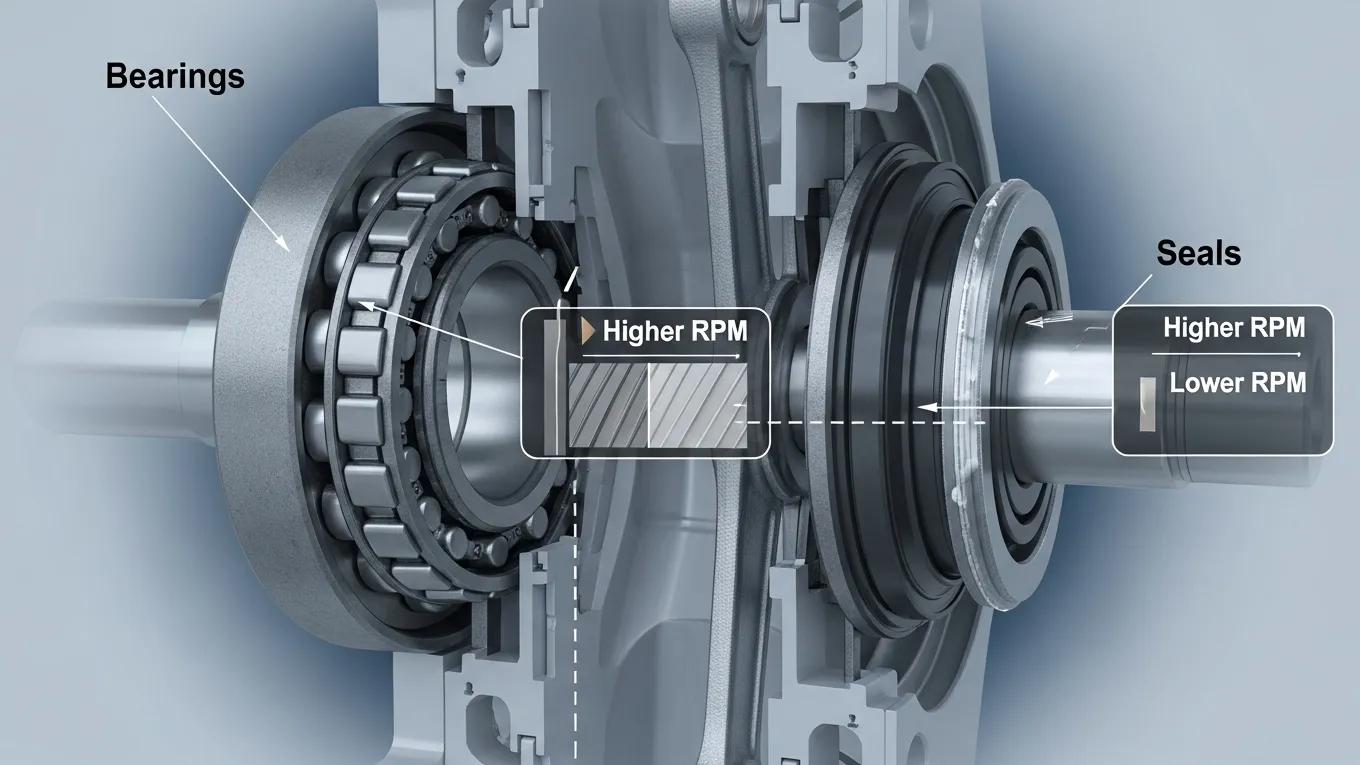
The RPM of a compressor significantly impacts component wear and potential failure modes. Higher RPMs can lead to increased friction and heat generation, which accelerates wear on critical components such as bearings and seals. This heightened wear can result in vibration issues, which further exacerbate the risk of failure. Conversely, operating at lower RPMs may reduce wear but can also lead to inefficiencies and inadequate performance. Therefore, finding the right balance in RPM is essential for maintaining the integrity of compressor systems and ensuring reliable operation.
Research further supports that managing compressor speed is critical for mitigating friction and wear, thereby enhancing efficiency and operational longevity.
Industry research also supports the relationship between compressor speed, friction, and component wear:
Compressor RPM: Impact on Friction, Wear, and Efficiency
Different outlet pressures and revolution speeds on test compressor indicated power increase with rising discharge pressure and revolution speed. The reduction compressor speed from 1500 RPM to 1000 RPM would decrease the effects of friction to almost twice. It’s important to use coatings like TiN or WC/C, which have good and very good, wear resistance properties in order to reduce friction and wear on rotary vane friction pair.
Vane friction and wear influence on rotary vane compressor efficiency and operation: research and analysis review, 2017
When comparing real-world systems—such as LW Americas and BAUER Compressors—RPM design differences can significantly impact maintenance requirements, component wear, and long-term system performance. For a detailed comparison, see our LW Americas vs Bauer compressors comparison.
What Are the Recommended Maintenance Intervals Based on Compressor RPM?
Maintenance intervals vary based on compressor design, operating conditions, and manufacturer recommendations. The following examples illustrate how maintenance frequency may differ based on RPM, but actual service intervals should always follow manufacturer guidelines.
High RPM Compressors: Maintenance every 1,000 hours of operation or every three months, whichever comes first.
Medium RPM Compressors: Maintenance every 2,000 hours or every six months.
Low RPM Compressors: Maintenance every 3,000 hours or annually.
Environmental factors, such as operating conditions and load variations, should also be considered when determining maintenance schedules.
RPM Category
Maintenance Interval
Recommended Practices
High RPM
Every 1,000 hours
Frequent inspections and lubrication
Medium RPM
Every 2,000 hours
Regular checks on seals and bearings
Low RPM
Every 3,000 hours
Annual comprehensive maintenance
This table illustrates how maintenance intervals vary based on compressor RPM, emphasizing the need for tailored maintenance strategies. Note: These intervals are illustrative examples only and may vary significantly depending on compressor type, usage, and manufacturer specifications.
How Can Optimizing Compressor RPM Extend Equipment Lifespan?
Optimizing compressor RPM can significantly extend the lifespan of equipment by reducing maintenance frequency and minimizing component wear. By operating at the optimal RPM, operators can achieve a balance between performance and longevity. This optimization leads to several benefits:
Reduced Maintenance Frequency: Lower wear rates result in less frequent maintenance, saving time and costs.
Minimized Component Wear: Operating within the ideal RPM range decreases the stress on components, prolonging their life.
Enhanced Efficiency: Optimized RPM improves energy efficiency, leading to lower operational costs.
Techniques for RPM Control to Reduce Wear and Failure
Controlling RPM effectively is essential for reducing wear and preventing failures in compressor systems. Techniques for RPM control include:
Variable Frequency Drives (VFDs): These devices allow for precise control of motor speed, enabling operators to adjust RPM based on demand.
Regular Monitoring: Implementing monitoring systems can help track RPM and identify deviations from optimal levels.
Scheduled Maintenance: Regular maintenance ensures that components are in good condition, reducing the likelihood of failures related to RPM fluctuations.
By employing these techniques, operators can maintain optimal RPM levels, thereby enhancing the reliability and lifespan of their compressor systems.
Case Studies Demonstrating Lifespan Improvements Through RPM Management
Several case studies highlight the benefits of effective RPM management in extending equipment lifespan. For instance, a manufacturing facility that implemented VFDs on its high RPM compressors reported a reduction in maintenance costs and an increase in equipment lifespan. Another case study in the HVAC industry demonstrated that optimizing RPM led to a decrease in component failures, significantly improving operational efficiency.
These examples illustrate the tangible benefits of managing compressor RPM effectively, reinforcing the importance of this parameter in maintenance strategies and equipment longevity.
In the realm of industrial applications, understanding the differences between continuous-duty and duty-cycle compressors is crucial for optimizing operational uptime and efficiency. Continuous-duty compressors are designed for prolonged operation, making them ideal for applications requiring consistent pressure and reliability. On the other hand, duty-cycle compressors operate intermittently, which can be beneficial for tasks with variable demand. This article will delve into the operational uptime of both compressor types, their efficiency metrics, cost implications, and suitability for various operational scenarios. By the end, readers will gain insights into which compressor type best meets their specific needs.
Operational Uptime
Operational uptime refers to the amount of time a compressor can function effectively without interruption. This metric is vital for industries that rely on consistent air supply for their processes.
Continuous-Duty Compressors:
Continuous-duty compressors are engineered for extended operation, allowing them to run for long periods without the need for frequent breaks. These compressors typically feature lower RPM components, which contribute to their durability and efficiency. They are particularly suited for applications that require a steady air supply, such as manufacturing processes and fueling stations. The ability to maintain consistent pressure without downtime makes continuous-duty compressors a preferred choice in high-demand environments.
Duty-Cycle Compressors:
In contrast, duty-cycle compressors are designed to operate intermittently, requiring cool-down periods between cycles. This design makes them more suitable for applications with fluctuating demand, such as construction sites or temporary setups. While they may not provide the same level of uptime as continuous-duty compressors, they can be more cost-effective for operations that do not require constant air supply. Understanding the operational limitations of duty-cycle compressors is essential for selecting the right equipment for specific tasks.
Efficiency
Efficiency in compressors is measured by their energy consumption relative to the output they provide. This section compares the efficiency of continuous-duty and duty-cycle compressors, highlighting their respective strengths and weaknesses.
Continuous-Duty Compressors:
Continuous-duty compressors often incorporate energy-saving technologies, such as variable-speed drives, which adjust the motor speed based on demand. This feature minimizes thermal stress and enhances overall efficiency. Predictable performance metrics allow operators to plan their energy usage effectively, leading to lower operational costs over time. The investment in a continuous-duty compressor can yield significant savings in energy consumption, making it a wise choice for businesses focused on long-term efficiency.
Duty-Cycle Compressors:
Duty-cycle compressors, while generally less efficient during idle periods, can still be cost-effective for non-continuous use. Their lower initial costs make them attractive for smaller operations or projects with limited air supply needs. However, the higher long-term costs associated with maintenance and energy consumption during active cycles can offset these initial savings. Understanding the trade-offs in efficiency is crucial for businesses considering duty-cycle compressors.
Cost Implications
The cost implications of compressor types extend beyond initial purchase prices to include maintenance and operational expenses. This section explores the financial considerations associated with both continuous-duty and duty-cycle compressors.
Continuous-Duty Compressors:
Continuous-duty compressors typically involve higher upfront costs due to their robust construction and advanced features. However, they offer long-term savings through reduced maintenance needs and lower energy consumption. For high-demand operations, the total cost of ownership can be significantly lower over time, making continuous-duty compressors a sound investment for businesses that prioritize reliability and efficiency.
Duty-Cycle Compressors:
On the other hand, duty-cycle compressors present a lower initial investment, making them appealing for smaller operations or those with limited budgets. However, the potential for higher long-term costs due to maintenance and energy inefficiencies should be carefully considered. Businesses must weigh the initial savings against the possibility of increased expenses over the compressor’s lifespan.
Suitability for Various Operational Scenarios
Choosing the right compressor type depends on the specific operational requirements of a business. This section evaluates the suitability of each compressor type for different applications.
Continuous-Duty Compressors:
Continuous-duty compressors excel in applications that demand high uptime and consistent air supply. Industries such as manufacturing, automotive, and food processing benefit from their reliability. Additionally, regulatory compliance needs often necessitate the use of continuous-duty compressors to ensure uninterrupted operations.
Duty-Cycle Compressors:
Duty-cycle compressors are best suited for applications with variable demand, such as construction sites or temporary setups. Their ability to operate intermittently allows for flexibility in air supply, making them ideal for non-peak hour operations. Understanding the specific needs of a project can help determine whether a duty-cycle compressor is the right choice.
What Defines Continuous-Duty and Duty-Cycle Compressors?
Continuous-duty compressors are characterized by their ability to operate continuously without the need for cool-down periods, while duty-cycle compressors are designed for intermittent use, requiring breaks to prevent overheating. This fundamental difference influences their applications and efficiency.
Continuous-Duty Compressors:
These compressors are built with components that can withstand prolonged operation, making them ideal for industries that require a constant air supply. Their design focuses on durability and efficiency, ensuring that they can handle high-demand situations without compromising performance.
Duty-Cycle Compressors:
Duty-cycle compressors, in contrast, are designed for applications where air supply is needed only intermittently. Their construction allows for cooling periods, which can be beneficial in scenarios where air demand fluctuates. Understanding these characteristics is essential for selecting the appropriate compressor for specific tasks.
How Are Continuous-Duty Compressors Engineered for Extended Operation?
Continuous-duty compressors are engineered with features that enhance their ability to operate for extended periods. These include robust components, efficient cooling systems, and advanced motor technologies that minimize wear and tear.
What Operational Limitations Characterize Duty-Cycle Compressors?
Duty-cycle compressors face operational limitations due to their need for cool-down periods. This requirement can restrict their use in applications that demand constant air supply, making it essential to evaluate the specific needs of a project before selecting this type of compressor.
How Does Compressor Duty Cycle Impact Operational Uptime and Reliability?
The duty cycle of a compressor directly impacts its operational uptime and reliability. Continuous-duty compressors provide consistent performance, while duty-cycle compressors may experience downtime due to their intermittent operation. Understanding these dynamics is crucial for businesses that rely on air supply for their operations.
When comparing real-world systems—such as LW Americas and Bauer compressors—these differences in duty cycle directly impact uptime, system design, and long-term cost. For a detailed breakdown, see our LW Americas vs Bauer compressors comparison.
What Is the Relationship Between Duty Cycle Ratings and Compressor Performance?
Duty cycle ratings indicate the percentage of time a compressor can operate versus the time it needs to rest. This relationship is vital for assessing the performance of duty-cycle compressors, as it determines their suitability for various applications.
How Do Cooling Systems Influence Compressor Continuous Operation?
Cooling systems play a critical role in the continuous operation of compressors. Effective cooling mechanisms prevent overheating and ensure that continuous-duty compressors can maintain optimal performance over extended periods.
Which Compressor Type Offers Superior Energy Efficiency and Cost Effectiveness?
Continuous-duty compressors generally offer superior energy efficiency due to their advanced technologies and design features. However, the cost-effectiveness of each type depends on the specific operational needs and usage patterns of a business.
What Are the Operational Cost Implications of Duty-Cycle Compressors?
While duty-cycle compressors may have lower initial costs, their operational expenses can accumulate over time due to maintenance and energy inefficiencies. Businesses must carefully consider these factors when evaluating the total cost of ownership.
Indeed, unexpected equipment failures can significantly inflate these operational costs and disrupt production schedules.
The Oil & Gas industry is facing increasing demands due to advanced technology and fierce competition. To keep up with these challenges, companies need better management strategies for their systems. These strategies aim to make sure that their equipment is available when needed and operates efficiently, meeting the industry’s high standards. Reciprocating compressors are like the heart of many industrial operations. When any part of a compressor fails suddenly, it causes a loss in production and results in high maintenance costs because repairs have to be done unexpectedly and not according to a set schedule.
Reliability, Availability, and
Maintainability Analysis of a Compressor, VK Singh, 2024
What Are the Best Maintenance Practices to Maximize Compressor Uptime and Longevity?
To maximize uptime and longevity, regular maintenance practices should be implemented for both continuous-duty and duty-cycle compressors. This includes routine inspections, timely repairs, and adherence to manufacturer guidelines.
How Should Maintenance Schedules Differ Between Continuous-Duty and Duty-Cycle Compressors?
Maintenance schedules for continuous-duty compressors should focus on regular checks to ensure optimal performance, while duty-cycle compressors may require more frequent inspections due to their intermittent operation. Tailoring maintenance practices to the specific needs of each compressor type can enhance reliability and efficiency.
What Troubleshooting Protocols Enhance Compressor Reliability?
Implementing effective troubleshooting protocols can significantly enhance the reliability of compressors. Regular monitoring, prompt identification of issues, and adherence to maintenance schedules are essential for ensuring optimal performance and minimizing downtime.
For a side-by-side evaluation of how duty cycle, system design, and long-term costs compare in real-world applications, see our LW Americas vs Bauer compressors comparison.
How to Choose the Right Compressor for Dive Tanks: Comprehensive Guide to Dive Tank Air Compressors and Equipment Selection
Selecting the right compressor for dive tanks is crucial for ensuring operational safety and efficiency in diving operations. A well-chosen compressor not only meets the specific air quality and pressure requirements but also supports reliable and consistent tank filling processes. This comprehensive guide will delve into the essential factors to consider when choosing a compressor, including pressure requirements, tank size, intended use, and air quality standards. Many divers and dive shop owners face challenges in selecting the appropriate equipment that aligns with their operational needs. By understanding the key elements of compressor selection, you can make informed decisions that optimize safety and performance. This article will cover the critical factors for selecting dive tank air compressors, essential equipment considerations, best practices for maintaining operational reliability, and the types of compressors suitable for dive tanks.
Comprehensive Guide to Choosing the Right Compressor for Dive Tanks
Choosing the right compressor for dive tanks is a vital decision that impacts both safety and operational efficiency. The compressor must be capable of delivering the required pressure and air quality to support safe diving practices. Understanding the various factors involved in compressor selection can help divers and dive shop owners make informed choices. This guide will explore the key considerations that should influence your decision-making process, ensuring that you select a compressor that meets your specific operational requirements.
Key Factors for Selecting Dive Tank Air Compressors
When selecting a dive tank air compressor, several key factors must be considered to ensure reliable performance and safety. These factors include pressure requirements, tank size and capacity, intended use, air quality standards, environmental conditions, power source, filtration and purification, monitoring and controls, and maintenance and support. To better understand the options and features, we recommend reviewing this article which discusses the various high pressure compressor types used by divers.
Pressure Requirements
Understanding the required fill pressures for dive tanks is essential for selecting the right compressor. Different diving activities necessitate varying pressure levels, typically ranging from 2,500 to 3,500 psi for recreational diving. Compressors must be capable of meeting these pressures consistently to support safe diving operations. Additionally, it is crucial to consider the compressor’s capabilities to handle multiple fills, especially for dive shops that cater to numerous customers.
Tank Size and Capacity
Assessing tank sizes and flow rates is another critical factor in compressor selection. The flow rate of a compressor must align with the size of the tanks being filled. For instance, larger tanks require compressors with higher flow rates to ensure efficient filling. Understanding the operational demands of your diving activities will help you choose a compressor that can handle the required workload without compromising reliability.
Intended Use
Identifying the intended use for the compressor is vital in determining the appropriate model. Recreational divers may prioritize portability, while commercial operations might require stationary compressors for high-volume filling. Understanding these distinctions will guide you in selecting a compressor that best fits your specific operational needs.
Air Quality Standards
Ensuring compliance with air quality standards is paramount for supporting safe diving practices. The Compressed Gas Association (CGA) Grade E and EN 12021 standards outline the necessary air quality requirements for breathing air. Selecting a compressor that supports compliance with these standards when properly maintained and operated is essential for the safety of divers, as it helps ensure that the air supplied meets recognized breathing air quality criteria.
Environmental Conditions
Considering the operational environment is crucial when selecting a compressor. Factors such as site constraints, temperature variations, and humidity levels can impact compressor performance. For instance, compressors used in harsh environments may require additional protective features to ensure longevity and reliability.
Power Source
Matching power requirements with available sources is another important consideration. Compressors can be powered by electricity, gasoline, or diesel, and understanding the compatibility with your power source is essential for seamless operation. Additionally, energy efficiency should be a priority to minimize operational costs.
Filtration and Purification
Selecting compressors with adequate filtration systems is vital for supporting compliance with air quality standards. The type of filtration system used can significantly impact the purity of the air supplied to divers. Multi-stage filtration systems are often recommended to help meet recognized breathing air standards such as CGA Grade E or EN 12021 when properly maintained and operated, thereby reducing the risk of contaminants.
Monitoring and Controls
The importance of monitoring air quality parameters cannot be overstated. Advanced monitoring systems can provide real-time data on air quality, supporting compliance with safety standards. Regular sampling and monitoring help maintain the integrity of the air supplied to divers, contributing to safer diving operations.
Maintenance and Support
Considering maintenance needs and support availability is essential for ensuring the longevity and reliable operation of your compressor. Routine maintenance schedules should be established to keep the compressor in optimal working condition. Additionally, reliable customer support from the manufacturer can provide peace of mind in case of any operational issues.
Essential Equipment Considerations
When selecting a compressor, several essential equipment considerations must be taken into account. These include the type of compressor, necessary accessories, and performance optimization features.
Compressor Type
Different types of compressors are available for dive tank applications, including high-pressure piston compressors and rotary screw compressors. Each type has its advantages and disadvantages, making it essential to evaluate which model best suits your needs. For instance, high-pressure piston compressors are known for their reliability and ability to achieve high pressures, while rotary screw compressors offer continuous operation and energy efficiency.
Accessories
Essential accessories for compressor functionality can enhance performance and safety. Items such as air inlet silencers, boost pumps, and purification systems should be considered when selecting a compressor. These accessories can improve the overall efficiency and effectiveness of the compressor, ensuring that it meets the demands of your diving operations.
Best Practices for Maintaining Operational Reliability
To maintain reliable operation of your dive tank compressor, several best practices should be followed. These include regular maintenance, air quality monitoring, proper storage conditions, operator training, and consulting experts when necessary.
Regular Maintenance
Routine maintenance is crucial for ensuring the longevity and reliability of your compressor. Regular checks, filter replacements, and oil level monitoring should be part of your maintenance schedule. Establishing a proactive maintenance routine can prevent unexpected breakdowns and ensure consistent compressor performance.
Air Quality Monitoring
Monitoring air quality is essential for supporting safe diving operations. Regular testing and compliance with established standards can help prevent contamination and support that the air supplied meets recognized breathing air quality criteria. Implementing a robust air quality monitoring system can provide operational assurance during dives.
Storage and Environment
Proper storage conditions for compressors can significantly impact their performance and lifespan. Compressors should be stored in clean, dry environments to prevent damage from moisture and contaminants. Ensuring that the storage area is well-ventilated can also help maintain optimal operating conditions.
Training and Knowledge
Training operators for safe use of compressors is vital for ensuring safety during diving operations. Providing comprehensive training programs can enhance operator knowledge and efficiency, reducing the risk of accidents and improving overall operational reliability.
Consult Experts
When in doubt, consulting experts can provide valuable insights into compressor selection and maintenance. Engaging with manufacturers and industry professionals can help you make informed decisions that align with your operational needs.
Types of Compressors Suitable for Dive Tanks
Several types of compressors are suitable for dive tanks, each offering unique advantages. Understanding these options can help you select the best compressor for your specific needs.
Reciprocating Compressors: These compressors are known for their reliability and ability to produce high pressures, making them suitable for filling dive tanks.
Rotary Screw Compressors: Offering continuous operation and efficiency, rotary screw compressors are ideal for commercial applications where high volume is required.
Portable Compressors: These compressors provide mobility and flexibility, making them suitable for recreational divers who need to fill tanks on the go.
Compressor Technologies That Meet Dive Tank Requirements
When evaluating compressor technologies, it is essential to consider their suitability for dive tank applications. Technologies such as oil-free compressors, piston compressors, and rotary screw compressors each have unique characteristics that can impact performance and operational safety.
Comparison of Oil-Free, Piston, and Rotary Screw Compressors
Comparing oil-free, piston, and rotary screw compressors reveals distinct advantages and disadvantages for each type. Oil-free compressors are often preferred for their ability to provide clean air without the risk of oil contamination. Piston compressors are known for their high-pressure capabilities, while rotary screw compressors excel in continuous operation and energy efficiency.
Air Quality and Filtration Standards for Dive Tank Compressors
Understanding air quality and filtration standards is crucial for supporting safe diving practices. The CGA Grade E and EN 12021 standards outline the necessary requirements for breathing air, emphasizing the importance of proper filtration systems to maintain air purity. Selecting filtration systems that support compliance with these standards when properly maintained and operated is essential for reducing the risk of contaminants.
Air Filtration Systems That Support Safe Scuba Tank Filling
Selecting the right air filtration system is essential for supporting safe scuba tank filling. Multi-stage filtration systems are recommended to effectively reduce contaminants and support compliance with recognized air quality standards.
Certifications and Safety Standards Applicable to Dive Tank Compressors
Several certifications and safety standards apply to dive tank compressors, including CGA Grade E, EN 12021, and ISO 8573-1. Understanding these standards is vital for ensuring that the compressor supports safety and performance requirements.
Determining Compressor Compatibility with Different Dive Tank Types
Determining compressor compatibility with different dive tank types involves understanding the specific requirements of each tank. Compatibility charts can provide valuable insights into pressure ratings and flow rates, ensuring that the selected compressor meets the necessary specifications.
Factors Affecting Compressor Compatibility with Aluminum and Steel Tanks
Factors influencing compressor compatibility with aluminum and steel tanks include material differences, pressure ratings, and usage scenarios. Understanding these factors can help ensure that the compressor selected is suitable for the specific tank type.
Using Compatibility Charts for Equipment Selection
Using compatibility charts effectively involves identifying tank types, consulting manufacturer charts, and interpreting pressure and flow data. This process can help ensure that the selected compressor is compatible with the dive tanks being used.
Best Practices for Compressor Maintenance for Dive Tanks
Implementing best practices for compressor maintenance is essential for supporting operational safety and equipment longevity. Regular checks, filter replacements, and air quality testing should be part of a comprehensive maintenance routine.
Recommended Service Intervals for Dive Tank Compressors
Dive tank compressors should be serviced regularly to maintain optimal performance. Recommended service intervals may vary based on usage, but routine maintenance should include filter changes, oil changes, and full overhauls as needed.
Maintenance Procedures to Ensure Operational Safety and Longevity
Establishing maintenance procedures that focus on routine inspections, documentation, and troubleshooting tips can help ensure operational safety and longevity. Keeping detailed records of maintenance activities can also aid in identifying potential issues before they become significant problems.
Choosing Between Portable and Stationary High-Pressure Air Compressors
Choosing between portable and stationary high-pressure air compressors involves evaluating mobility versus capacity. Portable compressors offer flexibility for recreational divers, while stationary compressors are preferable for dive shops requiring consistent high volume. For a deeper understanding prior to choosing between a portable or stationary compressor, review our article discussing the advantages of portable high pressure dive compressors.
Advantages of Portable Scuba Compressors
Portable scuba compressors provide several advantages, including mobility, situational support, and operational independence. These features make them ideal for divers who need to fill tanks in various locations.
For example, a Navy evaluation demonstrates real-world performance validation of portable high-pressure compressors in demanding operational environments.
When Stationary Compressors Are Preferable for Dive Tank Filling
Stationary compressors are preferable for dive tank filling when consistent high volume is required. Their robust construction and energy efficiency make them suitable for commercial applications where reliability is essential.
Key Considerations When Purchasing Scuba Tank Filling Equipment
When purchasing scuba tank filling equipment, several key considerations should be taken into account. These include performance specifications, safety features, and technological innovations that can influence your decision.
Product Features That Optimize Performance and Safety
Optimizing performance and safety in scuba tank filling equipment involves selecting features such as compressor type, filtration systems, and user-friendly controls. These elements can significantly impact the overall efficiency and operational safety of the compressor.
Evaluating Compressor Specifications Such as Flow Rate and Maximum Pressure
Comprehensive Guide to Scuba Compressors for Catamarans
Choosing the right scuba compressor for your catamaran is essential for ensuring a safe and enjoyable diving experience. This guide provides an in-depth look at the various options available, focusing on the specific needs of catamaran owners, particularly those with models like the Lagoon 42.
From understanding the required pressure levels to evaluating compressor efficiency and noise levels, we cover the critical factors to consider. Additionally, we highlight the importance of compatibility with your boat's electrical system and the ease of installation, ensuring that you make an informed choice that enhances your diving adventures.
Installation Tips for Your Scuba Compressor
Proper installation of your scuba compressor is crucial for optimal performance and safety. This section outlines the best practices for installing your compressor on a Lagoon 42 Catamaran, including recommended locations and necessary tools.
We also discuss the importance of securing the compressor to prevent movement during sailing and ensuring proper ventilation for cooling. By following these installation tips, you can maximize the efficiency and longevity of your compressor system while ensuring a hassle-free setup.
Maintenance Best Practices for Scuba Compressors
Regular maintenance of your scuba compressor is vital for ensuring its longevity and reliability. This heading covers the essential maintenance tasks you should perform, such as checking oil levels, replacing filters, and inspecting hoses for wear and tear.
We also provide a maintenance schedule tailored for catamaran owners, ensuring that your compressor remains in top condition for all your diving adventures. By adhering to these best practices, you can avoid costly repairs and ensure that your compressor operates efficiently.
Choosing the Right Accessories for Your Compressor
To enhance the functionality of your scuba compressor, selecting the right accessories is essential. This section discusses various accessories that can complement your YachtPro™ Essential compressor system, including fill stations, storage tanks, and pressure gauges.
We provide insights into how each accessory can improve your diving experience and ensure you have everything you need for safe and efficient tank filling. By investing in the right accessories, you can enhance the overall performance and convenience of your scuba setup.