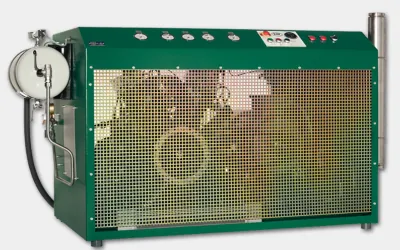
Advantages of Portable High Pressure Dive Compressors: Comprehensive Insights for Diving Professionals and Enthusiasts
Portable high pressure dive compressors are essential tools for divers, providing a reliable source of compressed air for underwater exploration. These compressors are designed to be compact and efficient, making them ideal for both recreational and professional diving applications. In this article, we will explore the numerous advantages of using portable high pressure dive compressors, including their efficiency, portability, and advanced filtration systems. Additionally, we will discuss how these compressors serve outdoor sports enthusiasts and professional divers, highlighting their practical applications in various scenarios. By understanding the benefits and features of these compressors, divers can make informed decisions that enhance their diving experiences. For a more detailed review of compressor options, check out our complete guide on high pressure compressors for diving systems.
The specialized design of these compressors, often featuring multiple cylinders, allows them to achieve the high pressures necessary for critical applications like scuba tank filling and breathing air systems.
Portable High-Pressure Compressors for Breathing Air Systems
These compressors use two cylinders to further increase the pressure of the air, making them useful for applications that require high-pressure breathing air, such as scuba tank filling and commercial diving breathing air systems.
FABRICATION AND TESTING OF A PORTABLE BREATHING EQUIPMENT FOR LOW PRESSURE CONDITIONS, 2023
What Are the Core Benefits of Using Portable High Pressure Dive Compressors?
Portable high pressure dive compressors offer several key benefits that make them indispensable for divers. These advantages include efficiency in filling tanks, portability for remote locations, and cost-effectiveness in operations. By utilizing these compressors, divers can ensure they have a reliable air supply, which is crucial for safety and performance underwater.
How Does Portability Enhance Dive Compressor Utility?
The portability of dive compressors significantly enhances their utility, especially in remote diving operations and emergency response situations. Divers can easily transport these compressors to various locations, allowing them to fill tanks on-site without the need for a stationary air supply. This flexibility is particularly beneficial for expeditions to remote areas where access to traditional filling stations may be limited.
In What Ways Do Compact Designs Improve Operational Efficiency?
Compact designs of portable dive compressors contribute to operational efficiency by allowing for high performance despite their size. These compressors are engineered to deliver powerful output while consuming less energy, making them an environmentally friendly choice. Their small footprint also means they can be easily stored and transported, further enhancing their practicality for divers. For additional information, you can review the different high compressor types for divers here.
How Do Portable High Pressure Dive Compressors Serve Outdoor Sports Enthusiasts and Professional Divers?
Portable high pressure dive compressors are not only beneficial for recreational divers but also serve outdoor sports enthusiasts and professional divers effectively. Their mobility allows for logistical independence, enabling divers to engage in various activities without being tethered to a fixed air supply.
What Use Cases Highlight the Advantages for Recreational Diving?
Recreational diving often takes place in remote locations, where access to air filling stations can be challenging. Portable dive compressors allow divers to fill their tanks on-site, ensuring they have the necessary air supply for their adventures. This capability is particularly advantageous for training and instruction scenarios, where multiple divers may require air fills in a short period.
What Are the Comparative Advantages of LW Americas’ Portable Dive Compressors?
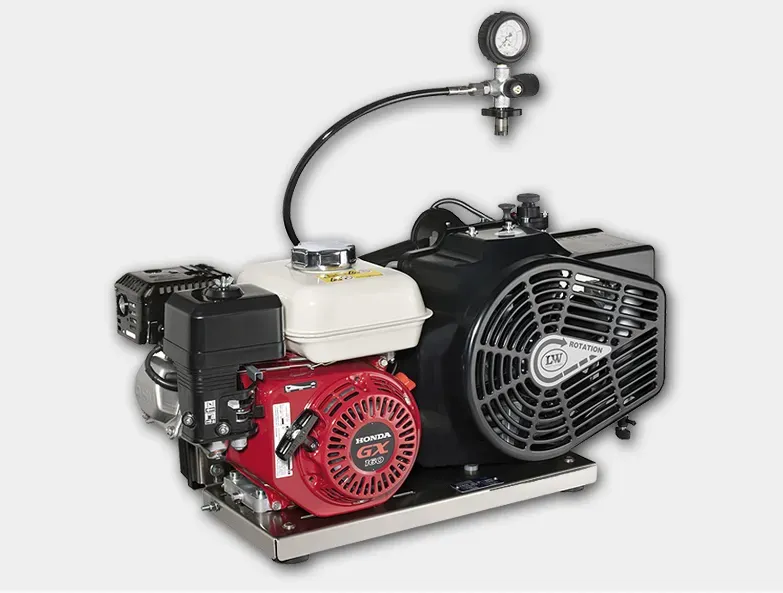
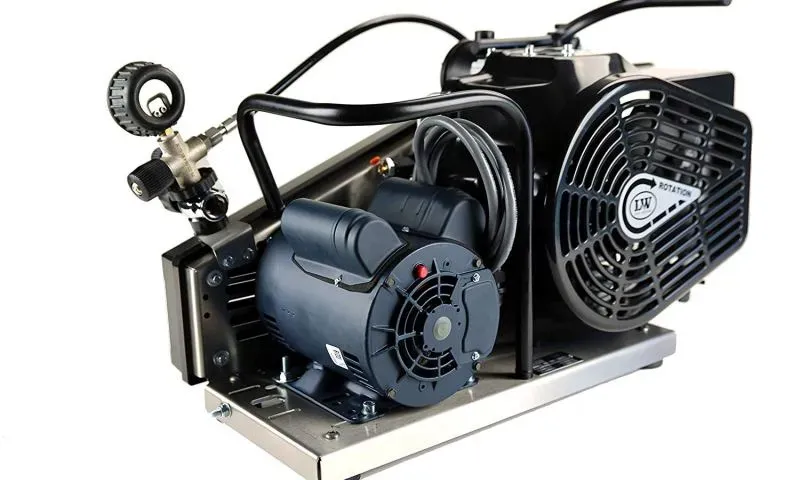
LW Americas specializes in providing portable high pressure dive compressors that stand out in the market due to their unique features. These compressors are designed with advanced filtration systems that support compliance with recognized air quality standards such as CGA Grade E and EN 12021, which are critical for diving safety.
Ensuring the purity of breathing air is paramount for diver safety, a concern that has driven the development of rigorous testing protocols and the demand for advanced monitoring solutions.
Real-time Air Quality Monitoring for Diving Compressors
The U.S. Navy Divers Air Sampling Program coordinates the mandatory semiannual air purity testing of compressors used to supply divers air in the Fleet. Gas sampling kits are sent to the field, where gas samples are taken. These samples are then returned to a contract laboratory for analysis, with the results subsequently reported back to the field. This approach is expensive, cumbersome, and potentially unreliable. Consequently, the U.S. Navy is interested in having a real-time online air quality monitor to ensure that compressors deliver safe diving air.
Development and Evaluation of an Online Air Quality Monitor (Diveair2) for Diving Compressors, 2009
How Do LW Americas Compressors Differ in Portability and Filtration?
LW Americas’ portable dive compressors are engineered for superior portability and filtration compared to traditional models. Their lightweight design allows for easy transport, while the advanced filtration systems help remove contaminants from the air, supporting compliance with industry air quality standards to help ensure divers breathe clean air during their dives.
What Industry Standards and Certifications Validate LW Americas’ Product Quality?
LW Americas’ products are built to meet stringent industry standards and certifications, which validate their quality and reliability. These certifications ensure that divers can trust the performance of their compressors, providing peace of mind during underwater excursions.
Efficiency and Cost-Effectiveness
The efficiency and cost-effectiveness of portable high pressure dive compressors are significant factors that contribute to their popularity among divers. These compressors are designed to maximize performance while minimizing operational costs, making them an attractive option for both recreational and professional use.
Real-world evaluations of portable compressors demonstrate their efficiency in action, showcasing impressive tank filling times and economical operation.
A gasoline engine driven high-pressure breathing air compressor, BAUER Varius G-3, was evaluated by the Navy Experimental Diving Unit to determine its suitability for Navy use. Results of the 50-hour test showed that the portable compressor delivers breathing air at an average charge rate of 2.07 CFM, charging twin 72 cu. ft., twin 50 cu. ft., and single 80 cu. ft. scuba tanks in 71, 44, and 39 minutes respectively. The unit is easily maintained, sturdily constructed, and economical in gasoline fuel consumption.
Test and Evaluation of Bauer Portable High-Pressure Breathing Air Compressor, Model Varius G-3., 1980
Feature
Description
Benefit
Energy Efficiency
Utilizes advanced technology to reduce power consumption
Lowers operational costs
Compact Design
Small footprint for easy transport and storage
Enhances mobility for divers
High Output
Delivers powerful air compression
Ensures quick tank fills
This table illustrates how the features of portable dive compressors translate into tangible benefits for users, highlighting their efficiency and cost-effectiveness. To help make a decision, you can review our article on how to choose the right compressor for dive tanks.
Maintenance Practices to Ensure Optimal Performance of Portable High Pressure Dive Compressors
Proper maintenance is crucial for ensuring the optimal performance of portable high pressure dive compressors. Regular maintenance practices can extend the lifespan of these compressors and enhance their reliability during use.
What Are the Recommended Maintenance Intervals and Procedures?
It is recommended that divers perform routine checks on their compressors, including inspecting filters, checking for leaks, and ensuring that all components are functioning correctly. Regular maintenance intervals should be established based on usage frequency, with more frequent checks for compressors used in demanding environments.
How Does Proper Maintenance Extend Compressor Lifespan and Reliability?
By adhering to recommended maintenance practices, divers can significantly extend the lifespan and reliability of their portable dive compressors. Regular upkeep not only prevents potential issues but also ensures that the compressors operate at peak efficiency, providing divers with the air supply they need for safe and enjoyable diving experiences.
For a broader understanding of high-pressure diving compressors and their applications, readers are encouraged to explore our comprehensive guide on high-pressure diving compressors, which covers a wide range of topics to support informed decision-making.
High Pressure Compressors for Diving Systems: Complete Guide to Portable Scuba Compressors and Maintenance
High pressure compressors are essential components in diving systems, designed to support the supply of breathable air for underwater activities. These compressors are engineered to help meet the necessary air quality and pressure requirements, which are critical for diver safety and performance. In this comprehensive guide, we will explore the various types of high pressure compressors, their features, maintenance practices, and the latest innovations in compressor technology. Understanding these aspects will help divers and diving professionals make informed decisions about their equipment and maintenance routines. We will also discuss how LW Americas, a specialized provider of high pressure compressors, addresses the operational demands of underwater breathing air supply with industry-relevant solutions.
Overview of High Pressure Compressors
High pressure compressors are designed to compress air to high pressures, making them vital for scuba diving and other underwater activities. These compressors work by drawing in ambient air and compressing it through a series of stages, resulting in high-pressure air suitable for breathing when combined with proper filtration and maintenance. The role of these compressors in diving is to support compliance with recognized air quality standards, ensuring that divers have access to air that meets safety requirements while submerged. Key functionalities include multi-stage compression, filtration systems, and control panels that monitor pressure levels and air quality.
Portable Scuba Compressors
Portable scuba compressors are compact and lightweight versions of traditional high pressure compressors, designed for easy transport and use in various diving environments. These compressors are particularly useful for recreational divers who need to refill their tanks on-site or in remote locations. Key features of portable scuba compressors include:
Compact Design: Easy to transport and store, making them ideal for travel.
User-Friendly Operation: Simple controls that allow divers to operate the compressor with minimal training.
Versatile Power Options: Many models can be powered by electricity or gas, providing flexibility in different settings.
When selecting a portable scuba compressor, several features should be considered to ensure optimal performance and reliability. These features include:
Pressure Output: The ability to reach the required pressure levels for scuba tanks, typically around 3000 psi or higher.
Power Source Options: Availability of electric, gas, or battery-powered models to suit various diving conditions.
Transportability: Lightweight construction and compact size for easy transport to dive sites.
Maintenance Practices for High Pressure Compressors
Proper maintenance of high pressure compressors is essential to support their longevity and reliable operation. Regular maintenance practices include:
Routine Inspections: Regular checks for wear and tear, ensuring all components are functioning correctly.
Oil Changes: Frequent oil changes to maintain optimal lubrication and prevent overheating.
Filter Replacements: Regularly replacing air filters to help maintain air quality and prevent contamination.
How to Choose the Right High Pressure Air System for Your Diving Needs?
Choosing the right high pressure air system involves considering several factors, including:
Pressure Levels: Ensure the compressor can meet the pressure requirements of your diving tanks.
Air Quality Standards: Verify that the compressor is designed to support compliance with breathing air quality standards, such as CGA Grade E.
Operational Environment: Consider the conditions in which the compressor will be used, including portability and power source.
Recent advancements in compressor technology have significantly improved the efficiency and safety of high pressure compressors. Innovations include:
Smart Technology Integration: Modern compressors often feature digital controls and monitoring systems that enhance user experience and support adherence to safety protocols.
Energy Efficiency Improvements: New designs focus on reducing energy consumption while maintaining high performance levels.
Indeed, the evolution of diving technology, including compressors, is deeply intertwined with the overall progress in recreational scuba diving.
Technological Advancements in Recreational Scuba Diving
This chapter primarily focuses on examining the intricate relationship between technology and recreational scuba diving. The analysis centers on significant technological advancements that have facilitated underwater respiration and improved the ease of diving. The gradual development of recreational scuba diving is heavily dependent on technological progress, which in turn supports safer and more efficient diving practices.
Diving technology at the recreational world, M Tzanakis, 2024
What Are the Types and Features of High Pressure Diving Compressors?
High pressure diving compressors can be categorized into several types, each with unique features:
Portable Compressors: Designed for easy transport, ideal for recreational divers.
Stationary Compressors: Typically used in commercial settings, offering higher output and durability.
Industrial Fill-Station Compressors: Used for large-scale operations, capable of filling multiple tanks simultaneously.
For a more detailed breakdown of each system type and its applications, see our guide on types of diving compressors.
How Do Stationary and Portable Dive Compressors Compare?
When comparing stationary and portable dive compressors, several factors come into play:
Advantages of Each Type: Portable compressors offer flexibility and ease of transport, while stationary compressors provide higher output and durability.
Use Cases for Each Type: Portable compressors are ideal for recreational diving, while stationary compressors are better suited for commercial operations.
What Are the Key Performance Specifications of Diving Compressors?
Key performance specifications for diving compressors include:
Pressure Ratings: The maximum pressure the compressor can achieve, typically around 3000 psi or higher.
Flow Rates: The volume of air the compressor can deliver per minute, affecting how quickly tanks can be filled.
Efficiency Metrics: Energy consumption relative to output, indicating the compressor’s operational cost-effectiveness.
Which Breathing Air Quality and Safety Standards Apply to Diving Compressors?
Diving compressors must be designed to support compliance with strict breathing air quality and safety standards to help ensure diver safety. Key standards include:
CGA Grade E Standards: Specifies the acceptable levels of contaminants in breathing air, including oil, carbon dioxide, and others.
EN 12021 Compliance: European standard for breathing air quality, ensuring safety for divers.
What Are the Regulatory Requirements for Breathing Air Compressors?
Regulatory requirements for breathing air compressors focus on ensuring air quality and safety. These include:
Air Quality Standards: Compliance with established standards to help provide safe breathing air for divers.
Safety Standards: Regulations governing the design and operation of compressors to prevent accidents and ensure reliability.
How Do Compressors Support Compliance with Air Purity and Diver Safety?
Compressors contribute to maintaining air purity and diver safety through various mechanisms:
Testing Methods: Regular testing of air quality to verify compliance with safety standards.
Safety Protocols: Implementation of safety measures to prevent contamination and ensure reliable operation.
Ensuring the highest air quality is paramount for diver safety, leading to continuous efforts in monitoring and verification.
Real-Time Air Quality Monitoring for Safe Diving Compressors
The U.S. Navy is interested in having a real-time online air quality monitor to help ensure that compressors deliver safe diving air. With the help of the manufacturer, Navy Experimental Diving Unit has developed and extensively tested an online air quality monitor Anagas Diveair2, model DV 2.0, Geotechnical Instruments, Inc. Leamington Spa, UK for compressors supplying diving air for U.S. Navy operations. This development reflects the importance of integrating advanced monitoring technologies to uphold air quality standards in critical diving applications.
Development and Evaluation of an Online Air Quality Monitor (Diveair2) for Diving Compressors, 2009
What Are the Best Practices for Diving Air Compressor Maintenance and Troubleshooting?
To maintain diving air compressors effectively, consider the following best practices:
Common Issues: Be aware of potential problems such as leaks or pressure loss.
Troubleshooting Steps: Follow systematic troubleshooting procedures to identify and resolve issues promptly.
Effective maintenance practices are crucial for supporting the longevity and optimal performance of high-pressure air compressors. Research in this area validates the importance of condition monitoring and maintenance engineering to maximize availability and quality.
High Pressure Air Compressor Maintenance & Performance
The study carried on two high pressure air compressor manufacturing units addressed three aspects namely availability, performance, and quality which quantify overall equipment effectiveness (OEE). This research underscores the value of applied modern condition monitoring and best maintenance engineering practices in reciprocating gas compression plants.
A review of applied modern condition monitoring and best maintenance engineering practices in reciprocating gas compression plants, MHM Faris, 2019
How Should Portable Scuba Compressors Be Maintained for Reliability?
Maintaining portable scuba compressors involves:
Regular Inspections: Conducting routine checks to identify wear and tear.
Oil Changes: Ensuring proper lubrication to prevent overheating and mechanical failure.
What Are Common Issues and How Are They Resolved?
Common issues with compressors include:
Leak Detection: Identifying and repairing leaks to maintain pressure.
Pressure Loss: Troubleshooting pressure loss through systematic checks of components.
How Do LW Americas’ Portable Dive Compressors Meet Operational Requirements?
LW Americas offers portable dive compressors designed to meet the operational requirements of divers by focusing on key industry-relevant features. Their compressors emphasize portability, robust filtration performance to support air quality standards, and reliable power options suitable for both recreational and professional use. This alignment with recognized air quality and safety standards helps ensure that their equipment supports safe diving operations in diverse environments.
What Are the Latest Innovations in Portable Dive Compressor Technology?
Recent innovations in portable dive compressor technology focus on enhancing performance and user experience. These include:
Filtration Advancements: Improved filtration systems that help ensure cleaner air supply.
Noise Reduction Technologies: Designs that minimize operational noise, enhancing user comfort.
How Are Advances in Filtration and Noise Reduction Improving Diving Compressors?
Advancements in filtration and noise reduction are crucial for improving the performance of diving compressors. Enhanced filtration systems help ensure that the air supplied is free from contaminants, while noise reduction technologies make compressors more user-friendly and suitable for a wider range of diving environments.
What Are the Emerging Regulatory and Certification Developments?
Emerging regulatory and certification developments focus on improving safety and air quality standards for diving compressors. Staying informed about these changes is essential for manufacturers and users alike to ensure compliance and safety in diving operations.
Industrial High-Pressure Air Compressor Systems: Applications and Solutions for Manufacturing and Energy Sectors
Please note: The content presented here is intended to provide conceptual frameworks and design principles related to high-pressure compressor systems. It is not intended as licensed engineering guidance, design specifications, or a substitute for professional engineering advice. Specific applications require detailed engineering analysis and adherence to all applicable codes and standards.
Industrial high-pressure air compressor systems compress and deliver gas at pressures significantly above standard plant pneumatic levels to power specialized machinery, perform pressure testing, and handle fuel compression tasks. These systems operate through multi-stage compression, intercooling, and precision valving to maintain stable delivery pressure and meet purity or safety requirements, which yields predictable process outcomes and reduced downtime. Understanding how continuous-duty designs, oil-free options, and application-specific accessories interact provides a framework for optimizing compressed air systems in manufacturing, CNG fueling, and energy-sector gas handling. This article explores core compressor types, component roles, manufacturing applications, and energy-sector uses, presenting conceptual frameworks for selection criteria, maintenance considerations, and energy-efficiency technologies. This discussion outlines conceptual implementation patterns for manufacturing compressed air systems, explores how CNG and biogas compression supports renewable fuels and vehicle fueling, and identifies accessory types—such as purification modules, boost pumps, and air amplifiers—that are integral for system integrity and throughput. The discussion integrates vendor capabilities sparingly to illustrate real-world solutions, focusing on conceptual technical considerations for professionals involved with industrial high-pressure compressor systems.
What Are Industrial High-Pressure Air Compressors and Their Key Benefits?
Industrial high-pressure air compressors are mechanical systems designed to raise the pressure of air or gas to levels typically required for specialty applications, often ranging from tens up to several hundred bar depending on the task. They achieve this through staged compression, intercooling, and robust mechanical design, providing stable, high-pressure delivery that enables reliable actuation, pressure testing, and filling operations across sectors. The main benefits include sustained uptime from continuous-duty capability, precise pressure control for process consistency, and enhanced safety and purity when paired with proper filtration and monitoring. In manufacturing and energy contexts, these attributes can contribute to reduced process variability, shorter cycle times, and support for regulatory compliance, particularly for specialized applications like breathing air or fuel-grade gas. The next subsection explains how continuous-duty compressors offer operational advantages and which engineering features make them suitable for nonstop industrial use.
How Do Continuous-Duty High-Pressure Compressors Enhance Industrial Operations?
Continuous-duty high-pressure compressors are engineered to run without frequent cool-down periods by using lower RPM components, robust cast blocks, and thermal management strategies that dissipate heat effectively during prolonged operation. This design reduces thermal stress on key components, maintains steady pressure delivery, and minimizes the risk of unplanned stops—improving overall equipment availability for critical manufacturing lines and fueling stations. Continuous operation also means fewer start/stop cycles, which decreases wear on valves and seals and lengthens maintenance intervals compared with intermittent-duty machines. For operations prioritizing uptime, continuous-duty designs offer a conceptual framework for predictable scheduling and smoother integration with storage tanks and downstream purification stages. Understanding these benefits highlights why customization is often a key consideration for aligning continuous-duty compressors with specific site constraints and purity requirements.
What Makes Custom High-Pressure Compressor Solutions Essential for Manufacturing and Energy?
Off-the-shelf compressors may not meet unique requirements for footprint, purity, pressure staging, or integration with existing plant controls, so custom solutions adapt core compressor designs to site-specific constraints and performance targets. A project-managed custom solution often involves stages such as requirements capture, compressor selection, engineering design, packaging, and site support, aiming to ensure the final system aligns with the operational and regulatory environment. Tailored systems can improve lifecycle cost and regulatory compliance by optimizing component selection and service access, which reduces downtime and simplifies maintenance planning. The decision checklist below presents considerations for determining when a custom approach might be preferred over a standard packaged unit.
Conceptual considerations for custom compressor solutions:
Space-constrained installations: When footprint or mounting orientation is non-standard.
Strict purity or breathing-air needs: When integrated inline purification and monitoring are critical design elements.
Process integration requirements: When controls, piping, or storage need bespoke interfaces.
Such a checklist can assist in prioritizing customization, and the following section compares major compressor families to inform initial selection considerations.
Which High-Pressure Compressor Types Are Best Suited for Manufacturing and Energy Applications?
Choosing the right compressor type depends on required pressure range, duty cycle, contamination sensitivity, and lifecycle costs; common families include reciprocating (piston), rotary screw, and specialized high-pressure piston assemblies for extreme pressures. Each family delivers different trade-offs in efficiency, maintenance cadence, footprint, and suitability for oil-free operation, making a structured comparison useful for selection decisions. Below is a compact comparison that maps compressor type attributes to typical use cases and operational considerations, providing a conceptual framework for professionals.
Different compressor types offer characteristic trade-offs useful during system selection.
Compressor Type
Typical Duty / Oil-Free Option
Typical Pressure Range
Best Use Cases
Reciprocating (piston)
Continuous to intermittent / Oil-free available
Up to 420 bar (for specialized systems)
High-pressure filling, pressure testing, CNG fill stations
Rotary screw
Continuous-duty / Often oil-lubricated, oil-free variants exist
Variable, often reaching up to 420 bar for specific models
Mobile filling, vessel service, remote fueling
It’s important to note that while some specialized reciprocating and compact units can reach pressures up to 420 bar, this represents the upper end of the spectrum for specific high-pressure applications, not a typical range for all industrial compressors. This comparison clarifies that reciprocating designs excel where very high pressures or compact high-pressure packages are required, while rotary screw units suit continuous plant air at moderate pressures. The next subsections explain advantages and trade-offs across these families and the role of oil-free design for contamination-sensitive industries.
What Are the Advantages of Reciprocating and Rotary Screw Compressors?
Reciprocating compressors deliver high discharge pressures in compact packages and are well-suited for intermittent high-pressure fills and testing operations because each piston stage produces substantial pressure increase per stroke. They typically have higher peak efficiency at high pressures but may require more frequent valve and seal maintenance compared with rotary screw machines, which trade slightly lower peak efficiency for smoother operation and fewer vibration-related issues. Rotary screw compressors offer continuous-duty reliability with simpler vibration profiles and often integrate well with variable speed drives for energy savings on variable flow applications. Design principles often suggest reciprocating machines for extreme pressure or compact mobile systems, while rotary screws are typically considered for steady, high-volume plant compressed air where lower maintenance frequency and reduced vibration are priorities. These trade-offs point to oil-free considerations discussed next, particularly for breathing air and medical uses.
How Do Oil-Free and Continuous-Duty Compressors Improve Efficiency and Safety?
Oil-free compressors are designed to mitigate oil carryover risk into the compressed air stream, supporting compliance with purity standards, particularly those referenced in industry guidance for applications like breathing air and sensitive manufacturing processes. The mechanism is simple: oil-free designs use materials and clearances that avoid oil lubrication in the compression chamber or rely on separation stages that prevent contamination, protecting downstream processes and product quality. Continuous-duty capability complements oil-free design by maintaining stable temperatures and pressures that can reduce condensation and microbial growth risks in compressed-air networks. For regulated applications such as medical gas, food processing, and breathing air, the combination of oil-free compression with effective purification and monitoring is a critical design consideration for ensuring safety and compliance. Having considered compressor families and purity choices, the following section explores concrete manufacturing applications and system design patterns.
How Are High-Pressure Systems Applied in Manufacturing Compressed Air Solutions?
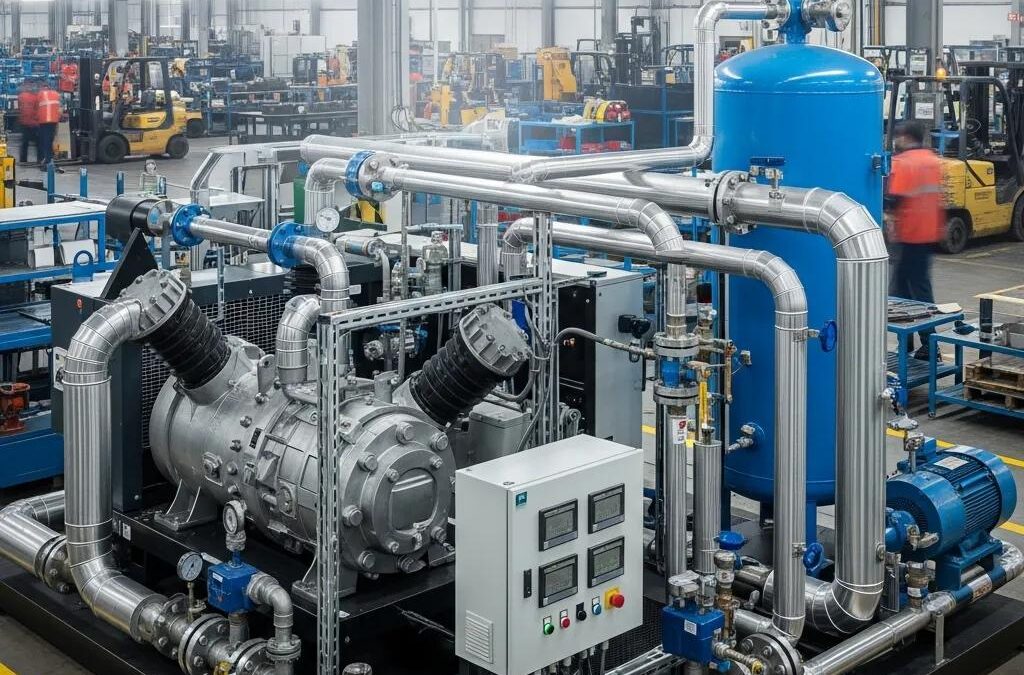
High-pressure air systems in manufacturing power specialized equipment, enable high-precision testing, and provide process air for material handling, cutting, and automated tooling; the design must balance pressure, flow, storage, and purity. Typical system architectures include a high-pressure compressor, intercooler and aftercooler stages, purification modules, storage receivers, and controlled distribution piping with safety valves and monitoring. Conceptual design for manufacturing often involves addressing transient loads—such as rapid pressure swings during press or test rig cycles—and may incorporate storage and boost pumps to buffer demand and sustain pressure during peaks. Below is a focused list of primary manufacturing applications and approximate pressure ranges, intended to assist in conceptually matching compressor selection to use-case requirements.
Primary manufacturing applications and their pressure profiles include the following.
Manufacturing uses of high-pressure air:
Pneumatic presses and actuators: Typically require 6–40 bar for high-force applications, and sometimes higher for specialized presses.
Pressure testing and leak detection: Often use 100 bar, with specialized applications reaching up to 420 bar depending on vessel rating and test standard.
Cleaning and material handling (blow-off, pneumatic conveyors): Use 6–10 bar for general tasks and higher pressures for dense material transport.
These applications illustrate the importance of integrated design—conceptually matching compressor capacity, storage, and downstream purification—and the next subsection highlights how custom packaged solutions can address these manufacturing challenges.
What Are the Primary Manufacturing Uses of High-Pressure Air Compressors?
Manufacturing environments rely on high-pressure air for actuation of heavy tooling, precision pressure testing of welded assemblies, and high-velocity cleaning or cutting processes that require consistent pressure and pulsation control. Pressure testing of fittings, cylinders, and safety devices may demand pressures approaching the compressor’s upper rating, a scenario that conceptually requires robust staging and safety systems to mitigate overpressure risks. Material handling and pneumatic conveyance benefit from booster stages or air amplifiers to increase flow at point-of-use without overtaxing the main compressor, enhancing throughput while limiting upstream cycling. These practical uses underscore the importance of appropriate sizing, storage, and accessory selection for maintaining efficiency and safety, leading into a short vendor-focused callout illustrating how tailored solutions can contribute.
How Do LW Americas’ Custom Solutions Address Manufacturing Challenges?
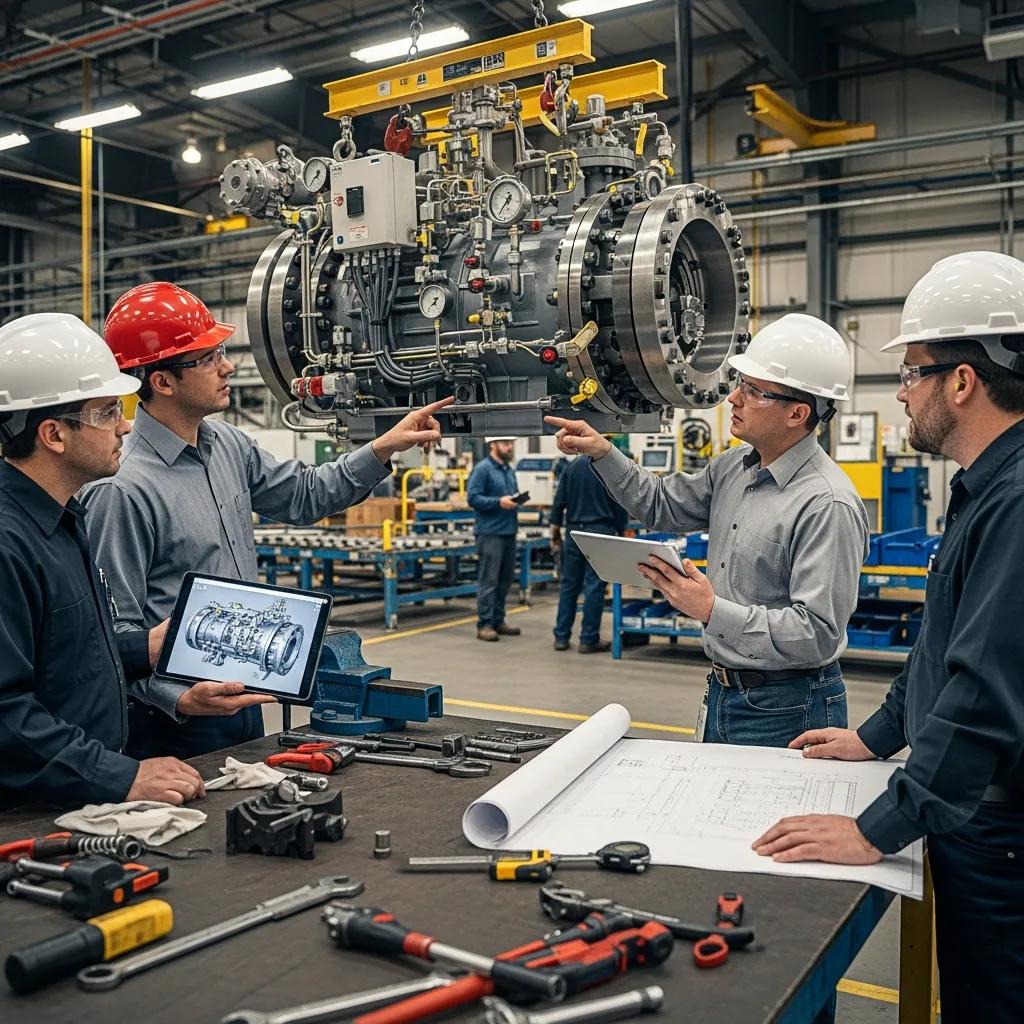
LW Americas offers continuous-duty high-pressure compressor systems and tailored project management, aiming to align compressor selection with manufacturing needs while emphasizing system durability through design choices such as one-piece cast blocks and lower RPM operation. Their approach encompasses coordination of compressor selection, and providing 2D/3D design drawings and packaging options that can simplify mechanical integration in various operational environments. By combining engineered packaging with responsive North American support and accessories—such as purification modules, filling devices, and boost pumps—these solutions are designed to reduce installation time and help ensure the delivered package addresses purity and footprint requirements. This vendor-level capability illustrates how a managed custom workflow can shorten specification cycles and reduce integration risk, transitioning naturally to energy-sector compression roles discussed next.
What Roles Do CNG Compressor Systems Play in Energy Sector High-Pressure Gas Applications?
CNG and biogas compressor systems enable conversion of low-pressure gas into high-pressure forms suitable for vehicle fueling, pipeline injection, and storage, supporting both conventional natural gas and renewable natural gas (RNG) value chains. These systems typically use multi-stage reciprocating compression with intermediate cooling and cleanup stages to handle variable gas quality and ensure the compressed fuel meets fueling or grid injection specifications. It is crucial to note that while the principles of compression are similar, systems handling natural gas or biogas require specific material selection, safety features, and design modifications compared to those used for air, due to the distinct chemical properties and potential hazards of these fuel gases. Key system design considerations include gas purification upstream of compression, materials compatibility for biogas constituents, and efficient thermal management for controlling discharge temperatures and lubricants. The next subsection describes how CNG and biogas compressors integrate into fueling infrastructure and renewable gas handling workflows.
How Do CNG and Biogas Compressors Support Renewable Energy and Vehicle Fueling?
Compressors specifically designed for CNG and biogas convert produced or farmed biogas and RNG into pressurized fuel for CNG vehicles or pipeline injection, often in staged compression steps to reach 200–250 bar for vehicle cylinders or pipeline pressure specifications. Unlike air compressors, these systems require specialized components and safety protocols to handle flammable and corrosive gas mixtures. Integration with gas cleanup and moisture removal is a critical design consideration to mitigate corrosion, hydrate formation, and particulate fouling that can compromise seals and valves; when treating biogas, material selection and filtration approaches often need to address siloxanes and other contaminants. Operational considerations include intermittent versus continuous fueling demand, storage sizing, and site-level heat recovery to improve overall plant efficiency. Properly designed CNG compressor systems conceptually link renewable gas sources to end-use markets, and the next vendor-focused subsection highlights product attributes that can support energy efficiency.
What Are the Benefits of LW Americas’ High-Pressure Compressors for Energy Efficiency?
LW Americas’ continuous-duty, lower-RPM compressor designs and one-piece cast block construction contribute to durability and reduce mechanical losses that can translate into energy and lifecycle advantages for CNG and biogas applications. When paired with integrated project management and responsive support, these design attributes aim to ensure the compressor is sized and staged appropriately, which can mitigate throttling and part-load inefficiencies often associated with poorly matched systems. The company’s product range—covering mobile, compact, stationary, and silent units, with specialized models reaching up to 420 bar—provides options for fueling stations, mobile fueling units, and pipeline boosting where energy performance and uptime are priorities. These vendor capabilities illustrate how CNG and biogas equipment selection and system-level design conceptually interact to impact efficiency, moving the discussion next to components and accessories that can optimize performance.
Which Components and Accessories Optimize High-Pressure Compressor System Performance?
A high-pressure compressor package is only as effective as its supporting components: purification systems, breathing air monitoring, filling devices, boost pumps, storage tanks, valves, and safety accessories all shape safety, purity, and throughput. Purification stages are designed to remove oil, particulates, moisture, and hydrocarbons to meet application-specific purity targets. Separately, breathing air monitors provide continuous verification for safety-critical air supplies, a distinct and highly regulated application. Boost pumps and filling devices manage flow and pressure at point-of-use, reducing main compressor cycling and improving fill rates, and air amplifiers can increase localized pressure for short-duration tasks without oversized main compressors. The table below clarifies component functions, typical benefits, and common specifications, offering a conceptual framework for system designers to consider which accessories to incorporate.
Key components and their roles in system performance.
Component
Primary Function
Typical Benefit / Spec
Purification system
Remove contaminants (oil, moisture, particulates)
Supports ISO-level air quality; protects downstream equipment
Breathing air monitor
Real-time air quality verification
Safety assurance for breathing air; alarm and interlock capability
Filling device / booster pump
Increase local pressure and flow
Faster fills; reduced main compressor cycling
Air amplifier
Localized pressure boost without large compressor
Cost-effective short-duration pressure increase
How Do Purification Systems and Breathing Air Monitoring Enhance Safety and Quality?
Purification systems typically combine coalescing filters, dryers, activated carbon, and adsorbents to remove oil vapor, moisture, and hydrocarbons to meet application-specific purity targets, and their selection depends on inlet air quality and required ISO 8573-1 classes. Breathing air monitoring complements purification by tracking oxygen levels, CO, hydrocarbons, and particulate concentrations, triggering alarms and interlocks when readings exceed safe thresholds. The conceptual placement of monitors is often considered critical—typically after final filtration but before distribution—to help ensure that any degradation in purification performance is detected prior to user exposure. For regulated breathing-air duties and sensitive manufacturing, combining multi-stage purification with continuous monitoring is a key design principle for supporting compliance and operator safety, which naturally brings attention to boost pumps and filling devices that can enhance operational flexibility.
What Are the Functions of Filling Devices, Boost Pumps, and Air Amplifiers?
Filling devices and boost pumps raise pressure locally to speed vessel fills or maintain pressure during peak demand, reducing the need to oversize the main compressor and smoothing transient loads on the plant system. Air amplifiers use the Venturi effect or staged boosting to increase localized pressure for short-duration tasks, offering a cost-effective alternative where continuous high pressure is unnecessary. Conceptual integration often involves check valves, pressure relief mechanisms, and monitoring to mitigate backflow or overpressure conditions. Maintenance frameworks typically recommend routine inspection of seal integrity and flow paths. The selection of these accessories, based on duty cycle and fill-rate requirements, can contribute to improved throughput and reduced wear on core compression equipment. The next section covers energy-efficiency measures and maintenance practices that extend equipment life.
How Can Energy Efficiency and Maintenance Practices Extend the Life of High-Pressure Compressors?
Proactive energy-efficiency measures and structured maintenance programs reduce operating costs and extend compressor life by minimizing stress, optimizing control, and catching wear patterns early through monitoring. Technologies like variable speed drives (VSDs), heat recovery systems, and IoT-enabled condition monitoring deliver quantifiable savings and predictive maintenance insights while introducing implementation considerations such as control complexity and payback timelines. Routine maintenance—filter changes, vibration analysis, oil and seal inspections, and scheduled overhauls—prevents performance degradation and avoids catastrophic failures that lead to long downtimes. The table below compares efficiency technologies by expected energy impact, maintenance benefits, and implementation considerations, offering a conceptual framework for decision-makers to balance ROI and operational readiness.
Efficiency technologies compared for decision-making.
Technology
Energy Impact
Maintenance / Implementation Consideration
Variable Speed Drive (VSD)
Potential for substantial savings in variable-load scenarios
Adds control complexity; requires soft-start and harmonics management
Heat recovery
Captures waste heat for plant use
Reduces net energy consumption; needs space and integration
IoT condition monitoring
Lowers unplanned downtime via alerts
Requires sensors and analytics; improves spare-part planning
What Are Best Practices for Maintaining Continuous-Duty High-Pressure Compressors?
A robust maintenance framework for continuous-duty compressors often encompasses monthly visual and operational checks, quarterly filter and oil-level verification (if applicable), and annual vibration and thermal analysis to identify early signs of wear. Predictive maintenance focuses on monitoring temperature, vibration spectra, and oil condition (when present) to schedule interventions before failures occur; maintaining a critical-spares list for valves and seals shortens repair times. Documentation of running hours and load patterns can inform overhaul timing and support the conceptual justification for investments in upgrades like VSDs or enhanced cooling. Implementing these practices can contribute to reduced unplanned downtime and extended component life, which supports broader energy-efficiency considerations discussed next.
How Do Energy-Efficient Technologies Reduce Operational Costs in Industrial Settings?
Energy-efficient technologies such as VSDs, heat recovery, and IoT monitoring deliver measurable operational savings by matching compression output to demand, reusing waste heat for plant processes, and enabling early fault detection to avoid inefficient operation. VSDs reduce energy consumption during partial-load operation by adjusting motor speed to demand, offering significant savings depending on duty profile, while heat recovery can offset process heating loads and shorten payback on larger installations. IoT monitoring reduces lifecycle costs by optimizing maintenance scheduling and reducing catastrophic failures, though it requires upfront sensor and analytics investment. Balancing these options against implementation complexity and expected ROI provides a conceptual framework for achieving sustained cost reductions and reliability. For teams seeking vendor support for design, drawings, and delivery, LW Americas offers project-managed compressor solutions, including custom 2D/3D drawings and support for system integration.
Operational savings: VSDs and heat recovery lower net energy costs through demand matching and reuse of thermal energy.
Maintenance savings: IoT monitoring reduces downtime and extends component life by enabling predictive repairs.
Implementation trade-offs: Upfront costs and control complexity must be weighed against lifecycle savings and reliability goals.
Explore Tailored High-Pressure Solutions
For specific quotes, custom designs, 2D/3D drawings, and project-managed compressor selection, connect with LW Americas for tailored high-pressure solutions and responsive North American support.
How Oil Separators Enhance Air Compressor Life: Benefits, Function, and Maintenance
In oil-injected compressed air systems, efficient oil separation extends equipment life by removing oil mist and droplets, which prevents internal corrosion and wear. For oil-free compressors, different filtration stages are employed to ensure purity. Both approaches maintain high-quality, low-oil air for critical applications. This article outlines how oil separators function, the science behind oil removal, the key advantages they deliver, available separator types, LW Americas’ tailored solutions for high-pressure compressors, and best practices for maintenance and environmental compliance. You will learn:
What an oil separator is and its essential role in air compressors.
The principles of coalescence, multi-stage filtration, and condensate management.
Tangible benefits like reduced wear, energy savings, and cost reduction.
How to select, install, and upkeep separators for maximum longevity.
LW Americas’ integrated technologies that enhance high-pressure compressor performance.
What Is an Air Compressor Oil Separator and Why Is It Essential?
An air compressor oil separator is a filtration device that captures oil aerosols and mist from compressed air, ensuring clean output and protecting downstream equipment from contamination. By separating oil from air, it maintains compressor lubrication balance and extends component life, which is critical for diving, medical, and industrial systems. Understanding this core purification stage sets the foundation for exploring separation mechanisms and long-term reliability.
What Is the Primary Function of an Oil Separator in Air Compressors?
An oil separator’s primary function is to remove entrained oil droplets from the compressed airflow, with premium coalescing units capable of producing oil content as low as 1 ppm. It achieves this by redirecting the air through coalescing media that aggregates microscopic oil particles into larger droplets for gravity drainage. This process safeguards valves, piping, and end-use equipment from oil fouling and preserves compressor efficiency.
How Do Oil Separators Improve Compressed Air Quality?
Oil separators improve compressed air quality by extracting oil mist that causes product contamination, microbial growth, and pneumatic tool failure. Clean air reduces deposit buildup in downstream filters and actuators, which prevents pressure fluctuations and preserves consistent airflow. Enhanced purity supports compliance with ISO 8573-1 air quality classes and protects processes in food, medical, and breathing air applications.
Introduction to ISO 8573-1
ISO 8573-1 is a crucial international standard that defines air quality classes for compressed air systems, categorizing air based on levels of solid particles, water, and total oil. It specifies maximum allowable concentrations for these contaminants, with Class 0 representing the most stringent purity level required for sensitive applications.
This white paper provides foundational information on ISO 8573-1, which the article references for improving compressed air quality and ensuring compliance with purity standards.
What Are the Key Components of an Air Compressor Oil Separator?
Oil separators consist of several critical components that work in tandem to purify compressed air:
Coalescing Filter Element: A multilayer micro-glass fiber cartridge that merges oil droplets into larger aggregates.
Separator Housing: A pressure-rated vessel that guides airflow through filtration media and collects separated oil.
Scavenge or Drain Valve: An automatic or manual valve that expels accumulated oil condensate from the housing.
Inlet and Outlet Ports: Precision fittings that control flow velocity for optimal separation.
These parts together ensure efficient oil removal and reliable condensate management, laying the groundwork for ongoing compressor protection.
How Does Oil Separation Prevent Wear and Tear in Compressors?
Oil separation prevents wear and tear by reducing abrasive oil particles that erode cylinder walls, pistons, and bearings. By delivering clean air back into the compressor cycle, the separator minimizes sludge formation and corrosion. This continuous purification lowers friction, stabilizes operating temperatures, and preserves mechanical tolerances, directly extending compressor service intervals and overall lifespan.
How Do Air Compressor Oil Separators Work? Understanding the Science Behind Oil Removal
Oil separators rely on physical principles to capture and eliminate oil from compressed air. The following sections break down the core scientific mechanisms that enable high-purity airflow in demanding applications.
What Is the Coalescence Principle in Oil Separation?
Coalescence merges microscopic oil aerosols into larger droplets through surface attraction within oleophilic media. As oil-laden air passes through micro-glass fiber layers, individual oil particles adhere to fibers and coalesce into droplets that grow heavy enough to fall out of the airflow. This principle transforms dispersed oil into recoverable liquid, ensuring air purity and enabling efficient condensate drainage.
Coalescing oil separator for compressors
This research investigates the coalescence mechanism for oil droplet separation in compressors, utilizing flow visualization and analytical models. The study reveals important flow details such as oil droplet collision and coalescence, and provides quantitative guidelines for the design and operation of coalescing oil separators.
This research directly supports the article’s explanation of the coalescence principle and the scientific mechanisms behind oil removal in air compressors.
How Does Multi-Stage Filtration Enhance Oil Removal Efficiency?
Multi-stage filtration combines coarse mechanical separation with fine coalescing to maximize oil extraction:
Primary Separator: Eliminates large oil droplets via centrifugal forces.
Secondary Coalescer: Uses micro-fiber cartridges to trap sub-micron aerosols.
Polishing Filter: Provides final removal of residual oil particles down to 1 ppm.
This staged approach balances pressure drop with high removal rates, offering consistent performance in high-pressure and industrial environments.
What Role Does Oil-Water Separation Play in Condensate Management?
Oil-water separators treat compressor condensate by separating hydrocarbons from moisture before disposal. After coalescing removes oil from air, condensed water collects in drains and carries trace oil. An oil-water separator channels this mixture through hydrophobic membranes or adsorption media, producing water suitable for sewage discharge and concentrated oil for recycling. Effective condensate treatment prevents environmental fines and safeguards drainage systems.
What Are the Benefits of Using Oil Separators to Extend Air Compressor Lifespan?
Implementing an efficient oil separator yields measurable advantages in equipment reliability, energy consumption, and operational costs, driving value across industries.
How Do Oil Separators Reduce Internal Component Wear and Tear?
Oil separators reduce wear by filtering oil droplets that would otherwise deposit inside cylinders and bearings. Cleaner internal surfaces experience less friction and corrosion, which decreases mechanical stress and extends component life. Customers report up to 30 percent longer overhaul intervals when oil separators maintain sub-ppm oil levels.
In What Ways Do Oil Separators Boost Energy Efficiency in Compressed Air Systems?
Efficient oil removal minimizes pressure drop across the compressor loop, reducing the work required to maintain set pressure. Lower differential pressure translates directly into energy savings—often between 5 and 15 percent in continuous-run systems, though actual savings can vary based on system configuration and duty cycle. By maintaining optimal airflow, separators also decrease downtime for corrective filtration, supporting stable power consumption.
How Do Oil Separators Lower Maintenance Costs and Downtime?
Oil separators decrease maintenance costs by preventing oil carryover that clogs downstream filters and piping. Fewer blockages mean extended service intervals for post-filters and valves, cutting expenses on replacement parts and labor. Reduced unplanned downtime improves production uptime and lowers lifecycle costs, with a return on investment often observed within 12 to 18 months, though actual savings and ROI periods can vary significantly based on specific operating conditions and system configurations.
How Do Oil Separators Ensure Compliance with Environmental Regulations?
Oil separators support environmental compliance by capturing oil in condensate and preventing hydrocarbon discharge. Treating condensate in oil-water separators ensures effluent meets EPA Title 40 CFR Part 279 standards for oily water, avoiding fines and protecting ecosystems. Reliable condensate management demonstrates corporate responsibility and meets stringent air quality regulations.
What Types of Air Compressor Oil Separators Are Available and How to Choose the Right One?
Selecting the appropriate separator depends on compressor type, operating pressure, and air quality requirements. The following table compares core separator technologies.
Separator Type
Cleaning Mechanism
Typical Oil Removal
Ideal Applications
Coalescing Filter
Micro-glass fiber coalescence
90–98 %
General industrial, medical, diving
Centrifugal Separator
High-velocity airflow rotation
80 %
Low-maintenance, coarse droplet removal
Adsorption Separator
Activated carbon or oleophilic media
95–99 %
Ultra-high purity, specialty gas systems
What Are the Differences Between Coalescing, Centrifugal, and Adsorption Oil Separators?
Coalescing filters rely on fiber media that attracts and merges oil particles, achieving sub-micron removal. Centrifugal separators spin air to fling heavier droplets outward, simplifying maintenance but yielding moderate purity. Adsorption separators trap dissolved hydrocarbons on activated carbon, providing the highest purity for critical gas applications but requiring periodic media replacement.
How Do High-Pressure Air Compressor Oil Separators Differ from Standard Models?
High-pressure separators feature reinforced housings rated for pressures up to 450 bar and optimized media layers to withstand elevated airflow velocities. They incorporate robust drain valves and scavenge systems to handle greater condensate volumes while maintaining minimal pressure drop. Engineering precision ensures reliable performance under extreme conditions common in diving and industrial gas compression.
When Should You Opt for Integrated Oil-Water Separators Versus External Units?
Integrated oil-water separators are installed within the compressor package, offering compact footprint and synchronized maintenance intervals. External units provide flexibility for retrofits and can be scaled independently to match condensate flow. Choose integrated solutions for new high-pressure systems to streamline installation, or select external separators when upgrading existing compressors without enclosure modifications.
How Does LW Americas Provide Advanced Oil Separation Solutions for High-Pressure Compressors?
LW Americas leverages over 50 years of expertise and partnership with L&W Compressors to deliver integrated oil separation tailored to demanding sectors. Their solutions combine German engineering precision with custom options for specialized requirements.
What Are the Features of LW Americas’ Integrated L&W Oil Separator Technology?
LW Americas’ integrated separators feature multilayer micro-glass coalescers, high-flow scavenge lines, and automatic condensate drains designed for continuous high-pressure operation. These separators remove oil mist to below 1 ppm while maintaining minimal pressure drop, ensuring reliable breathing air purity for diving and medical applications. These systems are engineered to meet stringent air quality standards, typically achieving ISO 8573-1 Class 1 or better for total oil content, ensuring suitability for even the most sensitive applications. The compact design fits seamlessly into L&W compressor skids for streamlined maintenance.
How Do LW Americas’ Custom Solutions Address Industry-Specific Oil Separation Challenges?
For firefighting and maritime sectors, LW Americas offers corrosion-resistant housings and quick-change filter cartridges to minimize service downtime. In industrial gas and sports diving applications, they provide specialized adsorption modules to meet ultra-low oil specifications. Tailored OEM support ensures each system aligns with client requirements, from condensate treatment to remote monitoring capabilities.
How Should You Maintain and Troubleshoot Your Air Compressor Oil Separator for Maximum Longevity?
Regular inspection and timely service of oil separators prevent performance degradation and preserve compressor life. The following list highlights common signs and recommended maintenance steps.
What Are the Signs That an Oil Separator Needs Replacement or Service?
Typical indicators of separator wear include:
Increased oil carryover in downstream filters or separator bowls.
Rising differential pressure across the separator housing.
Elevated outlet air temperature, suggesting clogged media.
Visible oil in condensate drains, implying media saturation.
Recognizing these signs early allows proactive service and prevents costly compressor damage.
What Are the Recommended Maintenance Practices and Intervals for Oil Separators?
Best practices for separator upkeep include:
Monthly Visual Inspections of housing seals and drain valves.
Quarterly Filter Element Replacement or per manufacturer’s differential pressure threshold.
Annual Housing Integrity Tests to verify pressure-rating compliance.
Documented Service Logs to track performance metrics and schedule upgrades.
Consistent maintenance ensures separators operate at peak efficiency and extend compressor overhaul intervals.
How Can You Troubleshoot Common Oil Separator Failures?
When separator efficiency drops, apply these troubleshooting steps:
Check Drain Valve Operation to confirm condensate removal.
Measure Inlet vs. Outlet Pressure to diagnose media blockage.
Inspect Filter Media for Saturation or physical damage.
Verify Correct Filter Orientation and proper housing assembly.
Systematic troubleshooting restores separator performance and prevents unexpected compressor downtime.
What Is the Environmental Impact of Oil Separators and How Do They Support Regulatory Compliance?
Oil separators play a dual role: protecting equipment and ensuring responsible wastewater management. Proper condensate treatment upholds environmental standards and corporate sustainability goals.
How Do Oil-Water Separators Treat Oily Condensate for Safe Disposal?
Oil-water separators direct condensate through coalescing plates or oleophilic membranes that partition oil from water. The treated water drains into authorized sewage systems, while collected oil is stored for recycling or safe disposal. This separation process prevents groundwater contamination and meets municipal discharge requirements.
What Are the Key Environmental Regulations Affecting Oil Separator Use?
Oil separator operations must comply with:
EPA Title 40 CFR Part 279, governing used oil processing and disposal.
ISO 8573-1, specifying compressed air purity classes for oil content.
Local wastewater discharge permits, which set acceptable hydrocarbon thresholds.
40 CFR Part 279 – Standards for the Management of Used Oil
The Code of Federal Regulations, Title 40, Part 279, establishes comprehensive standards for the management of used oil, including its generation, collection, processing, and disposal. It prohibits the unlawful discharge of oil-mixed water into sewer systems, emphasizing the legal and environmental consequences of non-compliance.
This regulation directly supports the article’s discussion on environmental compliance, the safe disposal of oily condensate, and the prevention of environmental fines through proper oil separation.
How Does Proper Oil Separation Prevent Environmental Fines and Protect Ecosystems?
By capturing oil before disposal, separators keep hydrocarbons out of waterways and soil, preventing aquatic toxicity and soil degradation. Meeting regulatory oil-in-water limits averts fines and reputational damage. Effective condensate management contributes to cleaner operations and supports corporate sustainability objectives.
Preserving compressor performance through oil separation not only extends equipment life but also safeguards the environment and ensures regulatory compliance—delivering peace of mind and long-term value.
Effective oil separation establishes a strong foundation for reliable, energy-efficient compressed air systems that support critical industrial, medical, and recreational operations. Contact LW Americas for customized high-pressure compressor packages featuring integrated separators designed to deliver superior air purity, reduced maintenance, and compliance with the strictest environmental regulations. Experienced engineers stand ready to optimize your system for maximum longevity and performance.
Frequently Asked Questions
What maintenance practices are essential for ensuring the longevity of oil separators?
To maintain oil separators effectively, regular inspections and timely service are crucial. Monthly visual checks should be conducted to assess housing seals and drain valves. Quarterly, filter elements should be replaced based on the manufacturer’s differential pressure guidelines. Annual integrity tests of the housing ensure compliance with pressure ratings. Keeping documented service logs helps track performance metrics and schedule necessary upgrades, ensuring that the separator operates at peak efficiency and extends the overall lifespan of the compressor system.
How can oil separators impact energy efficiency in compressed air systems?
Oil separators significantly enhance energy efficiency by minimizing pressure drops within the compressor loop. When oil is effectively removed, the compressor requires less energy to maintain the desired pressure levels. This reduction in differential pressure can lead to energy savings of 5 to 15 percent in continuous-run systems, though actual savings can vary based on system configuration and duty cycle. By ensuring optimal airflow and reducing the need for corrective filtration, oil separators contribute to lower operational costs and improved overall system performance.
What are the environmental benefits of using oil separators in compressed air systems?
Oil separators play a vital role in environmental protection by preventing oil contamination in wastewater. They treat condensate by separating oil from water, allowing for safe disposal or recycling of the oil and ensuring that treated water meets regulatory standards. This process helps avoid fines for non-compliance with environmental regulations and protects ecosystems from harmful hydrocarbons. By implementing effective oil separation, companies can demonstrate corporate responsibility and commitment to sustainability.
How do different types of oil separators compare in terms of efficiency and application?
Different types of oil separators, such as coalescing, centrifugal, and adsorption separators, vary in efficiency and application suitability. Coalescing filters achieve high oil removal rates (90-98%) and are ideal for industrial and medical applications. Centrifugal separators offer moderate purity (80%) with low maintenance needs, suitable for coarse droplet removal. Adsorption separators provide the highest purity (95-99%) for critical gas applications but require regular media replacement. Choosing the right type depends on specific operational needs and desired air quality standards.
What are the signs that an oil separator may need servicing or replacement?
Indicators that an oil separator requires servicing or replacement include increased oil carryover in downstream filters, rising differential pressure across the separator, elevated outlet air temperatures, and visible oil in condensate drains. These signs suggest that the separator media may be clogged or saturated, which can lead to decreased performance and potential damage to the compressor. Early recognition of these symptoms allows for proactive maintenance, preventing costly repairs and ensuring optimal operation.
What role does oil-water separation play in managing compressor condensate?
Oil-water separation is crucial for managing compressor condensate by effectively separating hydrocarbons from moisture before disposal. After oil is removed from the compressed air, the condensate, which may still contain trace oil, is treated through oil-water separators. These devices utilize hydrophobic membranes or coalescing plates to ensure that the water is safe for discharge into sewage systems while collecting oil for recycling. This process not only meets environmental regulations but also protects drainage systems from contamination.
How do integrated oil-water separators differ from external units in compressor systems?
Integrated oil-water separators are built into the compressor package, offering a compact design and synchronized maintenance intervals, which can streamline operations. They are ideal for new high-pressure systems where space is limited. In contrast, external units provide flexibility for retrofitting existing systems and can be scaled independently to match varying condensate flows. Choosing between integrated and external separators depends on the specific installation requirements and whether modifications to existing compressor setups are feasible.
Conclusion
Implementing oil separators significantly enhances the lifespan and efficiency of air compressors by ensuring clean, low-oil air, which reduces wear and maintenance costs. These systems not only support compliance with environmental regulations but also contribute to energy savings and operational reliability. By choosing the right oil separator, you can optimize your compressed air system for peak performance and sustainability. Explore LW Americas’ tailored solutions today to elevate your compressor’s efficiency and longevity.