Key Features of High-Pressure Compressors
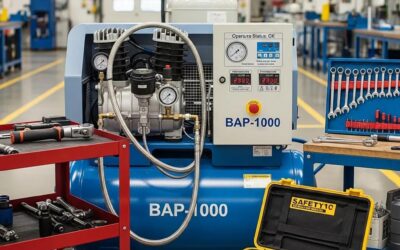
High-pressure compressors are designed with several key features that enhance their performance and reliability. These features include robust construction, advanced cooling systems, and energy efficiency, which make them suitable for demanding industrial applications.
For instance, many high-pressure compressors come equipped with multi-stage compression systems that allow for higher pressure outputs while maintaining lower energy consumption. Additionally, advanced filtration and purification systems ensure that the air or gas produced is of the highest quality, essential for industries like medical and firefighting.
Choosing the Right High-Pressure Compressor
Selecting the appropriate high-pressure compressor involves understanding specific application requirements, including pressure needs, flow rate, and the type of gas being compressed. Users must evaluate their operational environment and the intended use to make an informed decision.
For example, a compressor used in the medical field must meet stringent safety and quality standards, while a compressor for industrial applications may prioritize durability and efficiency. Consulting with experts and reviewing product specifications can help users find the best fit for their needs.
Environmental Impact of High-Pressure Compressors
High-pressure compressors can have significant environmental implications, particularly regarding energy consumption and emissions. As industries strive for sustainability, manufacturers are focusing on creating compressors that reduce their carbon footprint and improve energy efficiency.
For example, modern compressors often incorporate technologies that minimize energy use during operation, and some are designed to utilize renewable energy sources. Additionally, advancements in compressor design aim to reduce noise pollution and emissions, aligning with global efforts to protect the environment.
Future Trends in High-Pressure Compressor Technology
The future of high-pressure compressor technology is poised for innovation, driven by advancements in automation, IoT integration, and materials science. These trends are expected to enhance operational efficiency and provide real-time monitoring capabilities.
Emerging technologies, such as AI-driven predictive maintenance, allow for proactive management of compressor systems, reducing downtime and maintenance costs. Furthermore, the development of lighter and more durable materials is paving the way for portable compressors that can be used in a wider range of applications, from emergency services to outdoor activities.
Key Features of High-Pressure Compressors
High-pressure compressors are designed with several key features that enhance their performance and reliability. These features include robust construction, advanced cooling systems, and energy efficiency, which make them suitable for demanding industrial applications.
For instance, many high-pressure compressors come equipped with multi-stage compression systems that allow for higher pressure outputs while maintaining lower energy consumption. Additionally, advanced filtration and purification systems ensure that the air or gas produced is of the highest quality, essential for industries like medical and firefighting.
Choosing the Right High-Pressure Compressor
Selecting the appropriate high-pressure compressor involves understanding specific application requirements, including pressure needs, flow rate, and the type of gas being compressed. Users must evaluate their operational environment and the intended use to make an informed decision.
For example, a compressor used in the medical field must meet stringent safety and quality standards, while a compressor for industrial applications may prioritize durability and efficiency. Consulting with experts and reviewing product specifications can help users find the best fit for their needs.
Environmental Impact of High-Pressure Compressors
High-pressure compressors can have significant environmental implications, particularly regarding energy consumption and emissions. As industries strive for sustainability, manufacturers are focusing on creating compressors that reduce their carbon footprint and improve energy efficiency.
For example, modern compressors often incorporate technologies that minimize energy use during operation, and some are designed to utilize renewable energy sources. Additionally, advancements in compressor design aim to reduce noise pollution and emissions, aligning with global efforts to protect the environment.
Future Trends in High-Pressure Compressor Technology
The future of high-pressure compressor technology is poised for innovation, driven by advancements in automation, IoT integration, and materials science. These trends are expected to enhance operational efficiency and provide real-time monitoring capabilities.
Emerging technologies, such as AI-driven predictive maintenance, allow for proactive management of compressor systems, reducing downtime and maintenance costs. Furthermore, the development of lighter and more durable materials is paving the way for portable compressors that can be used in a wider range of applications, from emergency services to outdoor activities.