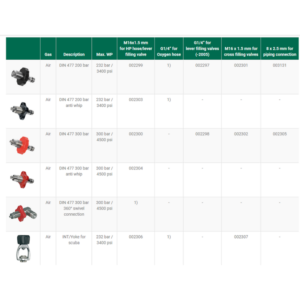
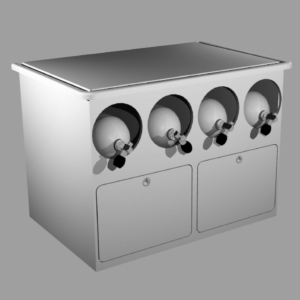
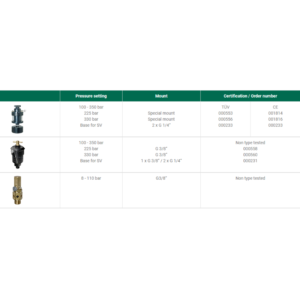
Filling Valves: LW Americas' Complete Product List
CLICK HERE TO ACCESS A COMPLETE LIST OF FILLING VALVES


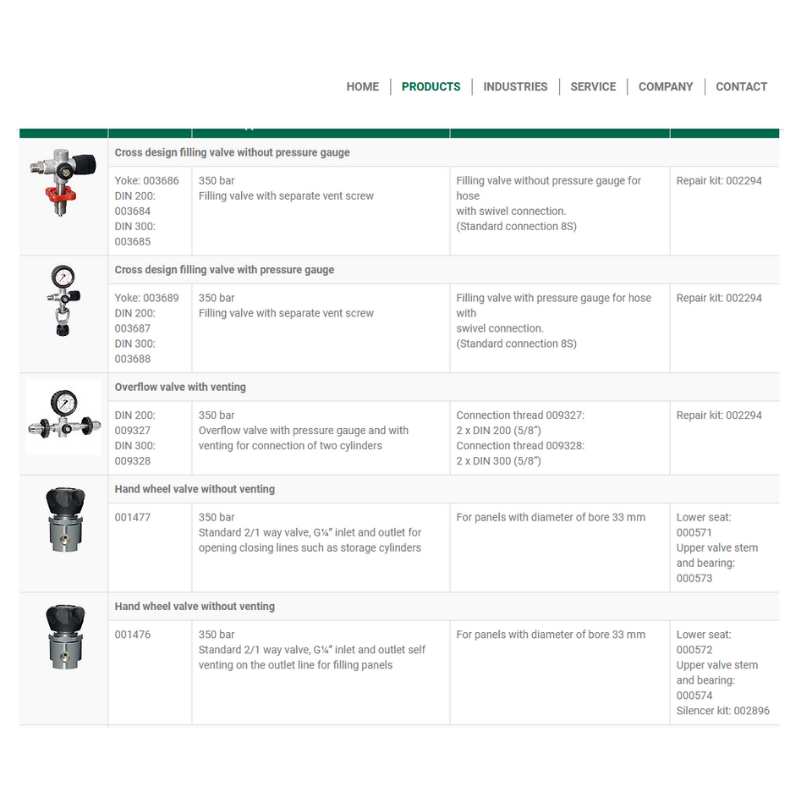
CLICK HERE TO ACCESS A COMPLETE LIST OF FILLING VALVES
Filling valves come in various types, each designed for specific applications and pressure requirements. Understanding the differences between these types can help users select the most suitable valve for their needs.
Common types include manual filling valves, automatic filling valves, and high-pressure filling valves. For instance, manual filling valves are often used in diving applications, while automatic valves are preferred in industrial settings for their efficiency and ease of use.
Filling valves are utilized across multiple industries, serving essential functions in each. Their versatility makes them a critical component in systems requiring precise filling operations.
In the diving industry, filling valves ensure safe and efficient filling of tanks with breathing gases. In firefighting, they are used to fill air tanks quickly, while in medical applications, they help maintain the integrity of gas supplies for various medical devices.
Selecting the right filling valve involves understanding the specific requirements of your application, including pressure ratings, flow rates, and compatibility with various gases. This ensures optimal performance and safety.
Factors to consider include the maximum operating pressure, material compatibility, and whether a manual or automatic valve is more appropriate. Consulting with a specialist can also provide insights tailored to unique operational needs.
Regular maintenance of filling valves is essential to ensure their longevity and reliability. Proper upkeep can prevent leaks and malfunctions that could compromise safety and performance.
Maintenance practices include routine inspections for wear and tear, cleaning to remove debris, and checking for proper sealing. Additionally, keeping a log of maintenance activities can help track performance over time and identify any recurring issues.