Applications of Safety Valves
Safety valves are crucial components in various industries, ensuring that pressure levels remain safe during operation. They are commonly used in applications such as oil and gas, chemical processing, and power generation, where managing pressure is vital to prevent equipment failure and ensure safety.
For instance, in the oil and gas industry, safety valves help manage the pressure in pipelines and storage tanks, preventing catastrophic failures. In chemical processing, they ensure that reactors operate within safe pressure limits, thus protecting both equipment and personnel from potential hazards.
Types of Safety Valves
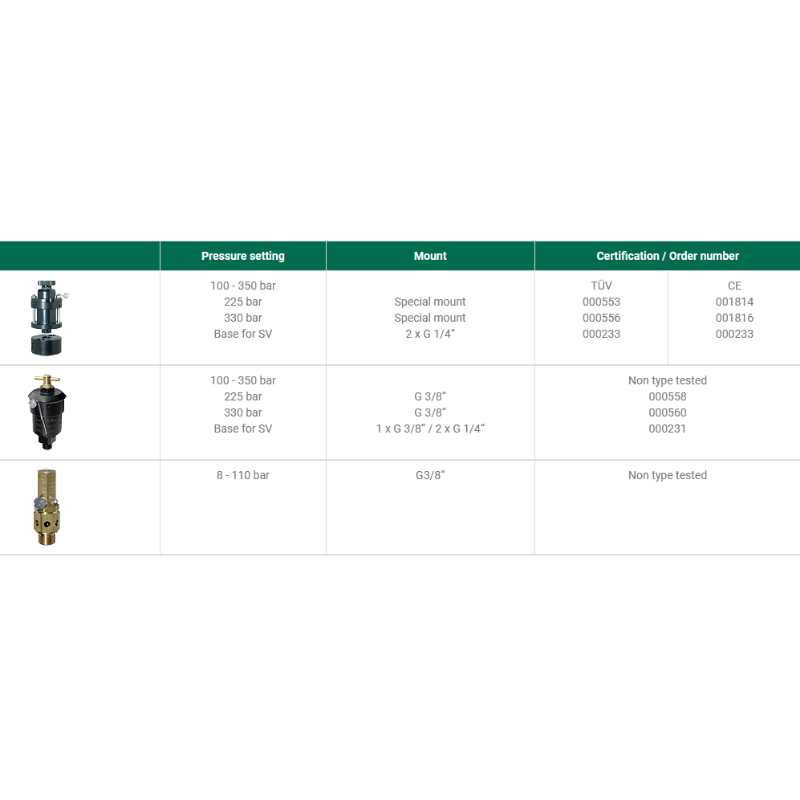
There are several types of safety valves, each designed for specific applications and pressure requirements. The most common types include spring-loaded safety valves, pilot-operated safety valves, and relief valves, each with unique mechanisms for maintaining safe pressure levels.
Spring-loaded safety valves are typically used for lower pressure applications, while pilot-operated valves are preferred for high-pressure systems due to their ability to handle larger flows and more precise control. Relief valves, on the other hand, are often utilized in steam systems to prevent overpressure conditions.
Choosing the Right Safety Valve
Selecting the appropriate safety valve is essential for ensuring operational safety and efficiency. Factors to consider include the type of fluid, pressure and temperature conditions, and the specific application requirements. Understanding these factors can help in choosing a valve that meets safety standards and operational needs.
For example, when dealing with corrosive fluids, materials like stainless steel or special alloys may be necessary to prevent degradation. Additionally, understanding the flow characteristics and potential pressure surges can guide the selection of a safety valve that will perform reliably under varying conditions.
Maintenance and Testing of Safety Valves
Regular maintenance and testing of safety valves are vital to ensure their functionality and reliability. Routine checks can prevent failures that could lead to hazardous situations, making it essential to incorporate a maintenance schedule into operational procedures.
Testing safety valves involves verifying their set pressure and ensuring they open and close correctly. This can include visual inspections, functional tests, and, in some cases, full disassembly for thorough examination. Keeping detailed records of maintenance and testing can also help in compliance with safety regulations and standards.