Understanding Scuba Diving Equipment
Scuba diving equipment is essential for ensuring safety and enhancing the diving experience. Understanding the various types of equipment available can help divers choose the right tools for their needs, whether they are recreational divers or professionals.
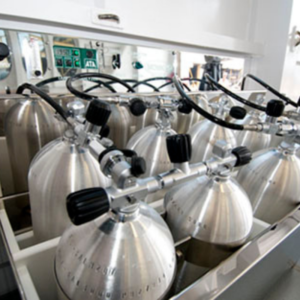
Key components of scuba diving gear include masks, fins, wetsuits, and tanks. Each item serves a specific purpose, such as providing visibility underwater, aiding movement, and ensuring thermal protection. Additionally, equipment like dive computers and buoyancy control devices are vital for monitoring depth and managing buoyancy during dives.
Choosing the Right Compressor for Your Needs
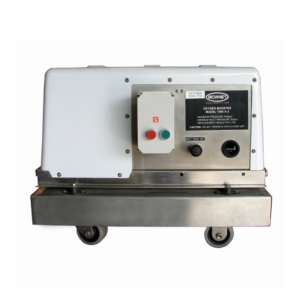
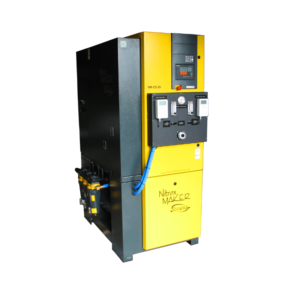
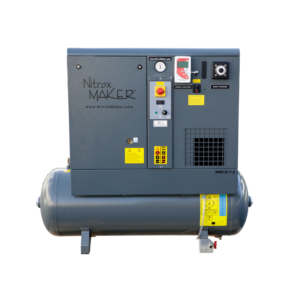
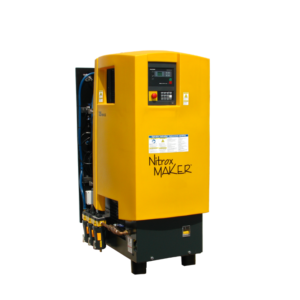
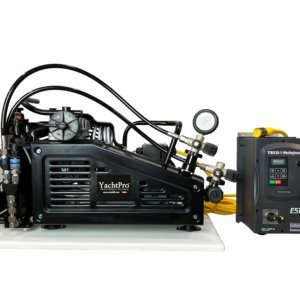
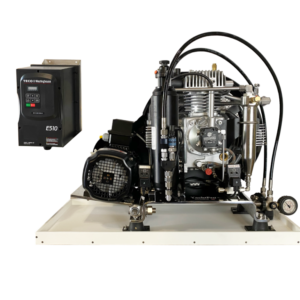
Choosing the right compressor is crucial for divers who require high-quality breathing air for their underwater adventures. Different compressors cater to varying needs, from recreational use to professional applications.
For instance, lightweight portable compressors are ideal for recreational divers who need mobility, while high-capacity stationary compressors are suited for dive shops and commercial operations. Understanding the specifications and capabilities of each model, such as pressure output and filling speed, can help users make informed decisions.
Benefits of Nitrox in Scuba Diving
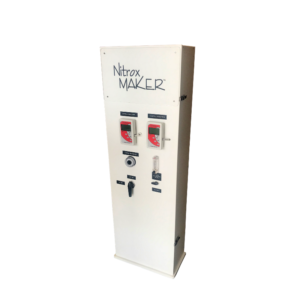
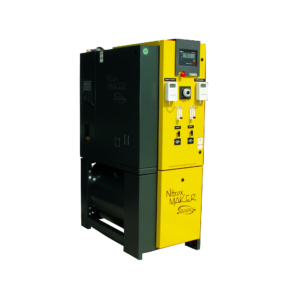
Nitrox, a gas mixture of oxygen and nitrogen, offers several advantages for scuba divers, particularly in extending bottom times and reducing nitrogen absorption. This can lead to safer diving experiences and less risk of decompression sickness.
Using Nitrox requires specific training and knowledge, as divers must understand how to manage the different oxygen levels. Many dive shops offer Nitrox fills, and divers can benefit from using Nitrox-compatible equipment to enhance their underwater experiences.
Maintenance Tips for Diving Equipment
Proper maintenance of diving equipment is essential for ensuring safety and longevity. Regular checks and care can prevent equipment failure and enhance performance during dives.
For example, rinsing gear with fresh water after each dive, checking for leaks, and inspecting hoses and regulators are crucial steps. Additionally, scheduling professional servicing for compressors and other critical equipment can help maintain optimal functionality and safety standards.