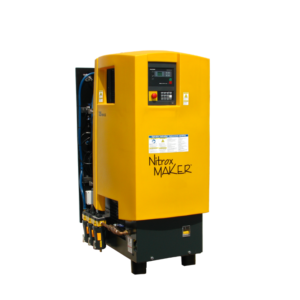
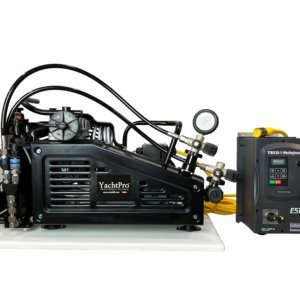
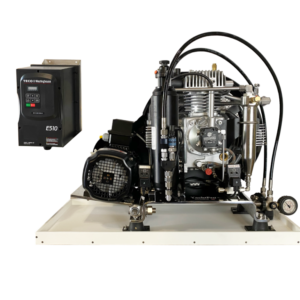
Understanding Nitroxmaker Technology
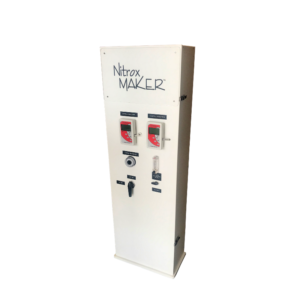
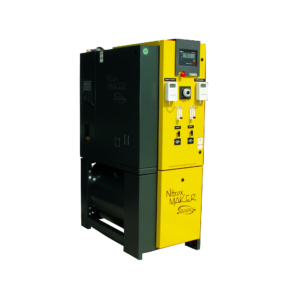
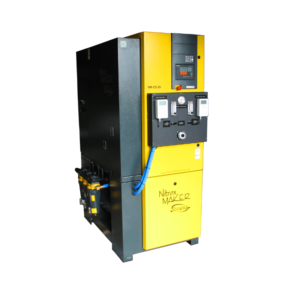
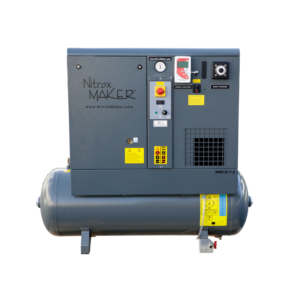
Nitroxmakers are advanced systems designed to enrich air with oxygen, allowing divers to breathe a gas mixture that reduces nitrogen absorption and enhances safety during dives. This technology is crucial for extending bottom times and improving overall diving experiences.
By using a Nitroxmaker, divers can tailor their breathing gas to specific depths and conditions, optimizing their performance underwater. For instance, recreational divers often utilize Nitrox blends to minimize the risk of decompression sickness, making these devices essential for both professional and leisure diving.
Benefits of Using Nitroxmakers
Utilizing Nitroxmakers provides numerous advantages for divers, including reduced fatigue, extended dive times, and enhanced safety. These benefits lead to a more enjoyable and less strenuous diving experience, allowing divers to explore underwater environments more effectively.
Moreover, the use of Nitrox can significantly lower the risk of nitrogen narcosis and decompression sickness, making it a preferred choice for deeper dives. This safety aspect is particularly important for technical divers who often operate at greater depths and durations.
Choosing the Right Nitroxmaker for Your Needs
Selecting the appropriate Nitroxmaker depends on various factors, including dive frequency, depth, and the specific requirements of the diving environment. Understanding these elements will help divers make informed decisions about which model suits their needs best.
For instance, recreational divers may prioritize ease of use and portability, while commercial divers might require more robust systems capable of handling higher volumes of gas. Evaluating features such as output pressure, size, and compatibility with existing equipment is essential for optimal performance.
Maintenance Tips for Nitroxmakers
Regular maintenance of Nitroxmakers is crucial to ensure their reliability and efficiency. Proper care not only extends the lifespan of the equipment but also guarantees safe operation during dives.
Routine checks should include inspecting seals and filters, verifying calibration, and ensuring the unit is free from contaminants. Additionally, following the manufacturer's guidelines for servicing and replacement parts will help maintain optimal performance and safety standards.