+1 954-462-5571
info@lwamericas.com
Facebook
Facebook
TANKFILL COMPRESSORS
NITROXMAKERS
0 Items
ABOUT
Users
Partnership Program
CATALOG
Accessories
Boost Pumps
Breathing Air Monitoring
Compressors
Dive Resource Solutions
Filling Device
Nitrox / Trimix
NitroxMaker™
Purification
Spare Parts
Storage
YachtPro™
INDUSTRIES
APPLICATIONS
DIVING
FIRE FIGHTING
INDUSTRY
MARITIME / OFFSHORE
CNG & BIOGAS
BREATHING AIR / COMPRESSED AIR COMPRESSORS
MEDICAL
MOTOR SPORTS
SPORTING GUNS & PAINTBALL
FINANCING
CONTACT
Select Page
Home
/
COMPRESSORS
/ Page 7
COMPRESSORS
Showing 55–63 of 70 results
Default sorting
Sort by popularity
Sort by latest
Sort by price: low to high
Sort by price: high to low
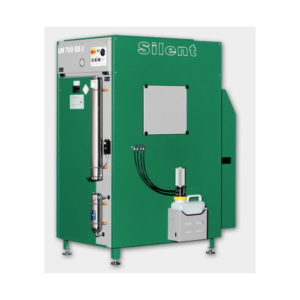
LW 700 ES II
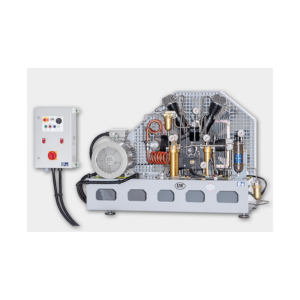
LW 720 E
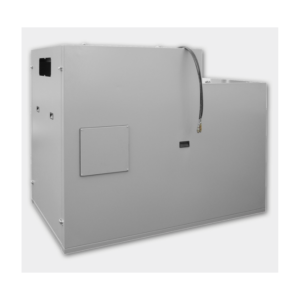
LW 720 ES
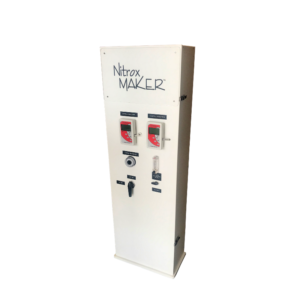
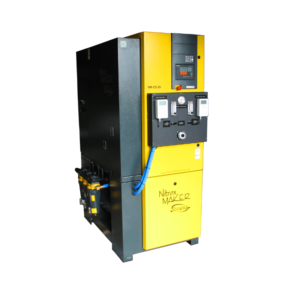
NitroxMaker Yacht Series
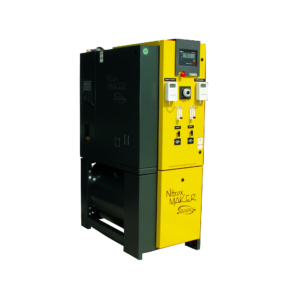
NMCS 10 Super Duty
NMCS 20 Super Duty
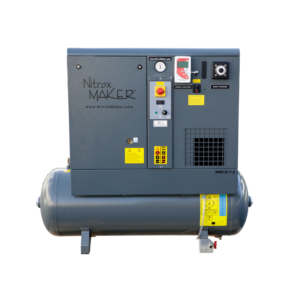
NMCS 7.5 AC Standard Duty
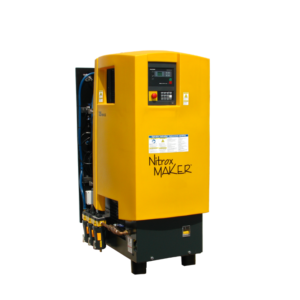
NMCS 7.5 Super Duty
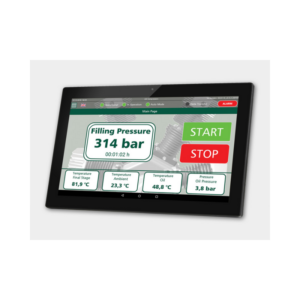
Remote Tab Control – RTC
←
1
2
3
4
5
6
7
8
→
CATALOG SEARCH
Search for:
Search
Product categories
ACCESSORIES
BOOST PUMPS
BREATHING AIR MONITORING
COMPRESSORS
420 BAR COMPRESSORS
COMPACT COMPRESSORS
COMPRESSOR OPTIONS
MOBILE COMPRESSORS
SILENT COMPRESSORS
STATIONARY COMPRESSORS
DIVE RESOURCE SOLUTIONS
FILLING DEVICE
NITROX / TRIMIX
NITROXMAKER™
PURIFICATION
SPARE PARTS
STORAGE
YACHTPRO™