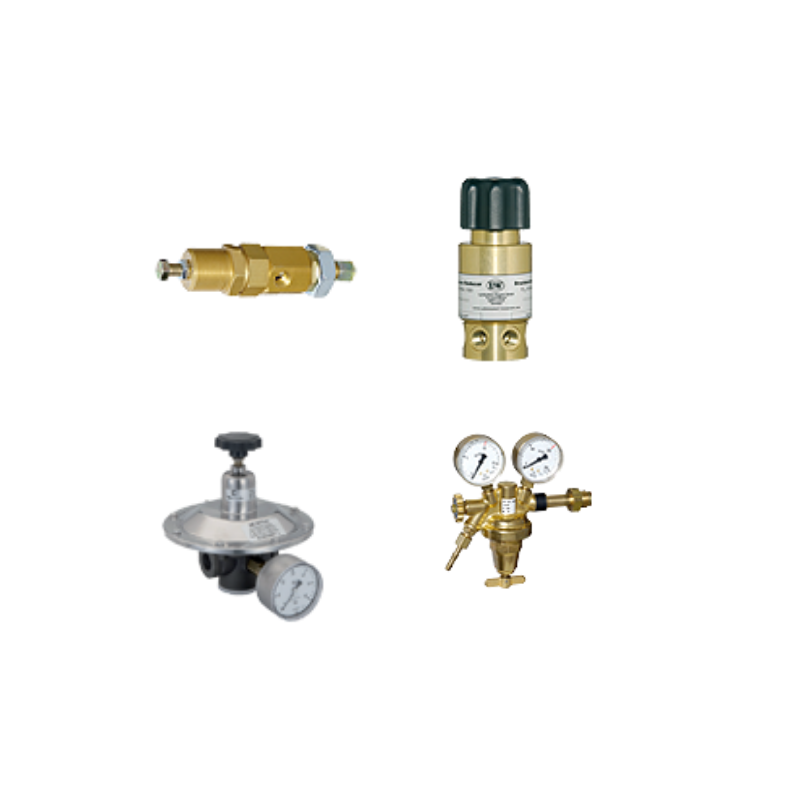
Applications of Pressure Reducers
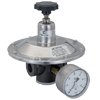
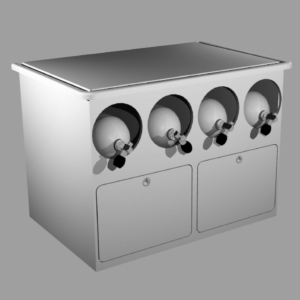
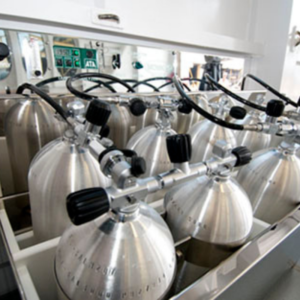
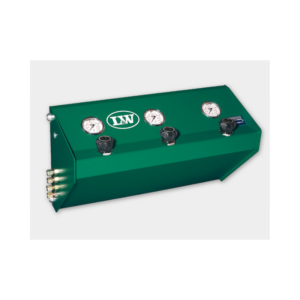
Pressure reducers are crucial components in various industries, ensuring safe and efficient gas management. They are widely used in applications such as diving, medical gas supply, and firefighting, where precise pressure control is essential for operational safety and performance.
For instance, in the diving industry, pressure reducers help maintain the correct pressure of gas mixtures supplied to divers, enhancing safety during underwater activities. Similarly, in medical applications, these devices regulate the flow of oxygen and other gases, ensuring that patients receive the appropriate dosage for their treatment.
Types of Pressure Reducers
There are several types of pressure reducers designed to meet specific requirements across different applications. These include single-stage and multi-stage reducers, each serving unique functions based on the pressure and flow needs of the system.
Single-stage pressure reducers are typically used for applications with lower pressure requirements, while multi-stage reducers are ideal for high-pressure systems, providing better control and stability. Understanding the differences between these types can help users select the right product for their specific needs.
Choosing the Right Pressure Reducer
Selecting the appropriate pressure reducer involves considering factors such as the type of gas, required pressure range, and application environment. Users must ensure that the chosen reducer is compatible with the gas being used and can handle the necessary pressure levels.
Additionally, users should assess the materials and construction of the pressure reducer to ensure durability and reliability in their specific application. For example, reducers made from corrosion-resistant materials are essential for environments where exposure to harsh chemicals may occur.
Maintenance and Troubleshooting Tips
Regular maintenance of pressure reducers is vital for ensuring their longevity and performance. Users should routinely inspect the devices for signs of wear, leaks, or blockages, which can affect their efficiency and safety.
In case of issues, troubleshooting steps may include checking connections, cleaning filters, and replacing worn components. Proper maintenance not only extends the life of the pressure reducer but also ensures consistent performance across applications.