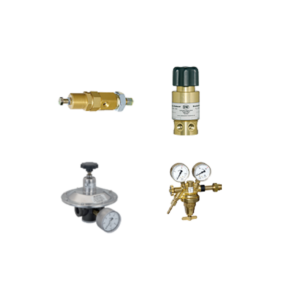
Understanding Pressure Reducers
Pressure reducers are essential devices that control the pressure of gases or liquids in various applications. They ensure that the output pressure remains stable, regardless of fluctuations in input pressure, which is crucial for maintaining safety and efficiency in operations.
For instance, in diving applications, pressure reducers help manage the high-pressure air from tanks to a safe level for breathing. This not only enhances the diver's safety but also optimizes the performance of the equipment used, ensuring a reliable and enjoyable diving experience.
Applications of Pressure Reducers
Pressure reducers find applications across multiple industries, including medical, diving, and maritime sectors. Each application has unique requirements that pressure reducers must meet to ensure optimal performance and safety.
In the medical field, for example, pressure reducers are vital in controlling the flow of gases used in respiratory devices. Similarly, in maritime applications, they are used in onboard systems to manage fuel and air pressure, ensuring smooth operations of vessels in various conditions.
Choosing the Right Pressure Reducer
Selecting the appropriate pressure reducer involves considering factors such as the type of gas or liquid, the required pressure range, and the specific application. Understanding these parameters is crucial for achieving optimal performance and safety.
For example, divers should choose pressure reducers that are specifically designed for high-pressure environments and compatible with their breathing gas mixtures. This ensures reliability and safety during dives, particularly in deep-sea explorations where pressure variations can be significant.
Maintenance Tips for Pressure Reducers
Regular maintenance of pressure reducers is essential to ensure their longevity and reliability. Proper care can prevent malfunctions that could lead to safety hazards in various applications.
Routine checks should include inspecting seals, cleaning filters, and testing the pressure settings to confirm they are within the desired range. Additionally, keeping the devices free from contaminants, such as moisture and debris, will enhance their performance and lifespan.