Key Features of the Mixmaster HP
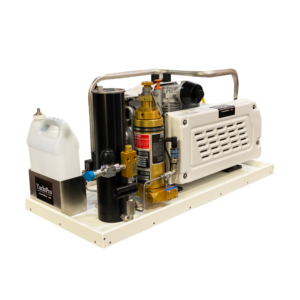
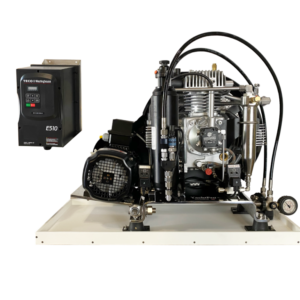
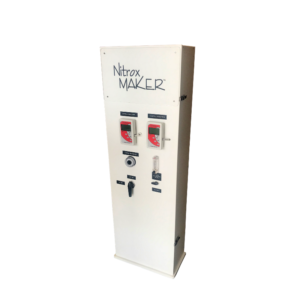
The Mixmaster HP is designed with several key features that enhance its performance and reliability in demanding environments. Notably, it includes a robust HP breathing air inlet, an isolation valve for safety, and an efficient pressure reducer that ensures optimal airflow for various applications.
These features make the Mixmaster HP particularly suitable for professional diving and industrial use, where air quality and pressure stability are critical. The incorporation of a large filter for oil-free air significantly reduces the risk of membrane contamination, ensuring longevity and performance consistency.
Specifications and Technical Data
Understanding the technical specifications of the Mixmaster HP is essential for users looking to assess its suitability for their needs. The unit operates at an inlet pressure range of 50 to 350 bar, with a membrane inlet pressure LP of 4 to 11 bar, equipped with an 11.5 bar safety valve for added security.
With dimensions of 650 x 1150 x 300 mm and a weight of 75 kg, the Mixmaster HP is designed for durability and ease of transport. This technical data is crucial for users to ensure compatibility with their existing systems and to make informed purchasing decisions.
Applications of the Mixmaster HP
The Mixmaster HP is versatile and can be used in various applications, particularly in the diving industry and for industrial air supply. It is ideal for filling nitrox and trimix tanks, providing divers with the necessary breathing gases for safe underwater exploration.
Additionally, its robust design makes it suitable for industrial applications where high-pressure air is required for pneumatic tools and other equipment. This adaptability ensures that the Mixmaster HP meets the diverse needs of its users across different sectors.
Maintenance and Care for Longevity
To ensure the longevity and optimal performance of the Mixmaster HP, regular maintenance is essential. Users are advised to routinely check and replace filters, inspect hoses for wear, and ensure that all connections are secure to prevent leaks.
Furthermore, following the manufacturer's guidelines for maintenance schedules and operational practices will help users maximize the lifespan of their equipment, ultimately leading to better performance and reduced downtime in critical applications.