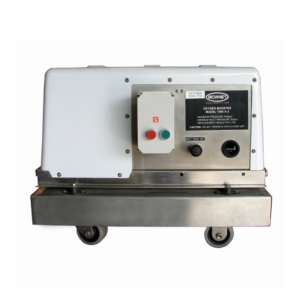
Understanding Boost Pumps
Boost pumps are essential components in the tank filling process, specifically designed to enhance the pressure and flow of air or gas into tanks. They play a crucial role in various industries, including diving and marine, where efficient tank filling is paramount.
These pumps are engineered to work seamlessly with compressors, ensuring that tanks are filled quickly and safely. For instance, in diving applications, a reliable boost pump can significantly reduce the time required to fill oxygen tanks, allowing divers to prepare more efficiently for their underwater adventures.
Applications of Tankfill Products
Tankfill products, including compressors and accessories, are utilized across a variety of industries. Their primary function is to fill tanks with gases such as air, nitrox, or trimix, which are crucial for specific applications like diving, firefighting, and industrial processes.
For example, in the diving industry, nitrox is a popular gas blend that allows divers to extend their underwater time while minimizing the risks of decompression sickness. Understanding the applications of these products helps users select the right equipment for their specific needs.
Choosing the Right Compressor for Your Needs
Selecting the appropriate compressor is vital for ensuring optimal tank filling performance. Factors such as tank size, desired filling speed, and gas type must be considered to choose a compressor that meets your requirements effectively.
For instance, a compact compressor may be ideal for personal use or small tanks, while large stationary compressors are better suited for commercial operations that require rapid filling of multiple tanks simultaneously. Evaluating your specific use case will help you make an informed decision.
Maintenance Tips for Tankfill Equipment
Regular maintenance of tankfill equipment, including compressors and boost pumps, is essential to ensure longevity and optimal performance. Neglecting maintenance can lead to decreased efficiency and potential safety hazards.
For example, routine checks on air filters, oil levels, and connections can prevent breakdowns and ensure that your equipment operates smoothly. Additionally, following manufacturer guidelines for servicing can help avoid costly repairs and extend the lifespan of your investment.