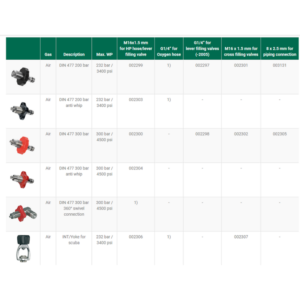
Understanding Filling Connections
Filling connections are essential components used in various applications, particularly in industries requiring high-pressure gas filling. These connections facilitate the safe and efficient transfer of gases, ensuring that equipment operates optimally and safely.
For instance, in the diving industry, filling connections are crucial for filling tanks with air or other gases like nitrox. Their design must adhere to strict safety standards to prevent leaks and ensure the integrity of the gas supply during use.
Applications of Filling Connections
Filling connections find applications across multiple sectors, including medical, diving, and maritime industries. Each sector has specific requirements that dictate the types of filling connections used, ensuring compatibility and safety.
For example, in the medical field, filling connections are utilized in oxygen tanks to provide patients with the necessary respiratory support. The reliability of these connections is paramount, as any failure could lead to serious health risks.
Choosing the Right Filling Connection
Selecting the appropriate filling connection involves understanding the specific needs of your application, including pressure ratings, gas types, and connector compatibility. This ensures that the chosen connection will function effectively and safely in its intended environment.
For instance, when selecting a filling connection for a high-pressure compressor, it is essential to consider the maximum pressure the connection can withstand, as well as the type of gas being filled. This careful selection process helps prevent equipment failure and enhances operational efficiency.
Maintenance Tips for Filling Connections
Regular maintenance of filling connections is vital to ensure their longevity and performance. This includes inspecting for wear and tear, checking for leaks, and ensuring that all components are clean and functioning correctly.
For example, it is advisable to routinely check the seals and O-rings in filling connections, as these components can degrade over time. Proper maintenance not only extends the life of the connection but also enhances safety during its use in high-pressure applications.