Understanding Boost Pumps
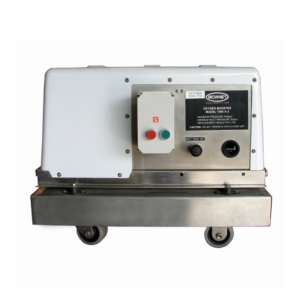
Boost pumps are essential devices used to increase the pressure of gases or liquids, making them crucial in various tank filling operations. These pumps are specifically designed to handle high-pressure requirements, ensuring that tanks are filled efficiently and safely.
For example, in diving applications, boost pumps facilitate the rapid filling of tanks with breathing air, allowing divers to maximize their underwater time. Similarly, in firefighting, these pumps ensure that water tanks can be filled quickly to maintain readiness for emergency situations.
Benefits of Chilled Fill Baths
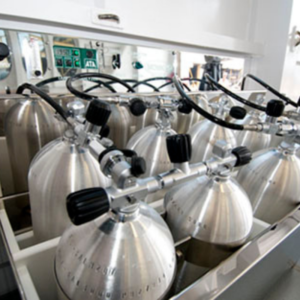
Chilled fill baths play a vital role in maintaining the integrity of gases being filled into tanks, particularly in preventing overheating during the filling process. By cooling the gas, these baths help to reduce the risk of thermal expansion, which can lead to dangerous situations.
For instance, when filling tanks with nitrox or trimix for diving, using a chilled fill bath ensures that the gas mixture remains stable and safe for use. This technology not only enhances safety but also improves the overall efficiency of the tank filling process.
Applications of Filling Solutions
The applications of filling solutions such as boost pumps and chilled fill baths extend far beyond recreational diving. Industries including firefighting, industrial gas supply, and even medical oxygen filling utilize these technologies to ensure reliability and safety in their operations.
For example, in the industrial sector, boost pumps are often used to fill large storage tanks with compressed gases, while chilled fill baths help maintain optimal temperatures during the filling process, ensuring that the gas does not degrade or become hazardous.
Choosing the Right Equipment for Tank Filling
Selecting the appropriate equipment for tank filling operations is crucial for efficiency and safety. Factors such as the type of gas, required pressure, and filling speed must be considered when choosing between boost pumps and chilled fill baths.
For instance, a high-pressure application may require a more robust boost pump, while sensitive gases might necessitate the use of a chilled fill bath to prevent thermal issues. Understanding these requirements helps users make informed decisions and enhances the overall effectiveness of their tank filling processes.