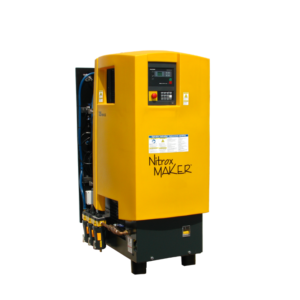
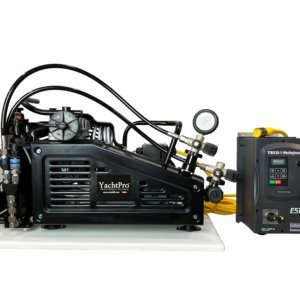
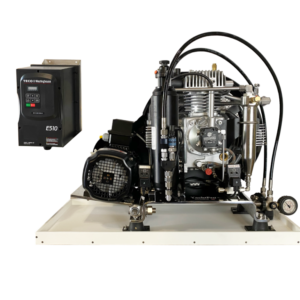
Overview of Diving Compressors
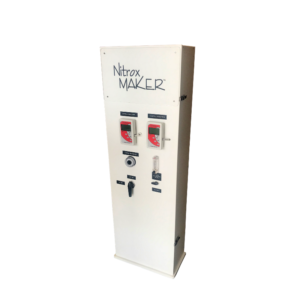
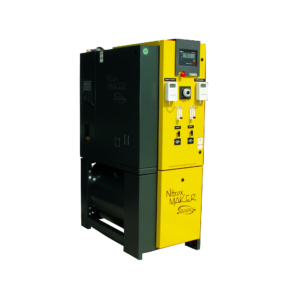
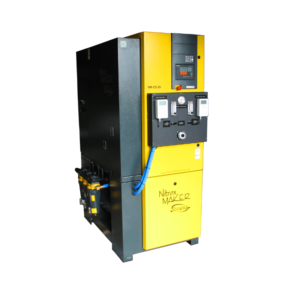
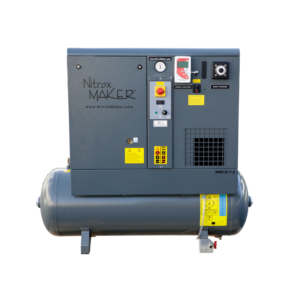
Diving compressors are essential for providing high-pressure air for scuba diving and other underwater activities. They are designed to fill scuba tanks quickly and efficiently, ensuring divers have a reliable air supply during their dives.
Different models of diving compressors cater to various needs, from portable options for recreational divers to heavy-duty systems for commercial use. Features such as noise reduction, energy efficiency, and ease of maintenance are important considerations when selecting a compressor, making it crucial for users to understand their specific requirements.
Benefits of Nitrox Systems
Nitrox systems enhance diving experiences by allowing divers to breathe a mixture of nitrogen and oxygen, which can reduce nitrogen absorption and extend bottom time. This is particularly beneficial for divers looking to explore deeper or longer dives without the risks associated with traditional air.
By using Nitrox, divers can enjoy improved safety and reduced fatigue, making their underwater adventures more enjoyable. Additionally, many dive shops now offer Nitrox fills, making it easier for divers to access this advanced breathing gas.
Choosing the Right Diving Equipment
Selecting the appropriate diving equipment is crucial for both safety and enjoyment. Factors such as dive type, personal experience, and environmental conditions play significant roles in determining the best gear for each individual diver.
From wetsuits and buoyancy control devices to regulators and masks, understanding the features and benefits of each piece of equipment can help divers make informed choices. Consulting with knowledgeable dive shop staff can also provide valuable insights tailored to specific diving needs.
Maintenance Tips for Diving Gear
Proper maintenance of diving gear is essential for ensuring safety and longevity. Regular checks and cleaning of equipment, especially compressors and Nitrox systems, help prevent issues that could arise during dives.
It is recommended to follow manufacturer guidelines for maintenance schedules, including oil changes, filter replacements, and thorough inspections. Additionally, storing equipment in a cool, dry place can prevent damage and prolong its lifespan, allowing divers to enjoy their gear for many seasons.