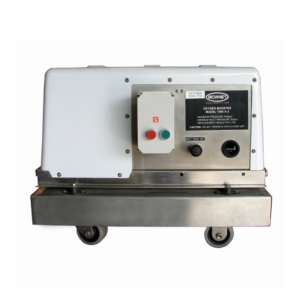
LW Americas Boost Pumps for Industrial & Diving Applications
Showing the single result
Boost pumps come in various types, each designed to meet specific operational needs. Understanding the different types available can help users select the right pump for their application, whether it's for diving, industrial use, or other specialized tasks.
Common types of boost pumps include diaphragm pumps, centrifugal pumps, and positive displacement pumps. Each type offers unique advantages, such as efficiency, pressure capabilities, and maintenance requirements. For example, diaphragm pumps are known for their durability and ability to handle abrasive fluids, making them ideal for certain industrial applications.
Boost pumps are utilized across a wide range of industries, providing essential support in various applications. Their versatility makes them suitable for tasks ranging from enhancing water pressure in residential systems to supplying breathing air for divers.
In the diving industry, boost pumps are crucial for filling tanks with compressed air or nitrox, ensuring safety and efficiency during underwater activities. In industrial settings, these pumps are often used to move fluids in processes such as chemical manufacturing, oil extraction, and water treatment, showcasing their critical role in operational success.
Selecting the appropriate boost pump involves considering several factors, including the intended application, required flow rate, and pressure specifications. Users should carefully assess their needs to ensure optimal performance and longevity of the pump.
For instance, a diver may need a compact and portable boost pump for easy transport, while an industrial application might require a high-capacity pump that can handle larger volumes of fluid under high pressure. Consulting with experts or detailed product specifications can aid in making an informed decision.
Regular maintenance is essential for ensuring the longevity and efficiency of boost pumps. Implementing a routine maintenance schedule can prevent unexpected breakdowns and costly repairs, keeping operations running smoothly.
Key maintenance practices include checking for leaks, ensuring proper lubrication of moving parts, and regularly inspecting filters for clogs. Additionally, users should refer to the manufacturer's guidelines for specific maintenance intervals and procedures tailored to their pump model.
Boost pumps come in various types, each designed to meet specific operational needs. Understanding the different types available can help users select the right pump for their application, whether it's for diving, industrial use, or other specialized tasks.
Common types of boost pumps include diaphragm pumps, centrifugal pumps, and positive displacement pumps. Each type offers unique advantages, such as efficiency, pressure capabilities, and maintenance requirements. For example, diaphragm pumps are known for their durability and ability to handle abrasive fluids, making them ideal for certain industrial applications.
Boost pumps are utilized across a wide range of industries, providing essential support in various applications. Their versatility makes them suitable for tasks ranging from enhancing water pressure in residential systems to supplying breathing air for divers.
In the diving industry, boost pumps are crucial for filling tanks with compressed air or nitrox, ensuring safety and efficiency during underwater activities. In industrial settings, these pumps are often used to move fluids in processes such as chemical manufacturing, oil extraction, and water treatment, showcasing their critical role in operational success.
Selecting the appropriate boost pump involves considering several factors, including the intended application, required flow rate, and pressure specifications. Users should carefully assess their needs to ensure optimal performance and longevity of the pump.
For instance, a diver may need a compact and portable boost pump for easy transport, while an industrial application might require a high-capacity pump that can handle larger volumes of fluid under high pressure. Consulting with experts or detailed product specifications can aid in making an informed decision.
Regular maintenance is essential for ensuring the longevity and efficiency of boost pumps. Implementing a routine maintenance schedule can prevent unexpected breakdowns and costly repairs, keeping operations running smoothly.
Key maintenance practices include checking for leaks, ensuring proper lubrication of moving parts, and regularly inspecting filters for clogs. Additionally, users should refer to the manufacturer's guidelines for specific maintenance intervals and procedures tailored to their pump model.