Importance of Inlet Filters
Inlet filters are crucial components in compressor systems as they prevent contaminants from entering the compressor, which can lead to performance issues and costly repairs. By ensuring the air entering the compressor is clean, these filters help maintain the efficiency and longevity of the equipment.
Regularly replacing and maintaining inlet filters is essential for optimal performance. For example, a clogged filter can restrict airflow, causing the compressor to work harder, which not only increases energy consumption but can also lead to overheating and premature failure of the compressor components.
Types of Inlet Filters
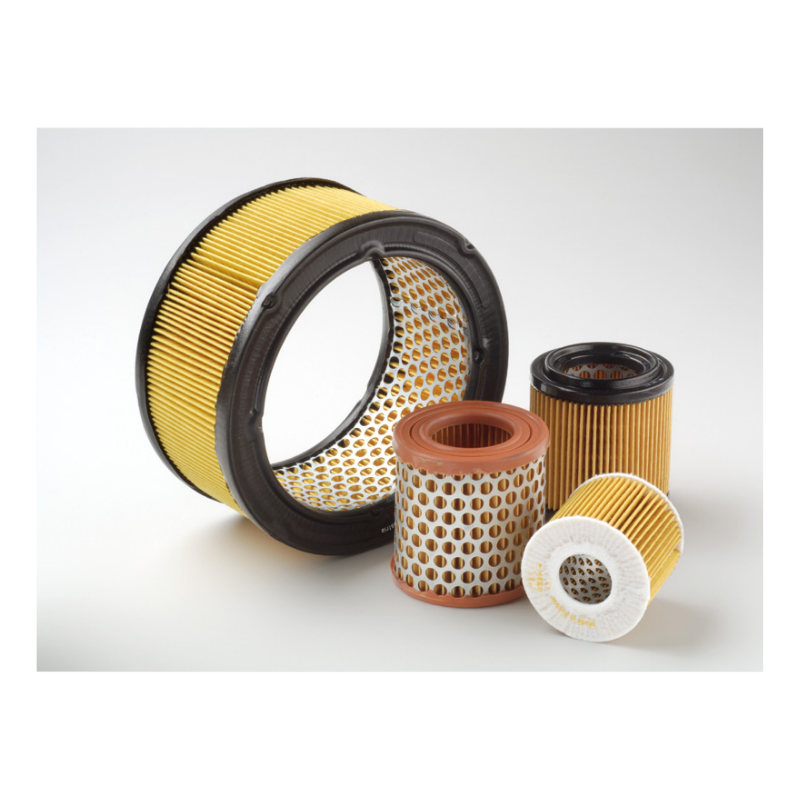
Inlet filters come in various types, each designed for specific applications and compressor models. Understanding the differences can help users select the right filter for their needs, ensuring compatibility and effective filtration.
For instance, some filters are designed for high-efficiency particulate air (HEPA) filtration, which is ideal for environments with fine dust and pollutants. Others may be suited for oil mist applications, providing additional protection against oil contamination in the air supply.
How to Choose the Right Inlet Filter
Selecting the appropriate inlet filter involves considering several factors, including the compressor model, operating environment, and specific filtration needs. Users should refer to the manufacturer’s specifications and compatibility charts when making their choice.
Additionally, factors such as filter size, material, and airflow capacity are critical. For example, using a filter that is too small for the compressor can lead to reduced airflow and increased strain on the system, while a filter that is too large might not fit properly, compromising its effectiveness.
Maintenance Tips for Inlet Filters
Proper maintenance of inlet filters is essential to ensure they function effectively and prolong the life of the compressor. Regular inspection and timely replacement of filters can significantly impact the overall performance of the system.
Users should establish a routine maintenance schedule that includes checking filters for dirt and debris, cleaning or replacing them as needed, and keeping records of maintenance activities. This proactive approach can help avoid unexpected downtime and costly repairs associated with filter-related issues.