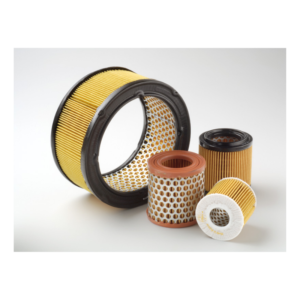
LW Americas Inlet Filters for High-Pressure Compressors
Showing the single result

Showing the single result
Inlet filters are essential components in various industries, primarily designed to ensure the purity and quality of air or gas entering a system. These filters prevent contaminants such as dust, moisture, and particulates from entering compressors and other equipment, safeguarding their performance and longevity.
Different types of inlet filters cater to specific applications, such as diving and medical industries. For example, filters used in diving equipment are crafted to withstand high pressures, while those for medical applications need to meet stringent health standards. Selecting the right inlet filter is crucial for maintaining operational efficiency and safety.
Inlet filters are utilized across a variety of sectors, including diving, medical, and maritime industries. Their primary role is to protect sensitive equipment from airborne contaminants, which can lead to malfunctions or reduced efficiency.
For instance, in the diving industry, inlet filters are vital for ensuring that the air supply remains clean and free from impurities, allowing divers to operate safely at depth. In medical settings, these filters are critical for ensuring that the air supplied to patients is uncontaminated, highlighting their importance in life-support systems.
Selecting the appropriate inlet filter involves understanding the specific requirements of your application, including pressure ratings, flow rates, and environmental conditions. Each filter type is designed with unique attributes to address various operational challenges.
For example, high-pressure inlet filters are specifically designed for compressors operating at elevated pressures, while low-pressure filters may suffice for less demanding applications. It's essential to consult with experts or product specifications to ensure the filter meets your operational needs effectively.
Regular maintenance of inlet filters is crucial to ensure their optimal performance and longevity. This includes routine inspections, cleaning, and timely replacements based on usage and environmental conditions.
For instance, filters in dusty environments may require more frequent cleaning or replacement compared to those used in cleaner settings. Implementing a maintenance schedule can prevent costly downtime and ensure that equipment remains operational and efficient.