
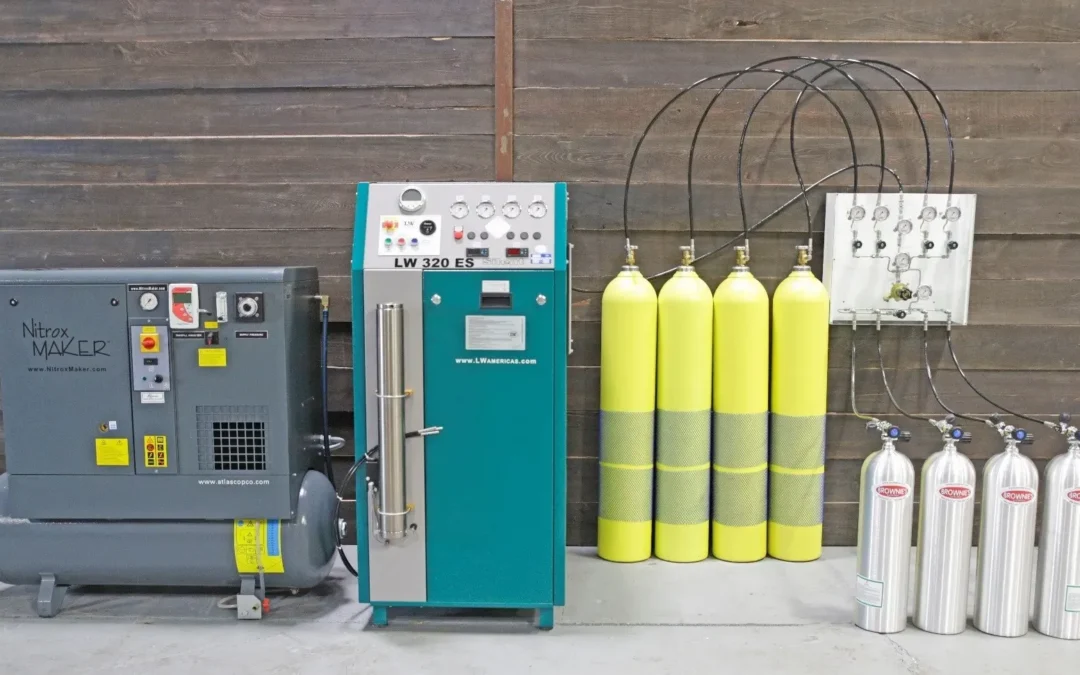
Dive Blending Panels: Setting Up Your Nitrox Fill Station
Dive Blending Panels Explained: How to Set Up a Nitrox and Trimix Fill Station for Accurate Scuba Gas Mixing
Setting up a Nitrox and Trimix fill station is essential for divers who require specific gas mixtures for their underwater adventures. Understanding dive blending panels is crucial for achieving accurate gas mixing, ensuring safety, and optimizing performance. This article will guide you through the components, safety procedures, and best practices for establishing a reliable fill station. By the end, you will have a comprehensive understanding of how to set up a Nitrox fill station and the necessary steps for Trimix gas mixing. We will also explore the role of dive blending panels and the integration of oxygen analyzers in this process.
Accurate Scuba Gas Mixing
Accurate scuba gas mixing is vital for ensuring divers receive the correct gas mixtures for their specific needs. The partial pressure method is commonly used, which involves calculating the individual gas components based on their desired percentages. Utilizing certified gas blending panels is essential for achieving precise mixtures, as they are designed to handle the complexities of gas blending. Pressure gauges play a critical role in monitoring the gas pressures, ensuring that the mixtures remain within safe limits.
Further research emphasizes the importance of precise equipment and calibration in achieving the desired gas mixtures for both Nitrox and Trimix.
Nitrox & Trimix Blending Facility Setup
present in facilities for NITROX and TRIMIX manufacturing, is added inside during the filling process. Thus, accurate scales are crucial. This curves correlate the valve settings with the final mixture.
Continuous flow type gas blending facility used for autonomous and system diving, NI Alboiu, 2017
Essential Components
To set up a Nitrox and Trimix fill station, several essential components are required. These include:
- Gas Blending Panels: The core of the system, responsible for mixing gases accurately.
- Oxygen Analyzers: Used to verify the gas mixtures and ensure they meet the required specifications.
- Compressor Selection: A high-quality compressor is necessary to fill tanks efficiently and safely.
Each component plays a significant role in the overall functionality of the fill station, contributing to the safety and effectiveness of the gas blending process.
Safety Procedures
Implementing safety procedures is paramount when operating a Nitrox and Trimix fill station. Here are key protocols to follow:
- Training Requirements: All personnel must be trained in gas blending operations and emergency procedures.
- Monitoring Gas Mixtures: Regular checks of gas mixtures are essential to ensure accuracy and safety.
- Emergency Procedures: Establish clear emergency protocols for handling gas leaks or equipment failures.
Following these safety procedures helps mitigate risks associated with gas blending and ensures a safe working environment.
Effective training is a cornerstone of these safety measures, ensuring that all personnel are proficient in gas blending techniques and safety protocols.
Dive Center Gas Blending Safety & Training
gas blending techniques to continually improve safety protocols that diving centres adopt to ensure the purity and quality of breathing gas. Training in gas blending is necessary for those blending the gases.
Breathing Gas Quality and Monitoring in Dive Centres of the Maltese Islands, 2024
LW Americas is a specialized provider of high-quality dive blending panels and related equipment designed for setting up Nitrox and Trimix fill stations. Their products are engineered to meet safety standards, ensuring reliable performance in gas blending operations.
Best Practices
Adhering to best practices in gas blending can enhance the efficiency and safety of your operations. Consider the following:
- Gas Selection: Choose the appropriate gas mixtures based on dive profiles and requirements.
- Quality Control: Regularly inspect and maintain equipment to ensure optimal performance.
- User-Friendly Design: Opt for blending panels that are intuitive and easy to operate, reducing the likelihood of errors.
Implementing these best practices will contribute to a more effective and safer gas blending process.
What Are Dive Blending Panels and Their Role in Scuba Gas Blending?
Dive blending panels are specialized systems designed to mix gases accurately for scuba diving applications. They function by controlling the flow of different gases, allowing for precise adjustments to achieve the desired gas mixture. The importance of these panels lies in their ability to ensure that divers receive the correct gas mixtures, which is crucial for safety and performance underwater. Additionally, many modern blending panels come equipped with safety monitoring features that alert operators to any discrepancies in gas mixtures.
How Do Oxygen Analyzers Integrate with Dive Blending Panels?
Oxygen analyzers play a critical role in the gas blending process by verifying the accuracy of the gas mixtures produced by dive blending panels. These devices measure the percentage of oxygen in the gas mixture, ensuring it meets the required specifications for safe diving. The integration of oxygen analyzers with blending panels enhances the overall safety and reliability of the gas blending process, providing divers with confidence in their gas supplies.
Which Components Constitute a Nitrox and Trimix Blending System?
A Nitrox and Trimix blending system consists of several key components that work together to produce accurate gas mixtures. These components include:
- Gas Inlets: Where the individual gases enter the blending system.
- Pressure Gauges: Essential for monitoring the pressure of each gas component.
- Control Valves: Used to regulate the flow of gases into the blending panel.
Understanding these components is crucial for anyone looking to set up a reliable gas blending system. LW Americas can help you with a setup for a yacht, which you can learn about more on the NitroxMaker Yacht Series information page.
How to Set Up a Nitrox Fill Station Using Dive Blending Panels?
Setting up a Nitrox fill station involves several steps to ensure proper functionality and safety. Here’s a step-by-step guide:
- Install the Blending Panel: Position the dive blending panel in a well-ventilated area, ensuring easy access to gas inlets.
- Connect the Oxygen Analyzer: Integrate the oxygen analyzer with the blending panel to monitor gas mixtures.
- Calibrate the System: Follow the manufacturer’s instructions to calibrate the blending panel and oxygen analyzer for accurate readings.
- Conduct Safety Checks: Before operation, perform thorough safety checks to ensure all components are functioning correctly.
By following these steps, you can establish a Nitrox fill station that meets safety and performance standards.
What Are the Step-by-Step Procedures for Nitrox Fill Station Setup?
The setup process for a Nitrox fill station can be broken down into detailed steps:
- Gather Necessary Equipment: Ensure you have all required components, including the blending panel, oxygen analyzer, and compressor.
- Assemble the System: Connect the blending panel to the gas inlets and ensure all connections are secure.
- Test the System: Run a test cycle to verify that the blending panel and oxygen analyzer are functioning correctly.
- Document Procedures: Keep a record of the setup process and any adjustments made for future reference.
These procedures will help ensure a smooth and efficient setup for your Nitrox fill station.
What Are the Procedures for Trimix Gas Mixing and Blending Setup?
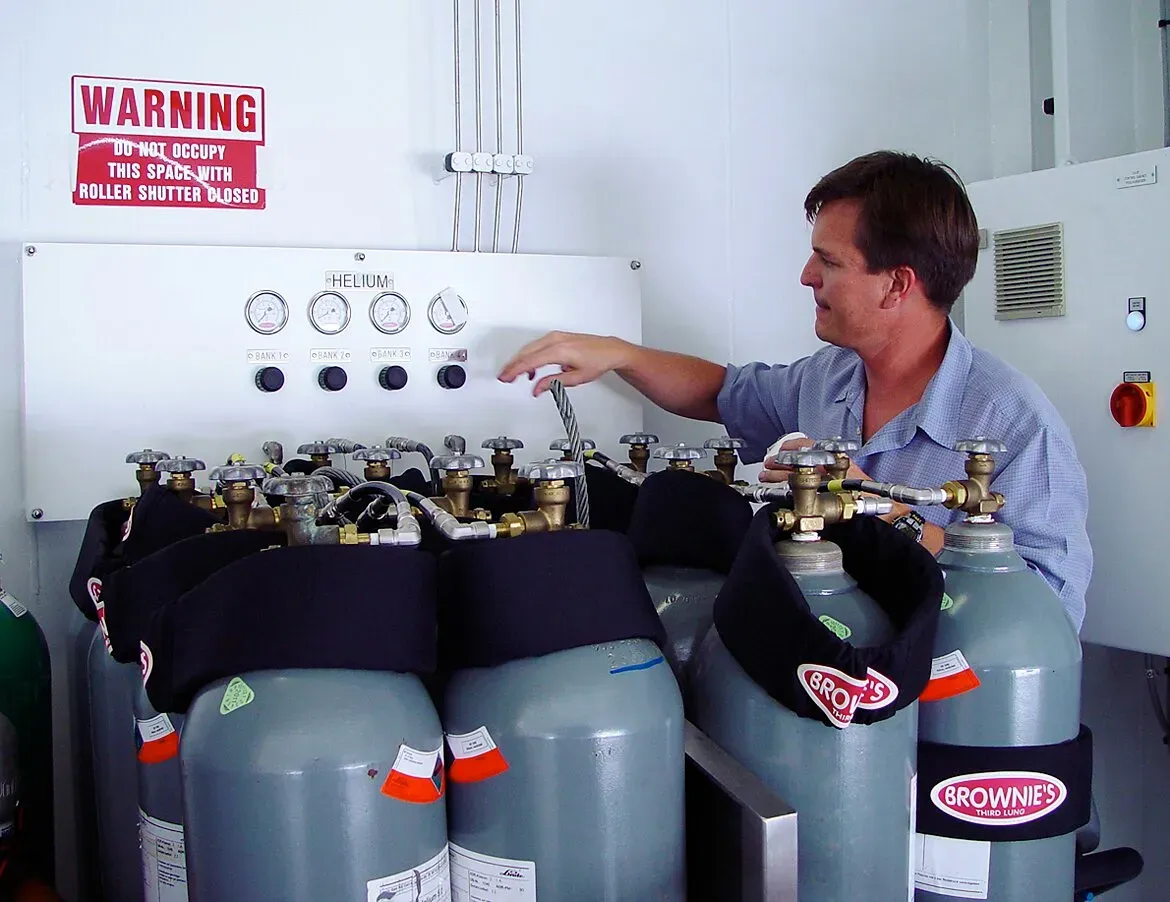
Trimix gas mixing requires careful attention to detail to ensure safety and accuracy. The procedures include:
- Determine Gas Ratios: Calculate the appropriate ratios of oxygen, helium, and nitrogen based on dive profiles.
- Set Up the Blending Panel: Follow the same setup procedures as for Nitrox, ensuring all components are in place.
- Monitor Gas Mixtures: Use the oxygen analyzer to verify that the gas mixtures meet the required specifications.
- Conduct Final Checks: Before filling tanks, perform final checks to ensure all systems are functioning correctly.
By adhering to these procedures, you can achieve accurate Trimix gas blending for your diving needs.
What Safety Standards and Certification Requirements Govern Dive Blending Panels?
Safety standards and certification requirements are critical for ensuring the safe operation of dive blending panels. Key standards include:
- CGA Compliance: Adherence to Compressed Gas Association standards for gas handling and safety.
- TÜV Certification: Ensures that equipment meets international safety and quality standards.
- ISO Standards: Compliance with ISO standards for quality management and safety in gas blending operations.
These certifications provide assurance that dive blending panels are designed and manufactured to meet stringent safety requirements.
Adhering to established industry guidelines, such as those from the Compressed Gas Association, is fundamental for ensuring the safety of Nitrox mixtures.
Nitrox Blending Safety Guidelines
society guidelines from ASTM, Compressed Gas Association, and The CGA pamphlet G-4.4 [1] states that any gas mixture that contains any mixture between 21 and 40 percent oxygen is safe to use.
Use of Oxygen-Enriched Mixtures in Recreational SCUBA Diving–Is the Public Being, 1997
Which Industry Certifications Ensure Compliance for Gas Blending Equipment?
Several industry certifications are essential for ensuring compliance in gas blending equipment:
- CGA Grade E: Specifies the requirements for oxygen service equipment.
- NFPA 1989: Covers the standards for respiratory protection equipment.
- ISO 8573: Addresses the purity of compressed air and gases.
These certifications help maintain high safety and quality standards in gas blending operations.
How to Implement Safety Procedures for Gas Blending Operations?
Implementing safety procedures for gas blending operations involves several key steps:
- Regular Maintenance: Schedule routine maintenance for all equipment to ensure optimal performance.
- Monitoring Systems: Utilize monitoring systems to track gas mixtures and detect any anomalies.
- Documentation: Keep detailed records of all safety checks and maintenance performed on the equipment.
By following these procedures, you can enhance the safety and reliability of your gas blending operations. If you need additional help, contact LW Americas support team.