
How to Choose the Right Compressor Service Partner: Expert Guide to Selecting Reliable High-Pressure Compressor Support
Selecting the right compressor service partner is crucial for ensuring the efficiency and reliability of your high-pressure compressor systems. This guide will provide you with essential steps to identify your specific needs, evaluate potential partners, and make an informed decision. By understanding the key factors involved in compressor service, you can avoid costly downtime and ensure that your operations run smoothly. This article will cover how to define your service needs, evaluate technical specifications, and assess the qualities that make a top compressor service provider. Additionally, we will explore industry-specific requirements and the importance of comprehensive project management in service selection.
Understanding the fundamental characteristics of high-pressure compressors is essential when considering service and selection.
High-Pressure Compressor Selection & Service Expertise
High-pressure compressors are engineered for demanding applications. While typical industrial process air and breathing air systems operate at lower pressures, extreme multi-stage units can reach discharge pressures up to 40,000 psi, illustrating the broad spectrum of high-pressure service. Generally, multi-stage units are employed for pressure ratios above approximately 1.5-to-1. (Source: Compressors: Selection and Sizing, 1997)
What Are Your High-Pressure Compressor Service Needs?
Your high-pressure compressor service needs may include:
- Telemetry Monitoring: To detect issues like declining flow or abnormal vibrations before failures occur.
- Custom Engineering: Tailored solutions that combine appropriate pressure, flow, and duty cycle.
- Installation Support: Requesting 2D/3D installation drawings and support commitments.
- Operational Profile: Providing details on expected fills, turnaround requirements, and air quality standards for proper sizing.
- Continuous-Duty Capability: Ensuring the compressor can handle sustained high-pressure fills with robust uptime, provided it is properly specified, cooled, and maintained for its intended duty cycle and operating conditions.
- Compliance with Standards: Adhering to safety and quality standards, such as CGA Grade E or EN 12021 for diving air, and NFPA 1989 for firefighting SCBA, especially for breathing air and life-safety applications.
For a tailored solution, contacting a specialist provider is recommended. LW Americas specializes in high-pressure compressor systems, offering custom solutions that meet diverse sector needs, including diving, firefighting, and medical applications.
How to Assess Your Current Compressor System and Pain Points
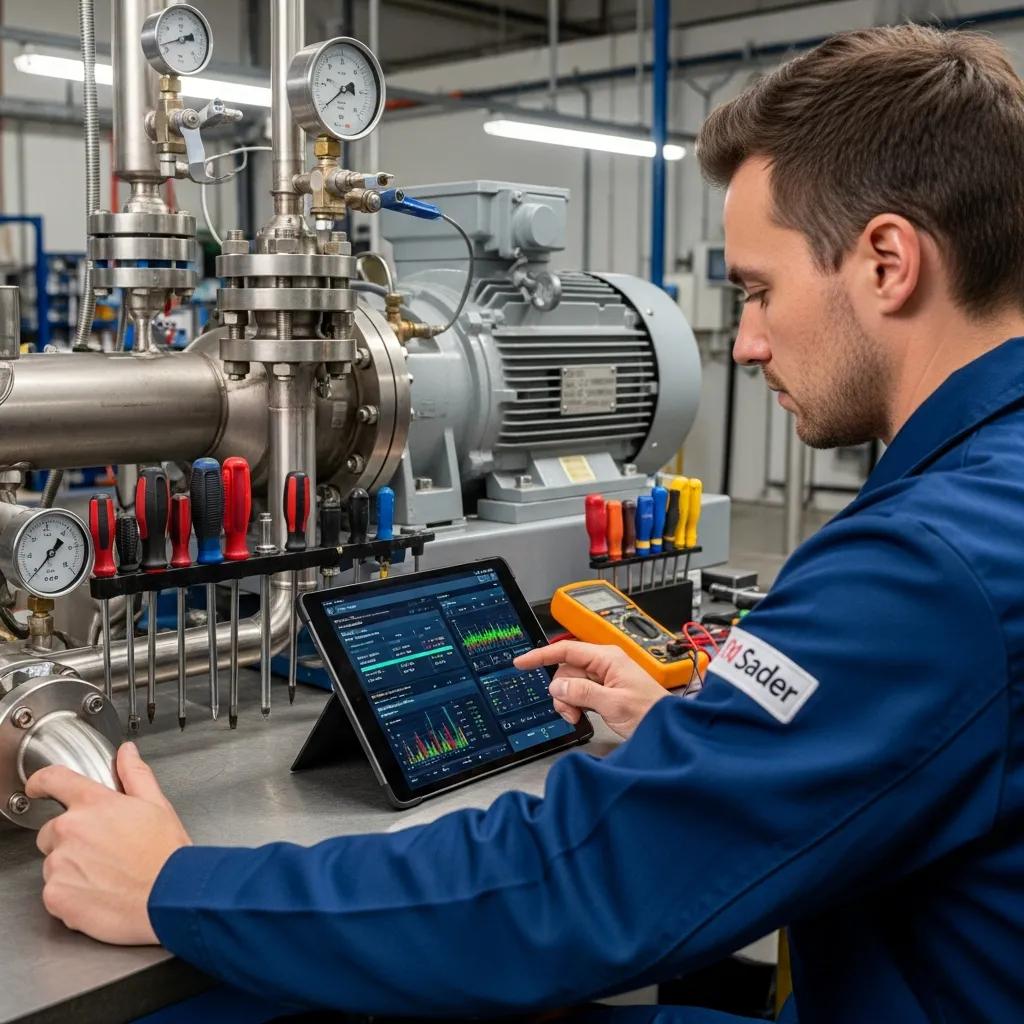
To assess your current compressor system and identify pain points, consider the following steps:
- Define Demand: Determine the required pressure, simultaneous flow, and air quality standards for your application.
- Calculate Required FAD: Assess the required Free Air Delivery (FAD) at working pressure, including safety margins.
- Evaluate Duty Cycle: Match the duty cycle rating to your operational profile and identify any redundancy needs.
- Monitor Quality Parameters: Ensure that compressor controls support monitoring of quality parameters and routine sampling.
- Review Installation Factors: Consider environmental factors such as altitude and inlet temperature, as these can affect performance.
- Conduct Engineering Review: Given the safety-critical nature of breathing air and life-safety applications, a thorough engineering review is essential to ensure compliance with applicable standards like CGA Grade E, EN 12021, or NFPA 1989.
By following this checklist, you can effectively evaluate your compressor system and pinpoint areas for improvement.
What Future Expansion and Custom Solution Requirements Should You Consider?
To consider future expansion and custom solution requirements for compressors, you should evaluate the following factors:
- Operational Profiles: Understand whether your plant will have frequent peaks or steady continuous demand, which will influence whether to prioritize peak CFM or average throughput.
- Duty Cycle and Flow Interaction: Assess how duty cycle, flow rate, and pressure interact, as increasing one may necessitate trade-offs in the others. For example, prioritize duty cycle and pressure for safety-critical systems, while for industrial production, prioritize flow and duty cycle.
- Environmental Factors: Consider how altitude and ambient temperature may affect compressor performance, necessitating potential oversizing or additional filtration.
- Redundancy Needs: For critical systems, plan for redundancy strategies such as standby compressors or automatic switchover to ensure continuous operation.
- Custom Engineering: Be prepared for custom engineering solutions, including tailored configurations and 2D/3D installation drawings, especially when standard models do not meet specific operational demands.
- Energy Efficiency: Look for innovations in energy efficiency, such as variable-speed drives and optimized designs, which can lower operating costs and improve performance.
- Monitoring and Maintenance: Implement IoT-enabled monitoring for predictive maintenance, which can help optimize performance and inform future specifications.
- Compliance and Safety Standards: Ensure adherence to applicable standards for air quality and safety, such as CGA Grade E or EN 12021 for diving air, and NFPA 1989 for firefighting SCBA, particularly for breathing air and life-safety applications.
By addressing these considerations, you can better plan for future expansion and ensure that your compressor solutions meet evolving operational needs.
What Qualities Define a Top Compressor Service Provider?
Choosing a reliable compressor service provider involves evaluating several key qualities that ensure effective support and maintenance.
Why Is Technical Expertise and Certification Crucial for Compressor Service?
Technical expertise and certification are crucial for compressor service because they ensure that the systems are installed, operated, and maintained correctly, which is essential for safety, efficiency, and compliance with industry standards. Proper knowledge of the mechanical design, operational profiles, and environmental factors affecting compressor performance is necessary to optimize their functionality and reliability. Additionally, understanding the specific requirements for safety-critical applications, such as breathing air and life-safety systems, is vital to prevent failures and ensure operational integrity.
How Do Responsiveness and 24/7 Support Impact Service Quality?
Responsiveness and 24/7 support significantly impact service quality by ensuring faster response times for parts and technical queries, which is crucial for maintaining reliable operations. This local support presence allows for quicker resolutions to issues, thereby enhancing overall service reliability and customer satisfaction. Additionally, comprehensive project management and design capabilities help minimize installation complexity and reduce risks, contributing to a smoother service experience. Together, these factors lead to predictable maintenance costs and facilitate compliance verification, which are essential for departments managing critical breathing air and life-safety infrastructure.
How Do Industry-Specific Needs Influence Compressor Service Partner Selection?
Industry-specific needs influence compressor service partner selection by dictating the requirements for compressor performance, safety, and operational efficiency. For instance, industrial process air applications prioritize throughput, redundancy, and cost-effectiveness, while medical and breathing air applications demand strict purity and sterility standards, as well as reliable redundancy for critical life-safety systems. These differing priorities necessitate tailored compressor specifications, including duty cycle, flow rate, and pressure ratings, which in turn affect the choice of service partners who can meet these specific demands through custom engineering, integrated monitoring, and lifecycle maintenance planning.
What Are the Unique Service Requirements for Diving and Breathing Air Systems?
The unique service requirements for diving and breathing air systems include:
- Controlled Pressure: Systems must maintain specific pressure levels, typically between 3000–4500 PSI for target cylinder pressures.
- Certified Filtration: Adherence to recognized air quality standards such as CGA Grade E (for diving) or EN 12021 (for breathing air) is crucial, which includes limits on total hydrocarbons, carbon monoxide, moisture, and particulates.
- Continuous Availability: Systems should be designed for continuous operation to ensure air supply during use.
- Safety Standards: Compliance with safety regulations, including NFPA 1989 for firefighting SCBA, is essential, particularly for life-safety applications like diving and firefighting.
These requirements ensure the safety and effectiveness of breathing air systems in high-pressure applications.
How Do Firefighting, Medical, and Industrial Sectors Affect Service Criteria?
The firefighting, medical, and industrial sectors affect service criteria by emphasizing specific requirements for compressor systems. For firefighting, breathing air systems must meet controlled pressure, certified filtration, and air quality standards, such as NFPA 1989, including limits on hydrocarbons, CO, moisture, and particulates. This necessitates high-pressure capabilities (3000–4500 PSI) and reliable performance to ensure safety during operations.
In the medical sector, similar standards for air quality and pressure are critical, as they directly impact the safety and effectiveness of medical applications. The industrial process air sector prioritizes flow and duty cycle, with a focus on continuous operation and efficiency, which influences compressor design and specifications.
Overall, these sectors require tailored solutions that consider operational demands, safety standards, and environmental factors, leading to custom engineering and project management to meet specific service criteria.
Why Is Comprehensive Project Management a Key Differentiator in Choosing a Service Partner?
Comprehensive project management is a key differentiator in choosing a service partner because it helps minimize installation risk, ensures compliance with standards, and supports documentation for operational needs. A structured project workflow that includes needs assessment, equipment selection, system design, installation oversight, and post-installation support facilitates a coherent handover and provides operating and maintenance guidance. This approach enhances reliability, reduces complexity, and supports predictable maintenance costs, which are crucial for departments managing critical breathing air and life-safety infrastructure.
How Does End-to-End Project Management Enhance Compressor Installation and Maintenance?
End-to-end project management enhances compressor installation and maintenance by providing tailored engineering solutions, including custom 2D/3D drawings and continuous-duty platforms designed for sustained operation under specified conditions that align with specific duty cycles and flow requirements. This approach ensures that operational demands are accurately translated into specification documents, facilitating a seamless installation process. Additionally, project management supports the integration of monitoring systems that enable predictive maintenance, improving uptime and reducing the risk of failures. By combining these elements, organizations can achieve optimal performance and serviceability in their compressor systems.
What Role Does 2D/3D Design and Custom Solutions Play in Service Excellence?
2D/3D design and custom solutions play a crucial role in service excellence by enabling tailored configurations that meet specific operational demands. LW Americas utilizes these designs to translate complex duty-cycle, pressure, and flow interactions into installation-ready layouts, ensuring fit and serviceability. This approach supports project management and minimizes installation risks, ultimately leading to reliable performance and compliance with standards. Custom engineering helps align compressor systems with unique site constraints and performance targets, enhancing lifecycle costs and maintenance planning.
How to Evaluate Cost, Reliability, and Preventive Maintenance in Compressor Service?
To evaluate cost, reliability, and preventive maintenance in compressor service, consider the following:
- Cost: Assess the total cost of ownership, including initial purchase price, operating costs, and maintenance expenses. Look for energy-efficient models and those with uptime guarantees.
- Reliability: Choose compressors designed for continuous-duty operation and those that incorporate redundancy strategies, such as standby units or automatic switchover systems, to minimize downtime.
- Preventive Maintenance: Implement monitoring tools that provide telemetry on performance metrics like vibration, temperature, and flow rate. This allows for predictive maintenance, enabling operators to address issues before they lead to failures.
- Engineering Review: Conduct a thorough engineering review to ensure compliance with safety standards and operational requirements, which is crucial for breathing air and life-safety applications.
- Custom Solutions: If standard options do not meet specific needs, consider custom engineering solutions that include tailored configurations and project management support.
These factors collectively help in making informed decisions regarding compressor service and maintenance.
What Are the Benefits of Investing in Preventive Maintenance and Quality Parts?
The benefits of investing in preventive maintenance and quality parts include:
- Reduced Operating Costs: Structured maintenance programs minimize stress on equipment, optimize control, and catch wear patterns early, leading to lower overall costs.
- Extended Equipment Life: Regular maintenance helps to extend the lifespan of compressors by preventing performance degradation and catastrophic failures.
- Minimized Downtime: Predictive maintenance and routine checks reduce unplanned downtime, ensuring that equipment remains operational and efficient.
- Improved Efficiency: Technologies like variable speed drives and IoT condition monitoring enhance operational efficiency and provide insights for better maintenance planning.
- Compliance and Documentation: Routine maintenance activities ensure compliance with standards and provide necessary documentation for audits.
- Enhanced Reliability: A robust maintenance framework ensures system reliability and readiness for operational demands.
The integration of advanced technologies like IoT and machine learning further underscores the transformative impact of predictive maintenance on compressor operations.
Industrial Compressor Predictive Maintenance & IoT Monitoring
Predictive maintenance, leveraging IoT and machine learning, is transforming industrial compressor operations. This proactive approach, a cornerstone of Industry 4.0, enhances operational efficiency, minimizes downtime, and extends equipment lifespan. (Source: Predictive Maintenance and Monitoring of Industrial Compressors Using Machine Learning: A Proactive Approach, P Dwivedi, 2025)
These factors collectively contribute to a more efficient, cost-effective, and reliable operation.
How to Balance Transparent Pricing with Long-Term Service Value?
To balance transparent pricing with long-term service value, organizations should focus on the total cost of ownership, uptime guarantees, and integration-ready monitoring when specifying compressors. This approach emphasizes the importance of energy efficiency and continuous-duty platforms designed for sustained operation under specified conditions, which may require higher upfront investments but lead to lower operating costs and improved resilience over time. Additionally, leveraging IoT and smart monitoring can enhance predictive maintenance, ensuring that systems remain operational and serviceable, thus providing long-term value. Engaging in thorough project management and custom engineering can also help align specifications with operational needs, ultimately supporting both transparent pricing and sustained service value.
What Advantages Does LW Americas Offer as Your Compressor Service Partner?
LW Americas offers several advantages as a compressor service partner, including:
- Continuous-Duty Compressors: These are designed for sustained operation under proper specification, cooling, and operating conditions, enhancing equipment availability and reducing the risk of unplanned stops.
- Custom Solutions: LW Americas provides tailored high-pressure compressor solutions that adapt to specific site constraints and performance targets, ensuring optimal integration with existing systems.
- Lifecycle Cost Optimization: Custom designs can improve lifecycle costs and regulatory compliance by optimizing component selection and service access, which reduces downtime and simplifies maintenance.
- Project Management: They offer project-managed custom solutions that involve comprehensive stages from requirements capture to site support, ensuring alignment with operational and regulatory environments.
- Enhanced Safety and Purity: Their compressors, when paired with proper filtration and monitoring, provide enhanced safety and purity, which is crucial for breathing air and life-safety applications.
- Predictive Maintenance: Monitoring capabilities reduce downtime and extend component life by enabling predictive repairs.
- Responsive Support: LW Americas provides responsive North American support for tailored high-pressure solutions.
These advantages contribute to improved operational efficiency and reliability for manufacturing and energy applications.
How Does LW Americas’ Continuous-Duty Compressor Platform Ensure Reliability?
LW Americas’ Continuous-Duty Compressor Platform ensures reliability through several key design features:
- Robust Mechanical Components: The use of one-piece cast blocks enhances durability and reduces the potential for leaks, contributing to long-term reliability.
- Thermal Management Strategies: These compressors are designed to dissipate heat effectively during prolonged operation, which reduces thermal stress on components and maintains steady pressure delivery.
- Lower RPM Components: Operating at lower RPMs decreases wear on parts, leading to longer maintenance intervals compared to intermittent-duty machines.
- Continuous Operation: The design allows for continuous operation when properly specified and maintained for its intended duty cycle, minimizing the risk of unplanned stops and improving overall equipment availability.
- Predictable Maintenance Intervals: Fewer start/stop cycles lead to less wear on valves and seals, which further extends the time between maintenance needs.
The importance of continuous operation for high-pressure compressor reliability is a well-documented aspect of industrial systems.
High-Pressure Compressor Reliability & Maintainability
The reliability and maintainability of high-pressure compressor facilities are significantly enhanced by designs that support continuous operation, a critical factor for industrial systems. (Source: Reliability and Maintainability analysis of a high air pressure compressor facility, 2013)
These features collectively enhance the reliability and efficiency of the compressors, making them suitable for critical applications.
What Support and Industry Expertise Does LW Americas Provide Across Sectors?
LW Americas provides support and industry expertise across various sectors, including firefighting, maritime/offshore, medical, and marine research. Their services encompass project management, equipment selection, system design, installation oversight, and post-installation support. They focus on minimizing installation risk, ensuring compliance with standards, and providing tailored high-pressure solutions. Their local support in North America enhances response times for parts and technical queries, while their comprehensive project management reduces installation complexity, ultimately supporting reliable operations and maintenance for critical industrial, breathing air, and life-safety infrastructure.