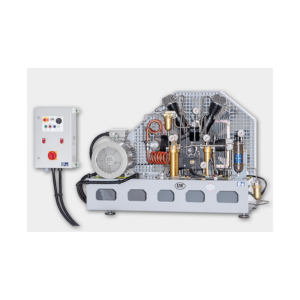
stationary compressors
Showing 10–10 of 10 results
Stationary compressors offer numerous advantages for various industrial applications, including consistent performance and reliability. These compressors are designed to operate continuously, making them ideal for businesses that require a steady supply of compressed air for tasks such as powering pneumatic tools, painting, or operating machinery.
In addition to their reliability, stationary compressors often come with energy-efficient options that can help reduce operational costs over time. For instance, modern models may feature variable speed drives that adjust the motor's speed based on demand, which can significantly lower energy consumption compared to traditional fixed-speed compressors.
Stationary compressors are versatile machines used across a multitude of industries. They are commonly employed in sectors like manufacturing, automotive, and healthcare, where they provide compressed air for various applications, including assembly lines, spray painting, and medical equipment operation.
For example, in the medical field, stationary compressors are essential for supplying breathing air in hospitals and clinics, ensuring patients receive the necessary support during procedures. Similarly, in the firefighting industry, these compressors are crucial for filling air tanks used by firefighters, enhancing safety and operational efficiency.
Selecting the appropriate stationary compressor involves considering several factors, including the required pressure, airflow rate, and specific application needs. It's essential to assess the workload and environment to ensure that the chosen model can meet operational demands effectively.
Additionally, potential buyers should evaluate features such as noise levels, energy efficiency ratings, and maintenance requirements. For instance, a quieter model may be preferable for indoor use, while energy-efficient units can lead to significant savings in electricity costs over time.
Regular maintenance is crucial for ensuring the longevity and efficiency of stationary compressors. Basic upkeep includes checking oil levels, replacing air filters, and inspecting hoses for wear and tear. These practices help prevent breakdowns and maintain optimal performance.
Moreover, scheduling professional inspections can identify potential issues before they escalate, allowing for timely repairs and minimizing downtime. Keeping a maintenance log can also aid in tracking service intervals and ensuring compliance with manufacturer recommendations.
Stationary compressors offer numerous advantages for various industrial applications, including consistent performance and reliability. These compressors are designed to operate continuously, making them ideal for businesses that require a steady supply of compressed air for tasks such as powering pneumatic tools, painting, or operating machinery.
In addition to their reliability, stationary compressors often come with energy-efficient options that can help reduce operational costs over time. For instance, modern models may feature variable speed drives that adjust the motor's speed based on demand, which can significantly lower energy consumption compared to traditional fixed-speed compressors.
Stationary compressors are versatile machines used across a multitude of industries. They are commonly employed in sectors like manufacturing, automotive, and healthcare, where they provide compressed air for various applications, including assembly lines, spray painting, and medical equipment operation.
For example, in the medical field, stationary compressors are essential for supplying breathing air in hospitals and clinics, ensuring patients receive the necessary support during procedures. Similarly, in the firefighting industry, these compressors are crucial for filling air tanks used by firefighters, enhancing safety and operational efficiency.
Selecting the appropriate stationary compressor involves considering several factors, including the required pressure, airflow rate, and specific application needs. It's essential to assess the workload and environment to ensure that the chosen model can meet operational demands effectively.
Additionally, potential buyers should evaluate features such as noise levels, energy efficiency ratings, and maintenance requirements. For instance, a quieter model may be preferable for indoor use, while energy-efficient units can lead to significant savings in electricity costs over time.
Regular maintenance is crucial for ensuring the longevity and efficiency of stationary compressors. Basic upkeep includes checking oil levels, replacing air filters, and inspecting hoses for wear and tear. These practices help prevent breakdowns and maintain optimal performance.
Moreover, scheduling professional inspections can identify potential issues before they escalate, allowing for timely repairs and minimizing downtime. Keeping a maintenance log can also aid in tracking service intervals and ensuring compliance with manufacturer recommendations.