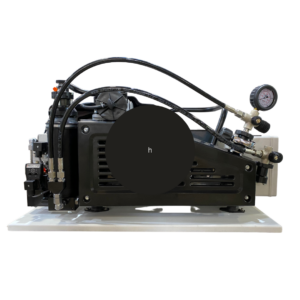
Nitrox generators offer several advantages for divers, including extended bottom time and reduced nitrogen absorption, which can lead to a safer and more enjoyable diving experience. By using a Nitrox mix, divers can minimize the risks associated with decompression sickness.
For instance, Nitrox allows divers to stay underwater longer without the need for a decompression stop, making it ideal for recreational and technical diving. Additionally, the use of Nitrox can enhance overall dive safety, providing an edge in avoiding nitrogen narcosis, especially at greater depths.
Selecting the appropriate Nitrox generator is crucial for ensuring optimal performance and safety during diving operations. Factors to consider include the generator's capacity, the type of diving activities, and specific user requirements.
For example, if you are involved in commercial diving or frequently operate in varying conditions, a generator with higher output and reliability is essential. It's also important to consider features such as ease of use, maintenance needs, and compatibility with existing diving equipment to ensure a seamless integration into your diving setup.
Regular maintenance of Nitrox generators is vital for ensuring their longevity and safe operation. Proper care can prevent costly repairs and downtime, allowing divers to rely on their equipment during critical moments.
Key maintenance practices include routine inspections, checking for leaks, and ensuring that all components are functioning correctly. Additionally, keeping the generator clean and free from contaminants will help maintain its efficiency and performance over time.
Nitrox generators are widely used in various diving applications, from recreational to commercial and scientific diving. Their versatility makes them a preferred choice for many diving professionals and enthusiasts.
For example, in recreational diving, Nitrox generators enhance the overall experience by allowing longer dives with reduced risk. In commercial settings, they provide the necessary gas mixtures for deep-sea exploration and underwater construction, showcasing their critical role in the diving industry.
Nitrox generators offer several advantages for divers, including extended bottom time and reduced nitrogen absorption, which can lead to a safer and more enjoyable diving experience. By using a Nitrox mix, divers can minimize the risks associated with decompression sickness.
For instance, Nitrox allows divers to stay underwater longer without the need for a decompression stop, making it ideal for recreational and technical diving. Additionally, the use of Nitrox can enhance overall dive safety, providing an edge in avoiding nitrogen narcosis, especially at greater depths.
Selecting the appropriate Nitrox generator is crucial for ensuring optimal performance and safety during diving operations. Factors to consider include the generator's capacity, the type of diving activities, and specific user requirements.
For example, if you are involved in commercial diving or frequently operate in varying conditions, a generator with higher output and reliability is essential. It's also important to consider features such as ease of use, maintenance needs, and compatibility with existing diving equipment to ensure a seamless integration into your diving setup.
Regular maintenance of Nitrox generators is vital for ensuring their longevity and safe operation. Proper care can prevent costly repairs and downtime, allowing divers to rely on their equipment during critical moments.
Key maintenance practices include routine inspections, checking for leaks, and ensuring that all components are functioning correctly. Additionally, keeping the generator clean and free from contaminants will help maintain its efficiency and performance over time.
Nitrox generators are widely used in various diving applications, from recreational to commercial and scientific diving. Their versatility makes them a preferred choice for many diving professionals and enthusiasts.
For example, in recreational diving, Nitrox generators enhance the overall experience by allowing longer dives with reduced risk. In commercial settings, they provide the necessary gas mixtures for deep-sea exploration and underwater construction, showcasing their critical role in the diving industry.