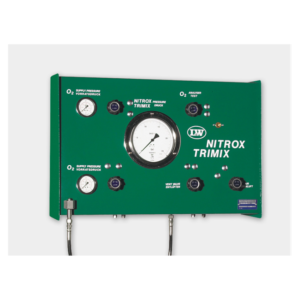
Overview of Gas Blending Technology
Gas blending technology is essential for various applications, including diving, medical, and industrial uses. This technology allows for precise control over gas mixtures, ensuring safety and efficiency in operations.
For instance, in diving, proper gas blending is crucial for preventing nitrogen narcosis and managing oxygen toxicity. In medical settings, accurate gas mixtures are vital for patient care, particularly in anesthesia and respiratory therapies.
Applications of Gas Blending Panels
Gas blending panels are utilized across multiple industries, providing tailored solutions for specific needs. These panels are designed to mix gases in controlled environments, catering to applications such as scuba diving, medical facilities, and industrial processes.
For example, in the diving industry, gas blending panels are used to create Nitrox mixtures, enhancing dive safety and performance. Similarly, in medical applications, these panels ensure the correct gas ratios for anesthesia delivery systems.
Benefits of Using LW Americas Gas Blending Panels
LW Americas gas blending panels are designed with user-friendly features and high-quality materials, offering several advantages over competitors. These panels ensure reliable performance, accuracy, and ease of use, making them a preferred choice for professionals.
Additionally, LW Americas provides comprehensive support and resources for their gas blending solutions, including installation guidance and maintenance tips, which further enhance the user experience and product longevity.
Choosing the Right Gas Blending Panel
Selecting the appropriate gas blending panel is critical for achieving optimal performance in your specific application. Factors to consider include the types of gases being blended, the required flow rates, and the accuracy needed for your operations.
For instance, a commercial diving operation may require a panel that can handle high flow rates and precise gas mixtures, while a medical facility might prioritize compact designs and ease of integration with existing equipment. Evaluating these factors will help ensure you select the best panel for your needs.