+1 954-462-5571info@lwamericas.com

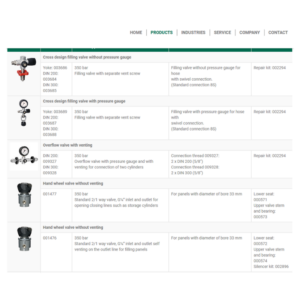
Filling valves are essential components used in various industries, particularly for filling gas cylinders and tanks. They ensure the safe and efficient transfer of gases, such as air, nitrox, and trimix, into storage vessels.
These valves are designed to withstand high pressures and are often made from durable materials to ensure reliability. In the diving industry, for example, filling valves are crucial for maintaining the integrity of gas mixtures used in scuba diving, ensuring safety and performance underwater.
Filling valves find applications across several industries, including diving, maritime, and industrial gas sectors. Their versatility allows them to be used in various filling processes, from recreational diving tanks to large-scale industrial gas storage.
For instance, in the maritime industry, filling valves are used to refill compressed air systems on submarines and surface vessels, highlighting their importance in maintaining operational readiness. Additionally, they are integral in the production of breathing air for commercial divers, ensuring purity and safety.
Selecting the appropriate filling valve involves considering factors such as pressure ratings, compatibility with gas types, and specific application needs. Users should assess their requirements to ensure they choose a valve that meets safety and performance standards.
For example, a filling valve designed for high-pressure applications may not be suitable for low-pressure environments. It's essential for users to consult with manufacturers or experts to determine the best options for their specific use cases.
Regular maintenance of filling valves is crucial to ensure their longevity and reliability. This includes routine inspections, cleaning, and timely replacements of worn-out components to prevent leaks and malfunctions.
Users should follow the manufacturer's guidelines for maintenance schedules and procedures. Proper care can extend the life of filling valves and enhance safety, particularly in high-stakes environments like diving and industrial applications.
Filling valves are essential components used in various industries, particularly for filling gas cylinders and tanks. They ensure the safe and efficient transfer of gases, such as air, nitrox, and trimix, into storage vessels.
These valves are designed to withstand high pressures and are often made from durable materials to ensure reliability. In the diving industry, for example, filling valves are crucial for maintaining the integrity of gas mixtures used in scuba diving, ensuring safety and performance underwater.
Filling valves find applications across several industries, including diving, maritime, and industrial gas sectors. Their versatility allows them to be used in various filling processes, from recreational diving tanks to large-scale industrial gas storage.
For instance, in the maritime industry, filling valves are used to refill compressed air systems on submarines and surface vessels, highlighting their importance in maintaining operational readiness. Additionally, they are integral in the production of breathing air for commercial divers, ensuring purity and safety.
Selecting the appropriate filling valve involves considering factors such as pressure ratings, compatibility with gas types, and specific application needs. Users should assess their requirements to ensure they choose a valve that meets safety and performance standards.
For example, a filling valve designed for high-pressure applications may not be suitable for low-pressure environments. It's essential for users to consult with manufacturers or experts to determine the best options for their specific use cases.
Regular maintenance of filling valves is crucial to ensure their longevity and reliability. This includes routine inspections, cleaning, and timely replacements of worn-out components to prevent leaks and malfunctions.
Users should follow the manufacturer's guidelines for maintenance schedules and procedures. Proper care can extend the life of filling valves and enhance safety, particularly in high-stakes environments like diving and industrial applications.