Understanding Filling Devices
Filling devices play a crucial role in various industries by ensuring the safe and efficient transfer of gases and liquids. These devices are designed to meet specific application requirements, whether in medical, industrial, or recreational sectors.
For example, in the diving industry, filling devices are essential for filling tanks with breathable gases, while in medical applications, they are used for precise gas delivery to patients. Understanding the functionality and specifications of these devices can help users select the right product for their needs.
Key Features of LW Americas Filling Devices
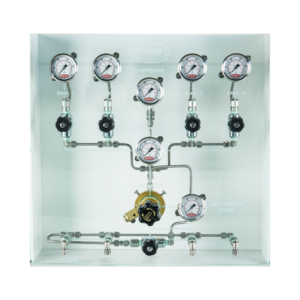
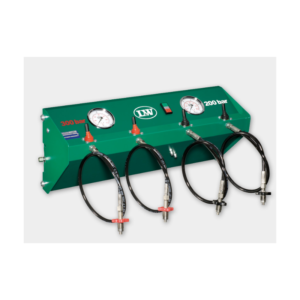
LW Americas offers a range of filling devices that come with innovative features tailored for safety and efficiency. Each product is designed with user-friendly interfaces and robust safety mechanisms to ensure reliable operation.
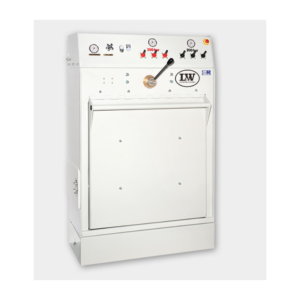
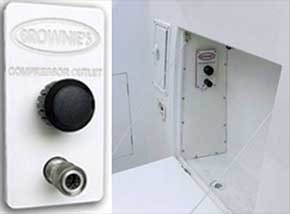
For instance, the Armored Safety Filling Cabinets are equipped with advanced safety features that protect users from potential hazards during operation. Additionally, the Brownie’s Fill Panels are designed for quick and straightforward filling processes, making them ideal for both professional and recreational use.
Applications of Filling Devices Across Industries
The versatility of filling devices allows them to be utilized across multiple sectors, including diving, medical, and industrial applications. Each industry has unique requirements that these devices must fulfill to ensure optimal performance.
In the medical field, filling devices are essential for the safe transfer of gases used in anesthesia, while in industrial settings, they help in managing the filling of various gas cylinders. By understanding the specific applications, users can make informed decisions about which filling device best suits their needs.
Maintenance and Safety Tips for Filling Devices
Proper maintenance and safety practices are vital for ensuring the longevity and reliability of filling devices. Regular inspections and adherence to safety protocols can prevent accidents and equipment failures.
Users should regularly check for leaks, ensure that safety valves are functioning correctly, and follow the manufacturer's guidelines for maintenance. Additionally, training staff on safe operating procedures can significantly reduce the risk of mishaps during filling operations.