Benefits of Compact Compressors
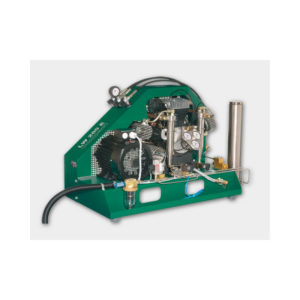
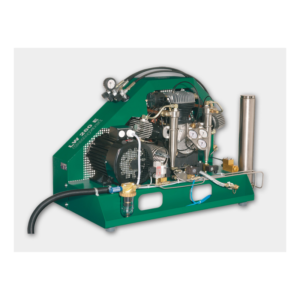
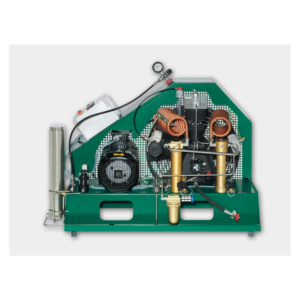
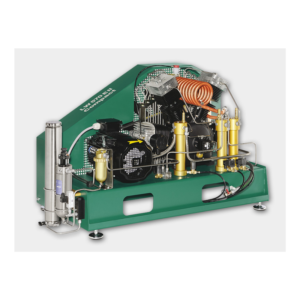
Compact compressors offer numerous advantages, making them a popular choice for various applications. Their smaller size allows for portability, enabling users to easily transport them for on-site work or recreational activities such as diving.
In addition to portability, compact compressors are designed to deliver high performance despite their size. They are often energy-efficient, consuming less power while providing sufficient pressure for tasks like filling scuba tanks or powering pneumatic tools, thus saving users both energy and costs.
Applications of Compact Compressors
Compact compressors are versatile tools used across multiple industries. They are commonly employed in diving operations, where they efficiently fill tanks with high-pressure air, ensuring safety and reliability for divers.
Beyond recreational use, these compressors are also essential in industrial settings, powering pneumatic tools and equipment. Their ability to maintain consistent pressure levels makes them ideal for manufacturing processes, construction sites, and automotive services, showcasing their broad applicability.
Choosing the Right Compact Compressor
Selecting the appropriate compact compressor depends on specific needs and applications. Factors such as pressure requirements, tank size, and portability should be considered to ensure optimal performance.
For instance, users engaged in diving may prioritize models with higher pressure capabilities, while those needing compressors for light industrial tasks might focus on energy efficiency and ease of transport. Understanding these requirements helps users make informed purchasing decisions tailored to their unique situations.
Maintenance Tips for Compact Compressors
Regular maintenance is crucial for ensuring the longevity and efficiency of compact compressors. Users should routinely check oil levels, clean air filters, and inspect hoses for wear and tear to prevent operational issues.
Additionally, following manufacturer guidelines for servicing and storage can enhance performance. Keeping the compressor in a dry place and avoiding exposure to extreme temperatures can significantly extend its lifespan, ensuring reliable service over time.