+1 954-462-5571
info@lwamericas.com

Commercial compressors are essential devices used across various industries for compressing gases and powering equipment. They play a crucial role in applications such as refrigeration, air conditioning, and even medical facilities where precise air pressure is required.
Different types of commercial compressors, including rotary screw, reciprocating, and centrifugal compressors, cater to specific needs. For instance, rotary screw compressors are favored for their efficiency in continuous operation, while reciprocating compressors are often used in smaller applications due to their compact size.
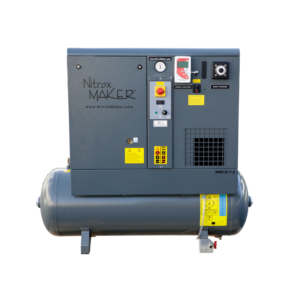
The NMCS 7.5 AC Standard Duty model stands out due to its robust design and reliability in demanding environments. It is engineered to deliver consistent performance while ensuring energy efficiency, making it a popular choice among businesses seeking cost-effective solutions.
This model includes features such as adjustable pressure settings, low noise operation, and ease of maintenance, which enhance its usability in various commercial settings. Additionally, its compatibility with multiple accessories allows for customization based on specific operational requirements.
Commercial compressors serve a wide array of industries, including healthcare, automotive, and food processing. In the healthcare sector, for example, they are vital for supplying medical air and powering surgical tools, ensuring patient safety and operational efficiency.
In the automotive industry, these compressors are used for various applications, from powering pneumatic tools to providing air for paint sprayers. The food processing industry also relies on compressors for refrigeration and packaging, highlighting their versatility across different sectors.
Selecting the right compressor involves assessing your specific application requirements, including pressure needs, airflow capacity, and environmental conditions. Understanding these factors will help you determine the most suitable compressor type and model for your operations.
Additionally, consider energy efficiency ratings and maintenance requirements, as these factors can significantly impact long-term operational costs. Consulting with industry experts or manufacturers can provide valuable insights to ensure you make an informed decision.