breathing air monitoring
Showing all 6 results

Showing all 6 results
Breathing air monitoring is essential for ensuring the safety and health of individuals in various high-risk environments. By regularly assessing the quality of breathing air, industries such as firefighting and diving can prevent serious health issues caused by contaminants and inadequate oxygen levels.
For example, in the diving industry, monitoring systems can detect harmful gases like carbon monoxide and carbon dioxide, ensuring that divers are breathing safe air during their underwater adventures. Similarly, firefighters rely on these systems to maintain air quality while battling blazes, which can expose them to hazardous conditions.
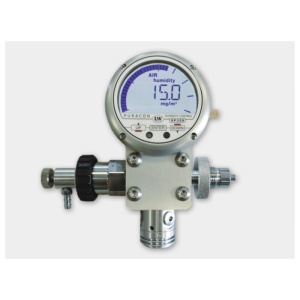
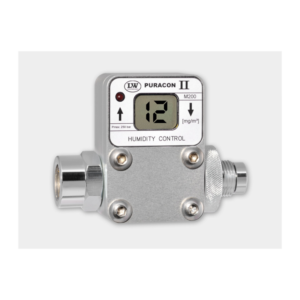
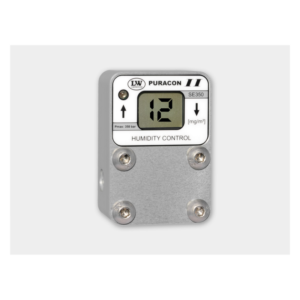
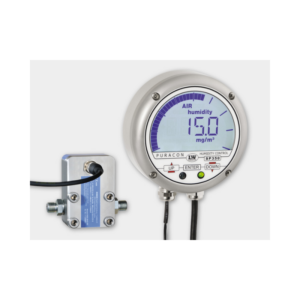
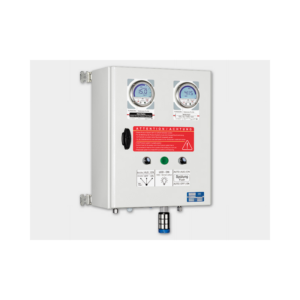
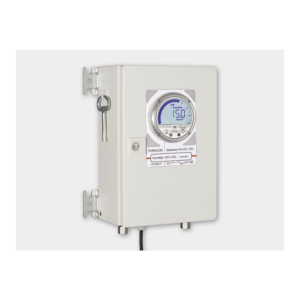
Puracon systems are designed to cater to a wide range of applications, making them versatile tools for various industries. These systems provide real-time monitoring and analysis, ensuring that users maintain optimal air quality in their respective fields.
For instance, Puracon Mobile units are ideal for on-the-go applications, such as emergency response scenarios, while Puracon Stationary models are perfect for fixed installations in facilities like hospitals and dive shops. Each model is tailored to meet specific needs, ensuring comprehensive coverage of breathing air monitoring requirements.
Selecting the appropriate breathing air monitoring system can greatly impact safety and operational efficiency. Users should consider factors such as the environment in which the system will be used, the specific contaminants they need to monitor, and the system's ease of use.
For example, a diving operation may prioritize portability and battery life in their selection, while a medical facility might focus on the system's ability to detect a wider range of gases. Understanding these needs ensures that the right system is chosen for the job, enhancing safety and compliance with industry standards.
Regular maintenance and calibration of breathing air monitoring systems are crucial for their accurate performance. Ensuring that these systems are functioning correctly not only protects users but also prolongs the lifespan of the equipment.
Routine checks should include verifying sensor accuracy, replacing filters, and updating software as needed. For example, a diving company may implement a monthly maintenance schedule to ensure their Puracon systems are always ready for use, minimizing the risk of equipment failure during critical operations.
Breathing air monitoring is essential for ensuring the safety and health of individuals in various high-risk environments. By regularly assessing the quality of breathing air, industries such as firefighting and diving can prevent serious health issues caused by contaminants and inadequate oxygen levels.
For example, in the diving industry, monitoring systems can detect harmful gases like carbon monoxide and carbon dioxide, ensuring that divers are breathing safe air during their underwater adventures. Similarly, firefighters rely on these systems to maintain air quality while battling blazes, which can expose them to hazardous conditions.
Puracon systems are designed to cater to a wide range of applications, making them versatile tools for various industries. These systems provide real-time monitoring and analysis, ensuring that users maintain optimal air quality in their respective fields.
For instance, Puracon Mobile units are ideal for on-the-go applications, such as emergency response scenarios, while Puracon Stationary models are perfect for fixed installations in facilities like hospitals and dive shops. Each model is tailored to meet specific needs, ensuring comprehensive coverage of breathing air monitoring requirements.
Selecting the appropriate breathing air monitoring system can greatly impact safety and operational efficiency. Users should consider factors such as the environment in which the system will be used, the specific contaminants they need to monitor, and the system's ease of use.
For example, a diving operation may prioritize portability and battery life in their selection, while a medical facility might focus on the system's ability to detect a wider range of gases. Understanding these needs ensures that the right system is chosen for the job, enhancing safety and compliance with industry standards.
Regular maintenance and calibration of breathing air monitoring systems are crucial for their accurate performance. Ensuring that these systems are functioning correctly not only protects users but also prolongs the lifespan of the equipment.
Routine checks should include verifying sensor accuracy, replacing filters, and updating software as needed. For example, a diving company may implement a monthly maintenance schedule to ensure their Puracon systems are always ready for use, minimizing the risk of equipment failure during critical operations.