+1 954-462-5571
info@lwamericas.com

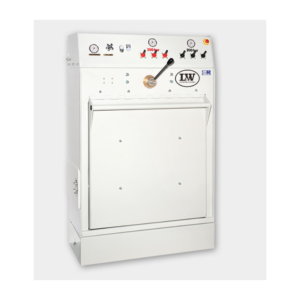
Armored safety filling cabinets are designed to provide secure storage for compressed gases, ensuring safety and compliance with industry regulations. These cabinets are constructed with robust materials that can withstand external impacts, making them ideal for environments where safety is paramount.
In addition to their durable construction, these cabinets often come equipped with features such as adjustable shelves, ventilation systems, and locking mechanisms. For example, some models include integrated alarms that alert users to unauthorized access, enhancing security further.
Utilizing armored safety filling cabinets offers numerous benefits, including improved safety for employees and reduced risk of accidents related to gas storage. By providing a designated area for compressed gases, these cabinets help prevent leaks and spills, which can be hazardous in various industrial settings.
Moreover, these cabinets facilitate compliance with OSHA and NFPA regulations, ensuring that businesses meet safety standards. Companies that implement these storage solutions often see a decrease in insurance premiums due to the reduced risk of incidents, further underscoring their value.
Selecting the appropriate armored safety filling cabinet involves considering several factors, such as the type and quantity of gases to be stored, the available space, and specific safety requirements. It's essential to assess the cabinet's size and configuration to ensure it meets your operational needs.
Additionally, reviewing features like fire resistance ratings, customizable shelving options, and ease of access can help in making an informed decision. Consulting with safety equipment professionals can also provide insights into the best practices for choosing the right cabinet for your specific applications.
Proper maintenance of armored safety filling cabinets is crucial for ensuring their longevity and effectiveness in protecting stored gases. Regular inspections should be conducted to check for any signs of wear, damage, or corrosion, which can compromise the cabinet's integrity.
In addition to visual inspections, it is advisable to clean the cabinets periodically and ensure that all locking mechanisms function correctly. Keeping detailed maintenance logs can also help track any issues and ensure compliance with safety regulations over time.