+1 954-462-5571info@lwamericas.com

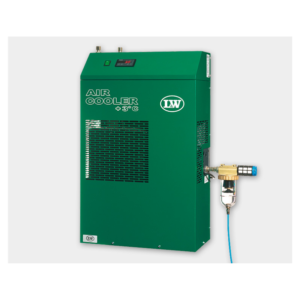
Air coolers are an efficient and cost-effective solution for maintaining comfortable temperatures in various environments. They utilize the natural process of evaporation to cool air, making them an environmentally friendly alternative to traditional air conditioning systems.
In addition to energy savings, air coolers are often portable and easy to install, allowing for flexible use in homes, offices, and outdoor spaces. Their low maintenance requirements and ability to improve air quality by adding moisture to the air further enhance their appeal across different industries.
Air cooling systems are versatile and can be applied in a wide range of settings, from industrial environments to residential areas. They are particularly beneficial in spaces where traditional cooling methods may be impractical or too costly.
For instance, air coolers are commonly used in warehouses to keep products from overheating, in outdoor events to ensure guest comfort, and in homes to provide a refreshing breeze during hot summer months. Their adaptability makes them a popular choice for various industries, including food and beverage, manufacturing, and hospitality.
Selecting the right air cooler involves considering several factors, including the size of the space, climate conditions, and specific cooling needs. Understanding these elements can help users make informed decisions that optimize performance and efficiency.
For example, larger areas may require more powerful units or multiple coolers, while smaller spaces could benefit from compact models. Additionally, features such as energy efficiency ratings, water tank capacity, and portability should also be evaluated to ensure the best fit for individual requirements.
Regular maintenance is essential to ensure the longevity and efficiency of air coolers. Simple tasks such as cleaning the water tank, checking the fan and pump, and replacing filters can significantly enhance performance and air quality.
Users should also monitor water levels and ensure that the unit is placed in a well-ventilated area to maximize cooling efficiency. Following manufacturer guidelines for maintenance can prevent issues and extend the lifespan of the air cooler, ensuring reliable operation throughout its use.
Air coolers are an efficient and cost-effective solution for maintaining comfortable temperatures in various environments. They utilize the natural process of evaporation to cool air, making them an environmentally friendly alternative to traditional air conditioning systems.
In addition to energy savings, air coolers are often portable and easy to install, allowing for flexible use in homes, offices, and outdoor spaces. Their low maintenance requirements and ability to improve air quality by adding moisture to the air further enhance their appeal across different industries.
Air cooling systems are versatile and can be applied in a wide range of settings, from industrial environments to residential areas. They are particularly beneficial in spaces where traditional cooling methods may be impractical or too costly.
For instance, air coolers are commonly used in warehouses to keep products from overheating, in outdoor events to ensure guest comfort, and in homes to provide a refreshing breeze during hot summer months. Their adaptability makes them a popular choice for various industries, including food and beverage, manufacturing, and hospitality.
Selecting the right air cooler involves considering several factors, including the size of the space, climate conditions, and specific cooling needs. Understanding these elements can help users make informed decisions that optimize performance and efficiency.
For example, larger areas may require more powerful units or multiple coolers, while smaller spaces could benefit from compact models. Additionally, features such as energy efficiency ratings, water tank capacity, and portability should also be evaluated to ensure the best fit for individual requirements.
Regular maintenance is essential to ensure the longevity and efficiency of air coolers. Simple tasks such as cleaning the water tank, checking the fan and pump, and replacing filters can significantly enhance performance and air quality.
Users should also monitor water levels and ensure that the unit is placed in a well-ventilated area to maximize cooling efficiency. Following manufacturer guidelines for maintenance can prevent issues and extend the lifespan of the air cooler, ensuring reliable operation throughout its use.