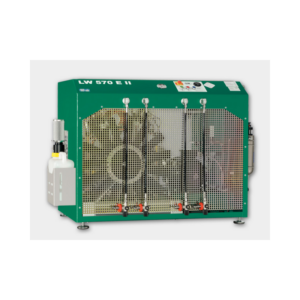
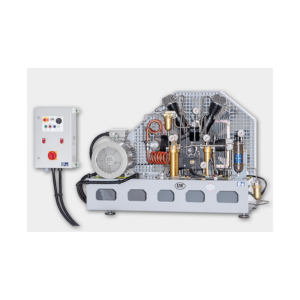
LW Americas: Stationary Compressors for Air & Gas Solutions
Showing 10–11 of 11 results
Stationary compressors offer several advantages for industrial applications, including high efficiency and reliability. These compressors are designed to operate continuously, making them ideal for environments that require a constant air supply, such as diving operations and firefighting.
For instance, stationary compressors can maintain steady pressure levels, which is crucial for applications like filling SCUBA tanks or supplying air for firefighting equipment. Their robust construction also allows them to withstand demanding conditions, ensuring long-term performance and reduced maintenance costs.
Stationary compressors are widely used across various industries, providing essential air and gas solutions. They are particularly valuable in sectors like diving, fire safety, and manufacturing, where a reliable air supply is critical for operations.
For example, in the diving industry, stationary compressors are used to fill tanks with compressed air, enabling safe underwater exploration. Similarly, in firefighting, these compressors supply air for breathing apparatus, ensuring that firefighters can operate effectively in hazardous environments.
Selecting the right stationary compressor involves considering several factors, including capacity, pressure requirements, and specific application needs. Users should assess their operational demands to ensure they choose a compressor that meets their performance criteria.
For instance, if a company requires a compressor for high-demand applications such as filling multiple tanks simultaneously, a model with a higher capacity and output pressure will be necessary. Consulting with experts or reviewing product specifications can help in making an informed decision.
Regular maintenance is crucial for ensuring the longevity and efficiency of stationary compressors. Users should follow a routine maintenance schedule that includes checking oil levels, replacing filters, and inspecting hoses for wear and tear.
Additionally, keeping the compressor clean and free from dust and debris can prevent overheating and mechanical failures. Implementing these maintenance practices not only extends the life of the compressor but also enhances its performance, ensuring reliable operation in critical applications.