Features of Mobile Compressors
Mobile compressors from LW Americas are designed with a variety of features that cater to different industrial needs. These features include portability, ease of operation, and energy efficiency, making them suitable for a range of applications, from construction sites to emergency services.
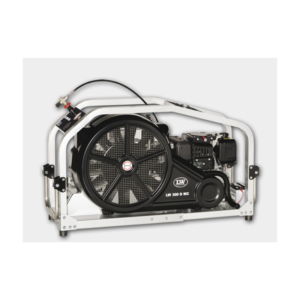
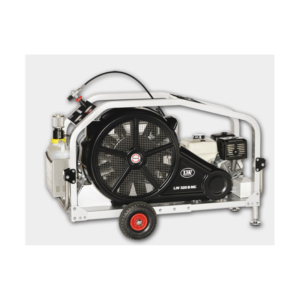
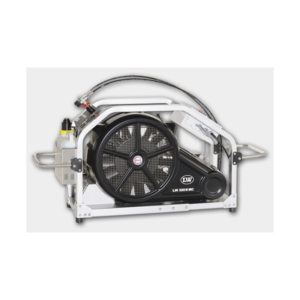
For instance, the LW 320 E MC model offers a compact design that allows for easy transportation while maintaining high performance. Additionally, these compressors often come equipped with advanced technologies such as automatic pressure regulation and noise reduction systems, enhancing their usability in sensitive environments.
Applications of Mobile Compressors
Mobile compressors are versatile tools used across various industries, including construction, manufacturing, and diving. Their ability to provide compressed air on-demand makes them essential for tasks such as powering pneumatic tools, inflating equipment, and supplying breathing air for divers.
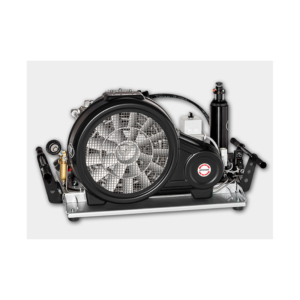
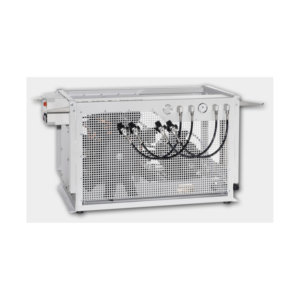
For example, in the construction industry, mobile compressors are vital for operating jackhammers and nail guns, significantly improving productivity. In the diving sector, models like the LW 320 B AL Nautic are specifically designed to meet the rigorous demands of underwater breathing applications, ensuring safety and reliability.
Maintenance Tips for Mobile Compressors
Proper maintenance is crucial for ensuring the longevity and efficiency of mobile compressors. Regular checks on oil levels, air filters, and pressure gauges can prevent breakdowns and costly repairs. Users should also keep the compressor clean and free from debris to maintain optimal performance.
Additionally, scheduling professional servicing at recommended intervals can help identify potential issues before they escalate. For instance, changing the oil and filters regularly can enhance the compressor's performance and extend its operational life, ensuring that it remains a reliable tool for users.
Choosing the Right Mobile Compressor
Selecting the right mobile compressor involves understanding the specific requirements of your application. Factors such as airflow needs, pressure ratings, and portability should be considered to ensure you choose a model that meets your operational demands.
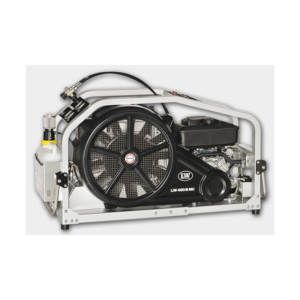
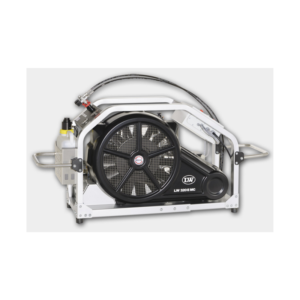
For example, if you require a compressor for light-duty tasks, a smaller model like the LW 250 E MC may suffice. However, for heavy-duty applications, a more robust option like the LW 400 E MC would be more appropriate, providing the necessary power and efficiency to handle demanding jobs.