
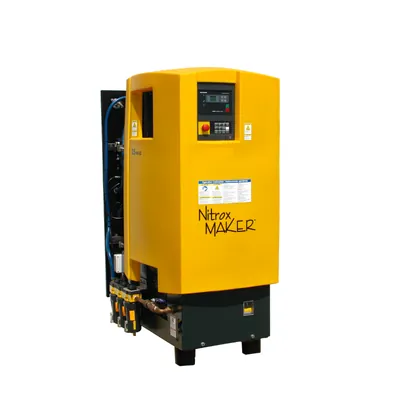
Membrane nitrox systems from LW Americas, a division of Brownie’s Marine Group, Inc., deliver continuous EANx blending sized to the complete air system: low-pressure feed, compatible membrane output, and high-pressure compressor capacity, matched to duty cycle. Correct sizing accounts for required EANx percentage, fill volume, and fill schedule, not membrane input alone. Contact info@lwamericas.com, Davie, Florida, Monday–Friday 8:30am–5:00pm, for system specifications and duty-rated configurations.
Membrane nitrox generation sizes on-demand EANx for high-duty operations by matching semi-permeable membrane output, up to EANx40, to daily fill volume and diver load. LW Americas specifies and integrates continuous blending systems paired with compatible high-pressure compressors. The pairing helps liveaboard fleets and resort dive centers maintain consistent oxygen percentages without manual batch mixing delays, provided the finished mix is analyzed and verified before use.
Key Takeaways
- Membrane nitrox systems produce enriched air mixtures up to 40% oxygen content, with the specific percentage governed by the dive program’s oxygen exposure limits and dive plans.
- LW Americas sizes on-demand EANx systems around the complete air path: required EANx percentage, fill volume and schedule, compatible membrane output, low-pressure feed, and high-pressure compressor capacity.
- Continuous blending technology reduces manual batch-mixing intervention, supporting more consistent fill operations for high-duty diving programs.
- The final cylinder mix must always be analyzed and verified before use, regardless of how it was blended.
- Our nitrox generation systems support dive shops, boats, liveaboards, resorts, and commercial diving programs.
Why Does Membrane Nitrox Matter For High-Duty Fleets?
Reliable oxygen enrichment separates a functioning fleet from a grounded one. High-duty diving programs depend on enriched air to extend bottom time and shorten surface intervals across multiple daily rotations. A nitrox compressor paired with membrane technology delivers that enrichment without relying on batch mixing or delayed cylinder turnaround.
At the core of this capability sits the membrane nitrox generator. It uses a semi-permeable membrane to separate oxygen from nitrogen, producing enriched air nitrox on demand rather than through stored premixed batches. Dive operations depend on this separation process specifically to raise the oxygen content of the breathing gas supplied to divers, which directly affects dive planning and no-decompression limits.
How Much Nitrox Can A Fleet Realistically Produce?
Membrane systems operate up to 40 percent nitrox output, giving operators flexibility across a range of recreational dive profiles. The oxygen exposure limits and dive plan for a given operation, not the membrane’s maximum output, determine which percentage within that range is appropriate for a specific dive. Whatever percentage a system produces, the finished mix in each cylinder must be analyzed and verified before it is used.
What Vessel Types Benefit Most From On-Demand Nitrox?
Configurations exist for:
- Dive shops and shore-based training centers
- Dive boats and day-charter operations
- Liveaboards and expedition vessels
- Yachts and private charter fleets
- Resorts and commercial diving programs
Each configuration sizes to the operation’s existing high-pressure compressor and daily filling volume. This scalability supports continuous gas blending and reliable nitrox diving equipment performance, regardless of fleet size or duty cycle. LW Americas configures and ships these systems to high-duty operations wherever consistent enriched-air output is required.
How Do You Size A Membrane Nitrox Generator?
Correct sizing starts with the required EANx percentage, fill volume, and fill schedule for the operation, not with membrane capacity alone. The membrane’s rated output sets the total volume of nitrox a continuous-duty system delivers, but high-duty operations, including liveaboard fleets and resort filling stations, cannot size a system on membrane nameplate output by itself. The membrane vents nitrogen as waste, so it must be fed conditioned, low-pressure air at a rate considerably higher than the finished nitrox volume leaving the unit. High-pressure storage does not feed the membrane; it receives the finished mixture downstream, after blending.
That low-pressure air supply, not the compressor’s horsepower rating in isolation, is a deciding factor in sizing. It determines the size of the low-pressure compressor feeding the membrane and, together with the required EANx percentage and daily fill demand, the size of the high-pressure compressor that fills cylinders or storage from the membrane’s output. Air demand at the low-pressure feed rises as the target oxygen percentage climbs, so the complete system, low-pressure feed, membrane, and high-pressure compressor, must be sized together around the operation’s actual EANx and volume requirements.
What Determines Whether Membrane Technology Fits A Fleet’s Duty Cycle?
Membrane technology suits high-volume, high-duty nitrox production because it separates nitrogen from ambient air continuously rather than in discrete batches. A membrane nitrox generator conditions and separates compressed air into an oxygen-enriched stream feeding a compatible high-pressure compressor. For operators sizing a system, three questions matter most:
- What nitrox percentage does the dive program require?
- How many fill stations run simultaneously?
- What air volume must the compressor supply to the membrane inlet?
Answering these accurately prevents undersized systems from bottlenecking fleet-wide fill schedules.
What Keeps Nitrox Diving Equipment Running Nonstop?
Storage capacity, not compressor speed alone, determines whether a fleet keeps pace with a full dive roster. High-duty operations sites often run multiple boats and back-to-back charters, so fill schedules separate reliable operations from bottlenecked ones. Cascade storage banks stage pre-compressed gas ahead of demand, which helps operators manage peak dive schedules without waiting on a full compressor cycle between fills.
Why does cascade storage matter for high-duty dive operations?
Cascade banks stage pre-compressed gas so operators avoid waiting on compressor cycles between dives. This supports continuous gas blending during back-to-back trips, keeping cylinders ready without downtime between groups.
Gas quality control matters as much as fill speed: every finished cylinder must be analyzed and verified for its actual oxygen content before it is released to a diver.
A membrane nitrox generator separates oxygen from conditioned, low-pressure ambient air; a high-pressure compressor then draws the enriched mixture from the membrane and compresses it into scuba cylinders or storage tanks. Together, storage capacity, blending accuracy, and generator output form the backbone of dependable nitrox diving equipment for demanding vessel schedules, provided every finished mix is verified before use.
FAQ
What oxygen range does membrane nitrox generation produce?
Membrane systems generate enriched air up to 40% oxygen content. The specific percentage suitable for a given dive is governed by the operation’s oxygen exposure limits and dive plan, not by the membrane’s maximum output, and the finished mix in each cylinder must be analyzed and verified before use.
What factor actually determines nitrox system sizing?
Sizing starts with the operation’s required EANx percentage, fill volume, and fill schedule. From there, the low-pressure air feed to the membrane, the membrane’s compatible output, and the high-pressure compressor capacity all have to be matched together, since the membrane vents nitrogen as waste and needs low-pressure air supplied well above the finished nitrox volume it delivers. Air demand at the low-pressure feed rises as the target oxygen percentage climbs, so no single component, including compressor horsepower, determines sizing on its own.
Which operations can use LW Americas’ on-demand nitrox systems?
Configurations serve dive shops, dive boats, liveaboards, yachts, resorts, and commercial diving programs. LW Americas sizes each system to the operation’s existing high-pressure compressor and daily filling volume.
Conclusion
In closing, membrane nitrox generation and continuous blending offer high-duty operations an alternative to strict batch mixing for producing enriched air. Right-sizing a system means matching the low-pressure air feed, membrane output, and high-pressure compressor capacity to the operation’s actual EANx percentage, fill volume, and schedule, not to any single component in isolation. Whatever percentage a system is configured to produce, the oxygen exposure limits and dive plan for the operation govern its use, and every finished cylinder must be analyzed and verified before it reaches a diver. For organizations evaluating their compressed gas infrastructure, sizing the complete system around these operational requirements is the starting point for a reliable installation.