
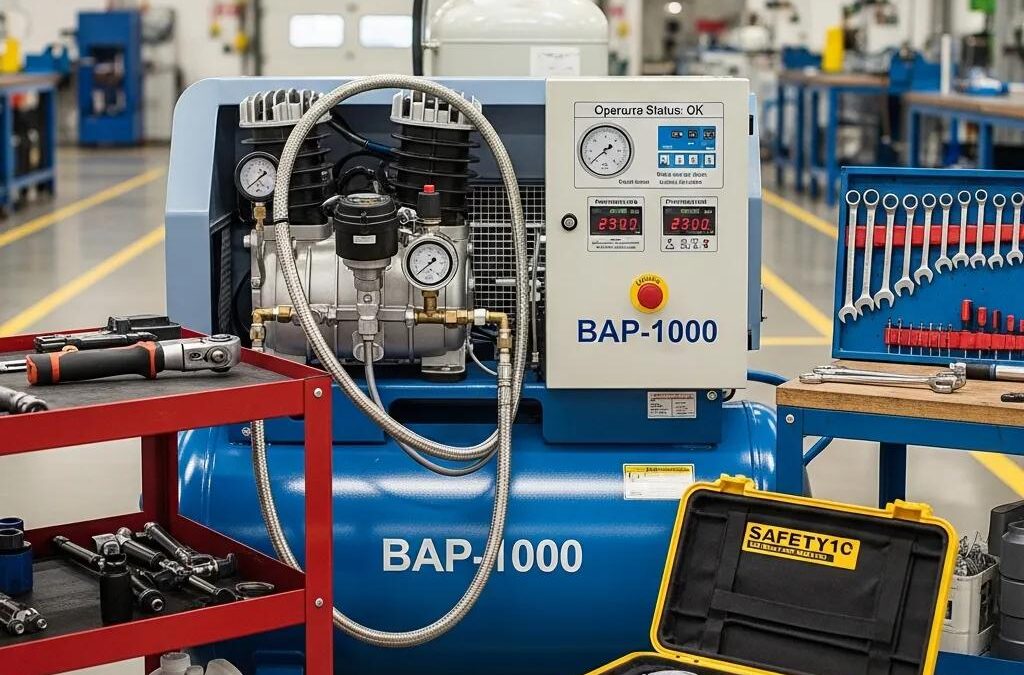
Preventive Maintenance Tips for Breathing Air Compressors: Comprehensive Service Schedules and Safety Guidelines
Breathing air compressors are essential for various applications, including diving, firefighting, and industrial uses where life-support air is required. Proper maintenance is crucial for system performance after choosing the right high-pressure air compressor for your yacht. This article provides comprehensive preventive maintenance tips, focusing on essential service schedules and safety guidelines for breathing air compressors. Readers will learn about routine maintenance tasks, air quality management, lubrication practices, troubleshooting techniques, and industry-specific maintenance needs. By following these guidelines, operators can enhance the reliability and longevity of their compressors, ensuring safe operation in critical environments.
What Are the Essential Routine Maintenance Schedules for Breathing Air Compressors?
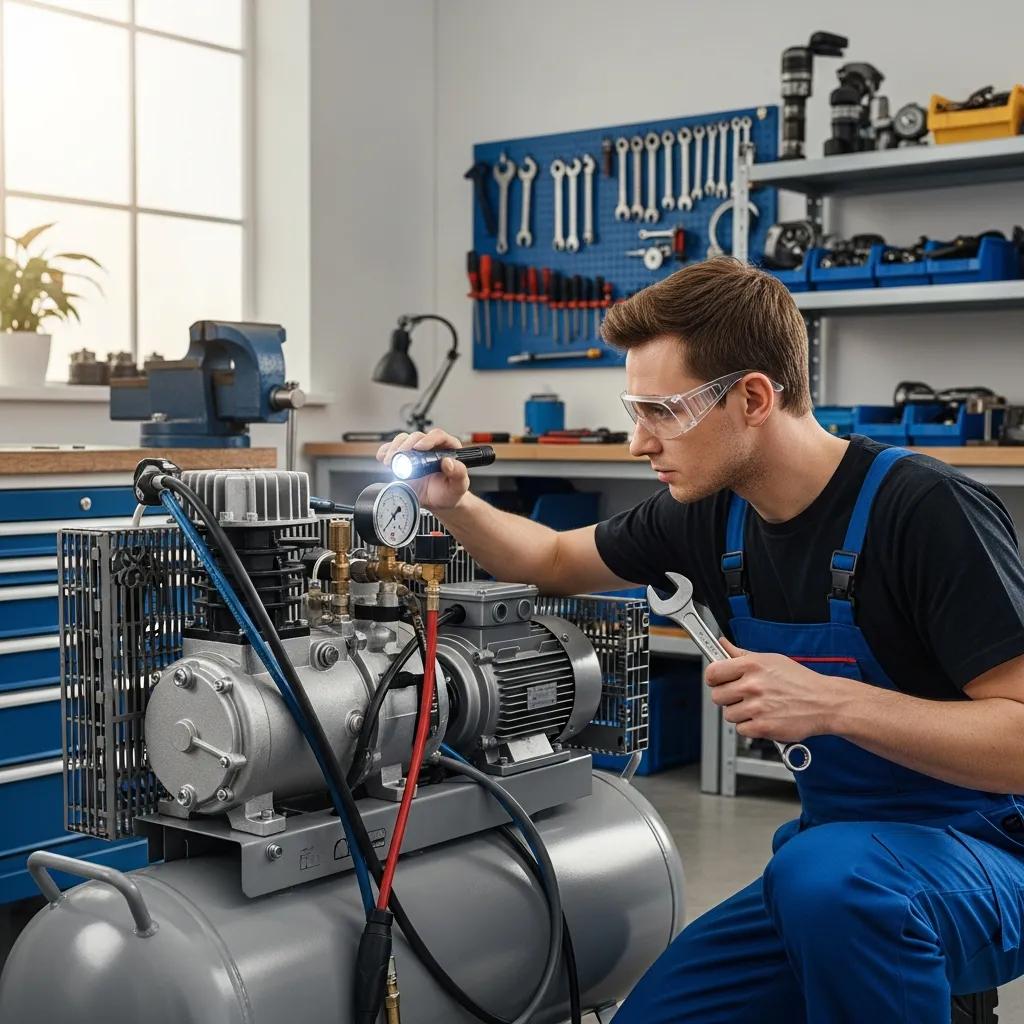
Routine maintenance schedules are vital for the optimal performance of breathing air compressors. Regular checks and services help prevent breakdowns and ensure compliance with safety standards. Operators should adhere to daily, weekly, monthly, quarterly, and annual maintenance tasks to maintain the integrity of the system.
How Often Should You Perform Daily and Weekly Compressor Checks?
Daily and weekly checks are crucial for identifying potential issues before they escalate. Operators should perform the following checks:
- Daily Visual Inspections: Inspect the compressor for any visible leaks, unusual noises, or signs of wear.
- Weekly Operational Checks: Test the compressor’s functionality, including pressure readings and operational efficiency.
These routine checks help ensure that the compressor operates safely and efficiently, reducing the risk of unexpected failures.
What Are the Monthly, Quarterly, and Annual Service Tasks for High-Pressure Compressors?
Monthly, quarterly, and annual service tasks are essential for maintaining high-pressure compressors. These tasks include:
- Monthly Filter Checks or Changes: Replace or inspect air filters to ensure optimal airflow and prevent contamination, *as recommended by the manufacturer and based on operational hours or environmental conditions*.
- Quarterly Oil Checks: Inspect and change compressor oil as needed to maintain lubrication and prevent wear, *following manufacturer guidelines and considering duty cycle*.
- Annual Comprehensive Service: Conduct a thorough inspection and service of the entire system, including pressure tests, filter replacements, and component assessments, *as part of a manufacturer-recommended annual service plan*.
Adhering to these schedules not only enhances performance but also extends the lifespan of the compressor.
How Do You Manage Filtration and Air Quality in Breathing Air Compressor Systems?
To manage filtration and air quality in breathing air compressor systems, it is essential to implement controlled pressure, certified filtration, and adherence to recognized air quality standards. These standards specify limits for total hydrocarbons, carbon monoxide (CO), moisture, and particulates. Additionally, using purification modules and ensuring proper maintenance, such as routine filter changes and inspections, helps maintain air quality and system performance.
When and How Should Breathing Air Compressor Filters Be Replaced?
Breathing air compressor filters should be replaced according to the manufacturer’s guidance and the specific operational schedule, which typically includes intervals based on hours of operation, contamination levels, or environmental factors, *rather than fixed monthly or quarterly rules*. Regular checks should also be performed, such as monitoring differential pressure across filters weekly. Implementing these practices ensures system reliability and compliance with safety standards.
How Do You Ensure Compliance with NFPA, CGA, and BS EN 12021 Air Quality Standards?
Ensuring compliance with air quality standards is critical for safe operation. Operators should:
- Understand Relevant Standards: Familiarize themselves with applicable standards such as **CGA Grade E** and **BS EN 12021** for general breathing air quality, and **NFPA 1989** for firefighting SCBA air quality, recognizing that specific standards apply to different applications.
- Implement Regular Testing: Conduct routine air quality tests *specific to the application’s required standard* to ensure compliance with established limits for contaminants.
- Maintain Documentation: Keep records of air quality tests and maintenance activities to demonstrate compliance during inspections.
By following these steps, operators can ensure that their breathing air systems meet the necessary safety and quality standards.
What Are the Best Practices for Lubrication and Fluid Management in High-Pressure Compressors?
Effective lubrication and fluid management are essential for the longevity and performance of high-pressure compressors. Proper oil selection and maintenance practices can significantly impact the efficiency of the system.
How Often Should Compressor Oil Be Changed and What Types Are Recommended?
Compressor oil should be changed based on the manufacturer’s recommendations, *which can vary significantly depending on the compressor model, duty cycle, and operating environment*, typically every 500 to 1,000 operating hours or as indicated by oil analysis. Recommended oil types include synthetic oils that provide superior lubrication and thermal stability. *Careful selection of appropriate lubricants is crucial for minimizing the potential for hydrocarbon carryover into the breathing air stream.* Regular oil changes help prevent wear and maintain optimal performance.
Breathing Air Compressor Lubricants & Contaminant Standards
Research highlights that the selection and management of lubricants are critical, as they directly impact the potential for contaminants like volatile hydrocarbons in breathing air. Standards for compressed breathing air often specify acceptable contaminant levels and require regular air sampling to ensure safety.
Compressed breathing air–the potential for evil from within, IL Millar, 2008
What Are the Procedures for Effective Condensate Drainage and Fluid Handling?
Effective condensate drainage and fluid handling procedures include:
- Regular Drainage: Ensure condensate is drained from the system daily to prevent water accumulation.
- Use of Oil-Water Separators: Implement separators to manage oil contamination in condensate.
- Routine Inspections: Regularly inspect drainage systems for blockages or leaks.
These practices help maintain fluid quality and prevent operational issues.
How Can You Troubleshoot and Diagnose Common Issues in Breathing Air Compressors?
Troubleshooting common issues in breathing air compressors requires a systematic approach to identify and resolve problems effectively. Operators should be familiar with the signs of compressor problems and the steps to diagnose them.
What Are the Signs of Compressor Problems and How to Identify Air Leaks?
Signs of compressor problems include:
- Low Pressure: Inadequate pressure readings may indicate leaks or mechanical failures.
- Unusual Noises: Strange sounds can signal internal issues or component wear.
- Visual Leaks: Inspect for oil or air leaks around fittings and hoses.
Identifying these signs early can prevent more significant issues and ensure safe operation.
How Do You Diagnose Pressure and Flow Issues in High-Pressure Systems?
To diagnose pressure and flow issues in high-pressure systems, you should:
- Define Required Working Pressure: Ensure that the system can reach the necessary fill or operating pressure for the application.
- Measure Pressure Accurately: Use calibrated gauges and sensors to report gauge or absolute values, ensuring they are regularly checked and maintained.
- Check Flow Rates: Calculate peak and average CFM needs, including safety margins, to ensure the system can meet demand.
- Evaluate Duty Cycle: Match the duty cycle rating to the operational profile to determine if the compressor can handle peak and continuous loads.
- Inspect Safety Devices: Ensure pressure relief devices are specified and functioning to prevent over-pressurization.
- Conduct Engineering Review: For safety-critical applications, complement your assessment with a comprehensive engineering review considering factors like altitude, inlet temperature, and gas type.
These steps will help identify and address any pressure and flow issues effectively.
What Safety Protocols and Regulatory Compliance Measures Are Critical for Breathing Air Compressor Maintenance?
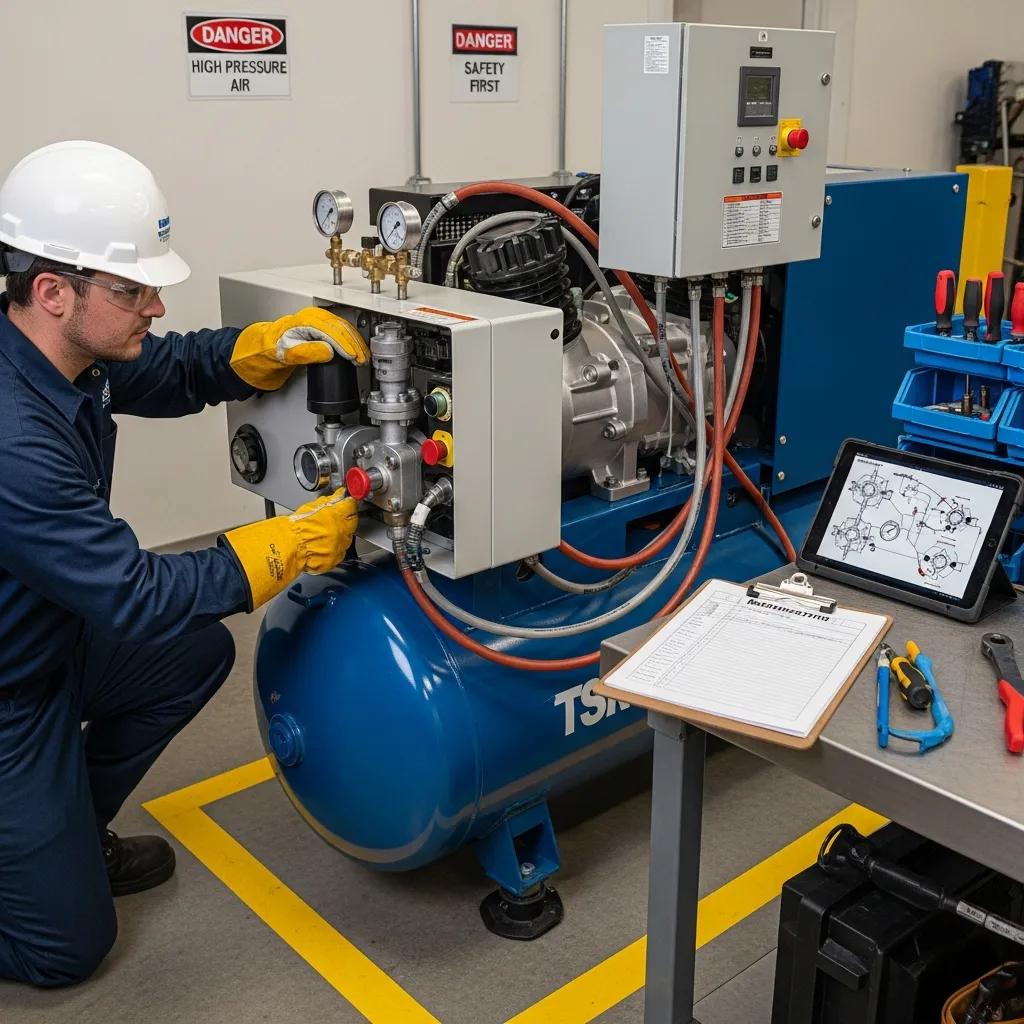
Safety protocols and regulatory compliance measures are essential for maintaining the integrity and safety of breathing air compressors. Operators must be aware of the necessary checks and compliance strategies to ensure safe operation.
Which Safety Checks Should Operators Perform Regularly on Breathing Air Compressors?
Operators should perform the following safety checks regularly:
- Daily Safety Inspections: Check for leaks, unusual noises, and proper operation.
- Monthly Compliance Checks: Review compliance with air quality standards and maintenance records.
- Annual Safety Audits: Conduct comprehensive audits to ensure adherence to safety protocols and regulations.
These checks help maintain a safe working environment and ensure compliance with industry standards.
How Do You Ensure Compliance with OSHA, NFPA, and Industry-Specific Standards?
To ensure compliance with relevant safety and operational standards, such as **OSHA** for general workplace safety, **NFPA 1989 (Standard for Breathing Air Quality for Emergency Services Respiratory Protection)** for firefighting breathing air, and other industry-specific guidelines, operators should:
- Stay Informed: Keep up-to-date with changes in regulations and standards *pertinent to their specific application*.
- Implement Training Programs: Provide regular training for staff on safety protocols and compliance measures.
- Conduct Regular Audits: Perform internal audits to assess compliance and identify areas for improvement.
By following these strategies, operators can maintain compliance and ensure the safety of their operations.
How Should Maintenance Be Tailored for Industry-Specific Breathing Air Compressor Applications?
Maintenance for industry-specific breathing air compressor applications should be tailored by considering the following factors:
- Operational Needs: Understand the specific requirements such as expected fills per hour, simultaneous fill points, and recovery times to select the appropriate model.
- Air Quality Standards: Ensure that filtration and drying stages are designed to remove contaminants to levels that comply with applicable breathing air guidelines.
- Continuous-Duty Design: For busy operations, utilize continuous-duty designs to reduce queue times and ensure safety margins.
- Monitoring and Controls: Implement compressor controls that support monitoring of quality parameters and routine sampling to maintain air quality.
- Engineering Review: Conduct a thorough engineering review to adhere to all applicable standards, given the safety-critical nature of breathing air.
- Custom Engineering: Consider custom engineering solutions to address specific site demands, including integrated monitoring and lifecycle maintenance planning.
By focusing on these aspects, maintenance can be effectively tailored to meet the unique demands of breathing air compressor applications in various industries.
What Are the Unique Maintenance Requirements for Diving and Recreational Compressors?
Diving and recreational compressors have unique maintenance requirements due to their specific operational environments. These include:
- Air Quality Needs: Ensuring that air quality meets stringent safety standards for breathing air, such as **CGA Grade E** or **BS EN 12021**.
- Frequent Use: Regular maintenance checks to accommodate high usage rates during peak seasons.
- Specialized Filtration: Implementing advanced filtration systems to remove contaminants effectively.
These tailored maintenance practices ensure the safety and reliability of compressors used in recreational diving.
How Do Firefighting and Maritime Compressors Differ in Their Service and Troubleshooting Needs?
Firefighting compressors prioritize air purity standards, continuous availability during operation, and specific pressure ratings, as they are used for breathing air in critical situations. They require multi-stage filtration systems, continuous monitoring, and adherence to standards like **NFPA 1989 (Standard for Breathing Air Quality for Emergency Services Respiratory Protection)** to ensure air quality for SCBA.
For fire services, comprehensive SCBA maintenance programs often extend beyond the breathing apparatus itself to include the critical upkeep of breathing air compressor systems, cascade and filling systems, and associated filtration and purification components.
SCBA & Breathing Air Compressor Maintenance for Fire Service
For fire services, comprehensive SCBA maintenance programs often extend beyond the breathing apparatus itself to include the critical upkeep of breathing air compressor systems, cascade and filling systems, and associated filtration and purification components.
Respirator Maintenance Program Recommendations for the Fire Service, 1997
In contrast, maritime compressors, such as those used on boats for scuba fills, focus on compact packaging, vibration resistance, and ease of installation. They must also ensure air quality meets standards like **CGA Grade E** for recreational diving. They may also need to accommodate varying power sources and operational profiles, such as supporting multiple divers or dives per day.
Troubleshooting for firefighting compressors often involves ensuring compliance with air quality standards and maintaining filtration systems, while maritime compressors may require attention to installation specifics and operational efficiency.
Overall, the key differences lie in the emphasis on safety and compliance in firefighting applications versus the operational flexibility and compact design needed for maritime use.
Given these critical applications, continuous monitoring for contaminants like carbon monoxide and water vapor in breathing air compressors is often emphasized for firefighters and divers.
Breathing Air Compressor Monitoring for Firefighters & Divers
Continuous monitoring for contaminants like carbon monoxide (CO) and water vapor in breathing air compressors is often emphasized for firefighters and divers, with recommendations for mandatory testing of air purity, especially following maintenance or component replacement.
Carbon monoxide and water vapor contamination of compressed breathing air for firefighters and divers, CC Austin, 1997