
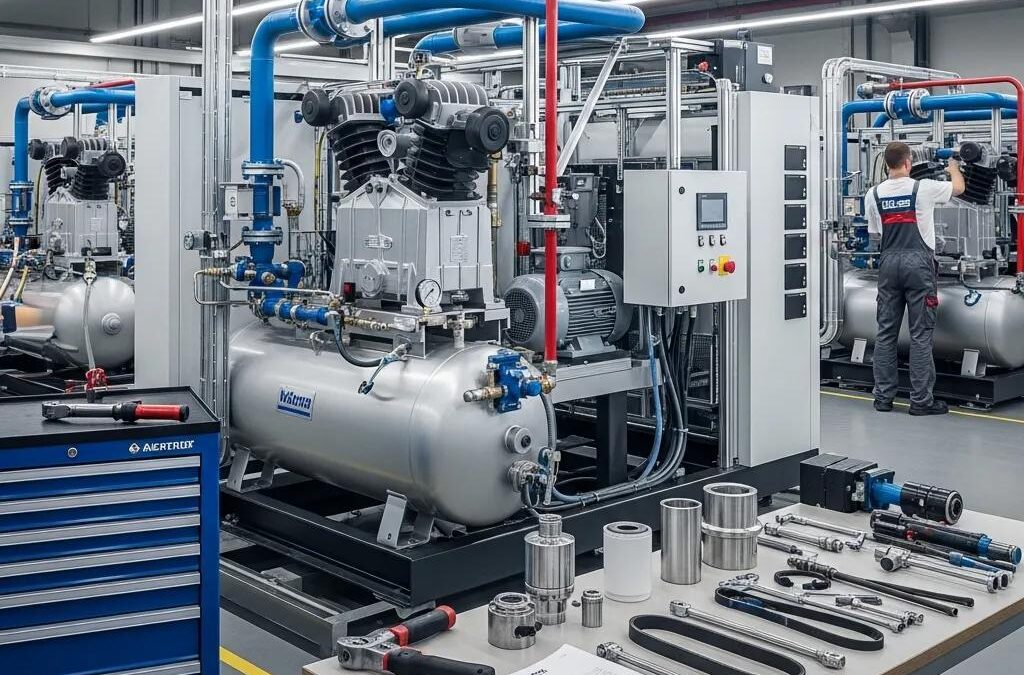
How to Extend the Life of Your Compressor System: Essential Maintenance and Longevity Tips
To extend the life of your compressor system, implement essential maintenance practices such as daily checks, weekly inspections, monthly tasks, and annual inspections, as recommended by the manufacturer and appropriate for your specific duty cycle and operating environment. These practices not only enhance reliability but also reduce downtime and ensure safety. Many operators struggle with maintaining optimal performance and longevity of their compressor systems, leading to costly repairs and replacements. By following a structured maintenance schedule that aligns with manufacturer recommendations, you can significantly improve the lifespan of your compressor. This article will explore the importance of preventive maintenance, provide a comprehensive checklist for longevity, and discuss strategies for managing high-pressure compressor components effectively.
What Is the Importance of Preventive Maintenance for High-Pressure Compressors?
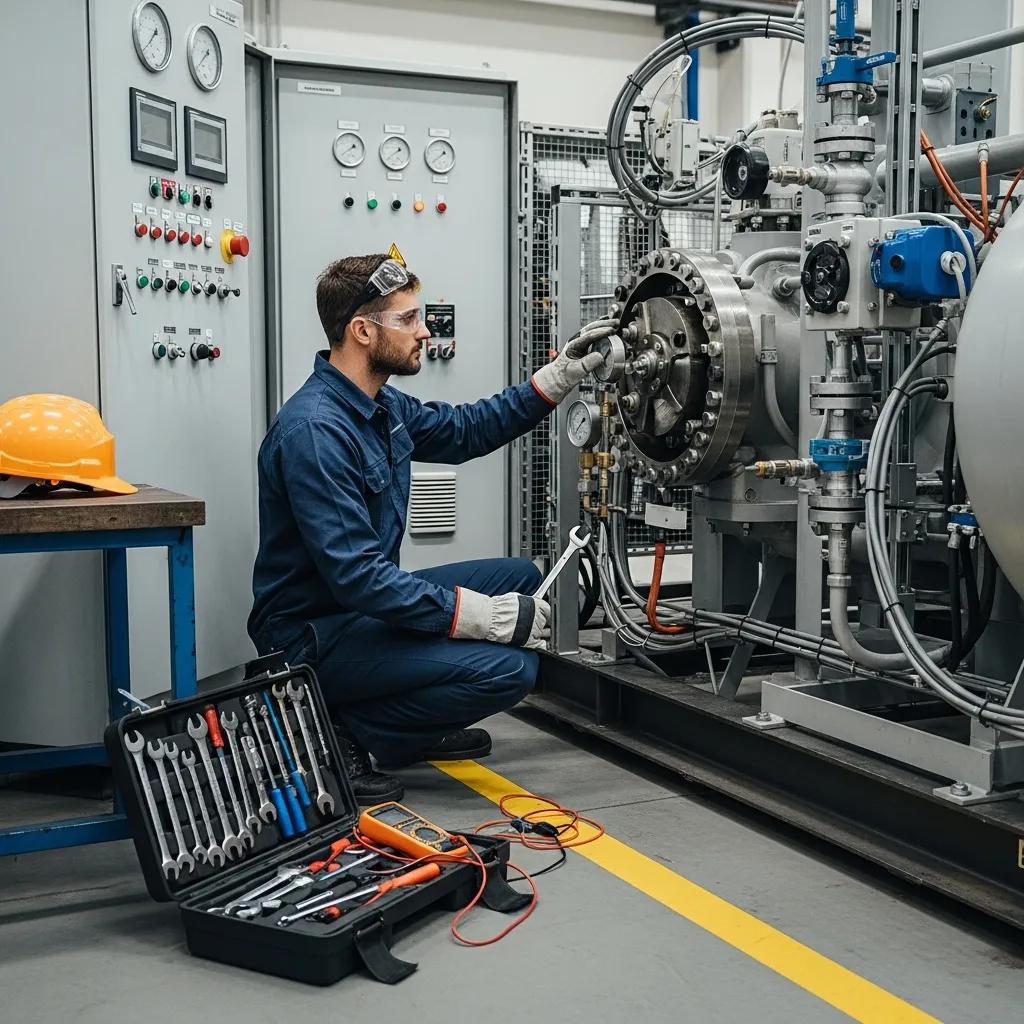
The importance of preventive maintenance for high-pressure compressors includes enhancing reliability, reducing downtime, and ensuring safety. Regular maintenance helps identify potential issues before they lead to failures, such as monitoring telemetry trends to detect declining performance or abnormal vibrations. This proactive approach allows for timely adjustments to duty cycles or scheduling of services, ultimately supporting long-term asset planning and operational efficiency.
How Does Regular Maintenance Extend Industrial Compressor Life?
Regular maintenance extends the life of industrial compressors by ensuring that components such as filters and seals are replaced before they fail, which helps prevent more significant issues. Routine checks, including daily visual inspections, weekly monitoring of differential pressure, and monthly or quarterly tasks like filter replacements and sensor calibrations (following manufacturer guidelines and considering duty cycle and environmental factors), contribute to system reliability. These practices not only reduce downtime but also support compliance with operational standards and facilitate rapid diagnosis of faults. Additionally, maintaining detailed records of maintenance activities aids in trend analysis and supports predictive maintenance, further enhancing the longevity and efficiency of the compressors.
What Are the Key Benefits of Preventive Compressor Maintenance?
The key benefits of preventive compressor maintenance include:
- Reduced Operating Costs: Structured maintenance programs minimize stress on the compressor, leading to lower operational expenses.
- Extended Compressor Life: Regular, manufacturer-recommended maintenance helps catch wear patterns early, optimizing control and prolonging the lifespan of the compressor.
- Prevention of Performance Degradation: Routine tasks like filter changes and inspections prevent performance issues and catastrophic failures that can cause long downtimes.
- Predictive Maintenance Insights: Technologies such as IoT-enabled condition monitoring provide alerts that lower unplanned downtime and improve spare-part planning.
- Enhanced Efficiency: Maintenance practices can lead to improved energy efficiency and operational readiness, balancing ROI with performance.
Research highlights how predictive maintenance, powered by machine learning and IoT, is increasingly vital for extending equipment lifespan and optimizing operations.
Industrial Compressor Predictive Maintenance & Lifespan Extension
This paper presents a comprehensive approach to predictive maintenance and real-time monitoring of industrial air compressors using machine learning techniques integrated with Internet of Things (IoT) infrastructure.
P Dwivedi, 2025
What Is the Comprehensive Compressor Maintenance Checklist for Longevity?
A comprehensive maintenance checklist is essential for ensuring the longevity of your compressor system. This checklist should include daily, weekly, monthly, quarterly, and annual tasks that align with manufacturer recommendations, tailored to your specific compressor model, duty cycle, and operating environment.
Which Daily and Weekly Tasks Are Critical for Compressor Care?
- Daily Checks: Conduct visual inspections, check oil levels, and drain moisture traps, as per manufacturer guidelines.
- Weekly Checks: Monitor differential pressure across filters and verify alarms and gauges, as per manufacturer guidelines.
These tasks help maintain optimal performance and prevent minor issues from escalating into major problems.
What Monthly and Annual Maintenance Steps Ensure System Reliability?
Monthly maintenance steps for ensuring system reliability include visual and operational checks, while quarterly steps involve filter and oil-level verification. Annual maintenance should consist of vibration and thermal analysis to identify early signs of wear, all performed according to manufacturer specifications and operational demands. Additionally, predictive maintenance focuses on monitoring temperature, vibration spectra, and oil condition to schedule interventions before failures occur.
How Should You Manage High-Pressure Compressor Components for Optimal Performance?
To manage high-pressure compressor components for optimal performance, consider the following steps:
- Monitor Performance: Use telemetry to analyze trends such as flow rate, motor current, and vibration. This helps in detecting issues before they lead to failure.
- Define Requirements: Clearly specify the expected simultaneous fills, turnaround times, ambient conditions, and air quality standards to ensure the compressor is appropriately sized.
- Select Appropriate Components: Choose a compressor type based on your duty cycle needs (continuous vs. intermittent), required pressure, and flow rate. Continuous-duty designs can be beneficial for critical applications, provided they are correctly sized and operated within specified environmental conditions.
- Plan for Environmental Factors: Account for altitude and ambient temperature, as these can affect the compressor’s performance. Adjust specifications accordingly to maintain effective flow and pressure.
- Implement Redundancy: For critical systems, consider standby compressors or automatic switchover to ensure continuous operation and safety.
- Regular Maintenance: Schedule routine checks and maintenance according to manufacturer recommendations and operational demands to ensure all components are functioning correctly and to prolong the lifespan of the compressor.
- Consult Experts: For tailored solutions, engage with specialists who can provide custom engineering and installation support.
By following these guidelines, you can enhance the reliability and efficiency of high-pressure compressor systems.
What Are Best Practices for Compressor Oil Management and Replacement?
Best practices for compressor oil management and replacement include:
- Routine Checks: Conduct daily visual inspections, monitor oil levels, and drain moisture traps, as specified by the manufacturer.
- Scheduled Maintenance: Follow a maintenance schedule that includes weekly checks of differential pressure across filters and monthly or quarterly replacement of filters as per manufacturer guidance, adjusting for duty cycle and environmental conditions.
- Oil Analysis: Perform annual major inspections that include oil analysis to assess oil condition and determine replacement needs, or more frequently if operating conditions demand.
- Documentation: Maintain records of all maintenance activities, including tasks performed, dates, technician details, compressor hours, and any corrective actions taken.
- Manufacturer Guidance: Always align maintenance frequencies and practices with manufacturer recommendations and local regulations.
These practices help ensure system reliability and compliance with safety standards.
How to Replace and Maintain Air and Breathing Air Filters Effectively?
To effectively replace and maintain filters for both industrial process air and specialized breathing air systems, follow these best practices:
- Routine Maintenance: Implement a schedule for regular maintenance, including monthly visual and operational checks, quarterly filter changes, and annual inspections for vibration and thermal analysis, all in accordance with manufacturer specifications and operational requirements.
- Predictive Maintenance: Utilize monitoring technologies to track temperature, vibration, and oil condition (if applicable) to anticipate and address issues before they lead to failures.
- Purification Systems: Ensure that purification systems are in place to remove contaminants such as oil, moisture, and particulates. For industrial process air, this maintains air quality and protects downstream equipment. For breathing air systems, these purification systems are critical for life-safety and must meet stringent air quality standards.
- Breathing Air Monitoring: Use breathing air monitors to continuously verify air quality, ensuring safety by triggering alarms and interlocks when contaminants exceed safe levels.
- Documentation: Keep detailed records of running hours and maintenance activities to track performance and schedule timely interventions.
- Critical Spares: Maintain a list of critical spare parts, such as valves and seals, to minimize downtime during repairs.
These practices help ensure the efficiency and safety of air and breathing air systems.
How Can You Troubleshoot Common Issues in High-Pressure Compressor Systems?
To troubleshoot common issues in high-pressure compressor systems, consider the following steps:
- Check Power Supply: Ensure that the compressor is connected to the correct voltage and phase as specified (typically 200-240 V, 50/60 Hz, or as per equipment rating).
- Monitor Pressure Levels: Use pressure gauges to check for proper inlet and outlet pressures. Look for any pressure shut-off triggers that may indicate issues.
- Inspect for Leaks: Check hoses and connections for leaks, which can affect performance.
- Evaluate the Variable Frequency Drive (VFD): Ensure the VFD is functioning correctly, as it helps manage the inrush current when starting the motor.
- Examine Filters and Cooling Systems: Regularly check and replace filters as needed, and ensure that cooling systems (if applicable) are functioning properly.
- Review Maintenance Logs: Look for any patterns in performance issues that may indicate a need for scheduled maintenance or adjustments.
- Utilize Monitoring Systems: If available, use telemetry systems to analyze trends in performance, such as declining flow or increasing motor current, which can indicate potential failures.
- Consult Technical Support: If issues persist, reach out to the equipment provider for a technical consultation to address specific operational profiles and requirements.
These steps can help identify and resolve common issues effectively.
What Are the Signs of Compressor Overheating and How to Resolve Them?
Signs of compressor overheating include unusual noises, increased vibration, and elevated temperature readings. To resolve overheating, ensure proper ventilation, check coolant levels (if applicable), and inspect for blockages in cooling systems. Regular maintenance and monitoring, aligned with manufacturer guidelines, can prevent overheating issues from escalating.
How to Detect and Fix Air Leaks and Unusual Noises in Compressors?
To detect air leaks, listen for hissing sounds and inspect hoses and connections for wear. Unusual noises may indicate mechanical issues or misalignment. Regular inspections and maintenance, as per manufacturer recommendations, can help identify and rectify these problems before they lead to significant downtime.
What Strategies Optimize High-Pressure Compressor Performance and Energy Efficiency?
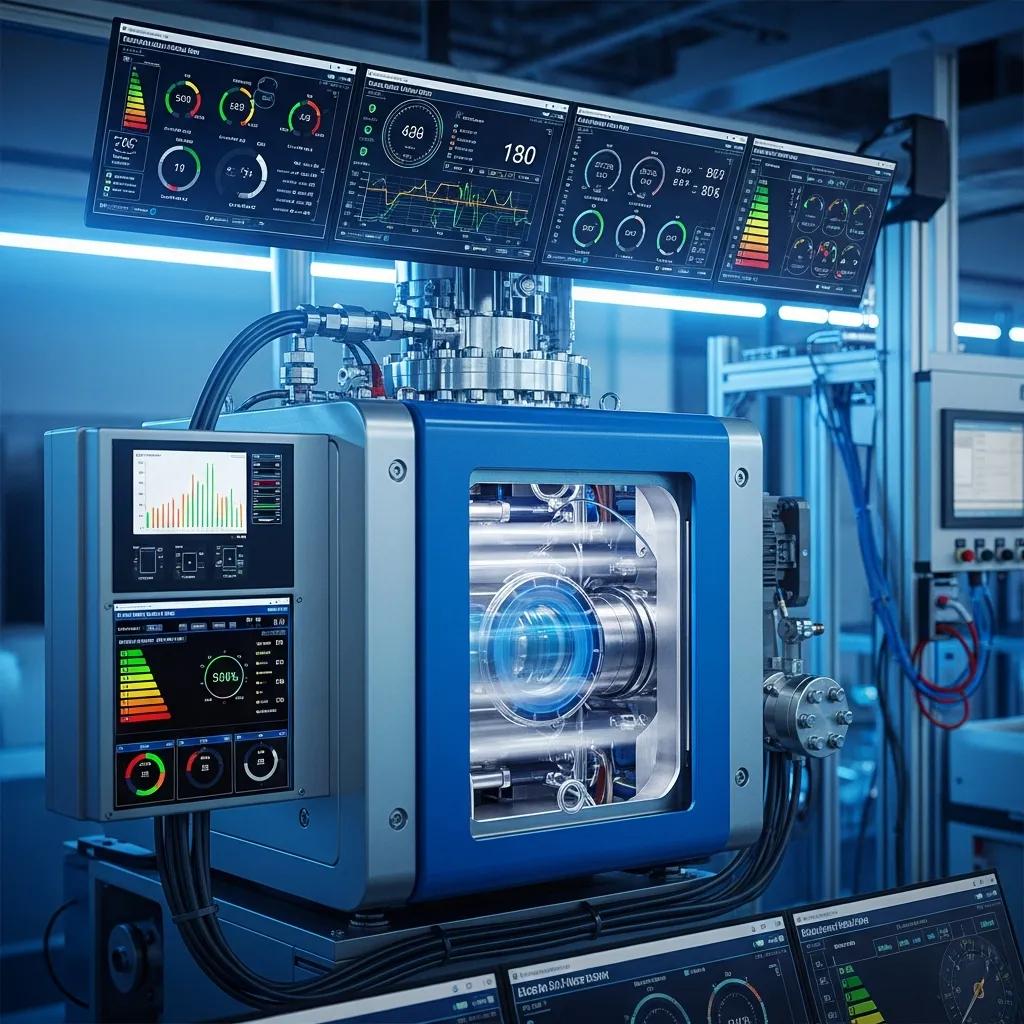
To optimize high-pressure compressor performance and energy efficiency, consider the following strategies:
- Proper Sizing and Specification: Define demand (pressure, flow, quality), calculate required Free Air Delivery (FAD) at working pressure, and select a duty cycle that supports peak and continuous loads. Ensure the compressor is sized appropriately for site conditions to avoid underspecification.
- Environmental Considerations: Account for altitude and ambient temperature, as these factors can reduce effective FAD. Use variable-speed drives for soft-loaded cycles to enhance efficiency, where appropriate for the application and operating profile.
- Duty Cycle and Flow Rate Management: Understand the interaction between duty cycle, flow rate, and pressure. Prioritize duty cycle and pressure for safety-critical applications, while prioritizing flow for industrial production.
- Monitoring and Maintenance: Implement integrated monitoring systems to track performance metrics like FAD and motor current. This allows for proactive adjustments and maintenance, improving uptime and efficiency.
- Mechanical Design Improvements: Choose compressors with durable designs, such as one-piece cast blocks, to reduce leak potential and enhance reliability, contributing to potential energy efficiency gains under optimal operating conditions.
- Filtration and Cooling: Ensure adequate inlet filtration and cooler capacity to maintain FAD and efficiency. Consider additional filtration or pre-cooling systems as needed, as these factors significantly impact overall system performance and energy consumption.
By following these strategies, you can enhance the performance and energy efficiency of high-pressure compressors, provided they are correctly implemented, sized, and maintained for your specific operational environment.
How Does Proper Ventilation and Condensate Management Improve Compressor Life?
Proper ventilation and condensate management are crucial for maintaining optimal operating conditions. Adequate ventilation prevents overheating, while effective condensate management reduces moisture-related issues that can lead to corrosion and mechanical failures. Implementing these practices can significantly extend the lifespan of your compressor system, contributing to optimal performance and reliability.
What Are Effective Pressure Optimization Techniques for Compressor Systems?
Effective pressure optimization techniques for compressor systems include:
- Oversizing for Altitude: Adjusting compressor size to account for reduced air density at higher altitudes, as per manufacturer guidelines and site-specific engineering.
- Variable-Speed Drives: Implementing variable-speed drives for soft-loaded cycles to optimize performance and efficiency, when suitable for the application’s demand profile.
- Enhanced Filtration and Pre-Cooling: Planning for additional filtration or pre-cooling to maintain effective flow and pressure.
- Duty Cycle and Flow Interaction Analysis: Understanding the interaction between duty cycle, flow rate, and pressure to make informed decisions on compressor selection.
- Telemetry Monitoring: Utilizing telemetry to monitor performance trends, allowing for proactive adjustments to duty cycles and scheduling of maintenance.
- Custom Engineering: Engaging in custom engineering to ensure the compressor system meets specific operational needs and integrates well with existing systems.
These techniques help maintain optimal performance and efficiency in compressor systems.
When Should You Consider Upgrades or Professional Service for Your Compressor System?
You should consider upgrades or professional service for your compressor system when:
- You have specific design requirements or operational needs that standard configurations do not meet.
- You require tailored solutions that combine appropriate pressure, flow, and duty cycle with monitoring and project-managed installation.
- You are dealing with safety-critical systems that necessitate a detailed engineering review.
- You need to ensure compliance with air quality standards and operational demands that exceed typical product boundaries.
- You want to enhance system performance through custom engineering, installation drawings, and continuous-duty designs.
If you have a particular need or design requirement, contacting a specialist provider can help accelerate specification validation and deployment.
What Are the Benefits of Smart Monitoring and Predictive Maintenance?
The benefits of smart monitoring and predictive maintenance include:
- Reduced Operating Costs: By minimizing stress and optimizing control, these practices help lower overall expenses.
- Extended Equipment Life: Regular monitoring catches wear patterns early, preventing catastrophic failures and prolonging the lifespan of compressors.
- Lower Unplanned Downtime: IoT condition monitoring provides alerts that help avoid unexpected breakdowns.
- Improved Maintenance Planning: Predictive maintenance allows for scheduling interventions before failures occur, enhancing operational efficiency.
- Enhanced Performance: Continuous monitoring of key performance indicators (KPIs) enables operators to optimize performance and make informed decisions regarding maintenance and specifications.
Studies confirm that machine learning-driven predictive maintenance offers substantial financial benefits through reduced downtime and optimized maintenance schedules.
ML for Compressor Maintenance: Cost Savings & Optimized Schedules
This research explores the application of machine learning (ML) techniques in predictive maintenance for industrial 5-stage compressors, focusing on cost-effectiveness, model performance, and practical implementation.
NC Igbokwe, 2024
How to Recognize End-of-Life Signs and Schedule Expert Compressor Maintenance?
To recognize end-of-life signs for compressors, operators should monitor key performance indicators (KPIs) such as flow rate (FAD), motor load, vibration, coolant temperature, and oil condition. Analyzing telemetry trends can help detect issues like declining flow rates or abnormal vibrations before failures occur.
For scheduling expert compressor maintenance, it is recommended to implement a robust maintenance framework that includes monthly visual checks, quarterly filter and oil-level verifications, and annual vibration and thermal analyses, all aligned with manufacturer recommendations and specific operational conditions. Predictive maintenance, which focuses on monitoring temperature and vibration, can help schedule interventions before failures happen. Additionally, maintaining a critical-spares list can shorten repair times.