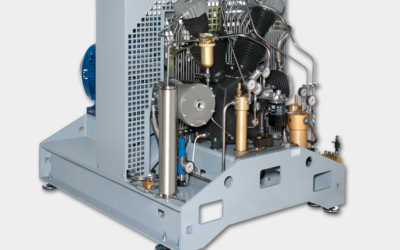
Applications of High-Pressure Compressors in Various Industries
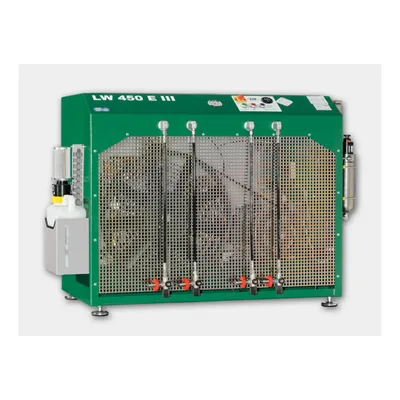
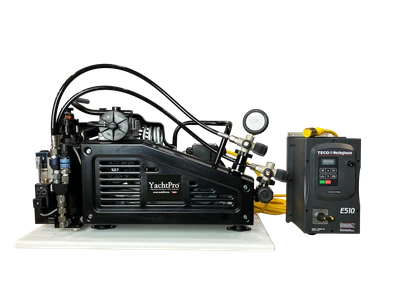
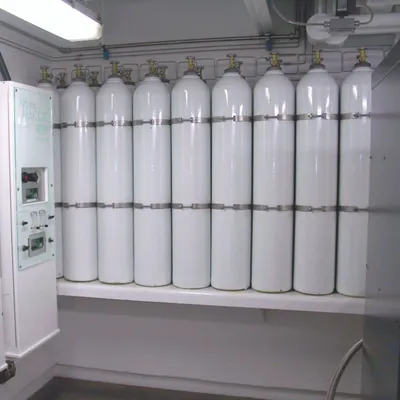
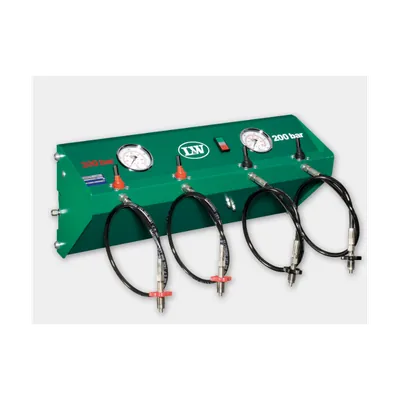
High-pressure compressors are essential in a wide range of industries, including diving, firefighting, medical, and more. Each application requires specific compressor features to ensure safety and efficiency. For instance, in the diving industry, compressors must provide clean, breathable air at high pressures, while in firefighting, they must meet stringent safety standards to supply air for firefighters in hazardous environments.
Moreover, the versatility of high-pressure compressors allows them to be tailored for unique industry needs. For example, medical applications often require compressors that deliver air with precise purity levels, while motorsport teams utilize high-pressure systems for tire inflation and fuel systems. Understanding these applications helps customers select the right equipment for their specific requirements.
Choosing the Right High-Pressure Compressor for Your Needs
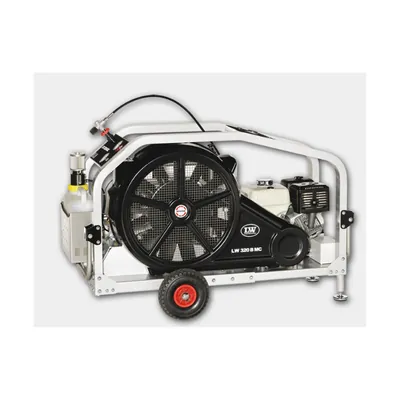
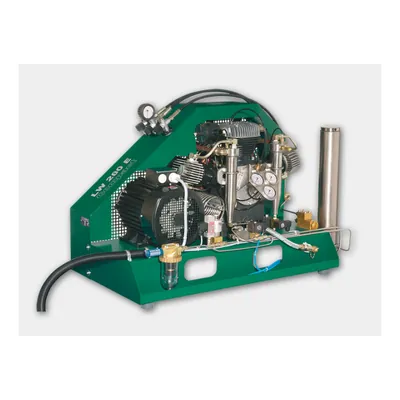
Selecting the right high-pressure compressor can be daunting due to the variety of options available. Factors to consider include the intended use, required pressure levels, and the volume of air needed. LW Americas offers expert guidance to help customers choose the perfect compressor that aligns with their operational demands and budget.
Additionally, it's important to evaluate the compressor's efficiency and maintenance requirements. For instance, some models may offer energy-saving features that reduce operational costs over time. By understanding the unique specifications and features of each compressor, users can make informed decisions that enhance productivity and reliability in their operations.
Maintenance Tips for High-Pressure Compressors
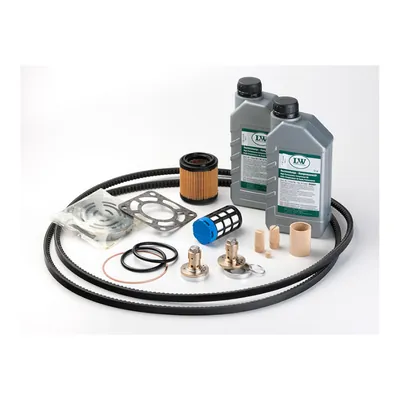
Regular maintenance is crucial for the longevity and efficiency of high-pressure compressors. Simple practices such as routine inspections, oil changes, and filter replacements can prevent breakdowns and ensure optimal performance. LW Americas provides comprehensive maintenance guidelines tailored to each compressor model to assist users in keeping their systems running smoothly.
Furthermore, investing in maintenance not only extends the lifespan of the equipment but also enhances safety. For example, neglecting to replace worn-out parts can lead to compressor failure, posing risks to operators. By adhering to a proactive maintenance schedule, users can avoid costly repairs and ensure continuous operation in critical applications.
Innovations in High-Pressure Compressor Technology
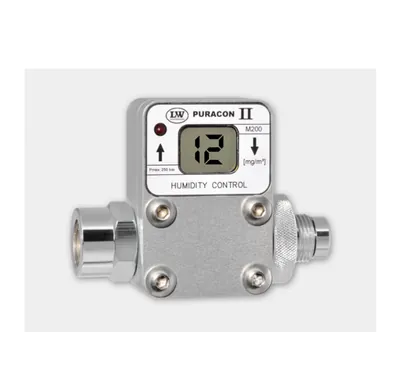
The field of high-pressure compressors is constantly evolving, with new technologies enhancing performance, efficiency, and safety. Recent innovations include advanced monitoring systems that provide real-time data on compressor performance, allowing operators to make informed decisions and optimize usage. These technologies are particularly beneficial in demanding environments where reliability is paramount.
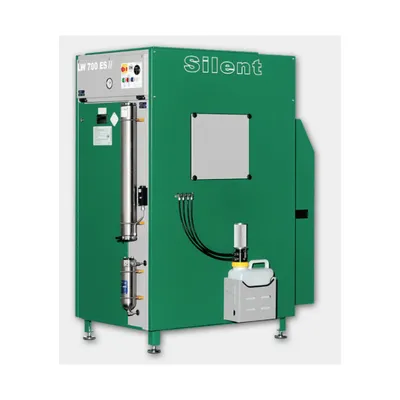
Additionally, developments in materials and design have led to lighter, more compact compressors without sacrificing power. For example, the introduction of noise-reducing features has made silent compressors increasingly popular in urban settings, where noise pollution is a concern. Staying informed about these innovations enables customers to leverage the latest advancements for their operational needs.
Applications of High-Pressure Compressors in Various Industries
High-pressure compressors are essential in a wide range of industries, including diving, firefighting, medical, and more. Each application requires specific compressor features to ensure safety and efficiency. For instance, in the diving industry, compressors must provide clean, breathable air at high pressures, while in firefighting, they must meet stringent safety standards to supply air for firefighters in hazardous environments.
Moreover, the versatility of high-pressure compressors allows them to be tailored for unique industry needs. For example, medical applications often require compressors that deliver air with precise purity levels, while motorsport teams utilize high-pressure systems for tire inflation and fuel systems. Understanding these applications helps customers select the right equipment for their specific requirements.
Choosing the Right High-Pressure Compressor for Your Needs
Selecting the right high-pressure compressor can be daunting due to the variety of options available. Factors to consider include the intended use, required pressure levels, and the volume of air needed. LW Americas offers expert guidance to help customers choose the perfect compressor that aligns with their operational demands and budget.
Additionally, it's important to evaluate the compressor's efficiency and maintenance requirements. For instance, some models may offer energy-saving features that reduce operational costs over time. By understanding the unique specifications and features of each compressor, users can make informed decisions that enhance productivity and reliability in their operations.
Maintenance Tips for High-Pressure Compressors
Regular maintenance is crucial for the longevity and efficiency of high-pressure compressors. Simple practices such as routine inspections, oil changes, and filter replacements can prevent breakdowns and ensure optimal performance. LW Americas provides comprehensive maintenance guidelines tailored to each compressor model to assist users in keeping their systems running smoothly.
Furthermore, investing in maintenance not only extends the lifespan of the equipment but also enhances safety. For example, neglecting to replace worn-out parts can lead to compressor failure, posing risks to operators. By adhering to a proactive maintenance schedule, users can avoid costly repairs and ensure continuous operation in critical applications.
Innovations in High-Pressure Compressor Technology
The field of high-pressure compressors is constantly evolving, with new technologies enhancing performance, efficiency, and safety. Recent innovations include advanced monitoring systems that provide real-time data on compressor performance, allowing operators to make informed decisions and optimize usage. These technologies are particularly beneficial in demanding environments where reliability is paramount.
Additionally, developments in materials and design have led to lighter, more compact compressors without sacrificing power. For example, the introduction of noise-reducing features has made silent compressors increasingly popular in urban settings, where noise pollution is a concern. Staying informed about these innovations enables customers to leverage the latest advancements for their operational needs.