
By Robert Carmichael, LW Americas
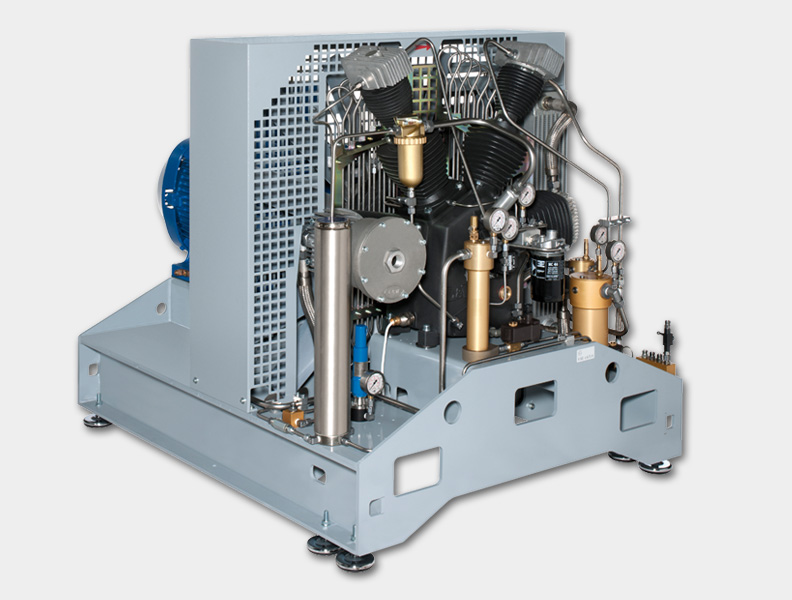
Industrial hydrogen compressors are pivotal in advancing clean energy solutions. These technologies enable the efficient compression of hydrogen gas, a crucial component in various applications, including fuel cells and renewable energy systems. In this article, we will delve into the principles of operation, efficiency enhancements, environmental impacts, and the significant role hydrogen plays in clean energy. As organizations strive to transition away from fossil fuels, understanding the benefits and applications of industrial hydrogen compressor technology becomes increasingly vital.
The challenges faced by industries in reducing carbon emissions highlight the importance of effective hydrogen compression systems. Here, we will explore how these systems function, their advantages, and future innovations within this critical sector.
Principles of Operation:
Hydrogen compressors operate through a multi-stage compression process that significantly increases the pressure of hydrogen gas. This process is essential for various applications, from industrial uses to energy storage. The operation of these compressors involves the use of intercooling systems, which are crucial for maintaining efficiency and preventing overheating during compression. Additionally, precision valves play a critical role in controlling the flow of hydrogen, ensuring optimal performance and safety.
Multi-Stage Compression Process
The multi-stage compression process utilizes several stages to gradually increase the hydrogen gas pressure, optimizing energy use while minimizing heat generation. Each stage involves compressing the gas before moving it to the next stage, where additional pressure is applied, ultimately achieving the desired high pressures necessary for storage or industrial applications.
Role of Intercooling
Intercooling helps manage the temperature of the compressed hydrogen gas, reducing the overall energy consumption of the compression process. By dissipating heat generated during compression, intercooling contributes to improved efficiency and longevity of the compressor system.
Importance of Precision Valving
Precision valves are vital for regulating the flow of hydrogen. They ensure the system operates within safe and optimal parameters, preventing potential leaks and ensuring efficient compression. This specialization enhances overall system reliability and performance.
Hydrogen-Specific Engineering Challenges
Compressing hydrogen presents engineering challenges that differ substantially from those encountered with conventional industrial gases. LW Americas specifies, supplies, integrates, and supports high-pressure hydrogen compressor systems engineered to address these challenges directly, rather than adapting general-purpose compression equipment to hydrogen service.
Hydrogen Embrittlement
Hydrogen embrittlement occurs when atomic hydrogen diffuses into metal components, reducing ductility and increasing susceptibility to cracking under mechanical stress. High-pressure hydrogen compressor systems must be engineered with embrittlement-resistant alloys and design practices that account for cyclic loading, weld integrity, and long-term material degradation, particularly in components subjected to sustained high-pressure hydrogen exposure.
Hydrogen Permeation and Leakage Control
Hydrogen’s small molecular size allows it to permeate through materials and escape through seals, fittings, and joints more readily than heavier industrial gases. Leakage control therefore requires compressor designs incorporating low-permeability materials, engineered sealing systems, and rigorous joint and fitting specifications to maintain system integrity and minimize hydrogen loss over the operating life of the equipment.
Seal Design for Hydrogen Service
Seal design is a critical differentiator between hydrogen compressors and compressors intended for other gases. Dynamic seals, such as those used in reciprocating compressor piston rods, must be engineered specifically for hydrogen’s low viscosity and high permeability to limit leakage while withstanding repeated compression cycles. Compressor technologies that eliminate dynamic seals entirely, such as diaphragm and certain electrochemical designs, are often selected for applications where leak-tight operation is a primary requirement.
Material Compatibility
Material selection for hydrogen compressor components must account for compatibility with hydrogen at the pressures and temperatures involved in the application, including resistance to embrittlement, permeation, and corrosion. LW Americas works with proven, hydrogen-compatible materials and component specifications when engineering compressor systems, ensuring that material choices are matched to the specific pressure, duty cycle, and service conditions of each installation.
Effects of Hydrogen’s Low Molecular Weight
Hydrogen’s low molecular weight affects compressor design in ways not present with heavier gases, including higher required compression ratios per stage, increased potential for leakage past seals and clearances, and distinct considerations for valve and cylinder design in reciprocating systems. Compressor systems must be engineered around these characteristics rather than treated as a direct substitution for equipment designed for other process gases.
Comparing Hydrogen Compressor Technologies
No single compressor technology is optimal for every hydrogen application. LW Americas specifies and integrates the technology best matched to each installation’s required pressure, flow rate, purity standard, and duty cycle, rather than defaulting to a single design across all projects.
Reciprocating Compressors
Reciprocating compressors use pistons to compress hydrogen in discrete stages and are widely used where high pressures and moderate-to-high flow rates are required, such as hydrogen fueling stations and industrial supply. Their dynamic seals must be engineered specifically for hydrogen service, and duty cycle, maintenance planning, and seal replacement intervals are important design considerations.
Diaphragm Compressors
Diaphragm compressors use a flexing metal diaphragm to compress hydrogen without direct contact between moving parts and the gas, eliminating dynamic seals around the compressed gas path. This design is often selected for applications demanding very high purity and minimal leakage, such as high-purity industrial processes and certain fueling and laboratory applications, though throughput is generally lower than reciprocating designs.
Electrochemical Compressors
Electrochemical compressors use an electrochemical cell to move hydrogen ions across a membrane, compressing hydrogen without mechanical moving parts while simultaneously purifying it. This technology is typically applied in lower-flow, high-purity contexts where combined compression and purification in a single step offers a practical advantage over mechanical alternatives.
Selecting the Right Technology
Choosing among these technologies requires weighing required outlet pressure, flow rate, gas purity specifications, and operational duty cycle against each design’s strengths and limitations. LW Americas works with customers to specify, supply, integrate, and support the compressor technology engineered for their specific hydrogen application rather than applying a one-size-fits-all approach.
Efficiency Enhancements:
Innovations in hydrogen compressor technology have led to significant efficiency enhancements, driven by the integration of advanced materials and control systems. The utilization of variable-speed drives allows for more precise control over the compressor’s operation, adapting to varying demands and optimizing energy consumption. Moreover, smart control systems enable real-time monitoring and adjustment, further enhancing efficiency.
Use of Variable-Speed Drives
Variable-speed drives adjust motor speed according to operational requirements, leading to substantial energy savings. By matching the compressor output to the actual demand, these drives eliminate energy waste and enhance system efficiency.
Smart Control Systems
The implementation of smart control systems revolutionizes the operation of hydrogen compressors. These systems monitor performance metrics in real-time, allowing for proactive maintenance and adjustments to optimize energy usage and reduce wear on components.
Material Innovations for Performance
Innovative materials are being used to construct hydrogen compressors, enhancing their durability and efficiency. Lightweight and corrosion-resistant materials reduce the overall weight and improve the resilience of the systems in various operational conditions.
Environmental Impacts:
Hydrogen compressors are instrumental in promoting sustainability by facilitating the use of hydrogen as an energy carrier. The environmental benefits of hydrogen are not automatic, however; the actual carbon impact depends heavily on how the hydrogen is produced and how it is ultimately used. Hydrogen produced from renewable electricity via electrolysis carries a substantially different emissions profile than hydrogen produced from fossil fuel sources, and compressors themselves do not alter this upstream footprint. Where hydrogen is sourced from low-carbon production and displaces higher-emitting fuels in its end use, these systems support meaningful reductions in overall greenhouse gas emissions.
Supporting the Transition from Fossil Fuels
Industry adoption of hydrogen compression technology signifies a commitment to transitioning toward renewable energy sources. By enabling the effective use of hydrogen produced from renewable resources, these compressors are pivotal in reducing reliance on fossil fuels.
Reducing Emissions
The efficient utilization of hydrogen in various applications, such as fuel cells, leads to lower emissions compared to traditional energy sources. As hydrogen is burned or converted back into energy while water is the only by-product, it plays a vital role in minimizing environmental impacts.
Importance of Renewable Energy Integration
Integrating hydrogen compressors with renewable energy systems enhances overall energy efficiency. Hydrogen production through electrolysis powered by renewable sources results in a sustainable energy cycle, significantly reducing carbon footprints.
The Role of Hydrogen in Clean Energy
Hydrogen serves as a cornerstone in the evolution of clean energy systems. Its versatility allows it to be utilized for energy storage, transportation, and directly within fuel cells for energy generation. The ability to store energy in hydrogen form offers critical advantages, including portability and considerable energy density.
Hydrogen as a Sustainable Fuel
As a sustainable fuel option, hydrogen presents unique benefits, including the ability to be produced from various renewable sources, thereby promoting energy independence. The energy produced when hydrogen is combusted or utilized in fuel cells has lower environmental impacts than conventional fossil fuels.
Applications in Fuel Cells
Hydrogen’s role as a fuel cell input illustrates its significance in modern energy solutions. Fuel cells convert hydrogen directly into electricity through an electrochemical reaction, providing a clean source of power for various applications, including vehicles and stationary energy systems.
Electrochemical hydrogen compressors, which offer efficient compression and simultaneous purification, are emerging as a promising alternative to traditional mechanical systems in overcoming the challenges of hydrogen’s low volumetric density.
Electrochemical Hydrogen Compressors for Clean Energy Decarbonization The global challenge of reducing greenhouse gas emissions has driven the development of clean energy technologies, with hydrogen emerging as a key vector for decarbonization. However, its low volumetric density poses significant challenges for efficient compression and storage. In this context, electrochemical hydrogen compressors (EHCs) have emerged as a promising alternative to traditional mechanical systems, offering high energy efficiency, operation without movement of parts, and simultaneous purification capabilities. This review explores the operational principles of EHCs and provides a detailed analysis of their critical components, with particular emphasis on the membrane-electrode assembly (MEA), including polymer membranes and electrocatalysts. Research progress on components and design variables in electrochemical hydrogen compressor: an analytical review, LG Arriaga, 2025
Impact on Energy Storage
Hydrogen compression technology enhances energy storage capabilities by allowing for large-scale storage solutions. This characteristic is particularly valuable in balancing supply and demand in renewable energy systems, enabling surplus energy to be stored as hydrogen for later use.
Benefits of Hydrogen Compressors
Hydrogen compressors provide numerous advantages that make them integral to the development of clean energy solutions. Their capability to efficiently manage high purity hydrogen makes them essential in various industrial applications.
Energy Storage Capabilities
Hydrogen compressors facilitate efficient energy storage by compressing hydrogen at high pressures, enabling storage in tanks. This capacity for large-scale storage provides significant advantages for managing renewable energy outputs and meeting energy demands.
Ensuring High Purity of Hydrogen
Maintaining hydrogen purity is crucial for many applications, especially in fuel cells. Hydrogen compressors are designed to maintain the integrity of the gas, ensuring high purity levels necessary for effective energy conversion processes.
Advanced Safety Features
Modern hydrogen compressors come equipped with advanced safety features to prevent leaks and handle high-pressure systems. These safety mechanisms are crucial in ensuring operational integrity while managing the inherent risks associated with hydrogen gas.
Applications of Hydrogen Compressors
The applications of hydrogen compressors are diverse, ranging from fueling hydrogen-powered vehicles to serving industrial processes in chemical manufacturing. Their versatility underscores the crucial role these systems play across various sectors.
Hydrogen Fueling Technology
Hydrogen compressors enable the infrastructure needed for hydrogen fueling technologies, facilitating the transition toward zero-emission vehicles. By compressing hydrogen at higher pressures, compressors ensure sufficient supply to fueling stations.
Energy Storage Systems
Hydrogen compressors are essential for energy storage solutions, allowing excess renewable energy to power electrolysis processes that produce hydrogen. This stored energy can be redeployed when demand increases, offering a reliable energy solution.
Industrial Applications
In industrial settings, hydrogen compressors find usage in applications such as petroleum refining and chemical manufacturing. Their ability to provide high-pressure hydrogen supports various chemical processes and enhances operational efficiency.
Impact on Reducing Carbon Emissions
The implementation of hydrogen compressor technology can contribute to lowering carbon emissions, but the extent of that benefit depends on the carbon intensity of the hydrogen supply and the fuel or process it displaces. By making low-carbon hydrogen more accessible and reliable, these systems support a shift toward cleaner energy practices where the underlying hydrogen supply itself is produced with lower emissions.
Enabling Hydrogen Usage
Hydrogen compressors are critical in facilitating hydrogen utilization across multiple sectors. Their efficiency enables widespread adoption, leading to reductions in greenhouse gas emissions as industries transition to cleaner alternatives.
Lowering Greenhouse Gas Emissions
As industries integrate hydrogen into their operations, reductions in CO2 emissions are possible, but they are realized only when the hydrogen used is produced with lower carbon intensity than the fuel it replaces. The effective compression and utilization of hydrogen provide a pathway toward cleaner fuel options when paired with low-carbon hydrogen production, illustrating hydrogen’s potential role in mitigating climate change.
Advancements in Energy Efficiency
The technological advancements in hydrogen compressor systems emphasize energy efficiency. Improved compressors maximize energy output while minimizing waste, contributing to more sustainable industrial practices.
Compression Mechanics and Technical Challenges
Understanding the mechanics of hydrogen compression is essential to overcome the technical challenges faced in this field. The mechanics involve several intricate processes, and addressing common issues is critical for maintaining system efficiency.
Description of Multi-Stage Compression
Multi-stage compression involves multiple processes to gradually increase hydrogen pressure. Each stage’s efficiency is crucial in reducing the energy required for overall compression, highlighting the importance of optimizing each phase of the process.
Common Technical Problems Faced
Operators may encounter several challenges during the operation of hydrogen compressors, including pressure instability and overheating. These issues require careful monitoring and management to ensure reliable performance and safety.
Solutions to Technical Issues
Implementing advanced monitoring systems and maintaining regular service schedules can prevent operational issues. Utilizing smart controls allows for real-time adjustments, reducing the likelihood of technical problems arising.
Common Technical Issues
The operation of hydrogen compressors is not without challenges. Identifying and addressing common technical issues enables operators to maintain the efficiency and safety of their systems.
Pressure Instability
Pressure instability in hydrogen compressors can lead to inefficiencies and potential failures. Regular calibration and monitoring are essential to ensure that the system operates within designated pressure parameters.
Overheating Concerns
Overheating is a significant concern in hydrogen compressors due to heat generated during the compression process. Adequate cooling mechanisms, such as intercooling systems, must be implemented to mitigate this risk effectively.
Hydrogen Leak Management
Hydrogen leaks affect both the efficiency and the safety of hydrogen compressor systems, since hydrogen’s small molecular size allows it to escape through fittings, seals, and joints more readily than heavier industrial gases. Regular inspections, hydrogen-rated leak detection, and disciplined maintenance of fittings and seals are essential to identify potential leak points and preserve system integrity.
Potential Solutions
Addressing technical challenges in hydrogen compression requires a proactive approach alongside innovative solutions. Leveraging modern technology and best practices aids in effective management.
Use of Advanced Monitoring Systems
Integrating advanced monitoring systems enhances operational oversight and allows for rapid adjustments to operational parameters. Proactive management helps to maintain efficiency and prevent potential issues from escalating.
Implementing Smart Controls
Smart controls enable real-time data analysis and optimization of compressor operation. By utilizing data analytics, operators can enhance system efficiency and reduce energy consumption effectively.
Emphasizing Regular Maintenance
Regular maintenance schedules are crucial for ensuring the longevity and reliability of hydrogen compressors. Following established maintenance protocols helps detect early warning signs of potential issues, minimizing downtime.
High-Pressure Hydrogen Applications
High-pressure hydrogen applications highlight the critical need for robust and efficient compressor technologies. These applications reflect the growing demand for high-purity hydrogen in various sectors.
Role in Energy Production and Transportation
Compressed hydrogen plays a vital role in energy production, primarily in fuel cell systems that convert hydrogen into electricity. Transportation, particularly with hydrogen-powered vehicles, relies on efficient compressing technologies to ensure rapid fueling capabilities.
Storage Solutions for Renewable Energy
High-pressure hydrogen storage solutions provide alternatives for managing renewable energy outputs. By compressing and storing excess energy as hydrogen, systems can balance supply and demand effectively.
Industrial Applications Requiring Purity
Industries require high-purity hydrogen for numerous processes, including chemical synthesis and materials processing. Compressors that maintain purity standards are critical in ensuring the efficiency and safety of industrial operations.
Safety and Material Compatibility Standards
Safety is paramount in the operation of hydrogen compressors, given the gas’s flammable and highly diffusive nature. Understanding safety and material compatibility standards aids in preventing accidents and maintaining operational efficiency.
Importance of Safety Features
Safety features in hydrogen compressors, such as pressure relief valves and leak detection systems, are essential in preventing potential hazards. Regular testing and compliance with safety regulations ensure operational integrity.
Hydrogen Detection and Ventilation
Because hydrogen is odorless, colorless, and disperses quickly upward, dedicated hydrogen gas detection systems are placed at compressor skids and enclosures to identify leaks before concentrations approach flammable limits. Adequate ventilation, whether natural or mechanical, is engineered into compressor installations to prevent the accumulation of hydrogen in enclosed or semi-enclosed spaces.
Ignition Control and Hazardous Area Classification
Hydrogen’s wide flammability range and low ignition energy require strict control of potential ignition sources near compressor systems. Installations are engineered and classified according to hazardous area requirements, with electrical equipment, instrumentation, and grounding specified to reduce the risk of static discharge or sparking in areas where hydrogen may be present.
Pressure Relief Systems
Pressure relief devices, including relief valves and rupture discs, are specified to protect compressor systems and downstream equipment from overpressure conditions. These systems are sized and located according to the compressor’s operating pressures and discharge requirements, and are vented to safe locations away from ignition sources and occupied areas.
Material Requirements for High-Pressure Systems
The materials utilized in hydrogen compressors must withstand high pressures and resist corrosion. Material compatibility is crucial to ensuring long-term operational reliability and safety.
Industry Standards and Regulations
Adhering to industry standards and regulations is vital for the safe operation of hydrogen compressors. Compliance with these guidelines ensures that systems operate within safe parameters and minimize risks associated with hydrogen use.
Future Innovations
The field of hydrogen compression technology is poised for significant advancements as industries continue to seek innovative solutions. Emerging technologies promise to enhance efficiency and expand the applications of hydrogen compressors.
Emerging Technologies like AI and IoT
The integration of artificial intelligence (AI) and the Internet of Things (IoT) into hydrogen compression systems stands to revolutionize operations. These technologies provide enhanced analytics and data collection, enabling smarter operational decisions.
Design Improvements for Sustainability
Future innovations will likely focus on sustainability, aiming to develop compressors that operate with minimal environmental impact. Innovations could lead to systems that utilize renewable energy sources for their operations.
Potential Environmental Impacts
The anticipated advancements in hydrogen compressor technology will likely yield substantial environmental benefits, further promoting the adoption of hydrogen as a clean energy source. This transition is crucial in the global effort to combat climate change and reduce dependency on fossil fuels.