
High Pressure Compressor Applications: Ultimate Guide to Industrial and Custom Solutions
High pressure compressors compress air or gases to pressures well above typical shop-air levels, enabling reliable delivery of breathing air, cascade filling, process gases, and specialized pneumatic services across demanding environments. This guide explains how high-pressure air and gas compressors function, the range of industrial high pressure compressor applications they enable, and the decision factors engineering and procurement teams use to match pressure ratings, duty cycles, and purification systems to specific use cases. Readers will learn the technical distinctions between oil-free and lubricated compression, how custom high pressure compressor solutions improve uptime and lifecycle cost, and which safety certifications and maintenance schedules preserve system reliability. The article maps common sectors—diving, firefighting, maritime, medical, sports, and general industry—to concrete compressor configurations, provides selection and maintenance checklists, and reviews current trends such as VSD adoption and heat recovery. Start here for an organized, actionable reference that links specification-level choices to operational outcomes and procurement criteria for industrial and custom compressor systems.
What Are High Pressure Compressors and Their Key Industrial Applications?
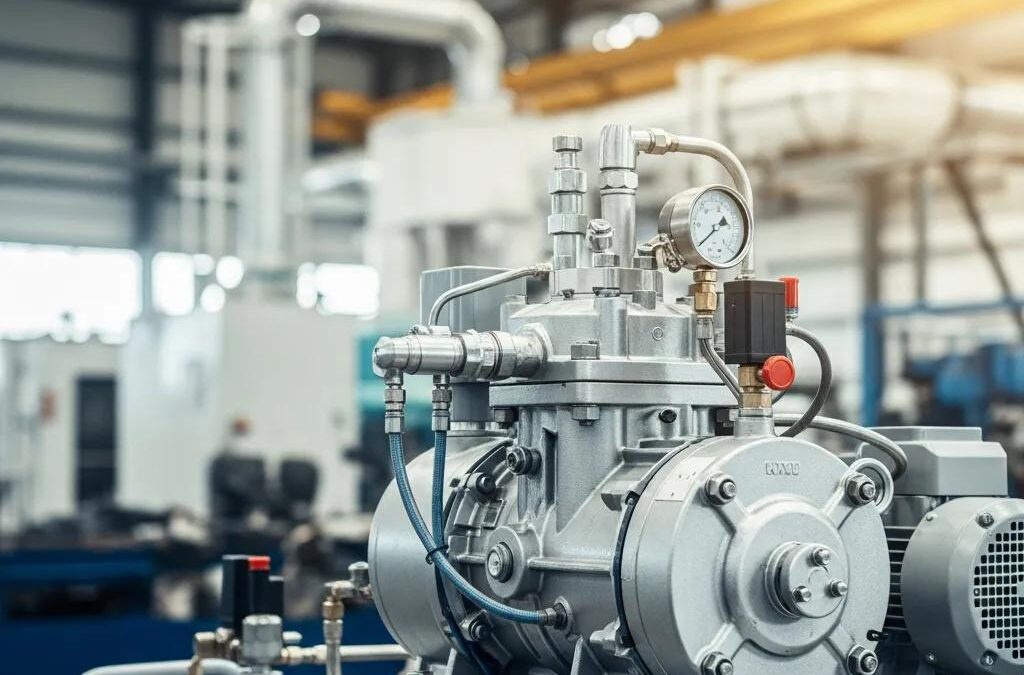
High pressure compressors are mechanical systems that raise gas pressure to required service levels—often from atmospheric to hundreds or thousands of psi—using reciprocating, rotary, or multi-stage compression. They work by reducing gas volume through successive compression stages, intercooling between stages, and final filtration or purification, producing compressed air or gas suitable for breathing, storage, or process use. The value is that a correctly specified high-pressure compressor delivers required flow and pressure while maintaining purity, reliability, and safety for mission-critical applications. Below is a concise comparison table to help match compressor type to typical use cases and pressure ranges; this table clarifies how hyponyms like breathing-air compressors and cascade filling systems fit under the broader category of compressed air systems.
This comparison highlights how meronyms like compressor pump module, intercooler, and filtration skids combine to form compliant systems; understanding these components helps specify service intervals and safety features. The next subsection distinguishes air versus gas compressors and outlines key technical parameters that determine suitability for each sector.
Defining High Pressure Air and Gas Compressors for Industrial Use
High pressure air compressors are optimized to deliver compressed atmospheric air at high pressure with control over contaminants, while gas compressors are engineered for compressing process gases whose properties differ from air. Pressure rating, flow (scfm or Nm³/h), and duty cycle determine compressor architecture—single- or multi-stage reciprocating designs are common for very high pressures, while rotary screw or oil-free designs suit continuous industrial duty at moderate high pressures. Oil-free technology is critical where gas purity and breathing-air standards apply, whereas lubricated compressors may be acceptable for industrial non-breathing applications when properly filtered. Understanding these technical parameters—pressure, flow, contamination control, and duty—forms the basis for choosing materials, cooling systems, and control strategies for long-term reliability.
Which Industries Benefit Most from High Pressure Compressor Systems?
High pressure compressors find concentrated use where elevated pressure and purity are essential: diving, firefighting, maritime operations, medical gas delivery, sports cylinder filling, and industrial processes requiring pressurized gases. Diving demands breathing-air purification and cylinder cascade systems that maintain trace contaminant limits; firefighting requires portable or vehicle-mounted high-pressure fills and redundancy for emergency readiness. Maritime systems prioritize space-efficient, corrosion-resistant designs, whereas medical applications focus on certification, traceability, and gas quality assurance. Sports and recreational filling centers emphasize fast-fill capability and user safety monitoring. Mapping each sector to its primary operational requirements helps prioritize filtration, certification, and redundancy during system design and procurement.
How Do Custom Compressor Solutions Enhance Sector-Specific Applications?
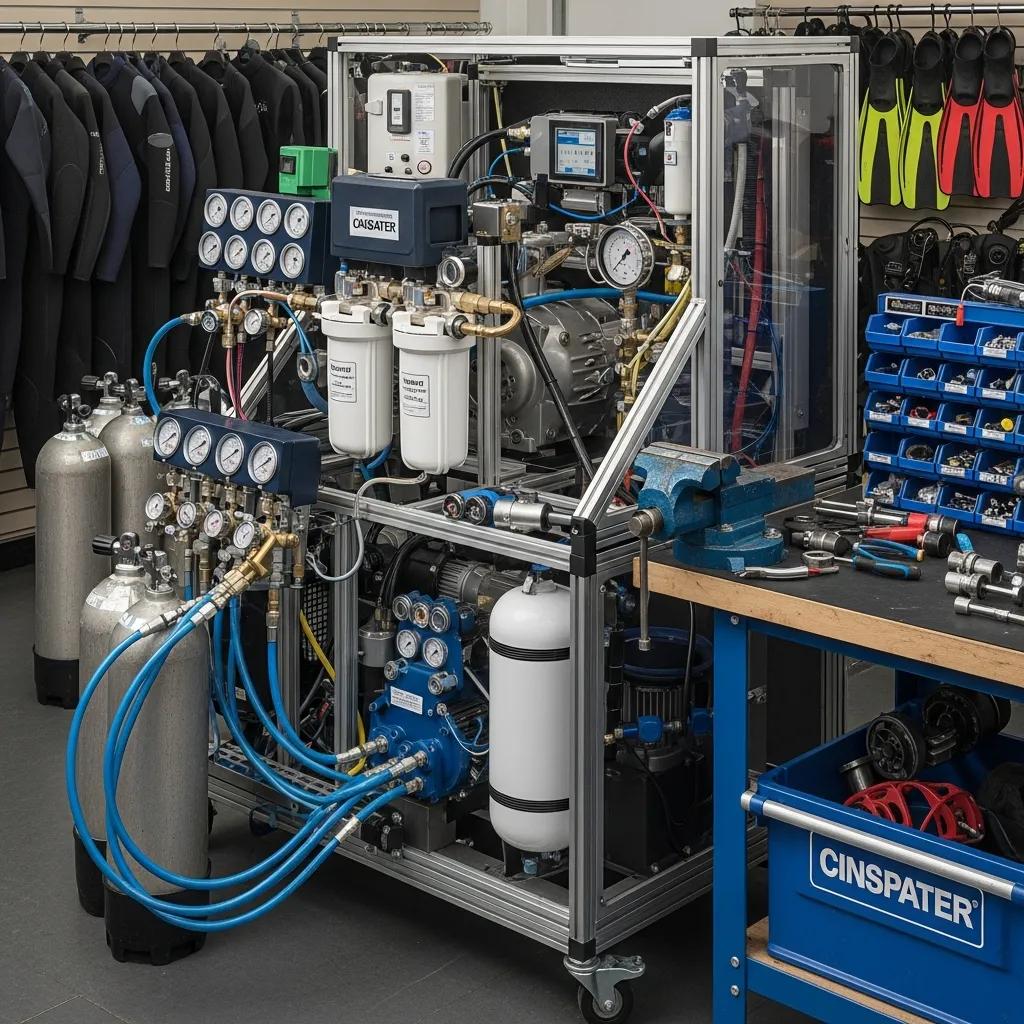
Custom compressor solutions adapt core components—pump modules, intercoolers, filtration skids, control panels, and storage manifolds—into integrated systems that match exact pressure, flow, purity, footprint, and redundancy needs of the end user. Tailored designs reduce lifecycle cost by selecting appropriate materials, optimizing cooling and stage counts, and integrating PLC controls or variable speed drives that lower energy consumption under varying loads. The advantages of specifying a custom skid include simplified installation, improved maintainability through modular components, and tighter performance guarantees when compared to off-the-shelf configurations. Below is a short benefits list that illustrates typical gains from customization and points toward the kind of design choices engineering teams should evaluate.
Custom compressor systems deliver several operational advantages:
- Specification Matching: Systems designed to exact pressure and flow requirements avoid oversizing and reduce upfront and operating costs.
- Integrated Controls: PLC and control integration enable automated sequencing, alarms, and remote monitoring that enhance uptime.
- Modular Maintainability: Skid-based modular designs allow quick replacement of pump or filtration modules to reduce downtime.
These tangible benefits translate into improved availability and predictable operating expenses, leading naturally into specific examples for high-safety sectors like diving and firefighting where quality and redundancy are paramount.
LW Americas specializes in high pressure compressor systems tailored for diverse sectors including diving, firefighting, maritime, industrial, medical, and sports. The company’s primary offering centers on custom high pressure compressor solutions designed to meet specific application requirements, emphasizing system design expertise, reliability, and customer-focused customization. For teams seeking a partner that builds integrated skids, optimizes control logic, and supports specification-driven procurement, LW Americas positions its capabilities to help translate technical requirements into deployable systems and to provide lead-generation pathways for quote requests.
What Are the Advantages of Tailored Compressor Systems for Diving and Firefighting?
Tailored systems for diving and firefighting prioritize breathing-air purity, redundancy, rapid-deploy mobility, and regulatory compliance in compact footprints. For diving centers, designs combine oil-free compression, multi-stage filtration, humidity control, and cascade storage to deliver repeated fills while maintaining breathing-air standards. Firefighting systems favor portable trailers or vehicle-mounted skids with redundant compressors and simplified controls to support emergency operations. Custom solutions also integrate monitoring instrumentation for on-line purity verification and automated safety interlocks to prevent contaminated fills. These sector-specific features reduce risk, support compliance, and ensure the operational readiness demanded by first responders and dive operations.
How Are Custom Compressors Designed for Maritime, Medical, and Sports Uses?
Design priorities shift by sector: maritime systems emphasize corrosion-resistant materials, compact layouts, and vibration isolation for shipboard environments; medical gas compressors prioritize validated oil-free compression, traceable documentation, and certification compatibility for patient safety; sports filling setups target fast-fill performance, operator safety controls, and user-friendly panels for quick cylinder service. Material selection—stainless steel piping, marine-grade coatings—or filtration architectures—multi-stage purification with molecular sieve or activated carbon—reflect these priorities. Comparing these configurations clarifies trade-offs in cost, complexity, and maintainability that inform whether to choose a custom skid or a standardized package for a given operational profile.
What Are the Technical Requirements and Safety Standards for High Pressure Compressor Systems?
High pressure compressor systems must meet technical requirements around pressure ratings, mechanical design, materials, filtration, instrumentation, and safety devices such as pressure relief and emergency shutdowns; they also must comply with applicable certification frameworks to ensure legal and operational safety. Key parameters include rated working pressure, design margin, allowable stress for pressure vessels, required filtration levels for breathing air, control redundancy, and maintenance regimes tied to duty cycles. The following table maps common certifications and standards to the systems or components they typically apply to and summarizes key compliance requirements to aid procurement and engineering checks.
Understanding how these standards interact with component selection prevents costly retrofits and aligns procurement with regulatory expectations; the next subsection provides practical maintenance schedules and pressure-rating guidelines that sustain compliant operation.
Which Pressure Ratings and Maintenance Schedules Ensure Reliable Compressor Operation?
Selecting an appropriate pressure rating requires matching the maximum required service pressure with a design factor that accounts for cycling, temperature, and material fatigue; common practice is to size pressure vessels and components with safety margins above maximum working pressure and to choose gasket and seal materials compatible with operating temperatures. Recommended maintenance intervals link directly to duty cycle and environment: daily visual checks and condensate drains, weekly instrumentation verification and filter inspections, monthly lubrication and belt/drive checks, and annual pressure vessel inspection and performance testing. Predictive maintenance methods—vibration analysis, oil analysis where applicable, and temperature trend monitoring—extend component life and prevent unplanned downtime. These maintenance practices form the practical backbone of any compliance program and should be documented in operating manuals and service contracts.
How Do Updated Safety Certifications Impact Compressor System Compliance?
Recent updates to safety certifications emphasize traceability, validated testing, and lifecycle documentation, which impact procurement by requiring tighter vendor documentation and additional on-site verification. For systems supplying breathing air or medical gases, updated standards may demand more frequent sampling, certified analyzers, or third-party validation to confirm pollutant thresholds. Procurement teams must evaluate vendor deliverables—material certificates, test reports, and compliance matrices—during specification and acceptance tests. Implementing these certification-driven process steps reduces operational risk and streamlines audits, and it encourages selection of vendors that provide comprehensive documentation and factory acceptance testing.
How to Select and Maintain High Pressure Compressors for Optimal Performance?
Selecting and maintaining high pressure compressors requires a structured checklist that aligns pressure, flow, duty cycle, gas type, environmental constraints, and certification needs with vendor offerings and maintenance capabilities. A clear selection process avoids overspecification and ensures the delivered system meets operational and regulatory needs. The checklist below gives procurement and engineering teams a stepwise approach to selection, followed by maintenance best practices to extend equipment life and ensure safety.
Selection checklist—use this when specifying a system:
- Define Pressure and Flow: Specify required maximum pressure and continuous/peak flow rates to size compressor stages.
- Determine Gas Type and Purity Needs: Identify whether oil-free compression and specific filtration levels are required.
- Assess Duty Cycle and Environment: Use expected operating hours and ambient conditions to select cooling and motor ratings.
These selection steps lead directly into maintenance planning; once a system is chosen, a robust preventive and predictive schedule ensures uptime, which is described in the following maintenance table that maps common tasks to recommended frequencies and outcomes.
A disciplined maintenance program—combining daily checks with periodic predictive diagnostics—reduces unplanned outages and aligns lifecycle costs with operational expectations.
LW Americas provides specification support and system configuration advice that can be used as an example of best-practice vendor collaboration during selection and maintenance planning. The company emphasizes custom high pressure compressor solutions, system design expertise, and customer-focused customization to align equipment with sector-specific needs. Teams seeking vendor-led assistance with selection criteria or maintenance program templates can consult specialists who translate operational requirements into testable technical specifications and service agreements.
What Factors Should Guide the Selection of Industrial and Custom Compressor Systems?
Choosing between off-the-shelf and custom systems depends on technical, operational, and commercial factors such as required pressure and flow, environmental constraints, footprint limits, certification obligations, and total cost of ownership. Critical decision points include whether gas purity or breathing-air standards necessitate oil-free compressors, if repeated rapid fills require cascade systems, and whether remote monitoring and PLC integration are needed for operational visibility. Material compatibility, cooling capacity, and accessibility for maintenance influence long-term service costs, while modularity supports phased upgrades. Applying a decision-tree approach—specify demands, shortlist architectures, evaluate vendor documentation, and conduct factory acceptance—ensures procurement aligns with operational KPIs.
What Are Best Practices for Compressor Maintenance and Longevity?
Best practices combine routine inspections, condition monitoring, and scheduled component replacement to maximize equipment life and safety. Operators should implement daily checklists for condensate and leak detection, deploy vibration and thermography monitoring for early fault detection, and maintain spare-part inventories for high-failure components. Replace consumables—filters, seals, belts—on documented schedules and log all service actions to create traceable maintenance history. Predictive strategies that trigger action based on measured trends (vibration spikes, temperature drift) reduce reactive repairs and preserve uptime. These practices, combined with clear vendor support agreements, create a resilient operating model that links maintenance activity to measurable operational outcomes.
What Are Recent Trends and Case Studies in High Pressure Compressor Applications?
Energy-efficient compressors, variable speed drives (VSD), improved stage balancing, and heat-recovery integration are primary trends shaping high pressure compressor design in 2024–2025. VSDs reduce energy consumption by matching motor speed to required demand, while heat recovery captures compression heat for facility heating or process preheating, improving overall system efficiency. Control-system advances permit predictive analytics and remote diagnostics that reduce service response time and optimize maintenance intervals. The table below maps common energy-saving technologies to expected benefits to help teams quantify potential savings and ROI when evaluating upgrades.
Embedding these technologies requires attention to control integration and maintenance implications, but they deliver measurable gains in operating cost and emissions. Before presenting case studies, note how LW Americas aligns its custom solutions with these trends to deliver applied benefits in the field.
LW Americas implements custom high pressure compressor integrations that reflect current trends—combining optimized compression staging, control integration, and service-focused design—to reduce energy consumption and improve reliability for sector-specific applications. Prospective clients can inquire about matching these features to their operational objectives through vendor consultations and specification reviews.
How Are Energy Efficiency Improvements Shaping Compressor Technology in 2024-2025?
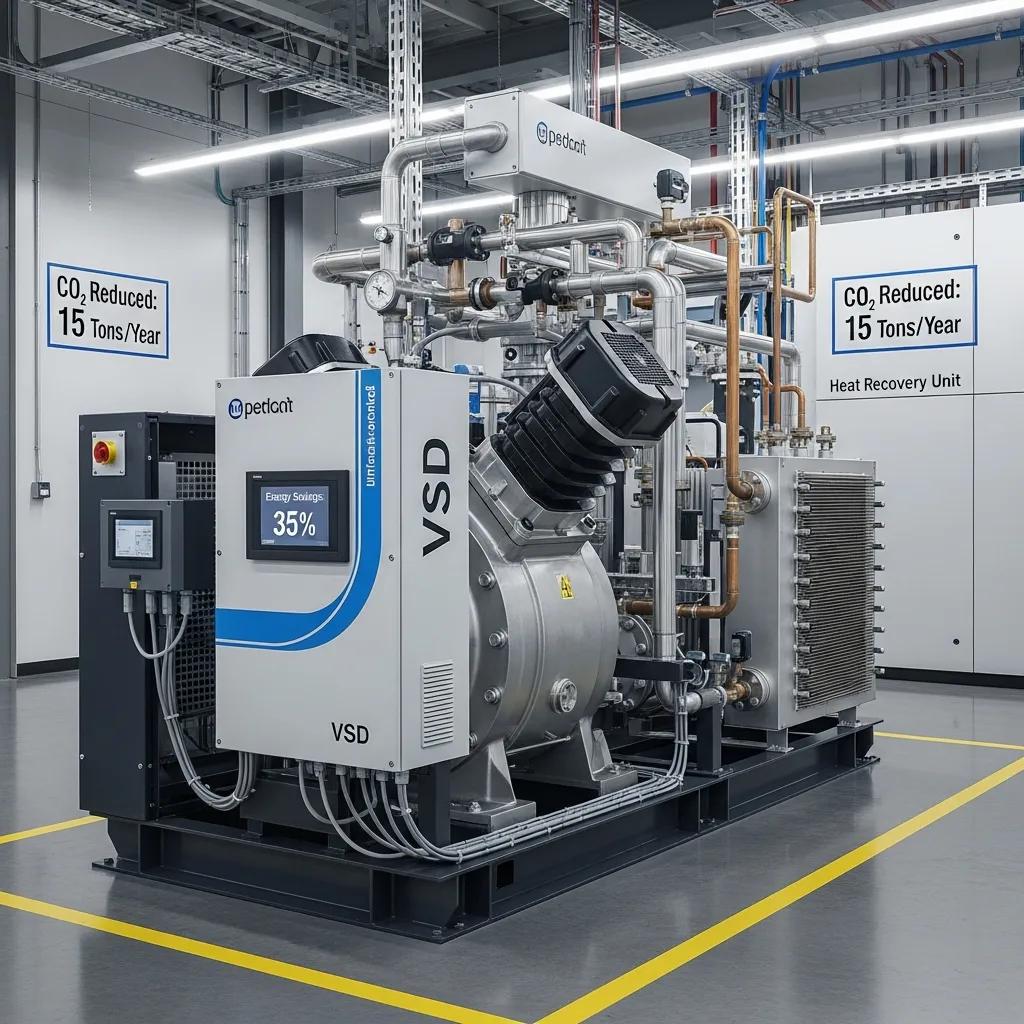
Energy efficiency advances center on matching compression capacity to demand via VSDs, reducing waste through intercooling and optimized stage counts, and reclaiming heat for secondary uses. Controls that modulate capacity and sequence compressors intelligently minimize idle running and cycling losses. These approaches produce quantifiable reductions in power draw and operating costs while supporting sustainability goals in industrial operations. Designing for energy efficiency requires upfront analysis of load profiles and amortization of capital investments relative to projected energy savings to confirm financial viability.
Which Case Studies Demonstrate Successful Custom Compressor Integrations?
Case studies demonstrate practical outcomes when custom design addresses a specific operational gap: a dive center improved cylinder throughput and purity by integrating an oil-free multi-stage compressor with a cascade manifold and automated purge controls, resulting in faster fills and reduced contamination incidents. An industrial facility reduced energy consumption by retrofitting VSDs and improving intercooling, lowering electrical demand during variable operations. Metrics to evaluate success include reduced fill times, lower energy cost per delivered scfm, improved uptime percentages, and simplified maintenance cycles. These examples show how targeted customizations produce measurable operational and financial gains, leading operations to prefer specification-driven solutions over generic packages.
- Diving Center Optimization: Challenge: inconsistent purity and slow fills. Solution: oil-free multi-stage compressor plus cascade storage. Outcome: faster turnarounds and verified breathing-air quality.
- Industrial Energy Retrofit: Challenge: high energy draw during variable demand. Solution: retrofitted VSDs and revised intercooling. Outcome: reduced energy cost and smoother operation.
- Maritime Compact Skid: Challenge: limited space and corrosive environment. Solution: compact skid with marine-grade materials and vibration isolation. Outcome: reliable shipboard operation and simplified maintenance.
These mini case studies illustrate how custom high pressure compressor solutions translate into operational improvements across sectors; teams evaluating vendors should prioritize demonstrable metrics and documented outcomes when choosing suppliers.
High pressure compressors remain central to many mission-critical operations, and specifying systems that align pressure ratings, purity controls, and maintenance programs with sector-specific demands delivers measurable reliability and cost advantages. This guide connected technical attributes, safety standards, selection checklists, maintenance practices, and current technology trends to practical procurement and engineering actions that preserve uptime and ensure compliance.