
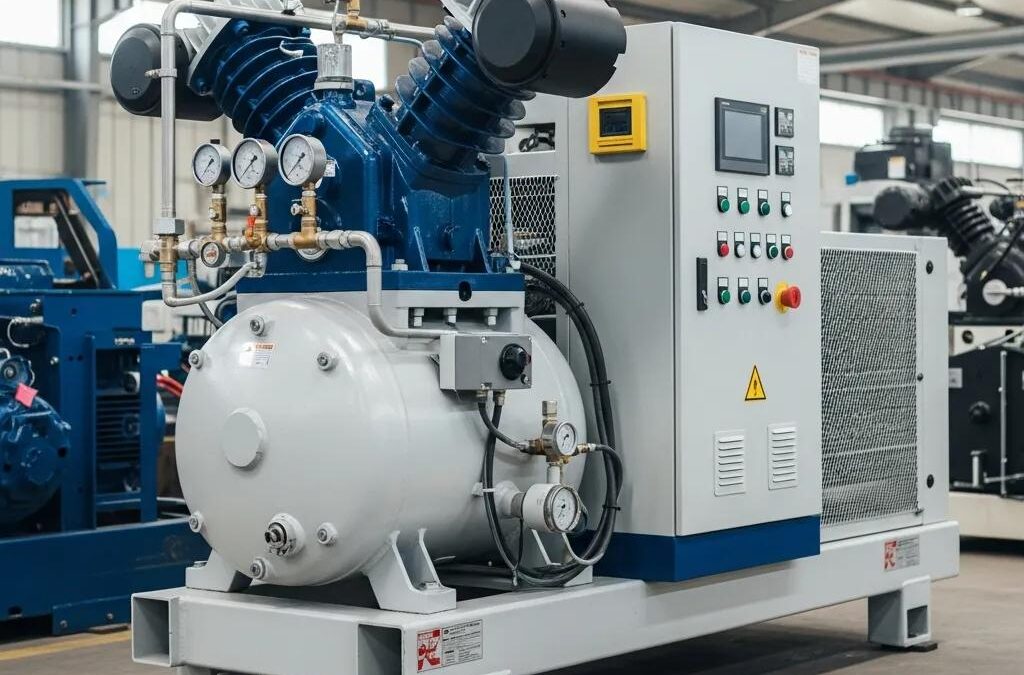
Top Features of Reliable Industrial Air Compressors for Optimal Performance and Durability
Reliable industrial air compressors are essential for various applications, providing consistent performance and durability. This article explores the key features that define the reliability of these compressors, ensuring optimal operation across diverse sectors. Readers will learn about the critical components that contribute to compressor reliability, including continuous-duty capability (when properly specified and maintained), robust mechanical design, and advanced technologies. Understanding these features is vital for industries that depend on high-pressure compressors for safety and efficiency.
Many businesses face challenges related to compressor downtime and maintenance costs, which can significantly impact productivity. By focusing on the essential features of reliable industrial air compressors, this article aims to provide solutions that enhance operational efficiency and reduce costs. We will delve into the key features, advanced technologies, industry-specific requirements, maintenance practices, and the benefits of choosing custom solutions from LW Americas.
What Are the Key Features That Define Industrial Air Compressor Reliability?
The reliability of industrial air compressors is defined by several key features that ensure consistent performance and durability. These features include:
- Continuous-Duty Capability: Designed for extended operation under specified conditions, minimizing the need for frequent cool-down periods and ensuring sustained uptime.
- Robust Mechanical Design: Features like lower RPM components and one-piece cast blocks enhance durability and reduce leak potential.
- Thermal Management Strategies: Effective cooling systems to manage heat and maintain performance.
- Precise Pressure Control: Ensures consistent process performance and safety.
- Filtration and Monitoring: Integral systems for removing contaminants and monitoring air quality, distinguishing between requirements for industrial process air and safety-critical applications like breathing air.
- Redundancy Features: Standby compressors and automatic switchover systems to prevent operational downtime in critical environments.
- Adaptability to Environmental Factors: Ability to handle variations in altitude and temperature that affect performance.
- Custom Engineering: Tailored solutions to meet specific operational needs and compliance with applicable standards.
How Does Continuous-Duty Operation Ensure Extended Performance?
Continuous-duty operation is engineered for extended performance by utilizing robust mechanical components and optimized cooling strategies, allowing compressors to run for prolonged periods without overheating, provided proper sizing and operating conditions are maintained. This design approach minimizes thermal stress and supports predictable maintenance intervals, enabling applications to achieve high uptime with fewer, more efficient units. Additionally, advancements such as variable-speed drives and IoT-enabled monitoring enhance operational efficiency and facilitate predictive maintenance, further contributing to reliable and extended performance under appropriate conditions.
Why Is the One-Piece Cast Block Design Crucial for Durability?
The one-piece cast block design is crucial for durability because it improves mechanical integrity and reduces the potential for leaks. This design enhances the compressor’s ability to withstand operational stresses, contributing to a longer lifespan and more reliable performance in demanding applications. By minimizing the number of joints and potential failure points, this design approach ensures that compressors can operate effectively under high-pressure conditions.
The concept of one-piece construction is widely recognized in the industry for enhancing compressor durability and is often considered an ideal design for original equipment manufacturers (OEMs). This approach minimizes potential failure points, contributing to a longer lifespan.
How Do Advanced Compressor Technologies Enhance Efficiency and Longevity?
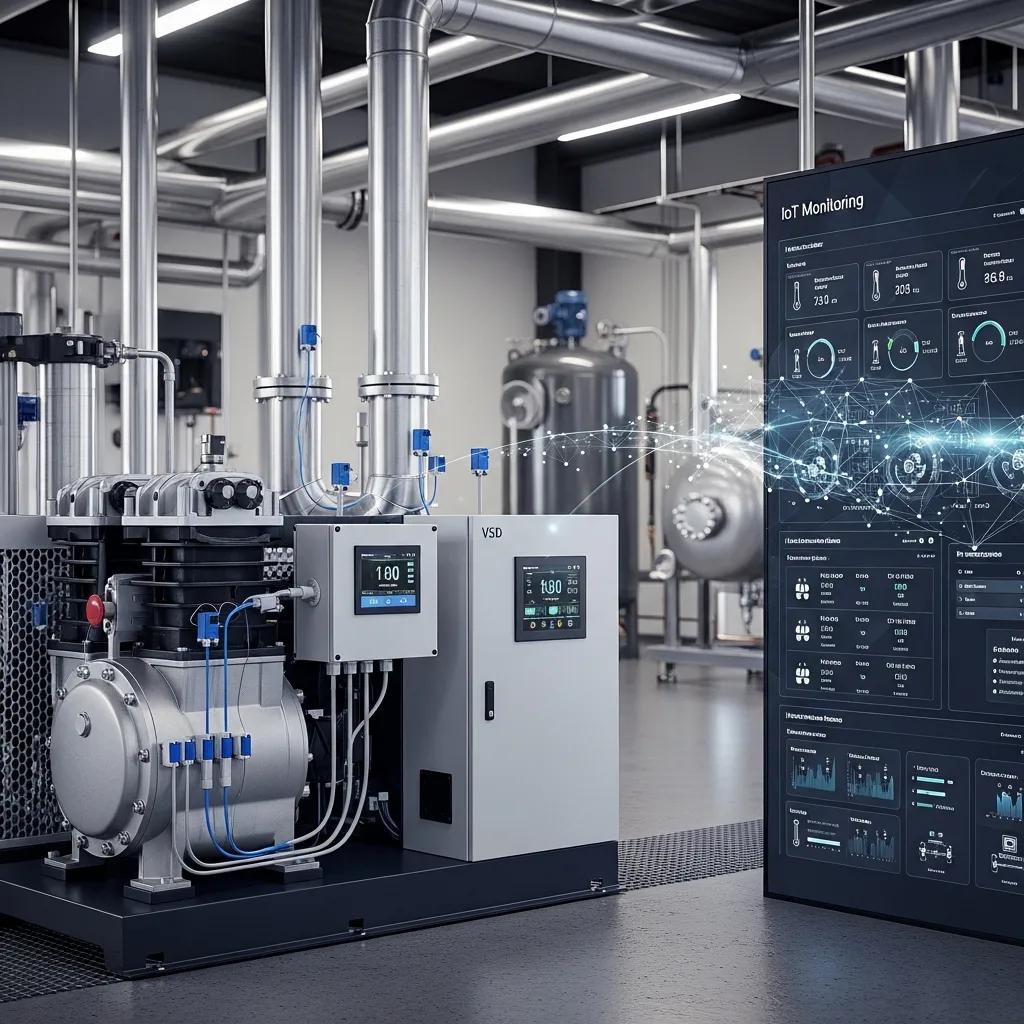
Advanced compressor technologies enhance efficiency and longevity through several innovations. Key improvements include:
- Variable-Speed Drives: These allow compressors to adjust their speed based on demand, reducing energy consumption and wear during low-load conditions.
- Enhanced Head and Cylinder Designs: Optimized designs improve airflow and reduce thermal loads, enabling longer continuous operation when properly managed and cooled.
- Optimized Cooling Systems: Improved cooling mechanisms help maintain optimal operating temperatures, further extending the lifespan of the compressor.
- IoT and Predictive Maintenance Tools: These technologies provide real-time telemetry (e.g., vibration, temperature) that allows for proactive maintenance, reducing downtime and extending the operational life of the equipment.
Overall, these advancements lead to lower operating costs, increased reliability, and improved total cost of ownership for users.
Variable-speed drives are particularly noted for their role in improving energy efficiency and reliability across a wide range of industrial applications, including compressors.
Variable-speed drives (VSDs) are widely adopted in industrial applications, including compressors, to enhance energy efficiency and reliability. By enabling energy-efficient capacity control, VSDs contribute to significant electricity savings and improved system performance across various industrial sectors.
What Benefits Does Lower RPM Provide in Industrial Compressors?
Lower RPM in industrial compressors offers several benefits, including reduced noise levels, increased lifespan, and improved efficiency. By operating at lower speeds, these compressors experience less wear and tear on components, leading to longer maintenance intervals and enhanced reliability. Additionally, lower RPM operation minimizes energy consumption, contributing to overall cost savings for businesses.
How Do Air Purification Systems Improve Compressor Performance and Safety?
Air purification systems improve compressor performance and safety by ensuring the purity of the air being compressed. This is crucial for applications requiring high-quality air, whether for industrial processes or safety-critical uses like breathing-air systems, where specific regulatory standards must be met. By integrating purification modules, compressors can operate more efficiently, reducing the risk of contamination that could lead to equipment failure or safety hazards in industrial processes, or compromise user safety in breathing-air applications. Additionally, proper filtration and monitoring enhance the overall safety and reliability of the compressor system, contributing to sustained uptime and reduced process variability.
Which Industry-Specific Features Make Compressors Reliable for Critical Applications?
The reliability of compressors for critical applications is enhanced by several industry-specific features, including:
- Continuous-Duty Capability: These compressors are designed for extended operation under specified conditions, minimizing the need for frequent cool-down periods and ensuring sustained uptime and reliability.
- Robust Mechanical Design: Features like lower RPM components and one-piece cast blocks improve durability and reduce the potential for leaks.
- Precise Pressure Control: This ensures process consistency, which is crucial for applications like breathing air or fuel-grade gas.
- Safety and Purity Enhancements: When paired with proper filtration and monitoring, these compressors enhance safety and maintain air quality, tailored to the specific demands of industrial processes or breathing-air applications.
- Custom Engineering and Project Management: Tailored configurations and detailed engineering reviews help meet specific operational demands and ensure optimal performance.
- Redundancy Strategies: In critical environments, standby compressors and automatic switchover systems are implemented to prevent production halts or safety risks.
These features collectively contribute to the reliability and effectiveness of compressors in critical applications.
How Are High-Pressure Compressors Tailored for Diving and Firefighting Safety?
High-pressure compressors are tailored for diving and firefighting safety by ensuring the delivery of high-quality breathing air that meets specific safety standards. For diving, compressors generate compressed air at pressures typically ranging from 3000 to 4500 PSI, which is essential for filling scuba tanks. They are equipped with purification systems that filter out particulates, oil, and volatile organic compounds (VOCs), ensuring the air quality aligns with safety standards like CGA Grade E and EN 12021.
In firefighting, these compressors support self-contained breathing apparatus (SCBA) fill stations, where the air must meet stringent contaminant limits, often referencing standards like NFPA 1989. The systems include monitoring devices for continuous air-quality alerts and logging, which help maintain compliance with safety regulations. Additionally, features like automatic shut-off when tanks are full and real-time monitoring enhance operational safety and reliability. Overall, the design and engineering of these compressors focus on extended uptime under specified conditions, precise pressure control, and safety, making them suitable for critical applications in both diving and firefighting.
What Solutions Address Heavy-Duty Needs in Industrial and Maritime Sectors?
Solutions that address heavy-duty needs in the industrial and maritime sectors include high-pressure compressors designed for specific applications such as scuba fills, firefighting SCBA, medical gas supply, and continuous multi-station operations. These compressors must meet distinct demands for flow, pressure, air quality, and duty cycle. Custom engineering and project management services, like those offered by LW Americas, help tailor compressor systems to site-specific requirements, ensuring optimal performance and safety. Additionally, innovations in energy efficiency, continuous-duty platforms, and IoT-enabled monitoring enhance the reliability and cost-effectiveness of these solutions.
What Maintenance Practices and Support Services Maximize Compressor Reliability?
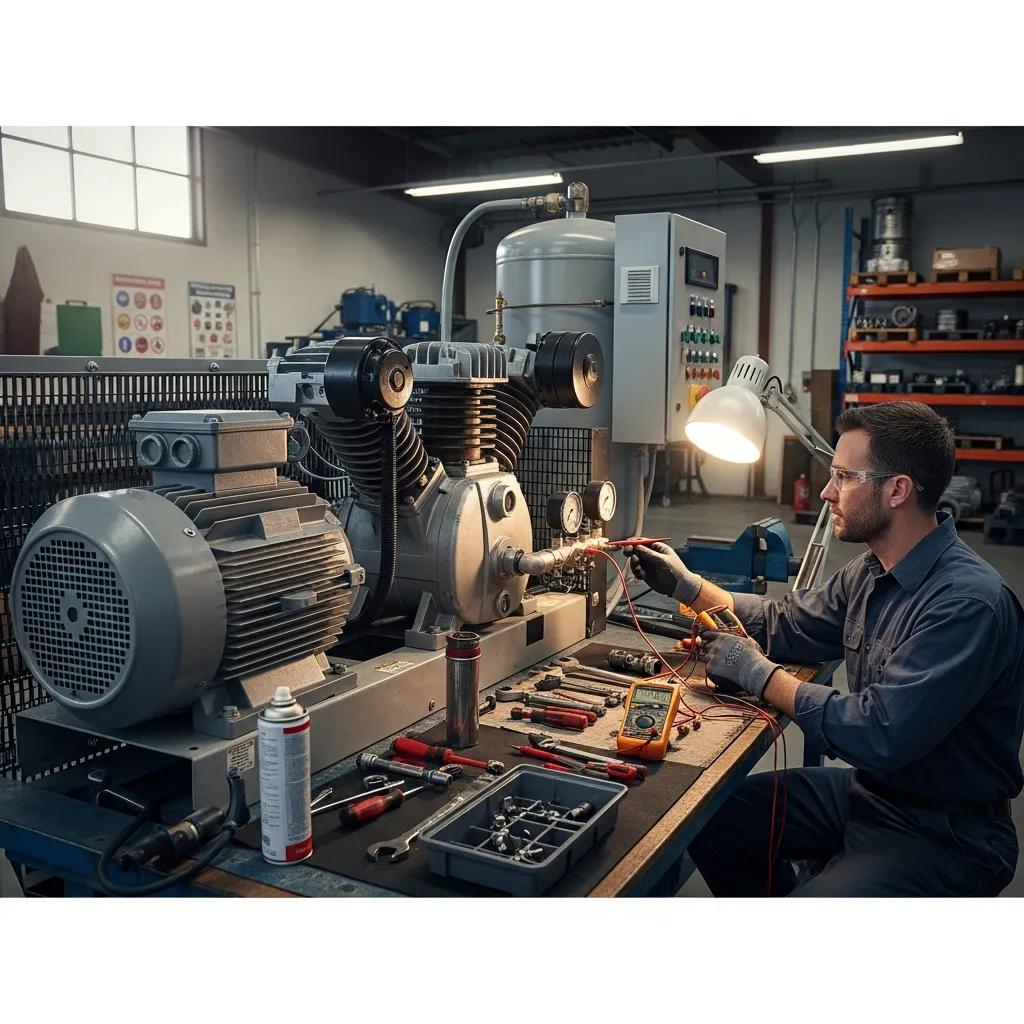
To maximize compressor reliability, implementing effective maintenance practices and support services is essential. Key practices include:
- Daily Checks: Conduct visual inspections, check oil levels, and drain moisture traps.
- Weekly Checks: Monitor differential pressure across filters and verify alarms and gauges.
- Monthly/Quarterly Maintenance: Replace filters according to manufacturer hours, calibrate sensors, and record compressor hours.
- Preventive Maintenance Routines: Implement operational checklists and troubleshooting protocols starting with basic diagnostics.
- Documentation: Maintain records of tasks, dates, technician details, compressor hours, filter part numbers, test results, and corrective actions to support audits and compliance.
Which Essential Maintenance Steps Prolong Industrial Compressor Lifespan?
- Visual Inspections: Regularly check for leaks, wear, and overall condition.
- Filter Replacements: Change filters according to the manufacturer’s recommendations to maintain air quality.
- Record Keeping: Document maintenance activities, including dates and technician details, to support compliance and audits.
Implementing these steps ensures that compressors operate efficiently and reliably, ultimately extending their operational lifespan.
How Does Responsive North American Support Enhance Operational Continuity?
Responsive North American support enhances operational continuity by providing faster responses for parts and technical queries, which minimizes downtime. The local support presence allows for quicker resolution of issues, while custom solution capabilities and comprehensive project management reduce installation complexity. These factors collectively contribute to reliable fill-station uptime, predictable maintenance costs, and facilitate compliance verification during audits, ensuring that departments can effectively manage life-safety infrastructure.
How Do Energy Efficiency and Smart Controls Contribute to Compressor Reliability?
Energy efficiency and smart controls contribute to compressor reliability by enabling longer continuous operation under optimal thermal management and reducing operating costs. Innovations suchs as variable-speed drives and enhanced designs help optimize performance, while IoT and predictive maintenance tools allow for proactive service models, moving from reactive to predictive maintenance. This shift enhances reliability by ensuring that potential issues are addressed before they lead to failures, ultimately supporting longer equipment lifespans and reducing downtime.
What Role Does Energy Efficiency Play in Reducing Operational Costs?
Energy efficiency plays a significant role in reducing operational costs by lowering the operating cost per delivered cubic foot of compressed air. Innovations such as variable-speed drives, enhanced designs, and optimized cooling contribute to this efficiency, allowing for longer continuous operation with effective thermal management. Additionally, the shift towards valuing total cost of ownership and uptime guarantees in procurement decisions reflects the importance of energy efficiency in managing overall expenses.
How Does IoT Integration Enable Predictive Maintenance and Monitoring?
IoT integration enables predictive maintenance and monitoring by providing real-time telemetry data such as vibration, temperature, and flow rates. This data allows operators to transition from reactive maintenance to predictive service models, identifying potential issues before they lead to failures. By analyzing trends in the collected data, operators can detect declining performance indicators and schedule maintenance interventions proactively, thereby reducing unplanned downtime and optimizing maintenance schedules. This approach not only enhances operational efficiency but also informs better specification choices for equipment.
In the era of Industry 4.0, the integration of machine learning (ML) with Internet of Things (IoT) infrastructure is transforming predictive maintenance for industrial compressors. This proactive approach is crucial for ensuring operational efficiency, minimizing downtime, and extending equipment lifespan.
Why Choose LW Americas’ Custom High-Pressure Compressors for Reliable Industrial Use?
LW Americas’ Custom High-Pressure Compressors are ideal for reliable industrial use due to their continuous-duty design, which allows for extended operation under specified conditions, minimizing the need for frequent cool-down periods. This design enhances uptime, reduces wear on components, and minimizes maintenance needs. Custom solutions are essential as they adapt to specific site constraints and performance targets, improving lifecycle costs and regulatory compliance. Additionally, the integration of monitoring capabilities helps in proactive maintenance and ensures that the compressors meet operational requirements effectively. Overall, these features contribute to stable, high-pressure delivery and operational efficiency across various industrial applications.
How Do Custom Solutions Address Unique Industry Requirements?
Custom solutions address unique industry requirements by adapting core compressor designs to meet specific site constraints and performance targets. This includes considerations for footprint, purity, pressure staging, and integration with existing plant controls. Custom solutions often involve a project-managed approach that encompasses requirements capture, compressor selection, engineering design, packaging, and site support, ensuring alignment with operational and regulatory environments. Tailored systems can enhance lifecycle costs and regulatory compliance by optimizing component selection and simplifying maintenance planning, which is crucial for industries with distinct demands such as medical and industrial applications.
What Advantages Does LW Americas Offer in Continuous-Duty Compressor Technology?
- Engineered for Extended Operation: These compressors are designed for prolonged use under specified conditions, utilizing lower RPM components and robust cast blocks to manage heat effectively.
- Reduced Thermal Stress: The design minimizes thermal stress on key components, which helps maintain steady pressure delivery and reduces the risk of unplanned stops, enhancing overall equipment availability.
- Fewer Start/Stop Cycles: Extended operation leads to fewer start/stop cycles, which decreases wear on valves and seals, resulting in longer maintenance intervals compared to intermittent-duty machines.
- Improved Uptime: For operations that prioritize uptime, properly configured continuous-duty designs facilitate predictable scheduling and smoother integration with storage tanks and downstream purification stages.
- Customization: LW Americas emphasizes customization to align compressors with specific site constraints and purity requirements, ensuring optimal performance for unique operational needs.
These features collectively contribute to enhanced reliability, reduced maintenance needs, and improved operational efficiency in critical manufacturing and fueling applications.